
How Iranians Rejoice Pakistan’s Role in Ending the US-Iran Conflict
Celebrating Peace

Introduction
In a region long shaped by tension, conflict, and uncertainty, even a fragile moment of peace can feel like a historic victory. Recent diplomatic is a developments have placed Pakistan at the center of global attention, as it stepped forward to mediate between the United States and Iran during a period of escalating confrontation. For many ordinary Iranians, this effort has not gone unnoticed. Instead, it has sparked a wave of cautious optimism, gratitude, and even celebration—reflecting a deep yearning for stability after weeks of fear and hardship.
The conflict between the United States and Iran had reached a dangerous point, threatening not only the Middle East but also global economic and political stability. With rising casualties, disrupted trade routes, and fears of a broader war, the urgency for dialogue became undeniable. In this tense environment, Pakistan emerged as a rare bridge between two adversaries, leveraging its diplomatic ties with both nations to encourage communication and reduce hostilities. �
The Business Standard
Pakistan’s role was not accidental. As one of the few countries maintaining working relations with both Washington and Tehran, it possessed a unique ability to act as a neutral intermediary. Through backchannel communications, message exchanges, and eventually hosting high-level talks, Islamabad positioned itself as a facilitator of peace rather than a participant in conflict. �
TrustFinance
This diplomatic effort contributed to a temporary ceasefire, creating space for negotiations and preventing further escalation. Reports indicate that Pakistan helped relay proposals and build trust between both sides, even when direct communication remained difficult. � The ceasefire, though fragile, offered something invaluable: hope.
Türkiye Today
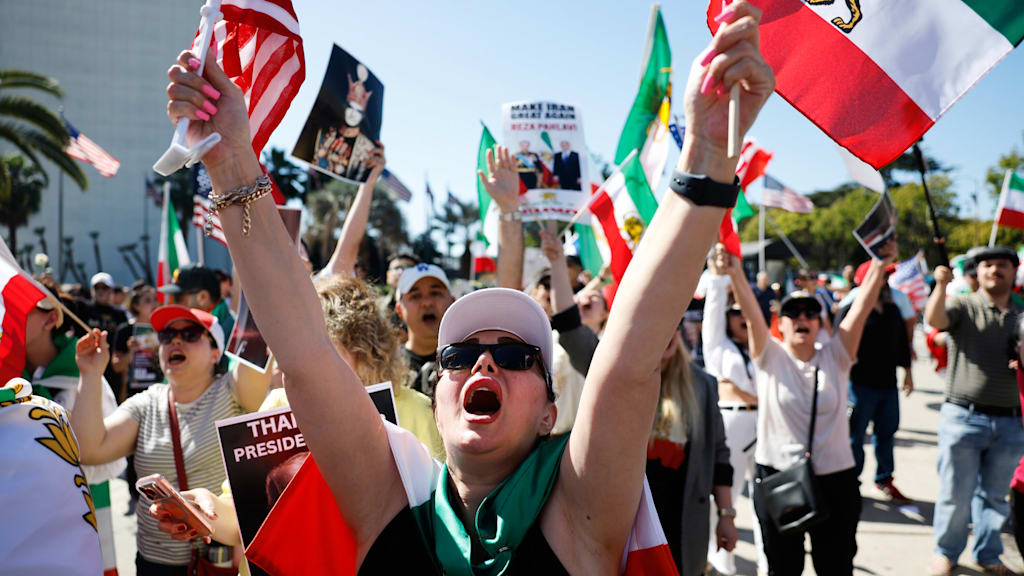
For the people of Iran, who had been living under the shadow of war, this hope translated into relief—and in some cases, celebration. While official state reactions remain measured, public sentiment often tells a more emotional story. Social media posts, local discussions, and community gatherings reflected appreciation for Pakistan’s role. Many Iranians viewed the mediation not just as a political move, but as a humanitarian gesture that helped prevent further loss of life.
Celebrations, where they occurred, were less about triumph and more about survival. Families who feared displacement or loss could finally breathe, even if only temporarily. Markets reopened, daily routines resumed, and the constant anxiety of airstrikes and escalation began to fade. In such moments, gratitude naturally finds a voice—and Pakistan became a symbol of that relief.
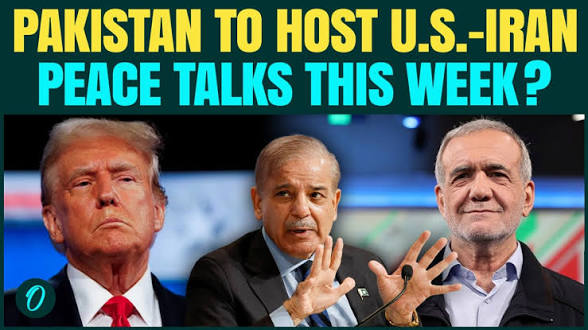
However, it is important to understand that the situation remains complex. While Pakistan’s mediation has been widely acknowledged, the path to lasting peace is far from guaranteed. High-level negotiations in Islamabad are ongoing, with significant disagreements still unresolved. � Expectations remain cautious, as both the United States and Iran continue to hold firm positions on key issues.
Axios
Despite these challenges, Pakistan’s role has already reshaped perceptions. It demonstrated that even in deeply polarized conflicts, dialogue is possible—and that smaller or regional powers can play meaningful roles in global diplomacy. For many Iranians, this effort stands as a reminder that peace does not always come from power, but sometimes from persistence, neutrality, and trust-building.
Conclution
In the end, the celebrations in Iran are not just about Pakistan. They are about the possibility of peace itself. They reflect a collective desire to move beyond war, to rebuild lives, and to imagine a future where diplomacy replaces destruction. Pakistan’s intervention may not have ended the conflict entirely, but it has changed its direction—and for that, many are thankful.
As the world watches these developments unfold, one thing is clear: even a small step toward peace can echo loudly in the hearts of those who have suffered the most.
About the Creator
shaoor afridi
“I am a passionate writer dedicated to sharing informative, engaging, and well-researched articles. My goal is to provide valuable content that educates, inspires, and adds real value to readers.”
Enjoyed the story? Support the Creator.
Subscribe for free to receive all their stories in your feed.
Comments
There are no comments for this story
Be the first to respond and start the conversation.