


In 1930, Spanish philosopher and essayist José Ortega y Gasset published The Revolt of the Masses, where he warned about the rise of the “mass man” — the ordinary person who, despite limited expertise or education, comes to believe his opinion carries the same weight as those who have devoted years to study, discipline, or achievement.
Today many of the "mass men" and "mass women" become "influencers".
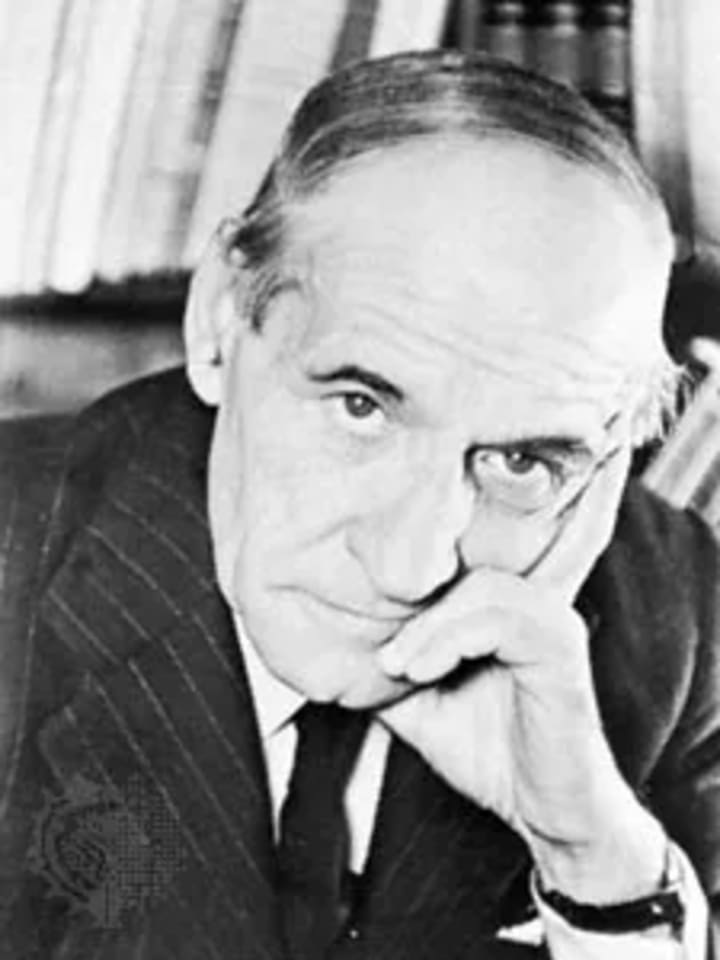
His concern was not democracy itself, but a growing tendency to dismiss competence and treat all judgments as equal, regardless of knowledge or experience.
Nearly a century later, that debate feels more relevant than ever.
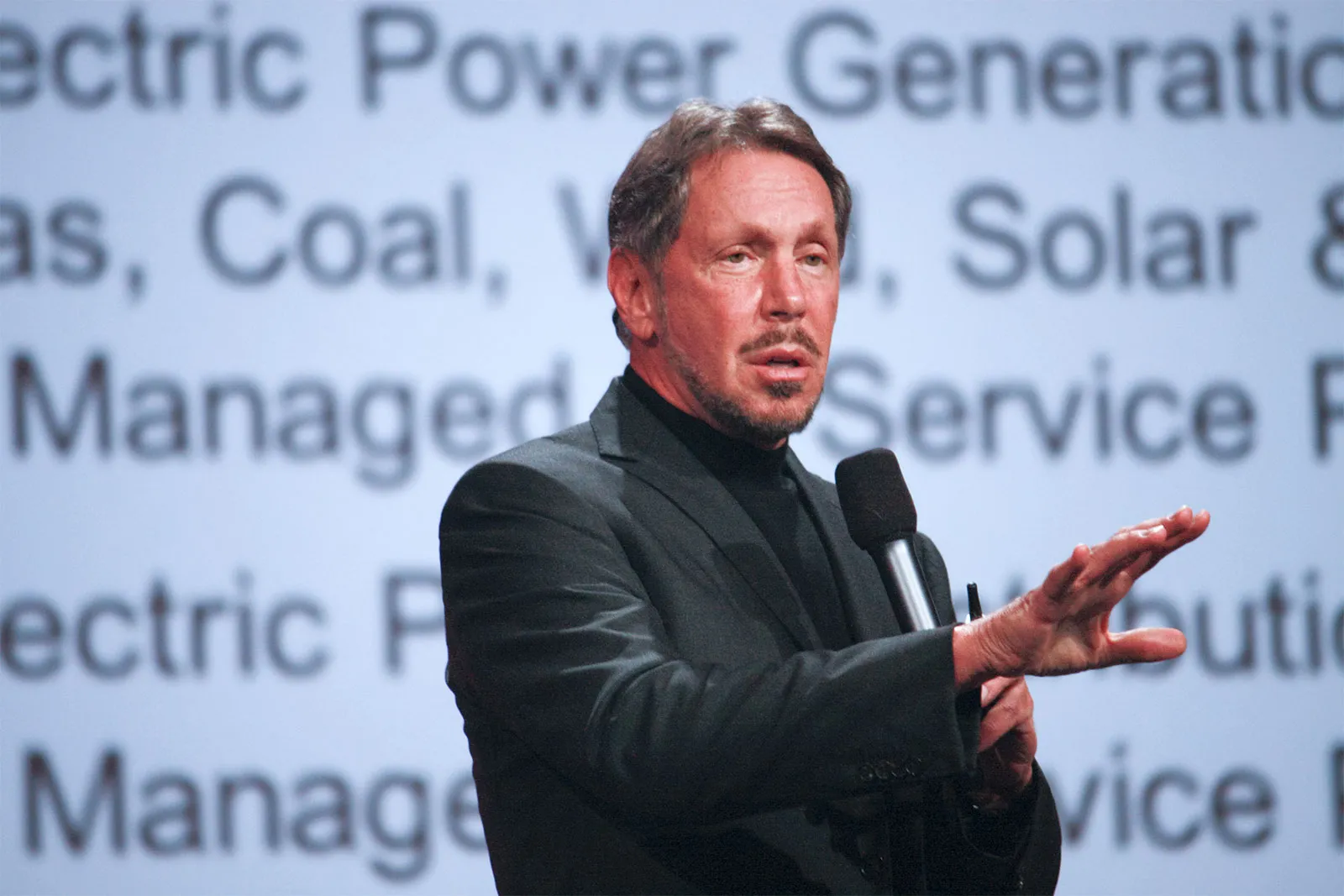
Recently, a widely shared online post recounted an exchange involving Larry Ellison defending Elon Musk against criticism from a journalist. An "influencer".
According to the post, when a reporter claimed Musk did not know what he was doing, Ellison responded with a simple challenge:
Ellison: “This guy is landing rockets on robot drone rafts in the ocean, and you’re saying he doesn’t know what he’s doing. You ever land a rocket?”
Ellison: “Who are you? Why should I believe you as opposed to my friend Elon?”
This is the problem of the "mass man". Who is he to judge? What has he built? What what has he shipped? What problem has he solved that didn’t involve a keyboard and a deadline?
NOTHING!
The "mass man" only has one thing: a 1st ammendement protected uneducated opinion.
Ellison: “You’re there in front of your Apple Macintosh typing up an article saying Elon’s an idiot.”
The "mass man" sits behind a laptop they did not engineer. Using a network they did not build. Running on silicon they cannot explain. To tell the world that the man sending humans to space doesn’t know what he’s doing.

They have never built anything heavier than a Word document, or a YouTube video or a TikTok post.
But they publish it with absolute certainty.
That’s the part that should disturb you. Not the criticism. The confidence behind it.
The total absence of self-awareness it takes to judge disciplines you wouldn’t last a single semester in.
Elon Musk
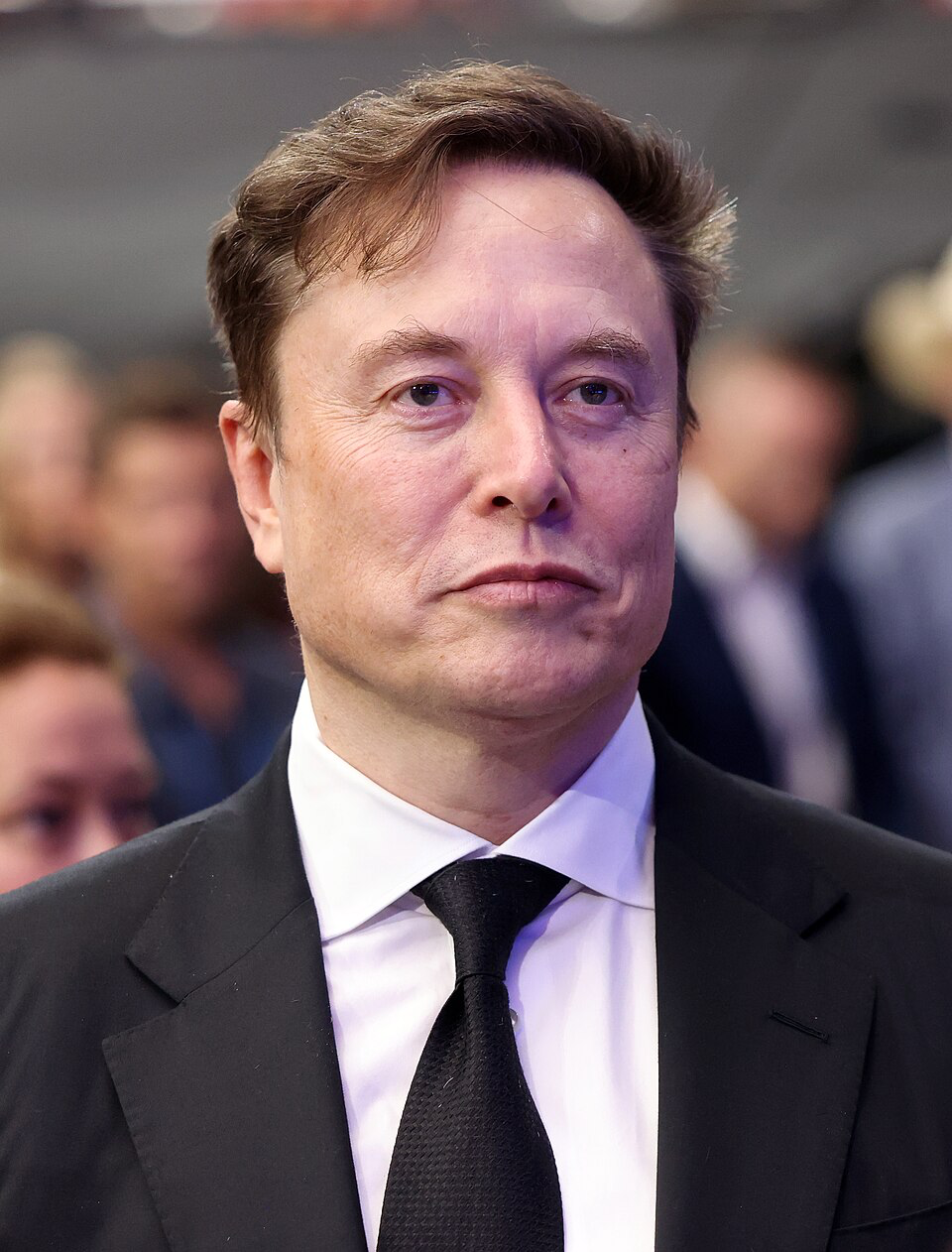
I am not suggesting that Elon Musk is personally the foremost expert in every field connected to his companies. His background includes engineering, but his greatest strength may be leadership.
Exceptional managers know how to recruit people with deeper technical expertise than their own and create the conditions for them to perform at their highest level.
Musk appears to have enough engineering knowledge to recognize promising ideas, question weak ones, and direct talent and resources toward projects with real potential.
Like any ambitious leader, he also makes mistakes—but the important point is that he adjusts, learns, and improves over time.
Whether quoted perfectly or not, the story about the "journalist" captures something larger than one exchange. It raises an uncomfortable but necessary question: how should society weigh criticism against demonstrated accomplishment?
In modern media culture, commentary is instant, constant, and often delivered with total certainty and impunity.
Yet certainty is not the same as expertise, and opinion is not the same as achievement.
We recently sent a spacecraft around the Moon, and I saw several people on social media insisting the mission planners had made a mistake because the launch took place during the daytime—when, according to them, “there is no Moon.” I am still not entirely convinced they were joking.
That does not mean innovators should be beyond criticism.
Powerful people, corporations, and public figures deserve scrutiny.
Even the Pope!
But criticism is strongest when it is informed, fair, and grounded in evidence. Too often today, judgment comes first and understanding comes later. But there is never an apology when proven wrong. It is easier to mock complexity than to master it.

Figures like Musk operate in industries where failure is measurable and unforgiving. Rockets either launch or explode. Cars either function or fail. Satellites either connect or go dark.

In engineering, reality provides immediate feedback. In commentary, errors can be forgotten by the next news cycle.
This may explain part of the tension between builders and observers. One side works in the realm of physical constraints, deadlines, and consequences. Actions have consequences.
The other often works in the realm of narratives, framing, and interpretation. Opinnions, like underwear, should be changed regularly.
Both roles matter, but they are not the same thing.
And one is more important than the other.
Influencers

The deeper issue is cultural. We increasingly reward confidence over competence, performance over substance, and reaction over reflection.
Ortega y Gasset warned that societies weaken when they stop respecting excellence and begin assuming that every opinion is equally informed.
A healthy society needs both creators and critics. But it also needs humility — the humility to recognize when someone knows more, has built more, or has achieved more than we have. Without that humility, debate turns into noise, and judgment becomes detached from merit.
Perhaps the real lesson is simple: criticism is valuable, but credibility and real world performance still matters.
Don't be a "mass man."
About the Creator
R F Dace
I say what others won't, this makes you think and stays with you. I won’t tell you what to think, but I will show you the issues. You will be challenged, and trusted to reach your own conclusions. Don't be shy, I'll appreciate your comments
Enjoyed the story? Support the Creator.
Subscribe for free to receive all their stories in your feed.
Comments
There are no comments for this story
Be the first to respond and start the conversation.