
Did the U.S. Military Act Against Ceasefire?
Rising Tensions in the Middle East

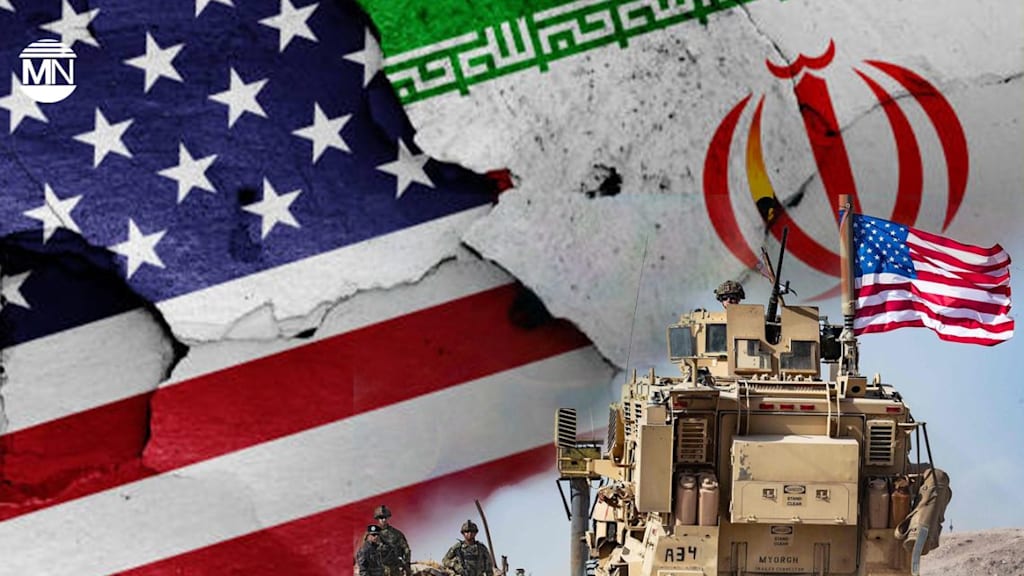
Did the U.S. Military Act Against Ceasefire? Rising Tensions in the Middle East
The question of whether the United States has acted against a ceasefire in the Middle East has become a major point of debate amid rising regional tensions. Recent developments involving United States and Iran have intensified scrutiny over military actions, diplomatic commitments, and the fragile state of peace efforts.
Background: A Fragile Ceasefire Environment
Ceasefires in the Middle East have historically been difficult to maintain, especially in conflicts involving multiple actors and shifting alliances. In recent months, indirect confrontations between the United States and Iran, along with regional partners, have created a volatile situation. While there have been calls for de-escalation, no fully stable or universally recognized ceasefire has been firmly in place between the two nations.
This makes the central question more complicated: Can actions be considered a violation of a ceasefire if a formal agreement is unclear or disputed?
Recent Military Actions and Controversy
Reports of U.S. military activity—ranging from naval operations to targeted enforcement measures—have sparked criticism from various quarters. One notable incident involved U.S. forces intercepting and seizing an Iranian-linked vessel in a strategic waterway. Supporters of the move described it as a lawful enforcement action, while critics argued it risked undermining diplomatic efforts and informal understandings aimed at reducing tensions.
From Washington’s perspective, such actions are often framed as necessary steps to protect international security and maintain freedom of navigation. However, from Tehran’s viewpoint, these moves can be interpreted as aggressive and destabilizing.
Ceasefire or Strategic Pause?
A key issue lies in the nature of the so-called “ceasefire.” In many cases, what is described publicly as a ceasefire may actually be a temporary reduction in hostilities rather than a binding agreement. Without clear terms, enforcement mechanisms, and mutual trust, both sides may continue limited operations while claiming adherence to peace efforts.
This ambiguity allows both sides to present their actions as justified. The United States may argue it is acting within its rights, while Iran may claim those same actions violate the spirit—if not the letter—of de-escalation.
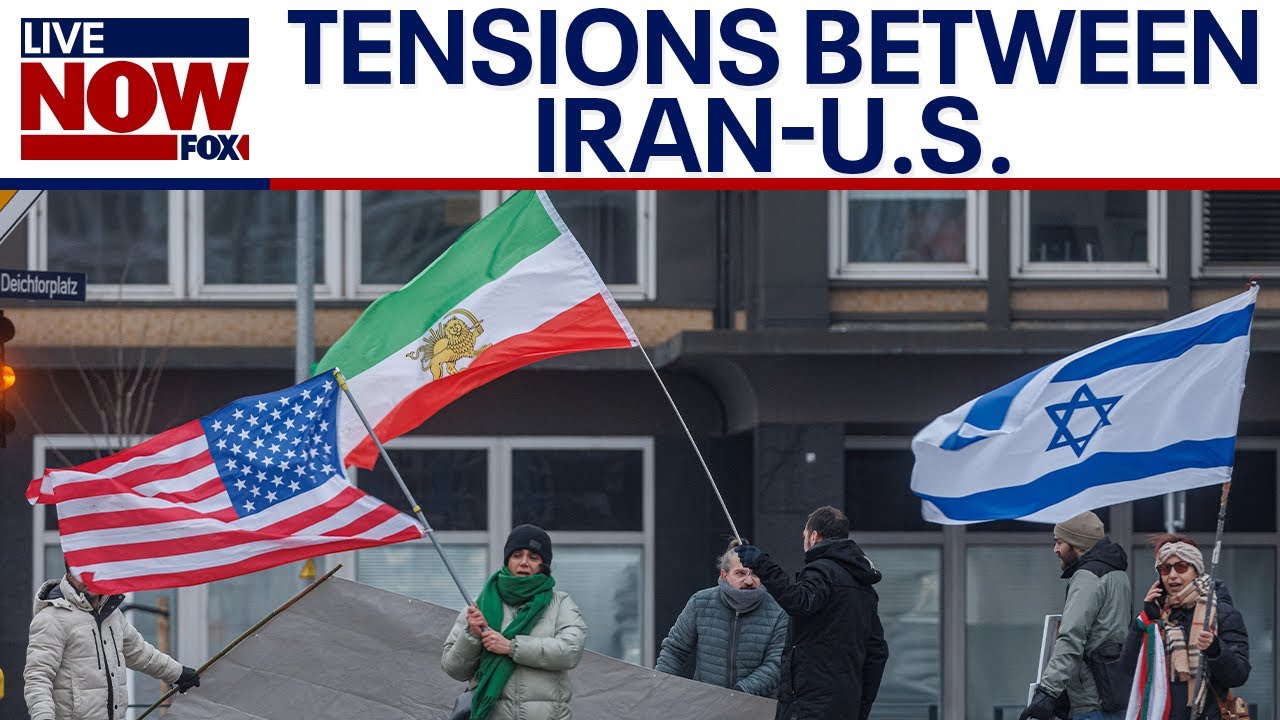
Political Messaging and Perception
Statements from political figures, including Donald Trump, have further complicated public understanding. Strong rhetoric, such as claims of overwhelming success against Iran, can blur the line between political messaging and on-the-ground reality.
Such language often aims to project strength domestically and internationally but may also increase tensions by hardening positions on both sides.
Regional and Global Implications
The implications of perceived ceasefire violations are significant. Even limited military actions can:
- Trigger retaliatory responses
- Undermine diplomatic negotiations
- Increase instability in critical regions like the Persian Gulf
- Affect global energy markets and trade routes
Neighboring countries and global powers are closely monitoring the situation, as any escalation could draw in additional actors and expand the conflict.
International Response
The international community has largely called for restraint. Diplomatic channels remain open, but progress has been slow. Organizations and allied nations have urged both the United States and Iran to clarify their positions and recommit to de-escalation.
There is also growing concern that repeated incidents—whether intentional or accidental—could spiral into a broader confrontation, especially in the absence of a clearly defined ceasefire framework.
Conclusion
So, did the U.S. military act against a ceasefire?
The answer depends largely on how the ceasefire itself is defined. In the absence of a clear and binding agreement, recent U.S. actions may not technically violate a formal ceasefire—but they do risk undermining efforts to reduce tensions.
As the situation continues to evolve, one thing remains certain: the Middle East stands at a delicate crossroads, where even small actions can have far-reaching consequences.
About the Creator
Zain writes
I am a writer, and I write these words for all of you, my readers, who appreciate meaningful and thought-provoking content.
Enjoyed the story? Support the Creator.
Subscribe for free to receive all their stories in your feed.
Comments
There are no comments for this story
Be the first to respond and start the conversation.