
Can Pakistan Facilitate Talks Between Iran and the U.S.?
In War

Introduction
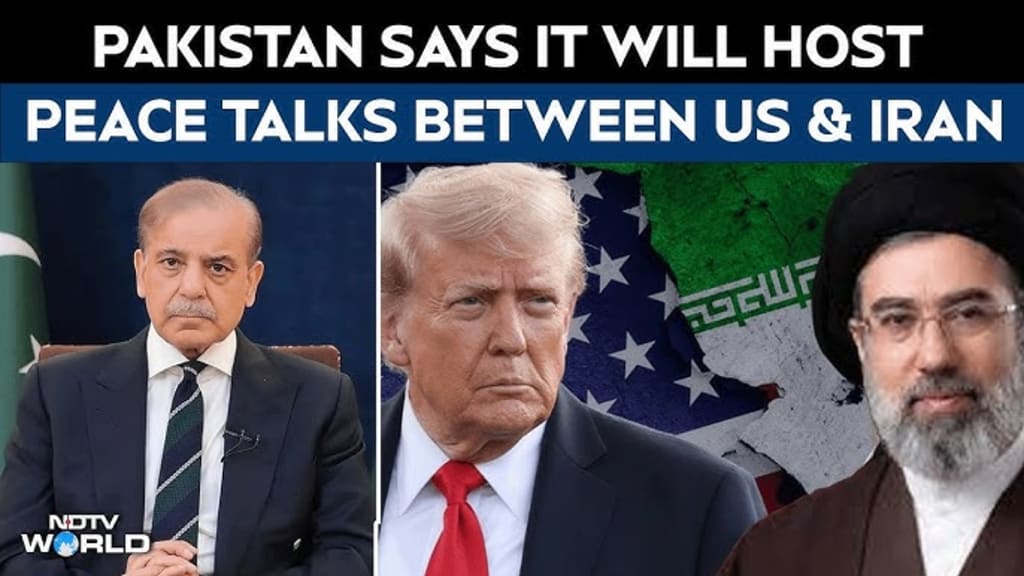
In recent months, Pakistan has emerged as an unexpected yet significant player in global diplomacy. Amid rising tensions between the United States and Iran, Islamabad has stepped forward to act as a mediator, attempting to bring the two long-time adversaries to the negotiating table. This raises an important question: can Pakistan realistically facilitate meaningful talks between Iran and the U.S.?
Historical Context of U.S.–Iran Relations
The relationship between the United States and Iran has been strained for decades, especially since the 1979 Iranian Revolution. Since 1980, the two countries have had no formal diplomatic relations and communicate indirectly through intermediaries. �
Wikipedia
Over the years, multiple efforts have been made to ease tensions, but deep mistrust, geopolitical rivalries, and disagreements over Iran’s nuclear program have prevented lasting peace. In this context, third-party mediators have often played a crucial role.
Why Pakistan?
Pakistan’s involvement as a mediator is not entirely surprising. It shares a border with Iran and maintains working relations with both Tehran and Washington. This unique position allows Pakistan to serve as a bridge between the two sides.
Recently, Pakistan has actively conveyed messages, hosted meetings, and coordinated with regional and global powers to reduce tensions. �
Global Affairs
Moreover, Pakistan’s leadership—including its political and military establishment—has taken steps to facilitate dialogue and prevent escalation. This reflects Islamabad’s desire to play a constructive role in regional peace and stability.
Recent Developments
AP News
Reuters
What to know about Pakistan's army chief and his role as mediator between Iran and the US
Turkey urges "constructive" U.S.-Iran talks to end war
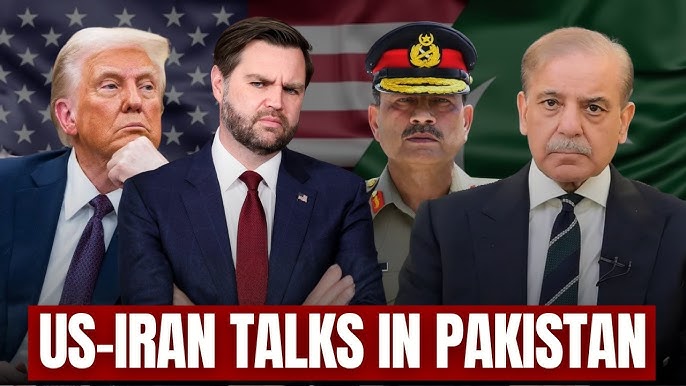
Recent reports suggest that Pakistan has already hosted or facilitated initial rounds of discussions between U.S. and Iranian officials. High-level diplomatic engagement, including backchannel communications, has kept dialogue alive even when formal talks stalled. �
AP News
There are also indications that further negotiations could take place in Pakistan, although no confirmed schedule has been announced. �
The Times of India
Additionally, regional actors such as Turkey and Saudi Arabia are supporting these efforts, highlighting Pakistan’s growing role in multilateral diplomacy. �
Reuters
Opportunities for Pakistan
Pakistan’s mediation efforts present several opportunities:
1. Strategic Influence
By facilitating talks, Pakistan can enhance its global diplomatic standing and demonstrate its importance beyond South Asia.
2. Regional Stability
Reducing tensions between Iran and the U.S. would directly benefit Pakistan by stabilizing its western border and the broader Middle East.
3. Economic Benefits
Peace in the region could improve trade routes, energy cooperation, and investment opportunities for Pakistan.
Challenges and Limitations
Despite its potential, Pakistan faces serious challenges:
1. Deep-rooted Distrust
The U.S. and Iran have fundamental disagreements, especially over nuclear issues and regional influence. These cannot be easily resolved through mediation alone.
2. Limited Leverage
Some analysts argue that Pakistan acts more as a “messenger” than a decisive mediator, lacking the power to enforce agreements. �
EuropaWire
3. Failed Negotiation Attempts
Recent talks hosted in Pakistan ended without a breakthrough, showing how difficult it is to bridge the gap between the two sides. �
The Times of India
4. Complex Regional Dynamics
Other countries, including China, Turkey, and Gulf states, also influence the process, making mediation more complicated.
Can Pakistan Succeed?
Pakistan’s success as a mediator depends on several factors:
- Willingness of both the U.S. and Iran to compromise
- Support from other regional and global powers
- Pakistan’s ability to maintain neutrality and trust
While Pakistan has successfully opened channels of communication and even contributed to temporary de-escalation, achieving a long-term agreement remains a far more difficult task.
Conclusion
Pakistan’s role in facilitating talks between Iran and the United States reflects its growing diplomatic ambition and strategic relevance. While it may not have the power to resolve all disputes, it has proven capable of bringing both sides to the table and keeping dialogue alive.
In a world increasingly shaped by conflict and competition, even this role is significant. Whether Pakistan can turn dialogue into lasting peace, however, will depend not only on its efforts but also on the willingness of the U.S. and Iran to move beyond decades of mistrust.
About the Creator
shaoor afridi
“I am a passionate writer dedicated to sharing informative, engaging, and well-researched articles. My goal is to provide valuable content that educates, inspires, and adds real value to readers.”
Enjoyed the story? Support the Creator.
Subscribe for free to receive all their stories in your feed.
Comments
There are no comments for this story
Be the first to respond and start the conversation.