
Will a Hair System Stay On While Swimming? How to Prepare Your Unit Step-by-Step
Swimming with a Hair System: 2026 Guide to Waterproofing

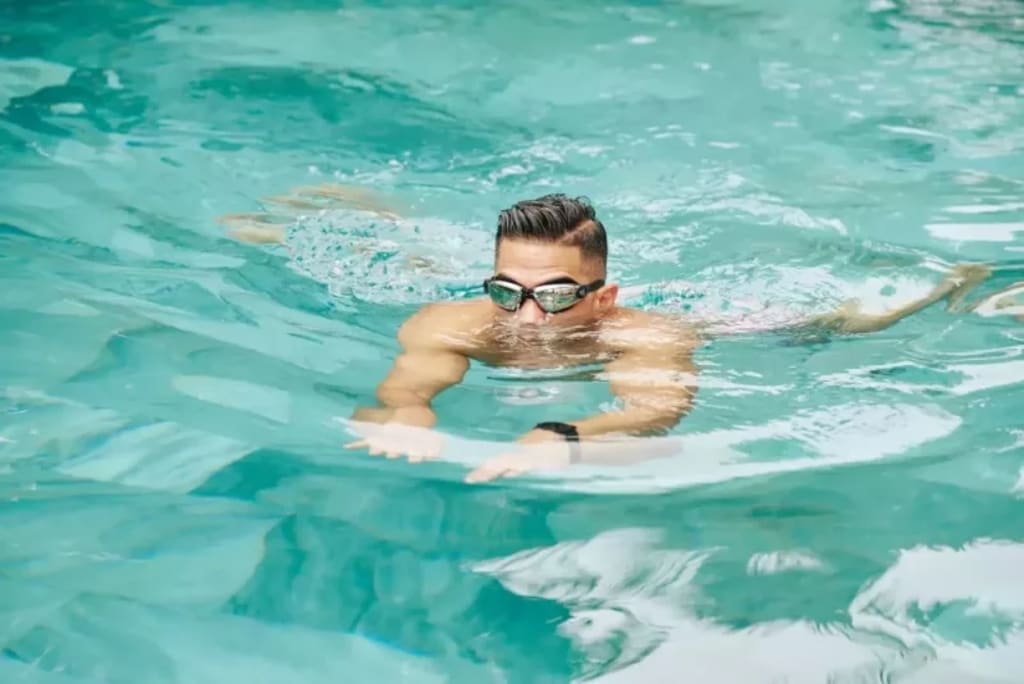
Will a Hair System Stay On While Swimming? How to Prepare Your Unit Step-by-Step
A hair system can easily stay secure while you swim, as long as you've got an attachment meant for water exposure. Things like installation quality, the adhesive you pick, pool chemicals, saltwater, heat, and even humidity all play a part in your hold strength.
Lordhair is all about supporting an active lifestyle, so you can hit the water with complete confidence while knowing exactly what keeps your attachment safe.
Key Takeaways
Wait 24 to 48 hours before swimming to fully cure adhesive.
Choose waterproof adhesive suited to your hair system base.
Rinse immediately with fresh water after swimming to remove chlorine or salt.
Key Factors That Influence Hair System Hold Strength in Water
Water doesn't decide your hair system's security all on its own. A solid attachment starts with the bond, then shifts based on body heat, moisture, scalp oils, and the type of water you're getting into.
If you have an active lifestyle, focus on what actually affects hold strength instead of treating every single swim the exact same way.
Installation Quality and Adhesive Type Selection
How well you install the system sets the baseline for water resistance. Your waterproof adhesive needs to match the hair system base, your skin type, and your activity level. Tape and liquid adhesives just don't work for every base or routine equally.
A clean, dry scalp and even contact across the bonding area create a secure attachment. Pressing down those edges without leaving wrinkles or gaps is a big deal, mainly because water can sneak right into the bond through any exposed spots.
Always follow the adhesive brand's application and set-time instructions. Rushing that initial bond can leave you with weak contact right before you dive in.
Climate, Humidity, and Scalp Oils
Heat and humidity can make you sweat way before you even get to the pool. Sweat adds moisture right at the scalp, while natural oils build up between your skin and the adhesive. Because of this, daily things like a hard workout might mean you need to pay closer attention to your bond.
Good scalp prep helps create a much cleaner surface for attachment. Start with a scalp completely free of oil and old product residue, then keep that area as dry as you realistically can during installation.
Your personal habits matter. Someone who sweats a ton in warm weather probably needs a bonding routine built specifically for that issue.
Water Environment: Chlorine vs. Saltwater vs. Fresh Water
Chlorine and saltwater put completely different demands on your adhesive bond. Pool water is full of harsh chemicals, while saltwater leaves behind mineral salt as it dries. Both can really change how that bond holds up over repeated water exposure.
Fresh water doesn't have pool chlorine or ocean salt, but the time you spend in it still counts. Long swims and constant dips just give the water way more chances to reach the edges of your hair system.
Pick an attachment plan based on the water you're in the most, not just a random vacation swim. If you're someone who constantly jumps between pools and the ocean, you'll want to factor that into your adhesive choice.
The Timeline Prep: How to Prepare Your Unit Before Swimming
A safe swim starts before you even hit the pool or beach. You need to give the attachment time to set, prep a clean bonding surface, and protect the hair from getting soaked.
Here's how to prep your hair system for the water. It helps Lordhair wearers live an active life with way more confidence.
Step 1: The Critical 24 to 48 Hour Curing Window
Wait 24 to 48 hours after putting on your hair system before going for a swim. This time lets the glue fully cure. It builds a much stronger hold between your scalp and the base.
Wondering how long you should wait? Try to use the full 48 hours if you can, especially when it's hot out or right before a long pool or ocean day. Heat, sweat, chlorine, and saltwater all push moisture around the bond. So, a fully cured attachment gives you a much better starting point.
Make sure to check the instructions for your specific glue, too. Let its recommended set time guide your schedule.
Step 2: Thorough Scalp Preparation and Base Bonding
Always start a new attachment with a clean, dry scalp that has zero oils, sweat, or old glue residue. Prepping your scalp is a big deal. The glue needs direct contact with your skin, not a layer of moisture or styling product.
Put on your waterproof glue in thin, even layers. Let each layer dry exactly as directed before putting the hair system on. Press the base down carefully. Pay close attention to the hairline and edges, since that's where water usually hits the bond first.
Don't rush this part. Smooth contact right across the base keeps the hold strong while you swim.
Step 3: Pre-Water Hair Fiber Conditioning
Gently detangle the hair before getting it wet. Start at the ends and work your way up. Yanking through knots puts a lot of unneeded stress on the hair system, especially when the hair gets wet.
Use a light leave-in conditioner on the hair itself, but keep it far away from the base and bonded spots. Human hair really needs that extra moisture before hitting the pool or ocean. But if you have synthetic hair, only use products made for synthetic fibers. This tiny step keeps the hair feeling much smoother in the water.
Step 4: The Fresh Water Soak Pre-Rinse Hack
Soak the hair system with clean, fresh water right before you jump in. Hair that's already full of tap water doesn't have much room left to soak up chlorinated pool water or saltwater.
Wet the hair evenly from the roots down to the ends, but don't scrub the glued edges. This quick pre-rinse is an easy habit that makes your swim way more comfortable. Plus, it keeps the hair fibers easy to manage.
Understanding Fiber Types in Water: Human Hair vs. Synthetic
Pool and ocean water mess with hair fibers in totally different ways, even if two hair systems look identical right out of the box. Both chlorine and saltwater can actually change how the hair feels and acts while you're swimming.
Understanding the difference between synthetic and human hair helps first-time wearers pick the right care routine. This way, you can stay active and confident wearing your Lordhair hair system.
Human Hair Systems Under Water Exposure
Because human hair soaks up water, pool chemicals and ocean salt can leave the strands feeling a bit dry and rough. Chlorine strips away moisture, and saltwater makes wet hair a real pain to untangle. You'll usually spot this change the most on longer styles and down at the ends.
Before you swim, gently untangle the hair working from the ends up. Put a little leave-in conditioner on the lengths for extra moisture, but make sure to keep it away from the base and any bonded areas. Also, getting the hair wet with fresh water before jumping into the pool or ocean actually limits how much chlorine or salt it can soak up. Simple trick.
Synthetic Hair Systems and Chemical Resistance
Synthetic fibers don't soak up water like human hair does. So, chlorine and saltwater usually don't mess with their moisture levels nearly as much. This makes synthetic hair a really smart choice for swimmers who want a style that stays consistent when things get wet.
But chemical resistance doesn't mean you can just throw any hair product at synthetic fibers. You need to use products specifically made for synthetic hair. Regular formulas built for human hair can weigh the fibers down or ruin their natural finish. Just like with human hair, gently untangling everything before a swim helps keep the fibers neat and easy to deal with.
High-Impact Water Activities: Diving, Waves, and Physical Motion
A well-fitted hair system easily handles an active lifestyle, including swimming and water sports. How secure it stays mostly depends on the installation, the current state of your bond, and things like heat, humidity, and heavy water movement.
Lordhair wearers can feel totally confident in the water just by taking some pressure off the front hairline.
Managing Dynamic Water Pressure During Water Sports
Can you dive into a pool wearing a toupee? Absolutely, as long as your system is securely attached and you've double-checked the bond beforehand. Diving, jumping into waves, and swimming fast will push water straight against your front hairline. That's where the drag hits hardest.
You can cut down on that force by jumping in feet first whenever you can and skipping the constant head-first dives. When you're swimming laps, try to keep your strokes smooth instead of whipping your head back and forth. Plus, a shorter, close-fitting haircut catches way less water than long, loose styles. These simple habits keep things secure while you're splashing around.
Accessory Backup: When to Use Swim Caps or Headwear
A swim cap acts as a great physical barrier if you're dealing with rough surf, fast laps, or constant splashing. Just pick one that fits snug without yanking on your hairline or snagging loose strands of hair.
Want to stop your wig from tangling while you swim? Gently brush it out before sliding the cap on, and make sure to tuck any longer pieces inside. A soft headwrap or a tight swim cap also keeps the hair from blowing around in the waves. It helps your hair system stay neat so you can just focus on enjoying the water.
Post-Swim Recovery Routine: Step-by-Step System Care
Rinse your hair system with fresh water right after you leave the pool or ocean. This quick habit gets rid of chlorine and saltwater before they settle on the hair and scalp. Simple.
Good maintenance keeps your Lordhair system feeling clean and easy to manage. That way, swimming stays a fun part of your active, confident life.
Immediate Fresh Water Flushing
Fresh water is the very first thing your hair system needs post-swim. Just jump in the shower or use clean running water to rinse from the scalp down to the ends. Let the water wash away those harsh pool chemicals and ocean salt.
Use your fingertips lightly instead of scrubbing the base or hairline. Chlorine and salt make hair feel dry and crunchy, so a solid rinse keeps things soft without messing up the attachment.
Clarifying and Washing Without Disrupting the Bond
If your system needs more than just a rinse, wash the strands with a gentle, residue-free cleanser. Put the shampoo mostly on the mid-lengths and ends, then let the bubbles run down as you rinse. Don't rub shampoo right into the bonded edge.
Keep oils, heavy conditioners, and adhesive removers far away from the base—unless you're doing a full maintenance day. Not sure which cleanser works best? Just follow the advice from your installer or check the product label.
Deep Hydration and Detangling Protocol
Bring back moisture by putting a light leave-in conditioner on damp hair. Just don't put it right on the base. Focus on the lengths and ends where the pool water makes strands rough. Only use enough product to help the comb slide through. That's it.
To stop a wig from tangling during and after a swim, start at the bottom with a wide-tooth comb or a soft detangling brush. Hold the hair near the root while working your way up in small sections. This way, you aren't tugging on the attachment.
Beach Bag Readiness: Essential Items for Active Water Wearers
Packing a small beach bag helps keep your hair system neat and comfortable during a long day at the pool or ocean. Having the right supplies means your attachment stays secure. It won't turn your fun swim into a boring maintenance chore.
Lordhair wearers just need to pack a few lightweight care tools. After that, you can focus on enjoying the water with total confidence.
Quick-Fix Touch-Up Kit Essentials
Throw in a small mirror, clean cotton swabs, and a few perimeter touch-up tabs or adhesive strips made for your hair system. These little items let you quietly check your hairline after swimming, sweating, or drying off with a towel.
Store your supplies in a sealed pouch so sand and water don't ruin them. If you use waterproof adhesive, just bring the touch-up product your installer recommends and follow the directions. And remember to keep lotions, sunscreen, or leave-in products away from the bonded edge.
Protective Styling Tools for Water Excursions
Don't forget a wide-tooth comb or a soft detangling brush for the lengths and ends of your hair. Start at the tips. Then, gently work your way up in small sections to loosen any tangles without pulling near the base.
A light leave-in conditioner really helps the hair stay soft after dealing with saltwater or chlorine. Just spray it on the mid-lengths and ends—never the attachment area—and comb it through gently. If you have longer hair, tie it loosely or use a soft fabric band. That keeps it from rubbing against your towels and beachwear.
Unlocking Active Freedom with Lordhair Solutions
A Lordhair hair system fits right into swimming, heavy workouts, and your normal daily activities—as long as the installation actually matches your routine. How well it holds up comes down to a clean, careful application, the specific adhesive your installer picks, and outside factors like heat, humidity, sweat, and how much time you spend in the water.
Pick a setup based on how much you exercise or swim. Then, just stick to the care plan provided for your specific attachment. Make sure to dry the hair gently after you get out of the water, and don't pull at the bonded edge. This kind of steady care lets you power through active days with total confidence. The final questions cover the practical stuff first-time wearers usually want to know.
Frequently Asked Questions About Swimming with a Hair System
Can you swim with a hair system?
Yes. A properly fitted system with waterproof adhesive can handle swimming.
How do you keep a wig secure while swimming?
Use a fully cured waterproof bond. A snug swim cap helps in rough water.
Does chlorine damage hair systems?
Yes. Chlorine dries hair fibers and can weaken bonds over repeated exposure.
How long should you wait to swim after attaching a hair system?
Wait 24 to 48 hours. Use the full 48 hours before a long swim.
What is the best adhesive for swimming with a hairpiece?
Waterproof adhesive matched to your base and skin type. There is no universal best.
Can you do daily activities with a hair system?
Yes. Exercise, showers, and swimming are fine with a secure attachment.
How do you protect a wig from salt water?
Wet it with fresh water first, then rinse immediately after swimming.
How do you care for a hair system after swimming?
Rinse with fresh water right away. Remove chlorine or salt before it dries.
About the Creator
Leo
Passionate men's hairstylist with a keen eye for detail and a knack for creating on-trend looks. Dedicated to delivering hair restoration education that enhances individual style.
Enjoyed the story? Support the Creator.
Subscribe for free to receive all their stories in your feed.
Comments
There are no comments for this story
Be the first to respond and start the conversation.