
The Quiet Reinvention of High Heels: From Power Symbols to Personal Expression in Modern Fashion
Where heritage craftsmanship meets modern femininity, and high heels evolve from symbols of status into expressions of identity and meaning.

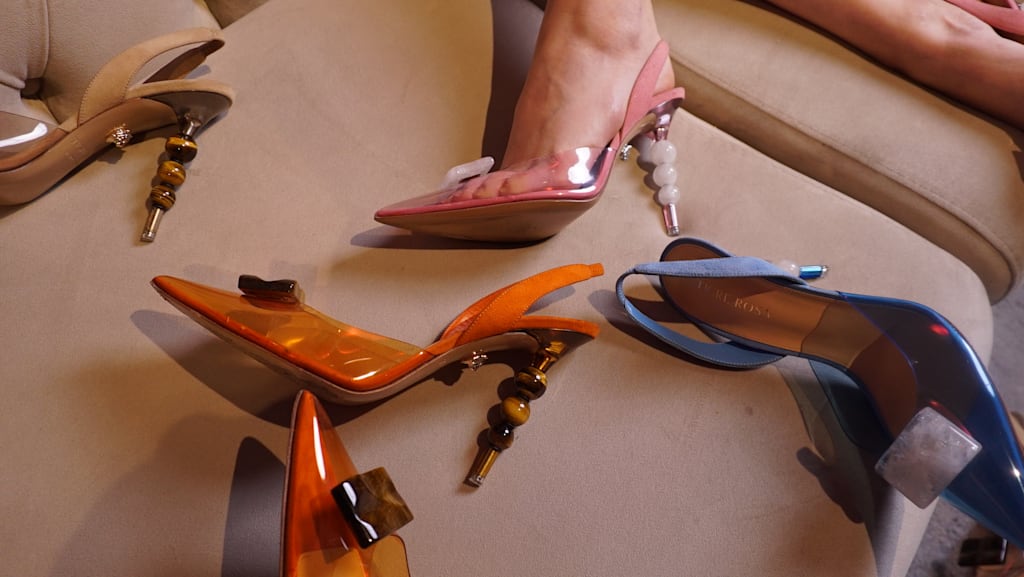
High heels have always been more than just shoes. For centuries, they’ve moved between categories—status symbol, cultural marker, fashion staple, and sometimes even controversy. What remains consistent is their ability to reflect the values of the time they exist in.
Today, however, something subtle is happening. High heels are no longer treated as an automatic part of getting dressed. Instead, they’ve become intentional—chosen for mood, occasion, or self-expression rather than expectation. In that shift, brands like Tigre Rosa quietly reflect where footwear culture is heading: less about performance, more about meaning.
A history shaped by meaning, not just fashion
The earliest versions of elevated footwear can be traced back to ancient Egypt, where raised shoes were worn by both men and women in higher social classes. These weren’t fashion statements in the modern sense—they were markers of status and distinction.
By the Renaissance, heels had entered European courts. Figures such as Catherine de Medici helped bring them into aristocratic fashion, where they quickly became associated with refinement and privilege.
Later, in the court of Louis XIV, heels became even more symbolic. His red-heeled shoes weren’t just decorative—they were a clear expression of power and exclusivity.
Then came disruption. The French Revolution rejected the visual language of aristocracy, and heels temporarily disappeared from mainstream fashion. When they returned in the 19th century, they had transformed again—this time becoming more closely associated with femininity than status.
The modern silhouette and cultural peak
The 20th century refined the high heel into what we recognize today. The stiletto introduced a sharper, more dramatic silhouette that emphasized posture and movement. Hollywood amplified its influence. Figures like Marilyn Monroe and Audrey Hepburn helped turn heels into cultural symbols of elegance and allure.
At the same time, Italy quietly shaped the technical foundation of luxury footwear. Brands such as Gucci, Prada, and Salvatore Ferragamo elevated shoemaking into a craft discipline—balancing design, structure, and artistry in ways that still define luxury standards today.
The shift we’re living through now
In the past decade, high heels have started to lose their “default” status. Not because they’ve disappeared, but because they’ve become optional.
Work culture has changed. Comfort has become culturally acceptable. Sneakers and flats have moved into spaces that once required formality. And most importantly, personal style has become less about adherence and more about choice.
Heels still exist in fashion, but their meaning has softened. They are no longer worn because they are expected—they are worn when they feel right.
Tigre Rosa and the idea of emotional footwear
Within this changing landscape, Tigre Rosa sits in an interesting space. Founded by Reema Al Khatib, the brand leans into contrast rather than convention—strength and softness, structure and symbolism, elegance and restraint.
Instead of treating heels purely as aesthetic objects, Tigre Rosa incorporates natural materials like Tiger Eye and Clear Quartz into its designs. These details aren’t meant to overpower the shoe, but to add a layer of meaning—ideas like clarity, balance, and inner confidence.
The result is less about making heels louder, and more about making them feel personal.
Why craftsmanship matters again
Luxury fashion has always valued craftsmanship, but the meaning of “luxury” itself is shifting. It’s no longer just about price or visibility. Increasingly, it’s about intention—why something exists, and how it connects to the person wearing it.
Italian shoemaking plays an important role here. It represents continuity in a fast-moving industry. Tigre Rosa builds on that tradition, but filters it through a more emotional lens rather than a purely aesthetic one.
Where high heels stand now
High heels are no longer at the center of everyday fashion, but they haven’t lost relevance. Instead, they’ve changed category.
They are no longer uniform symbols of femininity or status. They are situational—sometimes powerful, sometimes playful, sometimes completely absent from a wardrobe.
That flexibility might be their most modern trait.
Closing thought
The story of high heels is really a story about changing identity. What once signaled hierarchy now often signals individuality. What once represented expectation now represents choice.
And in that shift, brands like Tigre Rosa don’t redefine heels by making them louder—they reflect their evolution by making them more personal.
Fashion rarely moves in dramatic breaks. More often, it changes quietly—one step at a time.
About the Creator
Enjoyed the story? Support the Creator.
Subscribe for free to receive all their stories in your feed.
Comments
There are no comments for this story
Be the first to respond and start the conversation.