
Retro Geometrics: Bringing Soft 70s Pastels into Modern UK Interiors
How to blend vintage nostalgia with contemporary design using geometric patterns and muted colour palettes.

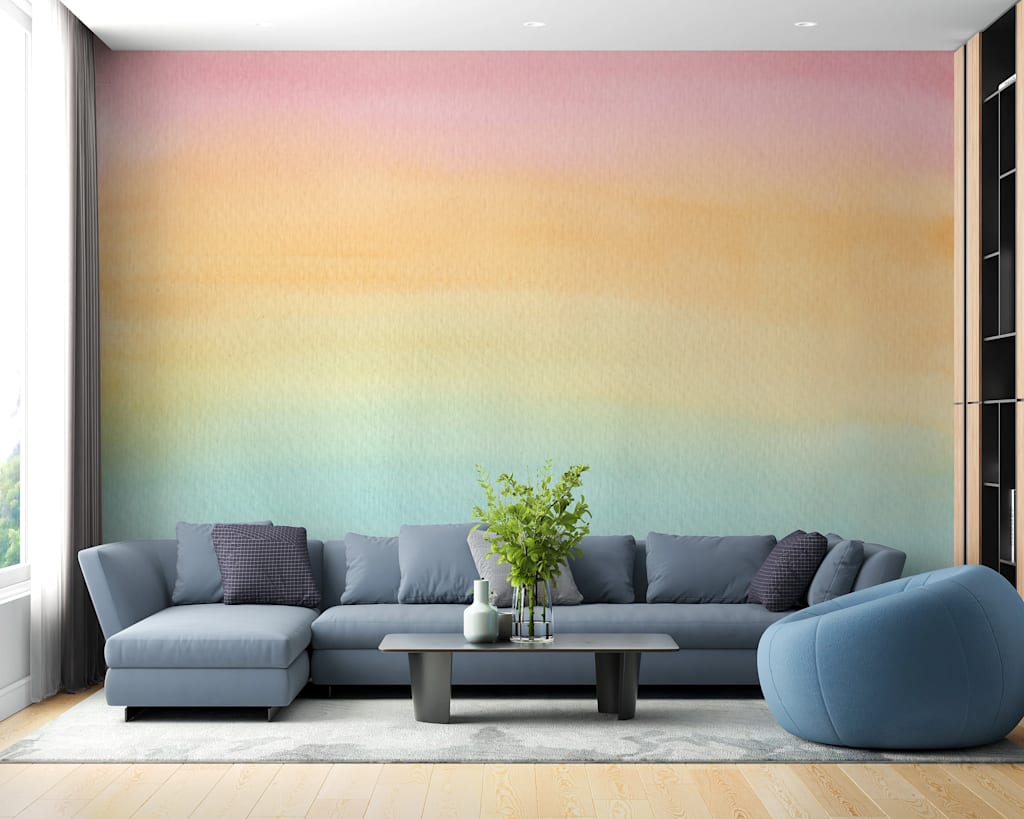
The Resurgence of Seventies Aesthetics
For decades, the design trends of the 1970s were often dismissed as overly loud, dominated by heavy brown hues, orange shag carpets, and chaotic prints. However, the design world is currently experiencing a massive revival of this era, albeit through a highly refined and modernised lens. Today, interior designers are stripping away the overwhelming clutter and heavy palettes of the past, choosing instead to focus on the era's most iconic and enduring contribution: geometric forms. By pairing these playful, structured shapes with lighter, airier palettes, decorators are successfully bringing vintage interior design into the twenty-first century.
The modern interpretation of the 1970s is characterised by restraint. Instead of covering every available surface in contrasting prints, homeowners are using specific, targeted areas to make a measured statement. This approach allows the fun, dynamic energy of the era to shine through without making the room feel like a museum exhibit. It bridges the gap between historical charm and the clean lines required for modern living.
Why the 1970s Work Today
The appeal of retro geometric shapes lies in their inherent sense of movement and optimism. After years of designing stark, minimalist white boxes, people are eager to inject personality and warmth back into their homes. The curved arches, interlocking circles, and sharp chevrons typical of 1970s design provide immediate visual interest. When a muted palette softens these dynamic patterns, they create an environment that feels both energising and incredibly safe. This balance is exactly what modern homeowners are searching for in a post-minimalist world.
Mastering the Geometric Look
Introducing bold shapes into a room requires a thoughtful strategy, especially in British properties that may have smaller proportions or lower ceilings. The key to mastering this aesthetic is to let the pattern do the heavy lifting while keeping the surrounding furniture and decor relatively understated. If you choose a bold circular or hexagonal print for the walls, pairing it with low-profile, clean-lined mid-century modern furniture ensures the space remains sophisticated.
Balancing Shapes and Softness
The true secret to modernising the 1970s trend is the careful application of colour. Sharp angles and large-scale interlocking shapes can feel aggressive if rendered in high-contrast primary colours; however, when you execute these exact same patterns using a pastel wallpaper, the entire atmosphere of the room shifts. Soft mint greens, warm peaches, pale lavenders, and buttery yellows naturally subdue the intensity of the geometric forms. This delicate combination of strong shape and gentle colour provides a sophisticated backdrop that does not overwhelm the senses.
Choosing the Right Base
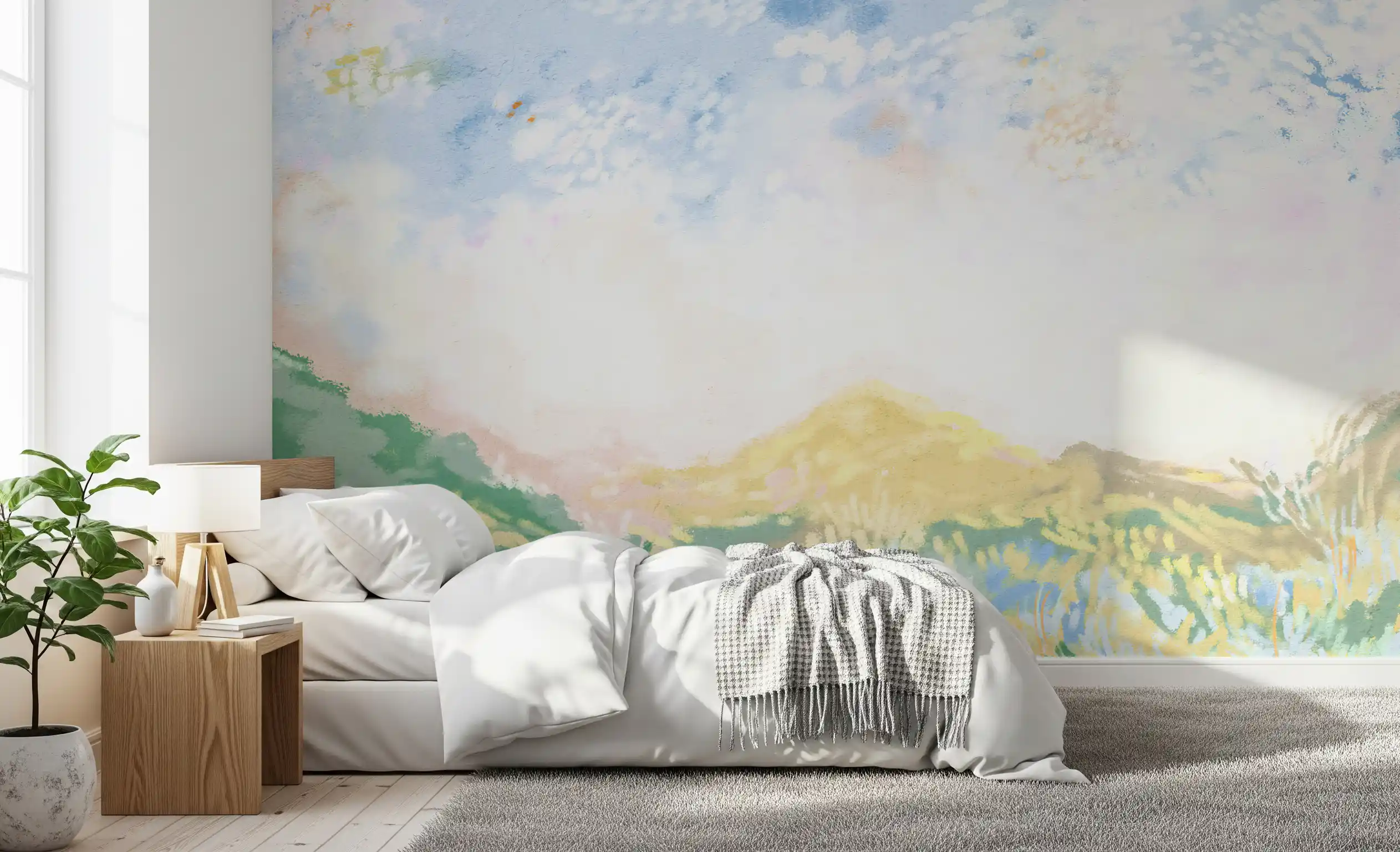
Building a cohesive room starts with the foundation of your walls. If you want to create a space that feels expansive and bright, selecting a high-quality soft colour wallpaper is the perfect starting point. The understated tones reflect natural light beautifully, which is particularly beneficial for south-facing rooms that receive plenty of afternoon sun.
For those living in modern flats or newly built houses, finding ways to add architectural character is a common challenge. Introducing a large-scale pastel wall mural featuring sweeping 1970s arches or oversized retro curves instantly provides the room with a sense of history and depth that flat paint cannot achieve. Furthermore, the rising demand for pastel wallpaper UK designs proves that this specific blend of nostalgia and modern colour theory is perfectly suited to the unique lighting conditions and architectural quirks of British homes.
Perfecting the Bedroom Sanctuary
The bedroom is the ultimate space for relaxation, making it the ideal candidate for muted, nostalgic styling. When designing a restful sleep space, the goal is to lower the heart rate and clear the mind. High-energy patterns can disrupt this process, but the right combination of vintage structure and soft hues can enhance it.
By applying a dreamy pastel wallpaper to the room, you establish an ethereal, calming envelope. The repetitive nature of geometric shapes—like soft, repeating waves or gentle overlapping circles—creates a visual rhythm that is inherently soothing. If you prefer to keep the majority of the room neutral, installing a specific pastel mural for bedroom walls directly behind the headboard offers a stunning focal point. This anchors the bed and provides a beautifully tailored, custom feel to your personal sanctuary without causing visual fatigue.
Creating Visual Interest in Living Spaces
In open-plan living areas, delineating different zones can be difficult. A highly effective method for defining a specific area, such as a dining nook or a cosy reading corner, is the strategic use of a pastel feature wall. By confining the retro geometric pattern to a single architectural plane, you draw the eye and establish a clear boundary without needing physical room dividers.
Similarly, if you have a chimney breast or an awkward alcove, turning it into a pastel accent wall highlights the home's unique features rather than trying to hide them. You can learn more about creating room focal points to understand how contrasting surfaces guide the flow and energy of a living room. This targeted approach allows you to experiment with fun, 1970s-inspired aesthetics in a highly controlled, elegant manner.
FAQs:
Q.1 How do I style mid-century furniture with retro geometric walls?
Ans. Keep the furniture lines clean and simple. Choose pieces with tapered wooden legs and neutral upholstery, such as cream boucle or tan leather. This allows the geometric patterns on the walls to stand out without competing with heavily detailed furniture.
Q.2 Will pastel colours make my living room look like a nursery?
Ans. Not if you choose the right patterns and complementary decor. Pairing soft colours with sophisticated, structured 1970s geometric shapes instantly elevates the look. Additionally, incorporating mature textures like brass lighting fixtures, natural wood grains, and dark velvet accents grounds the space and removes any juvenile connotations.
Q.3 Are large geometric patterns suitable for small rooms?
Ans. Yes, but the scale and colour matter immensely. In a small space, an oversized pattern in muted, light tones can actually make the walls feel further away, creating the illusion of more space. Avoid high-contrast or very dark geometric prints in compact rooms, as they can feel enclosing.
Q.4 How do I mix and match different pastel shades in one room?
Ans. Stick to colours with a similar undertone and saturation level. For example, a warm blush pink pairs beautifully with a soft, warm apricot or pale lemon. Use a colour wheel to find analogous colours (colours next to each other on the wheel) for a harmonious, blended aesthetic.
Conclusion:
The revival of 1970s geometric design proves that great design is truly cyclical. By abandoning the heavy, oppressive colours of the past and embracing light, airy palettes, we can enjoy the dynamic movement of retro shapes in a completely fresh way. Whether you are aiming to create a calm, rhythmic sanctuary in your bedroom or a vibrant, conversational focal point in your living room, combining structured vintage patterns with soft hues offers a sophisticated, highly customisable solution. It is a joyful, optimistic approach to interior decorating that perfectly balances historical nostalgia with the demands of modern living.
About the Creator
Giffywalls UK
Find amazing high-quality wallpapers for your home decoration. Buy Peel and Stick Wall Decorating Wallpaper and Murals on Giffywalls UK.
Enjoyed the story? Support the Creator.
Subscribe for free to receive all their stories in your feed.
Comments
There are no comments for this story
Be the first to respond and start the conversation.