
How to Extend the Lifespan of Your Hair System Adhesives and Wigs
How to Prolong Hair System's Life

How to Extend the Lifespan of Your Hair System Adhesives and Wigs
A Hair System's lifespan isn't just about hair quality. It really depends on how the base materials and adhesive bonds work together. Human Hair Systems on lace or poly bases age differently since each base grabs onto the adhesive in its own specific way. Once that bond gets weak, shedding and lifting kick in. Understanding how this works points right back to chemical stability during your daily maintenance.
Key Takeaways
- Store adhesives in dark, airtight containers at 18–24°C to prevent chemical breakdown and maintain bond strength.
- Avoid heavy oils and strong alcohol toners; always apply a scalp protector to block sweat and sebum.
- Remove adhesive gently by blotting lace or rolling residue off poly bases to prevent material damage.
- Apply knot sealers to minimize shedding and use UV-protectant conditioners to keep hair fibers flexible.
- Rotate between two hair systems to allow resting and resetting, which significantly extends their overall lifespan.
- Use the "four-finger rule" above the eyebrows to ensure precise, natural-looking hairline placement.
The Science of Longevity: Why Adhesives and Bases Fail
Cost control and maintenance stress pull you in totally opposite directions. Spending less on Hair System Glue sounds like a smart move up front. But weak Adhesive bonds fail much faster, and that just drives up repeat service time. The real issue here is chemical breakdown. Sweat, heat, and Sebum act like a slow Solvent exposure. They soften the bond until the lifting starts—which happens a lot faster on poly bases, though it's more gradual on lace thanks to better airflow. Once that chain reaction kicks off, hold time drops from weeks straight down to days. So, to hit the brakes on that decay, proper storage is your very first lever.
Maximizing Shelf Life: The Adhesive Storage Hack
Keeping temperatures stable really stretches out your bond strength. Most Water-based Glues do their best work sitting between 18–24°C. When things get too hot, the formula thins out and cuts the usable life short. On the flip side, sudden cold swings cause the mixture to separate. That leaves you with an uneven spread and annoying weak spots on both lace and poly bases.
Airtight Storage stops oxidation dead in its tracks. As soon as air sneaks in, the adhesive gets thick and loses its tack. Seal those lids tight, and seriously, don't leave Walker Tape rolls sitting out in the open during busy service hours. Even a few minutes of exposure really adds up over the week.
You also need to watch your lighting. Direct UV rays destroy active bonding agents. Stash your glues and tapes inside a dark drawer instead of leaving them out on an open station. Simple.
Good storage handles half the battle. But it only pays off if you prep the scalp correctly right after.
Recognizing Chemical Red Flags in Daily Care
Alcohol-based products fast-track bond failure. Using strong Alcohol-based toners too often dries out the scalp. After that, it triggers a rebound of Sebum that ruins the Adhesive grip. You'll definitely notice this slipping on smooth poly surfaces.
Heavy oils are notorious for causing Residue Build-up. The oils dropping from leave-ins or scalp serums end up getting trapped right between the base and the glue, creating slip. If you're working with lace, this looks like a gradual lift. But on poly, it often triggers sudden edge peeling.
Using exactly the right cleansers matters, because improper Glue Removers leave a greasy film behind. If you don't scrub the area totally clean, that leftover film blocks fresh adhesion. The result? Patchy holds and angry, irritated skin. No exceptions.
Bottom line: clean chemistry equals a clean application. And that's exactly where true bond performance is made or broken.
The 3-Zone Maintenance Framework for Professionals
Think of a hair system like a high-end piece of clothing, not some cheap throwaway. Sticking to a solid 3-zone routine cuts down on lifting, leftover glue, and skin trouble. Plus, it makes the piece last longer. Grab the right Maintenance Tools, use a Specialized Conditioner, and figure out when to Reapply before things go sideways. It all starts right at the scalp. That's where bond strength is either made or broken.
Zone 1: Scalp Preparation and pH Balancing
Keep the scalp clean and balanced, and you can push your bond time up by 30%. Scalp Protectors put up a safe barrier for the skin to block out Excessive Moisture from sweat and heavy oils.
Put the primer on only after a deep wash and total dry-down. This keeps the skin from getting irritated and stops early lifting right off the bat, especially for active clients.
Zone 2: Protecting the Integrity of Newtimes Hair Bases
Taking off tape or glue needs to be slow and steady to keep Newtimes Hair bases safely intact. Got a Lace Front? Soak it in remover and just blot it. Don't pull it, or you'll rip the fibers right out. Simple.
With a Poly Base, you can gently roll the leftover gunk off, but just don't stretch the material. Integration Bases need a mix of both tricks and a lot more patience.
Zone 3: Fiber Preservation and Knot Sealing
When you deal with Shedding and Thinning, it almost always starts at weak knots. Spray on a solid knot sealer to lock those strands down tight. It stops a lot of the fallout when you wash the piece.
Regular sun exposure turns the hair Brittle and Dull fast. Use light protection sprays and a Specialized Conditioner to keep the strands soft, flexible, and looking completely natural.
Troubleshooting Common Adhesive Failures
Lifting, slipping, and that sticky, gooey residue usually happen because of bad prep work or picking the wrong product. Put too much Ghostbond on a lace front, and it'll seep through to create a weird shine. But if you don't use enough on a poly base, the edges will start lifting in just a few days. Scalp irritation usually pops up if the skin isn't totally dry or pH-balanced before you apply the glue. Fix the root cause first, then tweak your technique. Sweat and humidity are always the biggest troublemakers, so start right there.
Managing Environmental Stressors: Sweat and Humidity
Humidity damage breaks down glue fast, especially for people who stay active. You need a thin, even layer of waterproof wig glue, and you have to let every single coat cure completely before adding the next one. Grease buildup from natural scalp oils demands a proper degreasing step. Just use an alcohol wipe followed by a good scalp protector. That's it.
For gym-goers, you should shorten those wear cycles. Plan on quick clean-and-rebond sessions every 5 to 7 days. Lace always needs lighter glue layers, while poly can handle slightly thicker coats. But even with perfect technique, hair systems simply need a break to recover from all that constant moisture.
The Rotation Strategy: Why Two Systems are Better Than One
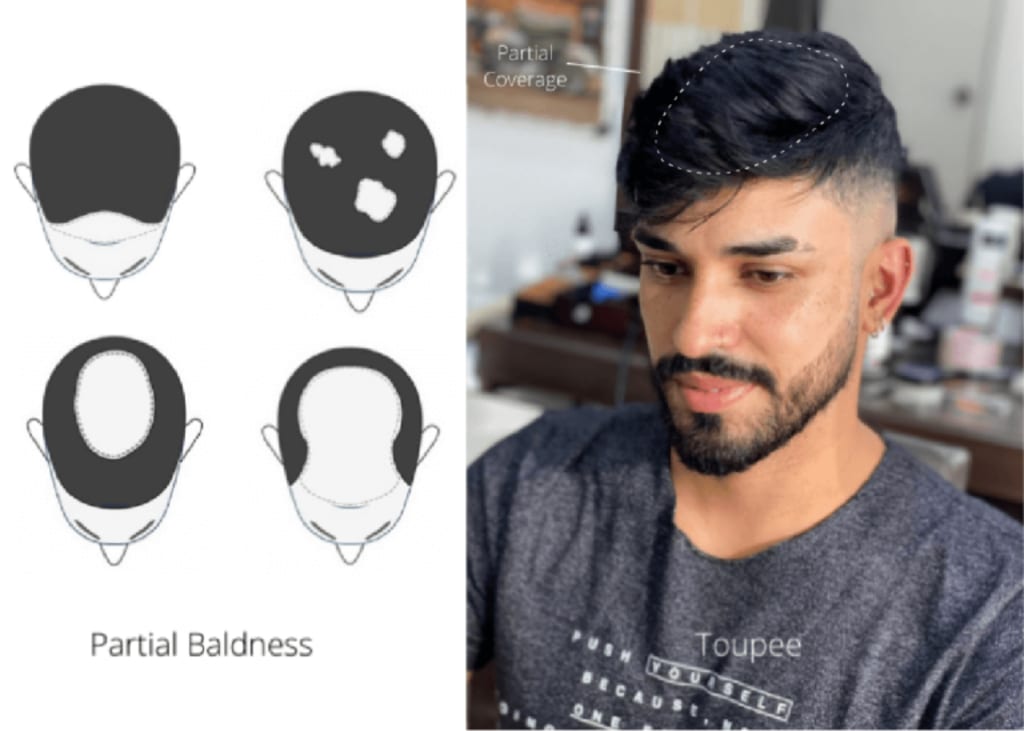
Using two systems cuts down the daily stress on a single unit and drops your failure rates. Just rotate between Custom Bases and Stock Systems or Toupees. This way, one can dry, get cleaned, and fully reset while you wear the other. It lowers overall skin irritation and keeps the bond strength solid across installs. Plus, it actually helps spread out your spending over time by making each unit last longer. Rotation naturally boosts hygiene, too. You get clean bases, fresh adhesive, and way fewer breakdown problems during long wear.
Professional Techniques for Newtimes Hair Application
Pulling off a natural-looking finish with Newtimes hair is all about control. Placement, pressure, and your product choices have to work together. Stylists who nail these application techniques deal with a lot less lifting and get much cleaner hairlines. This stays true even when clients sweat or humidity spikes. Take your time and focus on getting it right instead of rushing. That's the secret to keeping bonds tight and completely hidden. It all begins with dialing in the exact position. You do this by using the Four finger rule and lining the hairline up perfectly.
Precision Placement: The Four Finger Rule and Hairlines
Getting the hairline in the right spot sets the tone for the whole install. Use the Four finger rule. Just lay four fingers right above the client's eyebrows to mark exactly where the front of the toupee needs to sit. This keeps the hairline from sitting too low or looking fake.
Press the front edge down lightly first, then lock in the sides and back. Simple. Lace bases need thinner layers of adhesive so the glue doesn't seep through. Poly bases, though, can take slightly thicker coats for a stronger grip.
Always check the symmetry in a mirror before you completely bond it down. Making tiny adjustments early saves you from obvious mistakes later on. And that leads right into some of the most common questions and tweaks users ask about.
Frequently Asked Questions About Hair System Longevity
How often should you change your hair system glue?
Every 2-4 weeks. Sweat and sebum destroy the chemical bond fast. Wait longer and you risk lifting and base damage. Store your adhesive at 18–24°C or it degrades before you even apply it.
How long do natural hair toupees last vs. synthetic systems?
Human hair goes 3-6 months. Synthetics push longer but look plastic. The base material dictates the real timeline. Rotate two systems so they can rest. It literally doubles their lifespan.
How can I prevent my hair system from shedding and thinning?
Knot sealers. Use them. Avoid heavy oils and strong alcohol toners near the base. When removing adhesive, blot lace or gently roll residue off poly. Yanking it rips the hair right out.
What is the maximum hold time for waterproof wig glue?
Four weeks. Tops. Even industrial-grade waterproof formulas degrade from your body heat and oils. Use a scalp protector to block sweat. Push it past a month and you are begging for scalp irritation.
About the Creator
Emma Smith
explores the latest trends in hair, hairstyles, and hair systems, creating insightful content that blends fashion, innovation, and confidence.
Enjoyed the story? Support the Creator.
Subscribe for free to receive all their stories in your feed.
Comments
There are no comments for this story
Be the first to respond and start the conversation.