
Face Shape Science: I'm shopping for a bold bald wig that looks natural—what styles or textures should I consider?
How to Choose the Best Wig for Your Face Shape

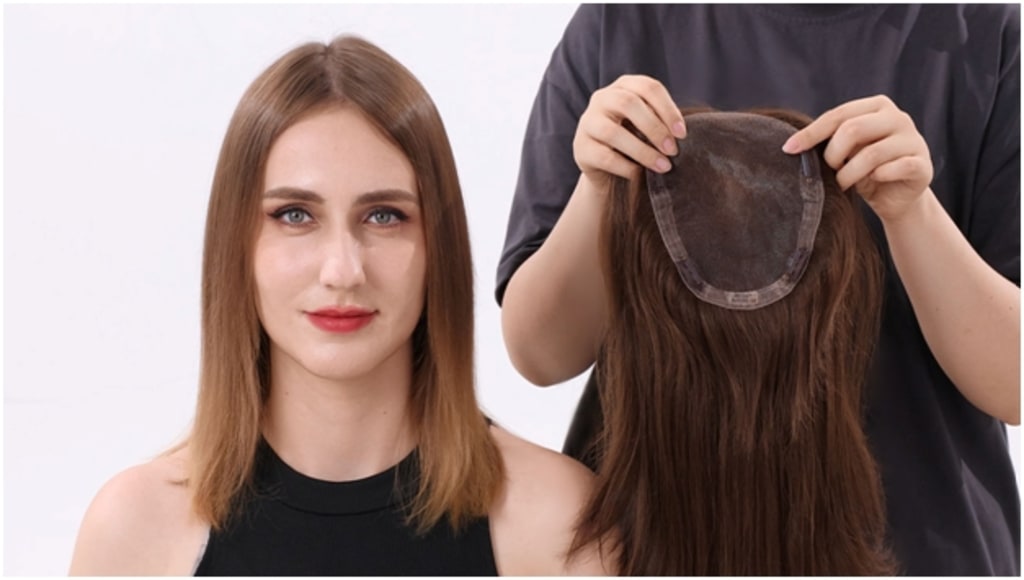
Face Shape Science: I'm shopping for a bold bald wig that looks natural—what styles or textures should I consider?
Face Shape Science is the secret to pulling off a bold bald wig. Without traditional hair framing your features, your facial symmetry takes center stage. Get a natural look by matching that geometric balance with an undetectable lace hairline. But before you get into face shapes, you need to understand the science of the scalp itself.
Key Takeaways
- Opt for breathable HD lace for a seamless hairline or durable silicone for a skin-like feel, ensuring a matte finish to prevent unnatural shine.
- Position your hairline using the "four-finger rule" above your brow bone to maintain natural facial proportions.
- Contour your face shape by elongating round faces with faded sides, softening square jaws with micro-stubble, and using flat density for oblong shapes.
- Ensure the wig cap perfectly hugs your specific skull shape to prevent visible bumps or air pockets.
- Select shadow roots or mixed-color strands to give ultra-short styles lifelike 3D dimension.
The Anatomy of Realism: Beyond the Traditional Wig Cap
Getting a bald look right takes more than just removing hair. The base has to deliver that clean, scalp-like finish. Standard caps miss the mark because they look like fabric, not skin. Realism really comes down to the quality of the base, especially when you use HD Lace to create an almost invisible hairline. Top-tier brands design these caps to blend right into your forehead. And it doesn’t stop at the edges. You also need to think about how different base materials deal with light reflection.
High-Definition Lace vs. Silicone Skin Bases
Picking the right base directly affects how real your bald style looks. High-quality lace front wigs lead the market because they let your natural skin tone show through the fine mesh. Premium brands rely on this ultra-thin material to soften the transition between the wig base and your forehead.
Silicone skins take a totally different route. These solid bases are often used in medical-grade cranial prostheses to replicate real human skin. They feel very lifelike to the touch and create a snug, vacuum-like fit on a bare scalp.
Both options come with clear trade-offs, especially for first-time buyers. HD lace is more breathable. Silicone, on the other hand, is tougher and longer-lasting. The right choice really comes down to how these materials interact with your skin underneath. Simple.
The Science of Light Absorption and Matte Finishes
A shiny scalp ruins the illusion fast. Real skin absorbs and diffuses light instead of reflecting it like a mirror. If your wig base throws off too much shine, it’ll look like plastic. No way around it.
Managing that reflection is key to making everything look natural. Manufacturers handle this by adding a specialized matte finish to the cap. This softens the surface and copies how real skin—pores and natural oils included—handles light.
You can keep that effect going at home with anti-shine powders or translucent setting sprays. Once that matte base is set, you can start layering in realistic details. That’s where you move from a smooth scalp to the subtle texture of stubble or a buzz cut.
Balancing the Silhouette: Face Shape Science for Minimalists
Traditional wigs rely on length and volume to frame your face. Ultra-short and bald styles work in a totally different way. Without flowing layers, you have to depend on visual balance to match your natural proportions. Every shadow and tiny texture on a premium HD lace base directly affects how your features stand out.
Choosing a minimalist look means aligning the wig’s subtle density with your bone structure. Top brands create undetectable hairlines that shift attention to your eyes and jaw. This kind of structural approach builds symmetry instead of just covering the scalp. You can see it clearly when tweaking the silhouette for round face shapes.
Round Faces: Creating Verticality with "Faded" Textures
A round face doesn’t have sharp angles, so the cheeks look fuller and the chin softer. If you go with a uniform wig that has the same fullness everywhere, your head can appear wider. What you need is vertical lift to stretch things out.
The solution is a buzz-cut wig with tapered sides. Keep the density a bit heavier on top and let it fade down at the temples, and you get an instant elongating effect. Brands like Jon Renau design their lace fronts to copy that clean barber-style fade. The undetectable hairline blends right in, naturally pulling the eye upward.
This small adjustment adds height without adding real length. It trims down the look of the cheeks and creates the illusion of a sharper jaw. And while round faces benefit from that vertical lift, angular bone structures need the exact opposite approach.
Square Faces: Softening the Jawline with Micro-Textures
Strong jaws and wide foreheads define a square face. The structure already carries bold, noticeable angles. Add a hard, straight hairline across that forehead, and the whole face can start to look stiff and boxy.
So the goal is to break up those sharp lines. The easiest way is to pick a wig with micro-fringes or a soft “stubble” density along the front. Ultra-fine HD lace lets makers hand-tie individual hairs, giving you a slightly uneven, natural edge. Brands like HIM use this broken texture to soften strong facial outlines.
This shadow-like effect pulls focus away from the heavier jaw corners. The softer hairline works like a visual buffer, balancing out the structure. And how you manage that forehead width also shapes your approach to heart-shaped faces.
The Newtimes Hair Guide to Scalp Realism and Fit
Getting a short wig or a bald look right means your scalp is fully on display. There’s no hiding behind long layers. Newtimes hair handles this by building bases that practically disappear against your skin. Their method leans heavily on bio hair mimicry. In simple terms, the wig cap mirrors the exact density and growth pattern of a real human scalp.
A customized fit isn’t optional for first-time buyers going for these ultra-short styles. If the cap is even slightly loose, the illusion falls apart. The lace has to sit flush against your forehead to create that seamless blend. To get that flush fit, you need to know exactly where the unit should sit. And that comes down to precise measurements for a clean, natural hairline.
Measuring the "Four Finger Rule" for Bald Aesthetics
Finding your natural hairline is simpler than it sounds. All you need are your hands. Place your index, middle, ring, and pinky fingers flat on your forehead. Let your pinky rest right above your eyebrow bone. Wherever your index finger lands—that’s where your wig’s front edge should go.
That’s the four finger rule. It’s the go-to standard for accurate hairline placement. First-time wig wearers often pull the lace too far down. That instantly gives a helmet-like look. Push it too far back, and it creates a receding effect that throws off your facial balance.
Stick to this simple method and the wig lines up with your natural bone structure. It keeps the top and bottom halves of your face in sync. Where that front edge sits directly shapes how people see your upper face. And yes, it completely changes how your forehead looks.
Why Newtimes Hair Prioritizes 12A Grade Realism in Short Cuts
Short cuts put every single strand on display. There’s no hiding lower-quality hair with heavy styling or extra volume. Newtimes hair uses premium 12A grade bundles for their ultra-short human hair wigs. This raw, unprocessed hair keeps all cuticles aligned.
That detail matters. A lot. It avoids the stiff, dull look you often see in cheaper units. When a buzz cut catches light, 12A grade hair reflects it just like real growth. The short strands sit naturally on their own instead of clumping together in an obvious way.
First-time buyers really need this level of quality to feel confident wearing bold, exposed styles. The higher-grade hair lets the delicate lace base mimic a freshly shaved scalp. From there, you can even use that subtle stubble density to shape and contour the look.
Texture as Contouring: The Millimeter Matters
Even a tiny shift in hair length changes how people see your face structure. A 0.5mm buzz shadow creates a completely different visual weight than a 3mm cut. That extra 2.5mm adds texture and movement. It instantly softens sharp facial angles. A closer shave sharpens your features by removing that density. You're basically using hair—or the lack of it—to contour your face. Finding the right millimeter length decides how bold or balanced your final look feels. So let’s look at how this plays out for specific bone structures, starting with heart and diamond shapes.
Heart Faces: Balancing the Forehead with Uniform Density
A heart face shape naturally carries more width at the top. You want to minimize that forehead width, not draw attention to it. A low-profile bald wig or an ultra-close buzz works perfectly here.
Keeping the hair extremely short removes extra horizontal volume around the temples. Add bulk to the sides or top, and the upper half of your face looks even wider.
Uniform density across the scalp keeps the focus on your eyes and jawline instead. It creates a clean, balanced look that feels natural. But the rules change entirely when you're dealing with an elongated oblong face.
Oblong Shapes: Avoiding the "Peak" Effect
An oblong face shape already has noticeable length. Your main goal is to avoid adding any extra height at the top of your head.
Even a 3mm buzz can create unwanted crown volume if the wig base sits too high. That extra bulk acts like a visual peak. It stretches your face and exaggerates those vertical lines.
Keep the lace ultra-thin and the hair density flat against the scalp. You want the top silhouette to follow your natural skull shape closely. Pushing the hairline slightly lower also helps shorten how long the face appears. This kind of fine-tuning isn’t needed for the most versatile shape of them all.
Oval Faces: The Freedom of Total Minimalism
An oval face shape works like a blank canvas. Thanks to naturally balanced proportions, you don’t need to worry about hiding a wide forehead or a long chin.
You can pull off completely bald looks, a 0.5mm shadow, or a thicker 3mm buzz without throwing off your features. This shape is highly versatile.
You can pick your wig based entirely on the bold style you want, not what you're trying to hide. The lace will sit flush, and the minimal hair will highlight your natural bone structure perfectly. Getting this right just comes down to understanding the basics of Cranial Geometry.
Cranial Geometry: The Importance of Head Shape
Most beginner guides fixate on face structures but skip over the actual skull. That's a massive mistake. Your cranial anatomy dictates exactly how a bald wig sits. If the cap doesn't follow the natural curve of your crown, you'll end up with weird bumps and visible air pockets.
A rigid base on a curved skull ruins the illusion instantly. Simple. You need a lace cap that truly hugs your specific head shape. That's the exact requirement to get real 360-degree realism. The piece has to sit completely flush from every single angle.
Physical fit is just the starting point. Even a perfectly contoured cap will look obviously fake if the scalp tone is off. So, how do you pick colors that actually enhance that natural look?
Color Science: Adding Depth to a Bold Look
Flat colors instantly kill realism. To make a bold colored wig look natural, you need dimension. Techniques like shadow roots copy natural hair growth really well. By keeping the base a bit darker near the scalp, you create a 3D effect. It stops the hair from looking like a solid, artificial helmet.
This dark-to-light transition isn’t just about style. It also helps blend the lace into your natural skin tone. The same rule applies to "salt and pepper" styles. Mixing gray and black strands adds that needed, lifelike depth.
Getting the color right is a great start. But once you’ve locked in that perfect shade, keeping those short, bald textures looking real takes a very specific upkeep routine.
Maintenance and Confidence: Living the Bold Aesthetic
Daily maintenance is what separates a flawless bald look from an obvious wig. The lace front is very delicate. Clean it with 99% isopropyl alcohol after every wear to remove adhesive buildup. This helps prevent tears and keeps the hairline looking invisible. Store your alternative hair on a canvas block head to keep that snug fit.
Pulling off a bold style takes real confidence. When your lace is clean and the color looks right, you stop stressing. You just own it. The science behind realism comes down to this exact mix. Combine premium lace, dimensional color, and consistent upkeep, and your style will always look completely natural.
Frequently Asked Questions About Bold Bald Wigs
What is the most natural looking wig type for a bald look?
HD lace or silicone. HD lace melts into the skin for an invisible hairline. Silicone mimics actual scalp texture. Keep it matte. Shine is a dead giveaway.
How can you tell if a wig is sitting too low on your forehead?
Use the four-finger rule. Place four fingers flat above your eyebrows. If the hairline sits below your top finger, it is too low. It crushes your facial proportions and looks fake instantly.
Are human hair wigs more natural looking than high-quality synthetic ones for buzz cuts?
Yes. Human hair wins. It reflects light like a real scalp and handles shadow roots better. Synthetic fibers often have an unnatural plastic sheen that ruins the illusion on ultra-short buzz cuts.
### What is the rarest face shape and how does it affect wig choice?
Diamond. Narrow forehead, wide cheekbones, pointed chin. You need a base that hugs the skull perfectly without adding bulk to the sides. Micro-stubble textures work best here to soften the sharp angles.
How do you measure where a wig hairline should start?
Four fingers above the brow bone. That is the biological standard. Measure from the top of your eyebrows straight up. Anything lower looks like a helmet.
About the Creator
Emma Smith
explores the latest trends in hair, hairstyles, and hair systems, creating insightful content that blends fashion, innovation, and confidence.
Enjoyed the story? Support the Creator.
Subscribe for free to receive all their stories in your feed.
Comments
There are no comments for this story
Be the first to respond and start the conversation.