
Are Sagging Pants a Sign of a Poverty Mentality?
This trend remains in some locales and there may be a reason why.

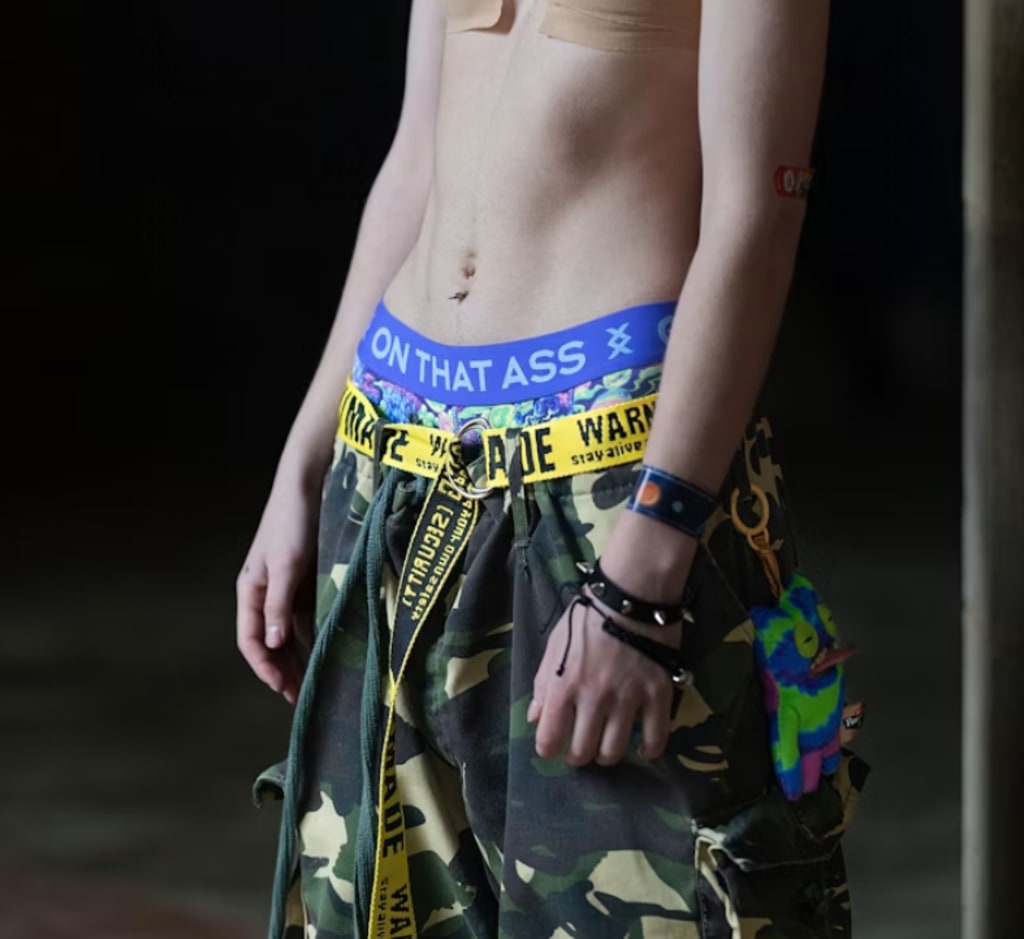
I live in Southwest Virginia where the sagging pants trend has remained for three decades. I have been told that in other locales this fashion statement is long gone.
What troubles me most is seeing men in their mid-forties wearing pants that look like a fully loaded baby diaper. I wonder why those who were teens when this fashion statement began are stuck and have not moved on.
I grew up in a culture where you went to school looking neat and had specific dress clothes for church. As teens we worked during the summer and bought new outfits for dances, parties and concerts.
I lived in rural poverty but you could not tell it by the way my friends and I dressed. We took pride in our new outfits and loved being "clean." What has happened in society that some young people don't care about their appearance?
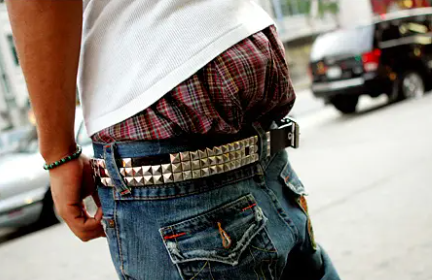
There really have not been ay new freshen trends to choose from since skinny jeans. For a while young men and some young women wore oversized tee shirts and baggy pants.
I have been told that sagging is no longer popular in many areas but it remains in my neck of the woods. I spoke with several 30-40 something men and women who do not sag but say they understand why others do.
I was told that those who continue wearing their pants way down low are dealing with a poverty mentality. They are living in substandard conditions and can't see a way out.
This reminds me of the stereotype of people who live far away from mainstream society without indoor plumbing and don't realize society has moved on.
I wonder why those who sag don't use the money they pay for oversized pants to purchase something that fits. Where are the fashion designers who create new clothing trends?

Society went from poodle skirts and Bobbie socks to mini, midi and maxi dresses ad skirts for females. Men went from rolled up jeans, to bell bottom denim and wide leg pants to skinny jeans yet sagging persists.
I had hoped that Jafar Jackson might set a new trend because he is a sharp dresser but this did not happen. Young men are no longer encouraged to dress up fr church because the attitude today is come as you are.
Since COVID-19 some businesses have relaxed their standards and no longer have dress codes. Young people today do not have the incentives that their grandparents once did.
Still, the question of why this unflattering style remains deserves an answer. I have been told it is a sign of no hope because some young people don't believe their lives will improve.
What abut the adults heading toward 50 who have sagged for 30 years. Some of these men are fathers and or husbands. What example does this set for their children and grandchildren?
I understand that in today's world that if you question anything you are considered to be judging. Asking a question of "why" is seeking understanding and not judgement.
So many have said they wish this fashion statement would go out of style but it has not. The men (and women) who continue this trend need motivation to change. At this time I don't know what incentive will work.
No matter how many people have criticized this look as being inappropriate, distasteful and disrespectful it remains.
If specific individuals were asked why they have worn the same style for 30 plus years some who sag probably don't know why they do it. Even so, the cry remains loud and clear that this style of dressing needs to go.
About the Creator
Cheryl E Preston
Cheryl is currently pursuing a Bachelor of Science in Psychology. She enjoys writing about current events, history and baby boomer nostalgia. Tips are greatly appreciated.
Enjoyed the story? Support the Creator.
Subscribe for free to receive all their stories in your feed. You could also become a paid subscriber, letting them know you appreciate their work.
Comments
There are no comments for this story
Be the first to respond and start the conversation.