
Trump & Iran War: 6 Months In and the Pressure Is Building
With Iran threatening “offensive operations” and oil markets on edge, affordability at home is becoming Washington’s biggest problem
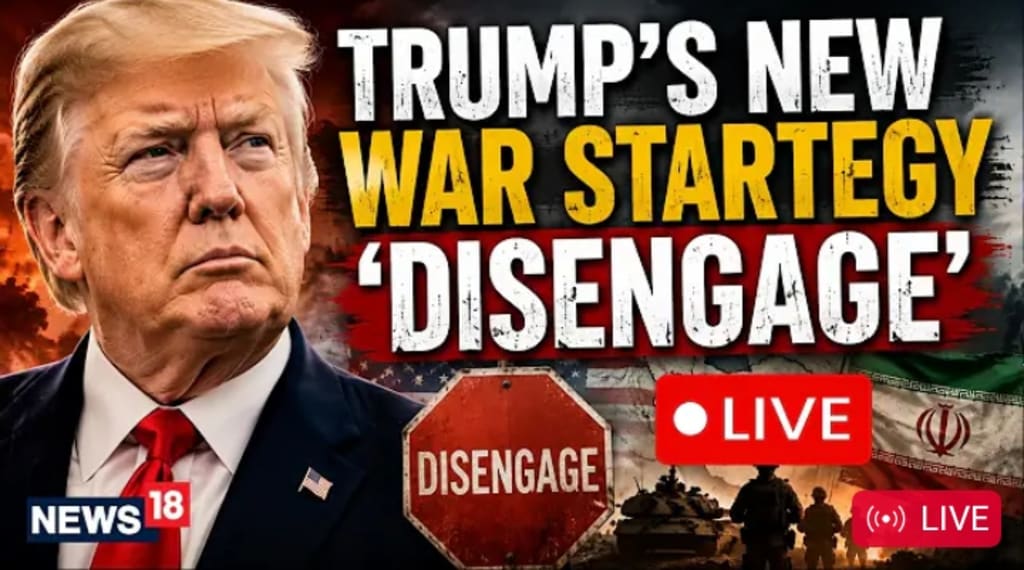
With gas prices rising and the midterms near, what was supposed to be quick is now becoming a political problem
I’ve been watching this war for six months now, and I’ll be honest — I didn’t think we’d still be talking about it in August.
When it started, the message was clear and simple: quick, decisive, done in a few weeks. That’s what we were told. But here we are in August 2026, and the conflict between the US and Iran is still dragging on. And for me, and for a lot of Americans I talk to, it’s starting to feel less like a foreign policy issue and more like a grocery bill issue.
How we got here
Six months ago, the administration said the goal was to deter Iran, protect shipping lanes, and get out. I remember thinking, okay, that sounds manageable. But wars don’t follow press releases.
Now, according to the latest updates, Iran’s hardliners are talking openly about “offensive operations.” The Strait of Hormuz — that narrow waterway where 20% of the world’s oil passes — is still the flashpoint. Every time there’s a report of a ship being harassed or a drone in the area, oil prices tick up. And when oil goes up, I feel it at the pump the next day.
I don’t need an economics degree to see the connection. My gas was $3.19 in June. In July it was $3.79. This week it hit $3.94 in my neighborhood. That’s $15 more every time I fill up my truck. Multiply that by a month, and suddenly I’m cutting back somewhere else.
Why the GOP is getting nervous
I’m not a political strategist, but I can read a room. And right now, Republican candidates are nervous.
The midterms are less than 90 days away. And the number one thing voters tell pollsters they care about is affordability. Not foreign policy. Not ideology. Can I pay my bills?
That’s why you’re seeing GOP leaders try to change the subject. Some are defending the war as necessary for “America First.” Others are quietly asking the White House for an exit plan. I saw one Republican congressman on TV last week say, “We support the troops, but we also support families at home.” That’s code for: this is hurting us.
The data backs it up. Retail spending dropped 0.6% in July — the biggest fall since May 2025. Consumer confidence fell 8%. People are pulling back. And when I ask friends why, they don’t say “the stock market.” They say “gas” and “groceries.”
For the GOP, this war was supposed to be a strength. Tough on Iran, tough on enemies. But now it’s being framed as the reason everything costs more. That’s a dangerous place to be three months before an election.
What Iran is doing
From what I’m reading, Iran isn’t backing down either. Their hardliners are louder now than they were in March. They’re talking about expanding operations and pushing back harder in the region.
The Strait of Hormuz is the real pressure point. I didn’t know much about it before January. Now I know it by heart because every analyst says the same thing: if that strait gets shut down, even for a few days, oil could spike past $120 a barrel.
We’re not there yet. But the threat alone is enough to keep prices high. Shipping companies are paying more for insurance. That cost gets passed to me when I buy imported goods. It’s all connected, and it all starts overseas.
What I’m seeing at home
Let me tell you what this looks like in my life, because I think that’s what gets missed in DC.
My sister postponed a road trip because of gas. My neighbor who runs a landscaping business told me diesel is eating his profits. At my kid’s school, the PTA fundraiser didn’t do as well because parents said “we’re tight this month.”
I’m not saying the war is the only reason. Inflation was already here. But the war is making it worse, and people know it. When you turn on the news and see “tensions in the Gulf,” you don’t need to be an expert to know your next fill-up will cost more.
And that creates frustration. I supported a strong response in January. I still believe we can’t let Iran threaten global shipping. But six months in, I’m asking the same question a lot of people are asking: what’s the plan to end this?
The political bind
This is where it gets tricky for Trump and the GOP.
If they push for de-escalation, they get hit from the right for “looking weak.” If they keep going, they get hit from the middle for “ignoring the economy.” I’ve watched both arguments play out on cable news and on my Facebook feed.
Some MAGA supporters I know are already saying this contradicts “America First.” Their argument is simple: we were promised no new endless wars. We were promised lower prices. Right now we have neither.
Democrats, meanwhile, are hammering the affordability angle. They’re not talking much about foreign policy. They’re talking about your gas bill, your rent, your grocery cart. And it’s working, at least in the polls I’ve seen.
What happens next
I don’t have a crystal ball, but I see three things that will decide where this goes.
First, oil prices. If the Strait of Hormuz stays open and tensions cool, gas could drop back to the $3.40 range. That would take a lot of pressure off. But if there’s one incident, one miscalculation, we could see $5 gas again. And that would be a disaster for anyone running for office in November.
Second, the White House strategy. I think we need to hear a clear plan. Not just “we’re strong.” Tell me what success looks like and how we get there. Voters, including me, are tired of open-ended conflicts.
Third, Congress. With midterms coming, I expect more Republicans to start speaking out. Not against the troops, but for a timeline. They need something to tell voters at town halls besides “support the mission.”
My take
I’m not anti-military. I’m not anti-Israel. I’m pro-common sense. And common sense tells me that six months is a long time for a “short operation.”
I want to feel safe. I also want to afford to live. Right now those two things feel like they’re in conflict, and that’s why this war has become a political liability.
If you asked me in January, I would have said finish the job and come home. In August, I’m saying: finish the job, but also tell me how, and tell me when, because my wallet can’t take another six months of this.
The GOP knows this. That’s why you’re seeing the shift in messaging. The war isn’t going away. But the politics around it are changing fast.
For me, it comes down to this: I’ll support a strong America. But I also need an affordable America. Right now, I don’t feel like I have both. And with November coming, I’m not the only one thinking that way.
About the Creator
Enjoyed the story? Support the Creator.
Subscribe for free to receive all their stories in your feed.
Comments
There are no comments for this story
Be the first to respond and start the conversation.