
The Impact of Israeli Attacks on Lebanese Civilians
A Humanitarian Crisis Unfolding Amid Escalating Conflict

The Impact of Israeli Attacks on Lebanese Civilians
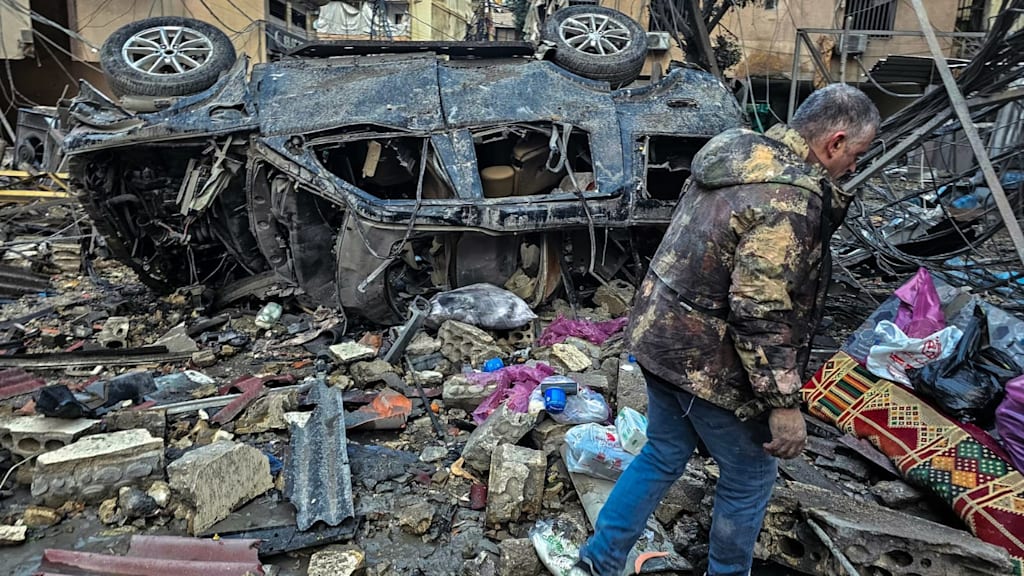
The ongoing Israeli attacks on Lebanon have had a devastating impact on civilians, creating a severe humanitarian crisis. Airstrikes have targeted multiple areas, including densely populated cities and residential neighborhoods, leading to significant loss of life and widespread destruction. Reports indicate that hundreds of civilians have been killed, including women and children, while thousands more have been injured. �
Anadolu Ajansı +1
Homes, schools, hospitals, and basic infrastructure have been damaged or destroyed, forcing over a million people to flee their homes in search of safety. � Many families have lost everything, including their property, livelihoods, and sense of security. In some cases, entire villages have been wiped out, leaving communities displaced and emotionally traumatized. �
The Guardian
The psychological is toll on civilians is also severe. Constant fear, uncertainty, and loss have deeply affected children and families. International organizations and the United Nations have condemned the violence, calling the level of civilian suffering “appalling” and urging immediate action to protect innocent lives. �
Reuters
While Israel claims it is targeting militant groups like Hezbollah, critics argue that the scale of destruction raises serious concerns about civilian safety and international law. As the conflict continues, the suffering of Lebanese civilians remains one of the most urgent humanitarian issues in the region.
The ongoing tensions between Israel and Lebanon have once again placed civilians at the center of a devastating conflict. As military operations intensify, it is ordinary people—families, children, and the elderly—who bear the greatest burden. The human cost of these attacks extends far beyond immediate casualties, shaping lives, communities, and the future of an entire region.
One of the most visible impacts is the loss of life and injury among civilians. Airstrikes and shelling in densely populated areas often lead to unintended but tragic consequences. Homes are destroyed within moments, leaving families without shelter and forcing many to flee their neighborhoods. For those who survive, physical injuries are often accompanied by long-term psychological trauma.
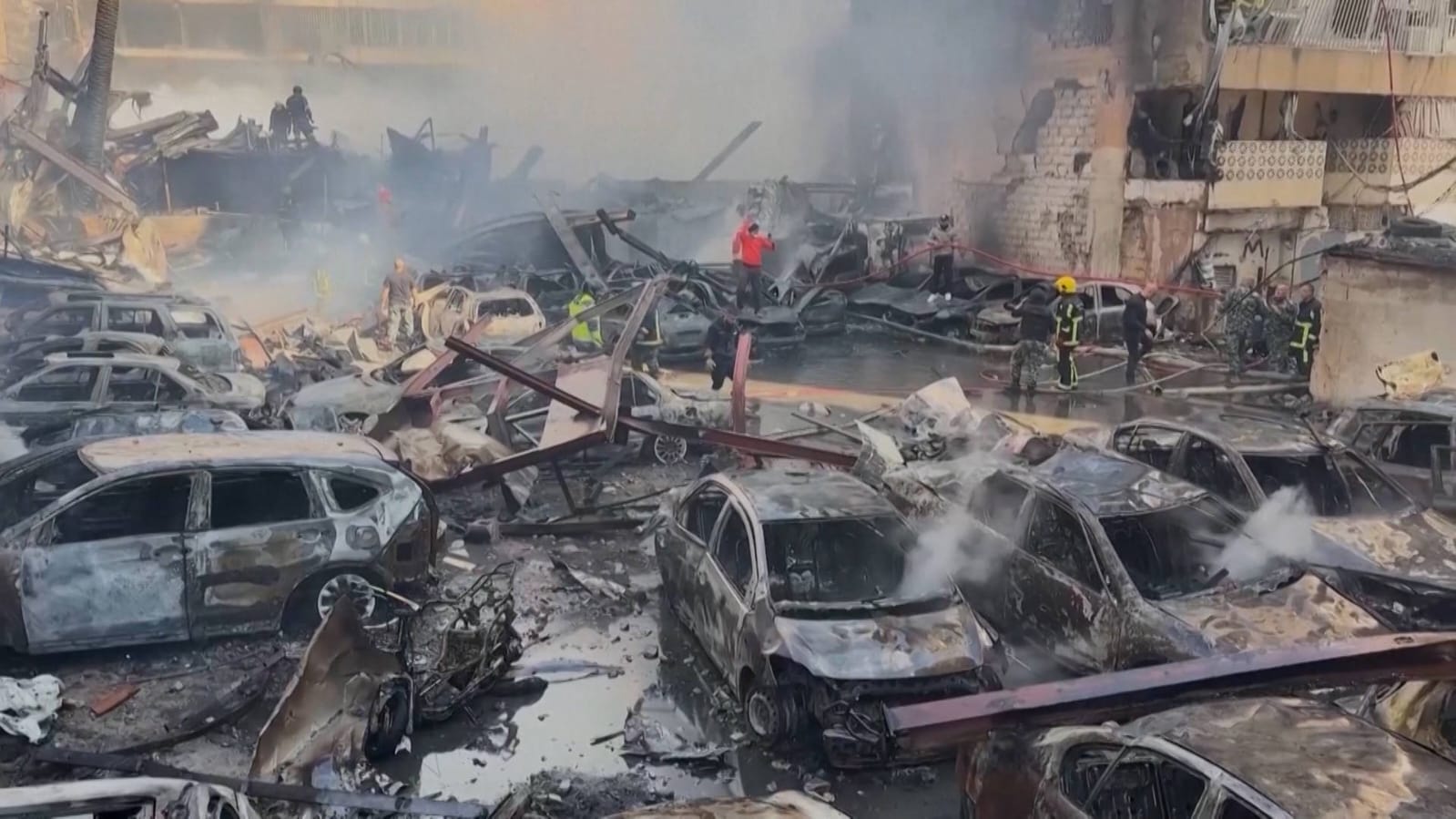
Displacement has become a major issue as thousands of Lebanese civilians are forced to leave their homes in search of safety. Temporary shelters, overcrowded camps, and limited access to basic necessities such as food, clean water, and healthcare make daily survival a challenge. Children, in particular, suffer greatly as their education is disrupted and their sense of security is shattered.
The economic consequences are equally severe. Infrastructure damage, including roads, hospitals, and power facilities, disrupts daily life and slows down recovery efforts. Small businesses are destroyed, jobs are lost, and already struggling communities face deeper poverty. Lebanon, which has been dealing with economic instability for years, finds it even harder to cope under such pressure.
Beyond physical and economic damage, the emotional toll is profound. Constant fear, uncertainty, and grief affect mental health on a large scale. Families live with the anxiety of not knowing what might happen next, while children grow up in an environment marked by violence and instability. This cycle of fear can have lasting effects on future generations.
International organizations and humanitarian groups continue to call for restraint and the protection of civilians. However, achieving lasting peace remains a complex challenge. Political tensions, regional dynamics, and historical conflicts all contribute to the difficulty of resolving the situation.
In conclusion
The impact of Israeli attacks on Lebanese civilians is far-reaching and deeply troubling. While military objectives may drive the conflict, it is the civilian population that pays the highest price. Addressing this humanitarian crisis requires not only immediate relief efforts but also long-term solutions aimed at peace, stability, and the protection of human life.
About the Creator
Sk
"I am a passionate writer, crafting books and articles on Vocal Media, exploring human experiences, stories, and creative reflections."
Enjoyed the story? Support the Creator.
Subscribe for free to receive all their stories in your feed.
Comments
There are no comments for this story
Be the first to respond and start the conversation.