
Reasons Behind the Breakdown of Talks Between the U.S. and Iran
Ceasfire Talk

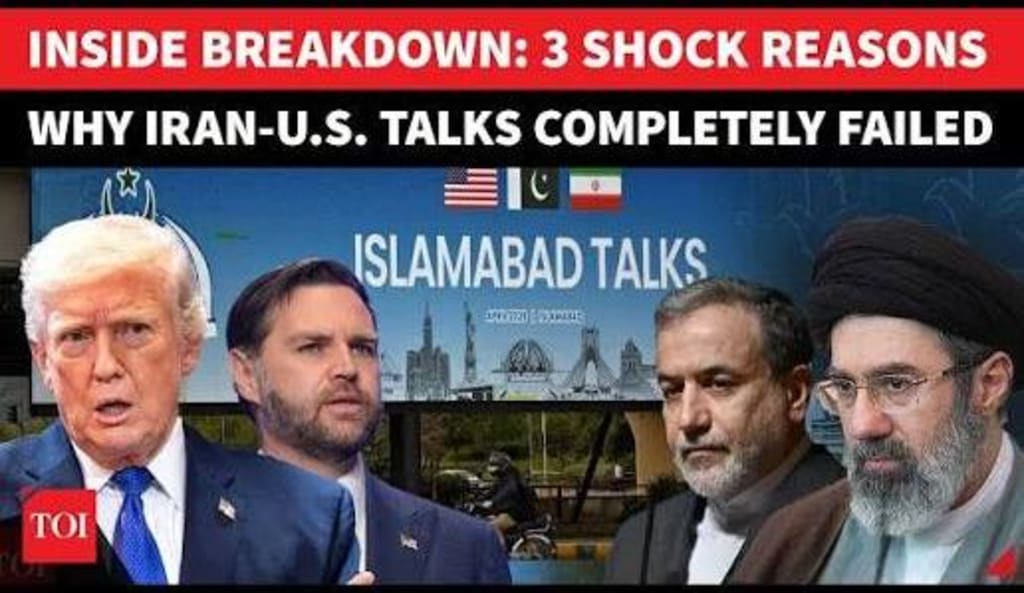
Diplomatic talks between the United States and Iran have repeatedly collapsed despite global hopes for peace and stability in the Middle East. The most recent negotiations in Islamabad during April 2026 once again ended without a deal after nearly 21 hours of discussion. Both sides blamed each other, while the world watched rising oil prices and growing fears of regional conflict. The failure of these talks was not sudden—it was the result of deep-rooted disagreements, mistrust, and conflicting national interests. �
Nuclear Program Disputes
The biggest issue between Washington and Tehran remains Iran’s nuclear program. The U.S. insists that Iran must significantly reduce uranium enrichment and provide strict guarantees that its nuclear activities are for peaceful purposes only. Washington fears that Iran could move closer to developing nuclear weapons.
Iran, however, argues that its nuclear program is for civilian energy and scientific development. Tehran refuses to completely stop enrichment, calling it a matter of national sovereignty. Iran also demands guarantees that the U.S. will not abandon any future agreement, as happened when the U.S. withdrew from the 2015 nuclear deal (JCPOA). These opposing positions created a major deadlock. �
Economic Sanctions and Asset Release
Another major reason for the breakdown was the disagreement over sanctions relief. Iran demanded the lifting of U.S. economic sanctions and the release of frozen Iranian assets before making major concessions. Years of sanctions have severely damaged Iran’s economy, making this issue a top priority for Tehran.
The U.S., however, wanted Iran to first take concrete steps on nuclear restrictions and regional security before sanctions could be eased. Washington feared that lifting sanctions too early would reduce its leverage. This “who moves first” problem became one of the toughest barriers to agreement. �
The Strait of Hormuz Crisis
The Strait of Hormuz emerged as a new and highly sensitive issue in the latest talks. This narrow waterway is one of the world’s most important oil shipping routes, carrying nearly 20% of global oil supplies. Iran views control over the strait as a powerful strategic tool.
The U.S. demanded free and secure navigation through Hormuz, while Iran linked the issue to broader security guarantees and sanctions relief. Tehran reportedly resisted pressure to give up leverage over the strait without major concessions. This added another layer of tension and made compromise even harder. �
Regional Security and Proxy Conflicts
The U.S. also wanted talks to include Iran’s missile program and its support for regional armed groups such as Hezbollah and other allied militias. Washington sees these groups as destabilizing forces in the Middle East.
Iran rejected this approach, insisting that negotiations should focus only on its nuclear program and sanctions. Tehran considers its regional alliances part of its national defense strategy and refuses outside interference. Because both sides disagreed on what should even be discussed, the talks struggled from the beginning. �
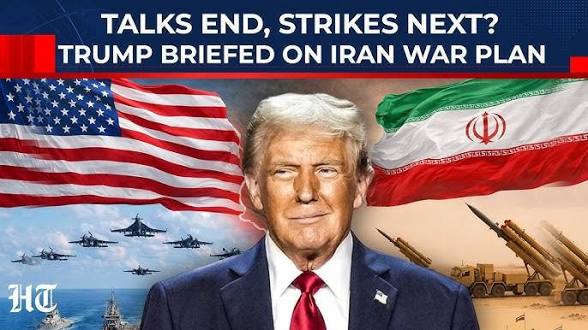
Deep Historical Mistrust
Decades of hostility have created severe trust issues between the two countries. Since the 1979 Iranian Revolution, U.S.-Iran relations have been shaped by sanctions, military threats, proxy conflicts, and broken agreements.
Iran does not trust U.S. promises after Washington left the 2015 nuclear deal. The U.S., on the other hand, doubts Iran’s intentions and fears hidden nuclear ambitions. Iranian negotiators even stated that the U.S. failed to “gain the trust” of Tehran during the Islamabad talks. Without trust, even small disagreements become major obstacles. �
Domestic Political Pressure
Internal politics also played a strong role. In the U.S., leaders face pressure from Congress, regional allies like Israel, and domestic voters who oppose giving Iran concessions. American officials fear appearing weak on national security.
In Iran, hardliners strongly resist compromise with Washington and view negotiations as surrender. Reports of political struggle inside Tehran and the resignation of senior negotiators showed how internal divisions weakened diplomatic flexibility. Leaders on both sides were negotiating not only with each other, but also with powerful domestic opponents. �
Conclusion
The breakdown of U.S.-Iran talks was caused by more than one issue—it was the result of nuclear disputes, sanctions disagreements, the Strait of Hormuz crisis, regional conflicts, mistrust, and political pressure at home. Both countries entered negotiations with incompatible red lines and limited willingness to compromise.
As long as each side sees concessions as weakness rather than diplomacy, lasting peace will remain difficult. The failure of the Islamabad talks shows that dialogue is still possible, but trust and realistic expectations are essential if future negotiations are to succeed. �
About the Creator
shaoor afridi
“I am a passionate writer dedicated to sharing informative, engaging, and well-researched articles. My goal is to provide valuable content that educates, inspires, and adds real value to readers.”
Enjoyed the story? Support the Creator.
Subscribe for free to receive all their stories in your feed.
Comments
There are no comments for this story
Be the first to respond and start the conversation.