
Did the US Really Destroy Iran’s Natural Gas Plant?
War

Introduction
In recent weeks, global attention has focused on rising tensions in the Middle East, particularly between the United States, Iran, and Israel. One major claim circulating in media and public discussions is that the United States destroyed one of Iran’s most important natural gas facilities. But how accurate is this claim? Understanding the truth requires separating facts from assumptions in a highly complex geopolitical situation.
What Actually Happened?
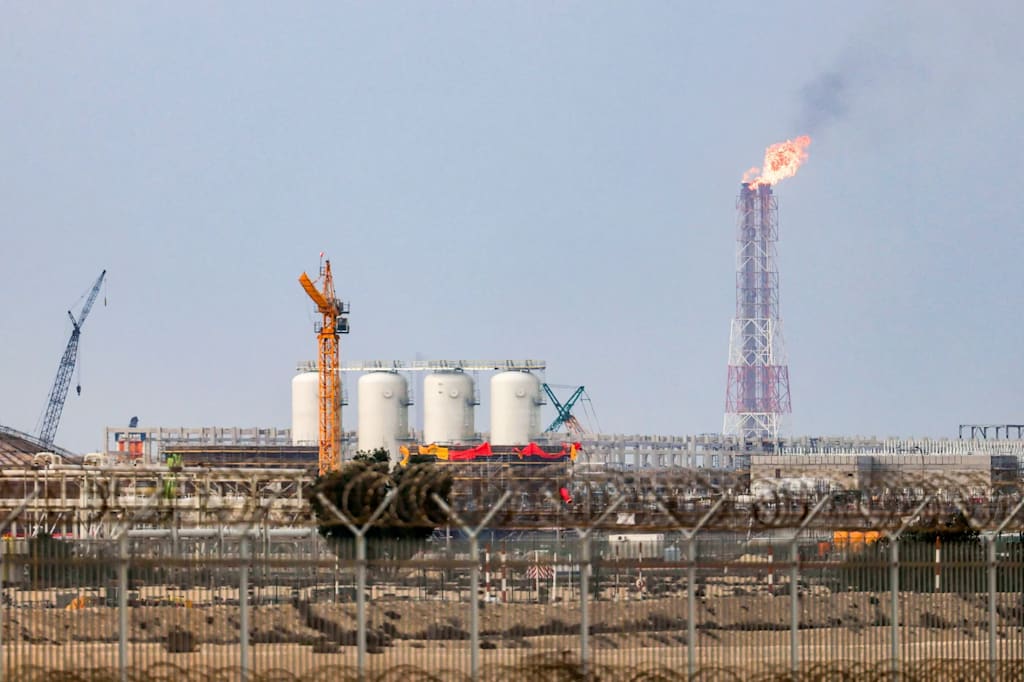
In March 2026, a major attack targeted Iran’s South Pars gas field, the largest natural gas reserve in the world and a critical part of Iran’s energy infrastructure. The strike caused significant damage, reportedly affecting around 12% of Iran’s gas production and disrupting operations at key facilities. �
Wikipedia
This incident marked a serious escalation in the ongoing regional conflict, as energy infrastructure is considered a strategic and sensitive target.
Who Carried Out the Attack?
Despite widespread rumors, evidence strongly indicates that Israel—not the United States—was responsible for the attack. Multiple reports confirm that Israeli forces conducted the airstrikes as part of the broader conflict involving Iran. �
Wikipedia +1
However, the situation is not entirely simple. Some reports suggest that the United States was aware of or indirectly involved in coordination, although American officials publicly denied direct participation. �
Wikipedia
This has led to confusion, with many people mistakenly believing that the U.S. itself carried out the strike.
Did the United States Attack Any Iranian Energy Targets?
The United States has conducted military operations in Iran during the same period, but its actions were mainly focused on military targets, not energy infrastructure.
For example, U.S. airstrikes on Kharg Island reportedly hit over 90 military-related sites while deliberately avoiding oil and gas facilities. �
Wikipedia
There have also been accusations by Iran that the U.S. targeted civilian infrastructure, such as a desalination plant, but these claims were denied and remain disputed. �
Wikipedia
So far, there is no confirmed evidence that the United States directly destroyed Iran’s natural gas plants.
Why Target Energy Infrastructure?
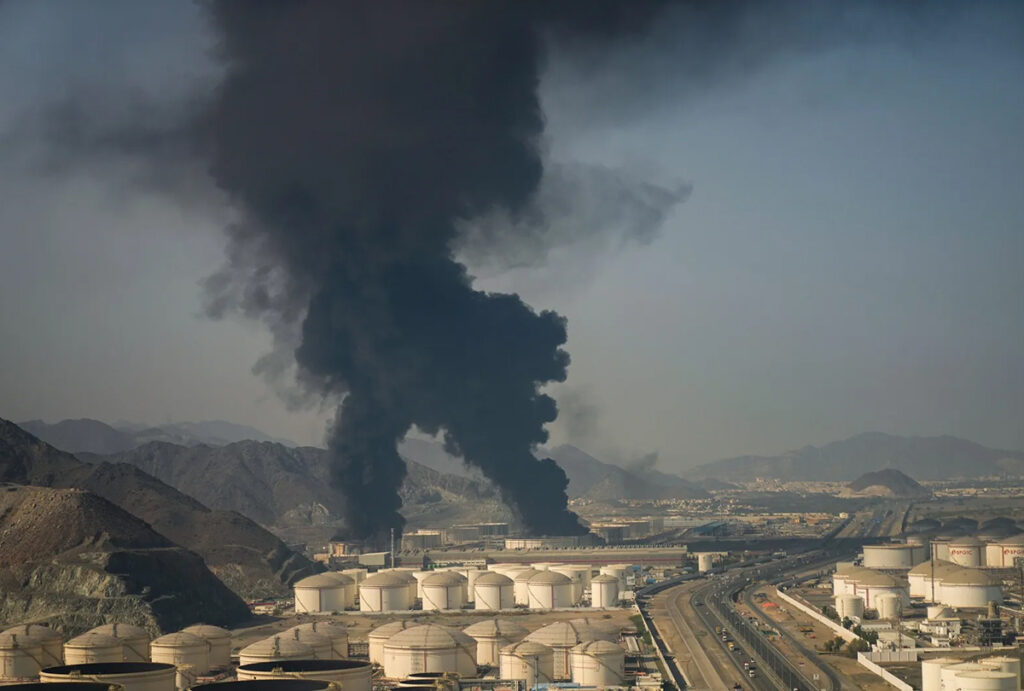
Energy facilities like the South Pars gas field are vital to Iran’s economy and daily life. They supply electricity, heating, and industrial energy across the country.
Targeting such infrastructure can:
- Weaken a country’s economy
- Disrupt internal stability
- Limit its ability to fund military operations
Because of these reasons, energy sites often become strategic targets during conflicts—despite the serious humanitarian and economic consequences.
Global Impact of the Attack
The strike on Iran’s gas infrastructure had immediate international consequences. Energy markets reacted quickly, with oil and gas prices rising due to fears of supply disruption and regional escalation. �
WTOP News
Additionally, Iran threatened retaliation against energy facilities in neighboring Gulf countries, raising concerns about a broader regional conflict that could affect global energy security. �
Al Jazeera
This demonstrates how a single attack can trigger worldwide economic and political instability.
Why the Confusion?
There are several reasons why many people believe the U.S. carried out the attack:
- The U.S. and Israel are close allies
- Both countries are involved in the broader conflict with Iran
- Mixed reports about coordination and approval
- Rapid spread of misinformation on social media
In such a tense environment, distinguishing between direct action, indirect support, and political alignment becomes difficult.
Conclusion
The claim that the United States destroyed Iran’s natural gas plant is not supported by confirmed evidence. The attack on the South Pars gas field did occur, and it caused significant damage, but it was primarily carried out by Israel, not the U.S.
While the United States has been involved in the broader conflict and has conducted its own military operations, its strikes have largely avoided energy infrastructure.
This situation highlights the importance of verifying information, especially during times of conflict when misinformation spreads quickly and can shape global perceptions.
About the Creator
shaoor afridi
“I am a passionate writer dedicated to sharing informative, engaging, and well-researched articles. My goal is to provide valuable content that educates, inspires, and adds real value to readers.”
Enjoyed the story? Support the Creator.
Subscribe for free to receive all their stories in your feed.
Comments
There are no comments for this story
Be the first to respond and start the conversation.