
Could the Strait of Hormuz Trigger World War III?
World War 3

Introduction
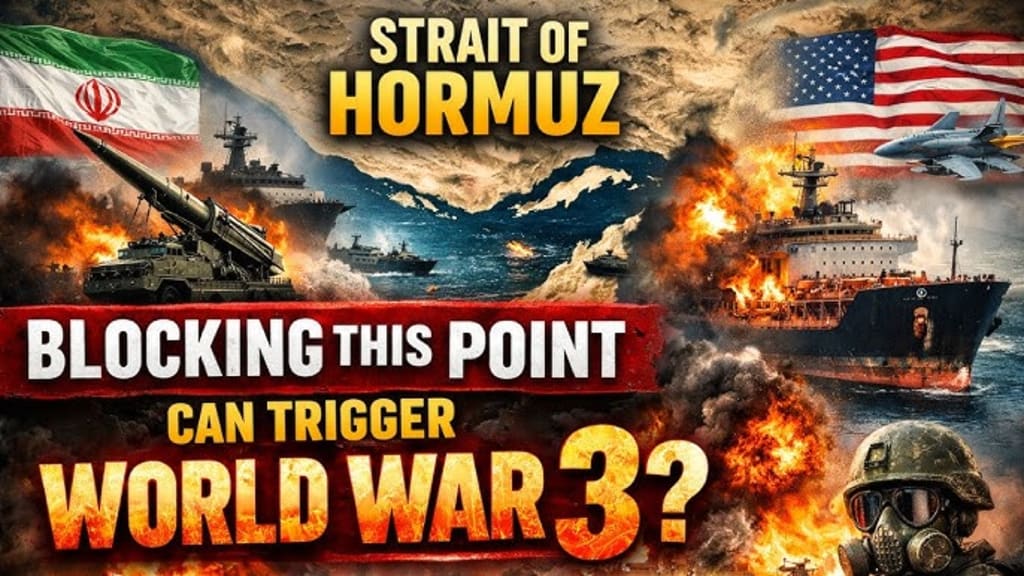
The Strait of Hormuz is one of the most strategically important waterways in the world. Located between Iran and Oman, it serves as a critical route for global oil transportation. Nearly one-fifth of the world’s oil supply passes through this narrow passage every day. Because of its importance, any conflict in this region has the potential to impact the entire world. But could tensions here really trigger World War III?
Why the Strait of Hormuz Matters
The global economy depends heavily on energy resources, and much of that energy flows through this chokepoint. Countries like China, India, and European nations rely on oil shipments that pass through the strait.
If the route were blocked—whether due to military conflict, political decisions, or sabotage—oil prices could skyrocket overnight. This would lead to economic instability, affecting everything from transportation to food supply chains. In such a situation, powerful countries might feel forced to intervene, increasing the risk of a wider conflict.
Rising Tensions in the Region
Tensions in the region often involve Iran and the United States. Disputes over nuclear programs, economic sanctions, and military presence have created a fragile and often volatile environment.
At times, there have been incidents involving oil tankers, drone attacks, and naval confrontations. Even a small miscalculation—such as a mistaken attack or misunderstanding—could escalate into a larger military conflict. Regional allies on both sides could also become involved, turning a local issue into an international crisis.
Could It Escalate into World War III?
While the risk is real, a direct path from tension in the Strait of Hormuz to World War III is not guaranteed. Large-scale global wars usually require multiple major powers to engage directly against each other.
However, the danger lies in escalation. If a conflict between Iran and the United States were to intensify, other nations such as Russia or China might be drawn in—either politically or militarily. This could increase the chances of a broader and more dangerous confrontation.
The Role of Global Diplomacy
Diplomacy plays a crucial role in preventing conflict. International organizations like the United Nations often work to reduce tensions and encourage dialogue between nations.
Negotiations, economic agreements, and back-channel communications can help de-escalate crises before they spiral out of control. Even during periods of high tension, countries often prefer diplomacy over war due to the devastating consequences of modern conflict.
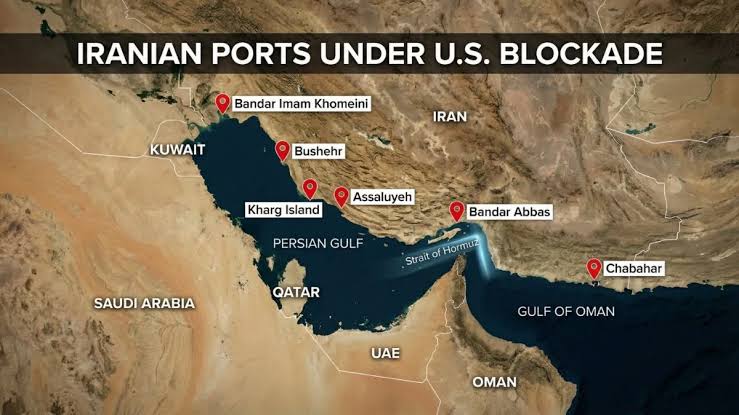
The idea of a U.S. blockade of Iranian ports centers on restricting Iran’s ability to export goods—especially oil—and import critical supplies. While not always a full naval blockade in the traditional sense, the United States often uses a mix of military presence, sanctions, and maritime monitoring to pressure Iran economically and politically.
How It Works
The U.S. Navy increases its presence near strategic waterways like the Strait of Hormuz, through which a significant portion of global oil passes. Ships suspected of violating sanctions may be tracked, inspected, or discouraged from docking at Iranian ports.
Global Impact
Such actions can disrupt global oil markets, raise shipping costs, and increase regional tensions. Countries dependent on Middle Eastern oil—like China and India—closely watch these developments.
Conclusion
The Strait of Hormuz remains a critical of global security. While it has the potential to become a flashpoint for major conflict, the outbreak of World War III is not inevitable.
The future depends on the decisions of global leaders, the strength of diplomatic efforts, and the willingness of nations to avoid escalation. In a world deeply connected by trade and technology, peace is not just a choice—it is a necessity.
Rather than a traditional blockade, it’s a strategy of economic and military pressure aimed at limiting Iran’s influence without direct war.
About the Creator
Zain writes
I am a writer, and I write these words for all of you, my readers, who appreciate meaningful and thought-provoking content.
Enjoyed the story? Support the Creator.
Subscribe for free to receive all their stories in your feed.
Comments
There are no comments for this story
Be the first to respond and start the conversation.