bars
Bars across the world are as diverse as their patrons; Dive bars, Speakeasies, Cocktail lounges, and bars that capitalize on short-lived trends too ridiculous to name.
Acidity in Cocktails: Not Just About Lemons and Limes
Acidity is the sharp, refreshing backbone of most great cocktails. It lifts the sweetness, cuts through richness, and brings balance to the glass. Most of us associate acidity with lemon or lime juice — and with good reason. These citrus fruits are bar staples for a reason: they’re bright, accessible, and incredibly versatile.
By Ava Mitchellabout a year ago in Proof
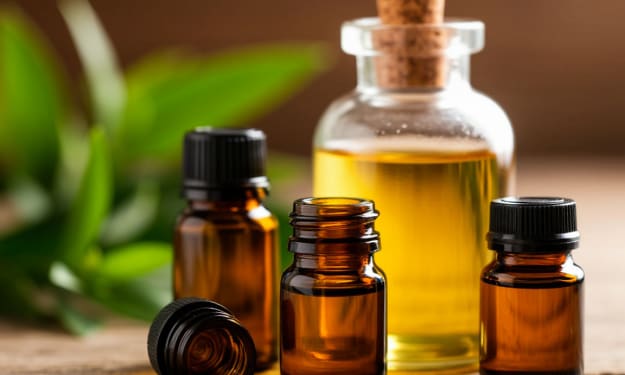
Aroma in the Glass: Using Essential Oils Safely
When we think of cocktails, we usually focus on taste, texture, and presentation. But there’s another crucial element that’s often overlooked: aroma. Before your first sip, your nose is already forming an opinion. That’s why bartenders often finish drinks with citrus twists, fresh herbs, or fragrant garnishes — they shape your entire sensory experience.
By Aisha Patelabout a year ago in Proof
How to Choose the Right Sweetener: Sugar, Honey, Agave, Stevia
Every great cocktail is a delicate dance between sweet, sour, strong, and weak. While spirits and citrus often take center stage, the sweetener is the silent partner, quietly tying everything together. The right one can enhance flavors and elevate your drink — while the wrong one can throw it off entirely.
By Ethan Chenabout a year ago in Proof
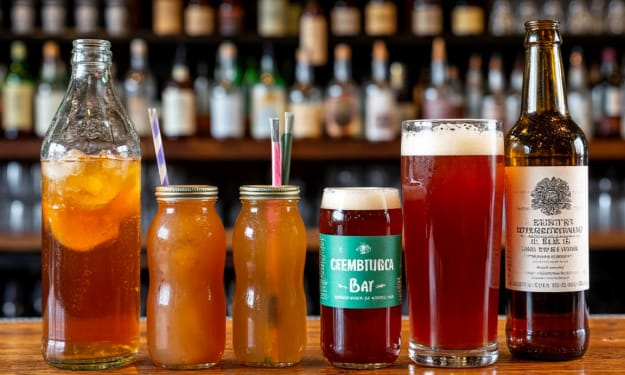
Fermentation in the Bar: Kombucha, Miso, and More
Fermentation has long been a cornerstone of culinary tradition — from bread and cheese to pickles and kimchi. But in recent years, bartenders have turned to fermentation to bring depth, complexity, and surprise into the glass. No longer just a food trend, fermented ingredients are making waves behind the bar, adding umami, acidity, and even carbonation to cocktails.
By Sofia Mertinezzabout a year ago in Proof
DIY Bitters: Simple Recipes to Start With
Bitters may be used in drops, but their impact on cocktails is enormous. These highly concentrated infusions of herbs, roots, spices, and fruits are the seasoning agents of the bar — a dash here, a drop there, and suddenly your drink has complexity, balance, and character. While store-bought bitters like Angostura or Peychaud’s are staples, there’s something deeply rewarding (and surprisingly easy) about making your own.
By Ava Mitchellabout a year ago in Proof
Natural Coloring: How to Make Visually Stunning Cocktails
In today’s cocktail culture, presentation is just as important as taste. With social media turning every drink into a photo opportunity, visually striking cocktails have become a creative priority for bartenders and home mixologists alike. But there’s a growing desire to ditch artificial dyes in favor of natural, vibrant alternatives — and nature has provided plenty of options.
By Aisha Patelabout a year ago in Proof
Why Some Cocktails Warm You Up and Others Refresh
Warm cocktails (like mulled wine, Irish coffee, or Hot Buttered Rum) physically raise your internal temperature. But even room-temperature or cold drinks — like a Manhattan or a rich Old Fashioned — can deliver a warming sensation due to higher alcohol content, spice-forward ingredients, and full-bodied flavors. These components stimulate blood flow, create a sense of richness, and trigger emotional associations with comfort and relaxation.
By Ethan Chenabout a year ago in Proof
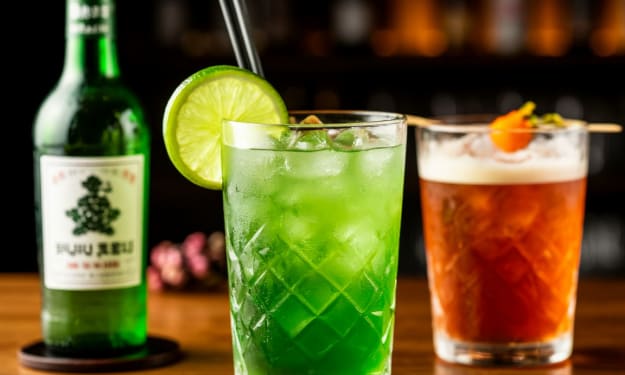
The Rise of Soju Cocktails from Korea
For years, soju has been a staple of Korean dining culture — poured generously at barbecues, shared between friends, and often accompanied by laughter, clinking shot glasses, and late-night karaoke. But lately, this clear, subtle spirit has stepped out of its traditional setting and into the hands of mixologists around the world.
By Ava Mitchellabout a year ago in Proof
Israeli Flavors: Za’atar, Sumac & Hibiscus in Cocktails
Israeli cuisine is having a moment — and not just on the plate. Known for its bold spices, bright herbs, and vibrant fruits, the culinary profile of Israel is starting to influence bartenders around the world. The result? Cocktails that are earthy, aromatic, and unlike anything you’ve tasted before.
By Aisha Patelabout a year ago in Proof
Balkan Spirits in the Glass: Rakija, Slivovitz & More
The Balkans are known for their rich traditions, vibrant cultures, and hearty hospitality — but one of the region’s most enduring treasures is its array of distinctive fruit brandies and spirits. From Serbia to Bulgaria, Croatia to North Macedonia, local distillates like rakija, slivovitz, komovica, and loza have long been a symbol of celebration, community, and family legacy.
By Ethan Chenabout a year ago in Proof
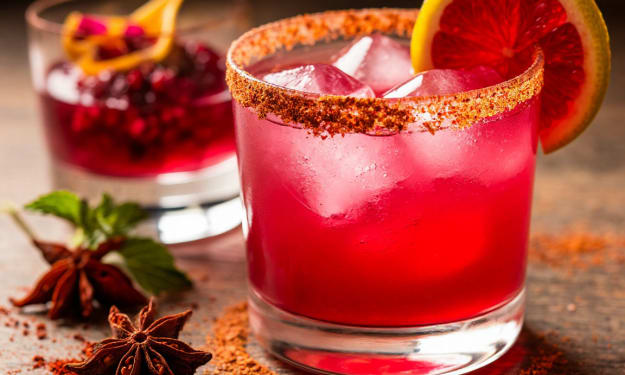
Tequila & Mezcal: Lifting Latin Mixology Beyond the Margarita
When most people think of tequila, the Margarita quickly comes to mind — a salty, citrusy classic that has cemented its place in bars worldwide. Mezcal, tequila’s smokier cousin, often follows as an adventurous alternative. But in recent years, both spirits have surged beyond their stereotypical roles, emerging as the centerpieces of a more refined, complex Latin American mixology.
By Sofia Mertinezzabout a year ago in Proof
Turkish Raki in Cocktails: Surprising Combinations
When you think of Turkish raki, you likely picture long dinners filled with meze, laughter, and slow sipping. Known as “lion’s milk” for its milky appearance when diluted with water, raki is an anise-flavored spirit deeply woven into Turkish culture. Traditionally consumed neat with chilled water and food, it’s rarely associated with modern mixology — but that’s beginning to change.
By Ava Mitchellabout a year ago in Proof