bars
Bars across the world are as diverse as their patrons; Dive bars, Speakeasies, Cocktail lounges, and bars that capitalize on short-lived trends too ridiculous to name.
Spirit and Place: How Geography Shapes What We Pour
Behind every great spirit is a landscape. Not just in the poetic sense, but in the literal one: the soil, the water, the altitude, the temperature swings between dusk and dawn. These environmental variables shape flavor, but more than that, they shape culture. To pour a glass of mezcal or Scotch or Jamaican rum is to pour a geography—bottled, aged, and shipped from somewhere specific. Somewhere that matters.
By Sofia Mertinezzabout a year ago in Proof
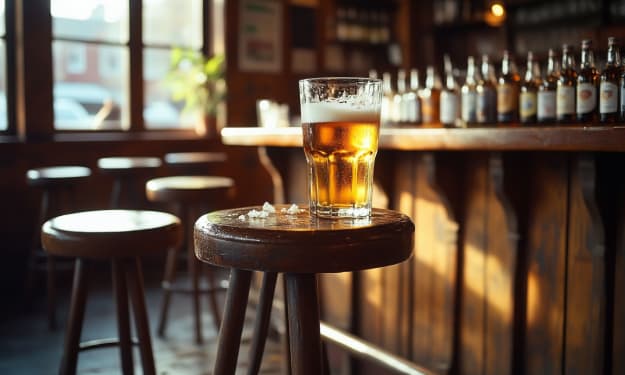
The Empty Barstool: What We Leave Behind When We Leave a Drink
In the quiet moments after last call, when the hum of conversation has faded and glasses have been cleared, something remains. A barstool still warm from its former occupant. A water ring on polished wood. A half-melted cube of ice marking time. These small remnants tell a story of presence—and of absence. In a bar, what’s left behind can speak louder than what was said aloud.
By Ava Mitchellabout a year ago in Proof
Taste as Translation: Turning Emotions Into Ingredients
Some feelings resist language. They arrive in the chest, not the throat—inarticulate, layered, hard to name. But behind the bar, there’s a different vocabulary. Here, emotion finds form through flavor. The bartender becomes a translator, rendering longing into lemon zest, melancholy into amaro, exhilaration into effervescence. Taste, in this world, becomes not just sensory but expressive—a language spoken in ingredients, ratios, and ritual.
By Aisha Patelabout a year ago in Proof
Repetition and Reverence: The Meditative Nature of Shaking a Drink
The motion of shaking a cocktail isn’t just functional—it’s ritualistic. Each precise movement, from the grip to the arc of the shake, becomes its own kind of meditation. Like the repetitive chants of a mantra or the brushstrokes of a calligrapher, shaking a drink engages body and mind in a synchronized effort. In a world that glorifies speed, the bartender’s deliberate, rhythmic shaking offers a moment of stillness in motion—a space where attention sharpens and everything else falls away.
By Ethan Chenabout a year ago in Proof
Symphony in Syrup: Music, Rhythm, and the Flow of Mixology
Watch a bartender work, and you’ll see choreography. The clink of ice, the hiss of a soda gun, the soft metallic ring of a spoon against the glass — it’s not just functional. It’s musical. There’s a cadence to cocktail creation, a symphony made from repetition, memory, and motion. And much like music, the process of mixology is as emotional as it is technical.
By Sofia Mertinezzabout a year ago in Proof
Air Conditioner vs. Evaporative Cooler: Which Is Better for You?. AI-Generated.
When it comes to cooling your home, two popular options stand out: air conditioners (ACs) and evaporative coolers (also known as swamp or water coolers). Each has unique advantages and drawbacks, making the choice dependent on your climate, budget, and cooling needs. In this article, we’ll compare air conditioners and evaporative coolers across key factors to help you decide which is better for your situation.
By handy maneshonabout a year ago in Proof
Echoes in the Glass: How Drinks Carry the Past
Pull the cork on a dusty bottle of rye and the room changes. The aroma rising from the neck is more than spicy grain and oak; it’s a telegram from decades ago, when that rye lay quietly in a barrel, absorbing summers and winters you never lived through. A cocktail—so immediate, so of‑the‑moment—can also be a time machine, carrying private histories and shared cultural memories in every measure. Drinks don’t just exist in the present; they resonate with the past.
By Ava Mitchellabout a year ago in Proof
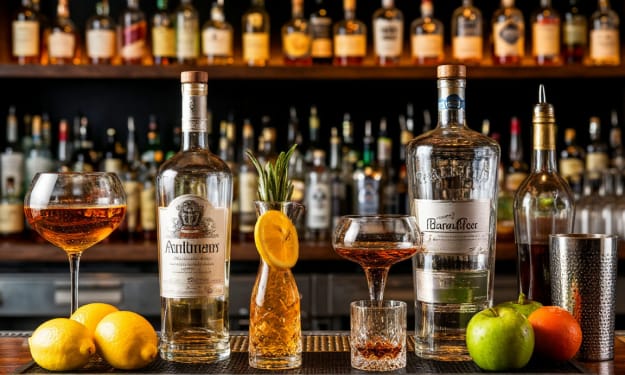
A Bartender’s Still Life: How Arrangement Becomes Art
In the quiet lull before the first guests arrive, a bartender arranges bottles, tools, and garnishes with deliberate care. To the untrained eye, it might look like simple prep. But to those who’ve lived behind the bar, it’s a ritual—a composition of color, texture, and symmetry that transforms a practical space into something expressive. This is the bartender’s still life: a moment of calm, control, and artistic identity nestled in the heart of hospitality.
By Aisha Patelabout a year ago in Proof
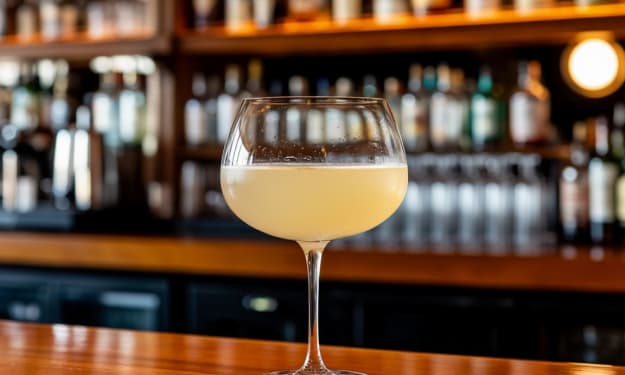
Quiet Luxury in a Coupe Glass: Minimalism Behind the Bar
In a world enamored with excess—oversized garnishes, viral concoctions, and drinks set ablaze for spectacle—there’s a quiet rebellion happening in the stillness of a coupe glass. Minimalism, often mistaken for lack, is in fact a philosophy of refinement: stripping away the unnecessary to spotlight the essential. And in the realm of cocktails, that means letting balance, proportion, and intention take center stage.
By Ethan Chenabout a year ago in Proof
The Intimacy of Bitterness: Why Not All Drinks Should Be Easy
There’s a quiet defiance in ordering a bitter drink. While sweet, fruity cocktails often greet the palate with immediate charm, bitterness is an acquired taste — one that doesn’t beg for affection but earns it slowly, sip by sip. And maybe that’s why it feels so intimate. Bitterness demands presence, patience, and a willingness to linger with discomfort. In a world addicted to ease and instant gratification, it whispers: “Not everything worth savoring comes sweet.”
By Ava Mitchellabout a year ago in Proof
The Five Senses of a Perfect Drink: Beyond Flavor Alone
When we think about cocktails, flavor often takes center stage. But a truly perfect drink is a symphony played across all five senses — not just taste. Every sip is an immersive experience shaped by sight, smell, sound, and touch just as much as by the ingredients themselves. Understanding how these senses interplay can elevate your enjoyment and deepen your appreciation of mixology.
By Aisha Patelabout a year ago in Proof
In Defense of the Solo Drink: Why Drinking Alone Can Be a Form of Self-Care
Beyond the stigma — a quiet cocktail, a moment of presence, and the joy of your own company. There’s a certain kind of silence that falls around a solo drink — not an absence, but a presence. A pause. A private exhale at the end of the day. Yet for all its subtlety, the image of someone drinking alone still carries cultural baggage. It’s often portrayed as lonely, even dangerous — the first sign of a story slipping into tragedy. But what if we flipped the script? What if drinking alone, when done with intention, could be a radical act of care?
By Ethan Chenabout a year ago in Proof