
How to Build a Flavor Profile from Scratch
Master the art of taste layering for better cocktails at home

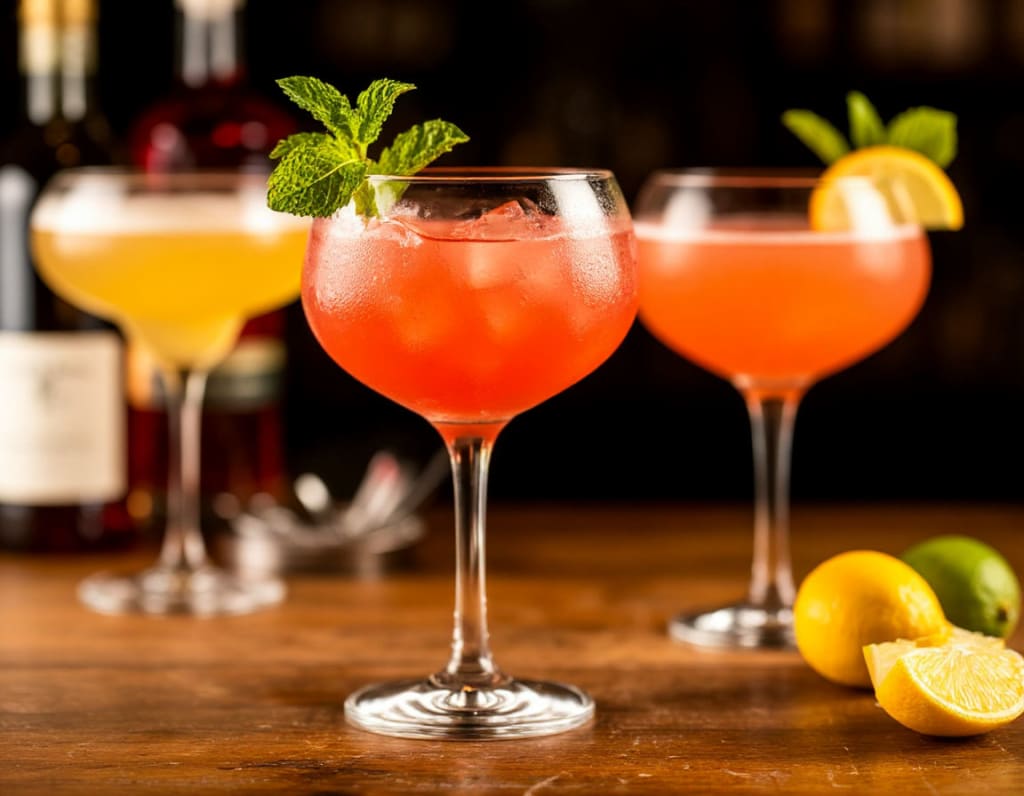
When you sip a truly great cocktail, you're not just tasting alcohol — you're experiencing a symphony of flavors that unfold in harmony. Building a flavor profile from scratch is what separates casual mixing from true mixology. It’s where intuition meets intention, and creativity blends with structure.
Whether you’re crafting an original drink or tweaking a classic, understanding how flavors interact will help you create cocktails that are not only delicious but unforgettable.
Start with a Core: Spirit, Citrus, or Sweet?
Every great cocktail needs a foundation. Choose your anchor:
Spirit-forward: Think Old Fashioned or Manhattan. The base spirit (like whiskey, rum, or gin) leads the way.
Citrus-forward: Like a Margarita or Daiquiri, where brightness and acidity set the tone.
Sweet/bitter-forward: Aperitifs, spritzes, or low-ABV cocktails often begin with flavor-first liqueurs.
Your choice will guide the balance and mood of the drink — whether it’s bold, refreshing, or cozy.
Understand the Flavor Families
To build a compelling profile, get familiar with flavor families:
Sweet: syrups, liqueurs, fruit juices
Sour: lemon, lime, vinegar, shrubs
Bitter: amaro, bitters, tonic
Salty: saline solution, salted rims, umami ingredients
Spicy: fresh chili, ginger, peppercorn
Herbal/Botanical: fresh herbs, infusions, floral liqueurs
Savory/Umami: tomato, miso, pickle brine, tea
Layering flavors across families adds depth and surprise. For example, a gin sour with honey and sage becomes floral, sweet, and refreshing — far more interesting than the standard trio.
Balance Is Key
The heart of mixology is balance — not just sweetness vs. sourness, but also richness, bitterness, texture, and intensity. A well-balanced cocktail should:
Have a beginning, middle, and finish on the palate
Avoid overwhelming any one sensation
Feel harmonious — not too dry, too sharp, or too sweet
Try tasting each component individually. Ask: What does it add? What does it need? Does the drink evolve as you sip?
Pro tip: when in doubt, use the Golden Ratio — 2 oz spirit, ¾ oz citrus, ¾ oz sweet — and adjust from there.
Add an Element of Surprise
A signature cocktail should have one standout element — something that makes people go “wait, what’s in this?” It could be:
A homemade infusion (think basil vodka or jalapeño tequila)
An unexpected garnish (charred rosemary, black sesame rim)
A hint of savory or spice (pickle juice, turmeric, smoked salt)
Surprise shouldn’t be gimmick — it should elevate the experience and align with the rest of the drink.
Looking for more creative inspiration? Browse our ingredient-driven cocktail ideas to explore combinations by season, mood, or flavor note.
Keep Notes Like a Bartender
Professional bartenders keep flavor journals — you should too. Write down what you tried, what worked, what didn’t. Track:
Ratios
Ingredients
Flavor impressions
Feedback from friends
Over time, you’ll build your own mental library of combinations, and flavor intuition will become second nature.
Build with Purpose
Creating a cocktail from scratch is like composing music — it requires attention, intention, and a sense of rhythm. Don’t just throw ingredients together. Think like a chef: balance the flavors, respect the ingredients, and lead with curiosity.
Once you learn how to build a flavor profile, your home bar becomes a canvas — and every bottle, a color waiting to be mixed.
Need help getting started? Explore our expert tools, flavor maps, and signature recipe builder — and start crafting cocktails with confidence.
About the Creator
Sofia Mertinezz
A renowned cocktail mixologist and the owner of a popular speakeasy-style bar in the French Quarter. Her innovative approach to classic cocktails has earned her a loyal following.
Enjoyed the story? Support the Creator.
Subscribe for free to receive all their stories in your feed.
Comments
There are no comments for this story
Be the first to respond and start the conversation.