Pop Culture
From Hollywood to Heartstrings
There’s something magnetic about transformation and Sarah Schroeder, who performs under the moniker Sarah Sasha, knows this all too well. The Hollywood producer-turned-singer-songwriter is making her mark in a whole new lane with the release of her emotionally gripping single, “On The Wire.” With raw vocals, a visually stunning video, and a message steeped in courage and self-reclamation, Sarah Sasha isn’t just reinventing herself, she’s giving the LGBTQ+ community a new anthem of hope, heartbreak, and healing.
By Ben Nelsonabout a year ago in Pride
Why I’m Proud of My Roots: A First-Generation Immigrant’s Voice
Why I’m Proud of My Roots: A First-Generation Immigrant’s Voice Introduction: Who I Am and Where I Come From They say identity is a journey. For me, it has been an ocean—deep, unpredictable, and endlessly vast. I was born in a land where my name was not strange, my accent was not noticeable, and my food didn’t need translation. But that land became a memory when my family moved across continents, chasing a better life and sacrificing almost everything familiar to start from zero. I became a first-generation immigrant overnight—young, confused, and silently holding the weight of two worlds.
By Afia Sikderabout a year ago in Pride
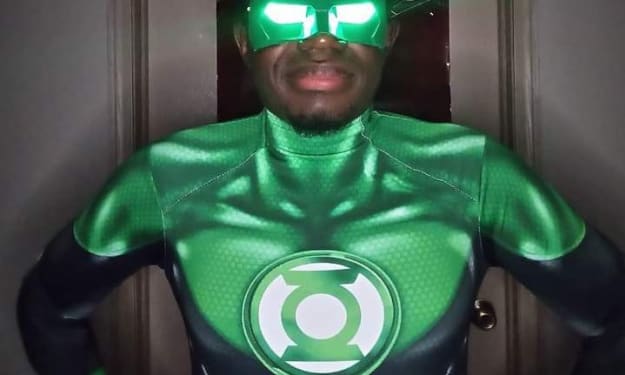
My Experiences with the Gay Cosplay Community
10 years of cosplay memories and awesomeness: they'll always hold a special place in my heart forever. I retired from cosplay in October 2024 and over six months after concluding an amazing journey, life has been treating me well so far. In this story, I'll be sharing what it was like being part of the gay cosplay community. I'll start with the bad before I explain the positives of this community.
By Mark Wesley Pritchard about a year ago in Pride
Pride: Beyond Rainbows—A Lifeline for Millions”
Understanding Pride: More Than a Parade, It's a Powerful Movement When someone says the word Pride, many people instantly imagine colorful parades, rainbow flags, glitter, music, and celebration. And while those visuals are absolutely part of Pride, the heart of it runs much deeper. Pride isn’t just an event or a month—it’s a movement, a message, and, for millions around the world, a lifeline. In this article, we’ll explore what Pride really means, what it stands for, and why it's so important. Whether you're part of the LGBTQIA+ community or an ally trying to learn, understanding Pride is a step toward compassion, equality, and change. What is Pride? At its core, Pride is about visibility, dignity, and celebration for LGBTQIA+ people. It is a response to years—decades—of silence, shame, and societal rejection. It's the opposite of hiding. Pride originated as a form of resistance. It began as a protest, not a party. The first Pride marches took place in June 1970 to mark the one-year anniversary of the Stonewall Riots—a series of confrontations between the police and LGBTQIA+ activists in New York City. These riots weren’t planned or polished. They were raw, real, and fueled by frustration over systemic oppression. Pride, today, honors that history. It’s about saying: “We are here. We are valid. We won’t hide.” What Does Pride Include? While Pride events vary by location and culture, here’s what is commonly included: 1. Parades & Marches These are often the most visible aspects of Pride—colorful, high-energy parades where people walk in solidarity, often with music, banners, floats, and speeches. But beyond the celebration, parades are also protests. Many Pride marches still highlight political demands—equal rights, protection from discrimination, and justice for queer and trans lives lost to violence. 2. Community Events Pride includes a variety of events—panel discussions, art shows, film screenings, poetry nights, and more. These platforms help amplify LGBTQIA+ voices and share stories that often go unheard. 3. Support Resources Many Pride festivals include health booths, mental wellness spaces, and outreach from nonprofits offering help for LGBTQIA+ youth, housing resources, HIV testing, and counseling services. 4. Education & Awareness Pride is an opportunity to educate the wider public. Schools, companies, and local governments often host diversity training, sensitivity workshops, and awareness programs during Pride Month to promote inclusivity and understanding. 5. Memorials Pride also includes moments of reflection—remembering those lost to hate crimes, HIV/AIDS, suicide, or systemic neglect. Vigils and tributes are a solemn but essential part of Pride. The Many Colors of Pride The rainbow flag is the most recognizable symbol of Pride, but there are actually many Pride flags representing different identities within the LGBTQIA+ spectrum: Rainbow Flag – General LGBTQIA+ unity Transgender Flag – Light blue, pink, and white for trans pride Bisexual Flag – Pink, purple, and blue Asexual Flag – Black, gray, white, and purple Non-Binary Flag – Yellow, white, purple, and black Progress Pride Flag – Includes black, brown, trans colors with the rainbow to highlight inclusivity Each flag tells its own story, showing how diverse and intersectional the queer community really is. Why Pride Still Matters You may wonder: "Why do we still need Pride?" Because, around the world, being LGBTQIA+ is still criminalized in over 60 countries. In many places, people can be fired, evicted, or attacked just for being who they are. In others, same-sex couples still can't marry, adopt, or live openly. Even in more progressive countries, queer and trans people often face bullying, mental health struggles, and a lack of representation. Pride isn’t just a celebration—it’s a statement. A declaration of humanity, resilience, and the right to exist without fear. What We Get from Pride Pride gives people something many never had before: belonging. Here are a few things Pride offers: Visibility: For many, Pride is the first time they see themselves represented in public. That kind of visibility can save lives. Community: Pride is a gathering of chosen families, friends, and allies. It reminds people they are not alone. Healing: From past trauma to internalized shame, Pride helps many begin the process of self-acceptance and healing. Inspiration: Pride often sparks movements, campaigns, and conversations that push for change—whether in schools, the workplace, or government policy. Pride Is for Everyone Some people say, “Why isn’t there a straight Pride?” But here's the thing: straight people have always been allowed to live, love, and be recognized without fear. Pride exists because LGBTQIA+ people didn’t have that luxury. But allies are welcome! Pride isn't about exclusion—it's about inclusion. Allies who support, protect, and amplify LGBTQIA+ voices are crucial to the movement. Being an ally doesn’t mean speaking for the community. It means standing with them, listening, learning, and using your privilege to uplift others. Beyond June: Pride All Year While Pride Month is officially celebrated in June (to honor the Stonewall Riots), being proud doesn’t end on July 1st. LGBTQIA+ people exist and struggle year-round. So should support. Whether it’s advocating for inclusive education, supporting queer-owned businesses, challenging harmful stereotypes, or simply being a safe person for someone to come out to—there are many ways to live Pride every day. Final Thoughts Pride isn’t just about rainbows. It’s about rights. It’s not just a party—it’s protest, remembrance, and a celebration of love, diversity, and resilience. Pride reminds us that love is love. That identity is valid. That no one should be made to feel ashamed of who they are. Whether you’re celebrating for the first time or standing in solidarity as an ally, remember: Pride is for everyone who believes in a world where everyone can live authentically and safely. So wear your colors proudly, listen with your heart, and most importantly—support each other. Because Pride isn’t just a month. It’s a movement.
By Tanushree Dasabout a year ago in Pride
Velma Was Always LGBT, Stop Pretending She's Not
When I called out a wave of cancellations of shows that featured massive amounts of representation of marginalized communities, one of the many things I said at that time was that there were two shows that I was the most fearful for: Chucky and Velma. I wish I could be wrong about something for a change. Sure enough, both shows had been cancelled since I wrote that piece. While the Chucky cancellation angered me more, I want to focus on Velma, because I've been sitting on this for many months.
By Clyde E. Dawkinsabout a year ago in Pride