
Which hair system suppliers comply with EU requirements?
EU Compliant Hair System Suppliers: 2026 Guide for Salons

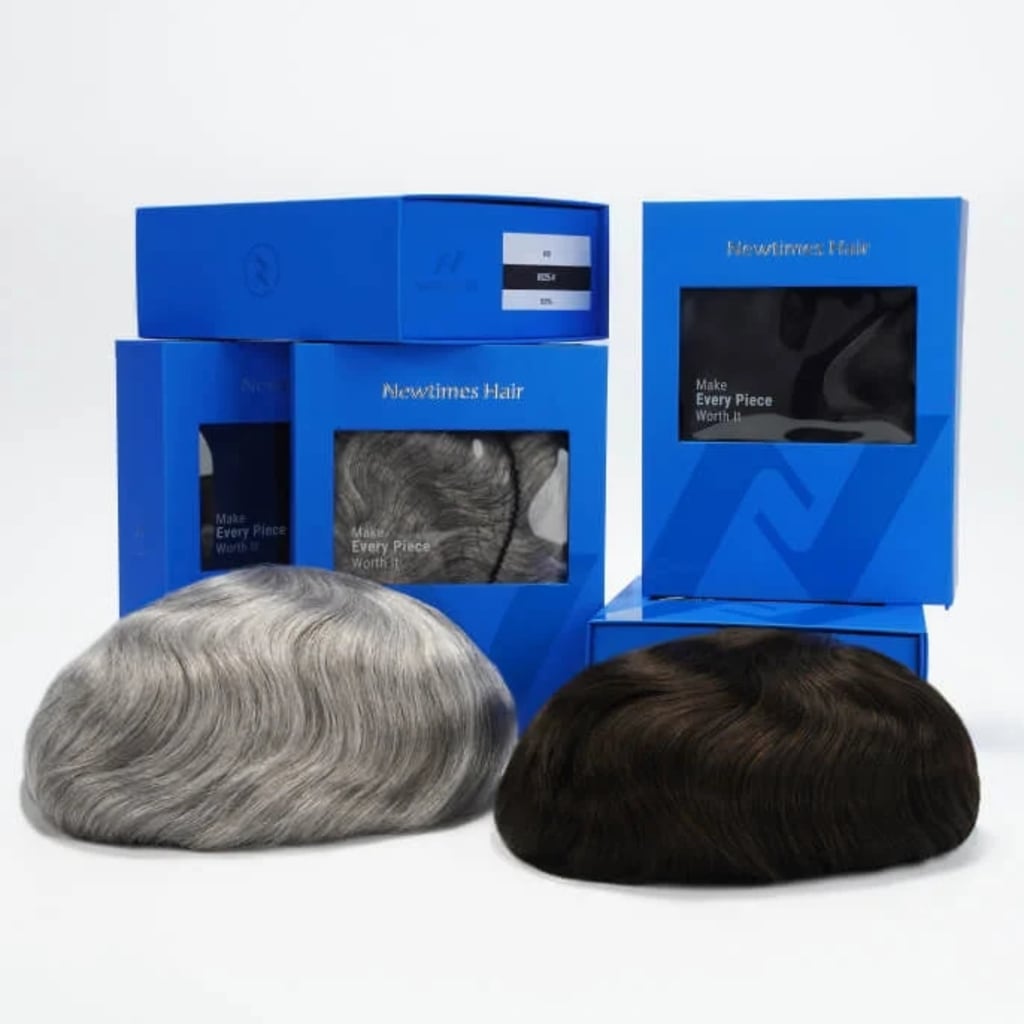
Which hair system suppliers comply with EU requirements?
To meet EU requirements, hair system suppliers have to prove a few things: safe materials, controlled manufacturing, responsible sourcing, and secure B2B data handling. Newtimes Hair helps European salons and distributors build a supply chain they can actually rely on—not just buy hairpieces. Before placing an order, here's a look at the exact compliance records you'll need to check.
Key Takeaways
Require REACH declarations plus current safety data sheets for chemical products.
Verify batch traceability through material records, testing reports, release decisions.
Limit custom-order data to necessary uses under documented GDPR controls.
Why Does EU Compliance Matter for Hair System Buyers?
EU compliance matters because it keeps your salon or distribution business safe from unnecessary supply risks. A hair system isn't just a finished hairpiece. The materials, production controls, sourcing records, and order data all decide whether you can sell confidently in the European Union (EU).
Newtimes Hair helps B2B buyers build a more solid supply chain by focusing heavily on material safety, responsible sourcing, and steady quality control. Plus, having clear paperwork makes it way easier for your team to check out a supplier before locking in repeat orders. It just makes sense.
Data handling is a big deal, too. Any decent supplier needs to treat client contacts, order details, and business info with total care from start to finish. When you team up with a manufacturer that actually cares about compliance, you cut down the guesswork for your clients. And it gives your business a huge edge in a market where trust drives repeat sales.
What Are the Core EU Regulatory Standards for Hair Systems?
EU requirements for hair systems kick off with chemical safety and clear material records. The REACH Regulation controls restricted substances, and product documents let you figure out exactly what your client will wear every day.
For EU-focused salons and distributors, having a compliant supplier cuts down on sourcing risks. It just makes product checks way easier.
Material Safety & REACH Chemical Restrictions
The REACH Regulation limits specific hazardous chemicals found in hair system base materials, color treatments, and processing agents. Think of it as a bouncer at the EU market door. A hairpiece might look totally finished, but its individual parts still have to hit the right chemical limits.
Tell your suppliers to screen polyurethane skin bases, lace, dyes, and treatment chemicals against REACH rules and the Candidate List of Substances of Very High Concern. A finished hair system isn't automatically "REACH certified." The supplier actually has to know what's inside the materials and hand over accurate declarations when asked.
For your business, that means fewer bad surprises when you import or supply non-surgical hair replacement systems. Newtimes Hair backs a more solid sourcing process by helping B2B buyers focus on material transparency before placing repeat orders.
Base Materials and Adhesive Safety Data Sheets (SDS)
Safety Data Sheets, or SDS, break down the hazards, handling rules, and first-aid steps for chemical products like attachment tapes, liquid adhesives, cleaners, and solvents. But they don't automatically prove every single component is non-toxic for daily wear. That distinction really matters.
When dealing with polyurethane skin and lace base materials, ask for material declarations, any available ingredient info, and proof that the base actually works for hair-system use. For tapes and adhesives, check the SDS for skin-contact warnings, ventilation tips, storage rules, and safe removal steps.
Clear paperwork protects your salon team and your clients. Simple. When you're checking out Newtimes Hair for non-surgical hair replacement, just ask for the relevant base-material records and current SDS documents before buying. A supplier that hands over organized info helps you make faster, more confident decisions.
Are Hair Systems Considered Medical Devices Under EU MDR?
Most standard hair systems aren't considered medical devices under the EU Medical Device Regulation (MDR). If a cosmetic hairpiece is simply sold for style, confidence, or regular non-surgical hair replacement, it generally sits right outside the MDR scope.
But MDR might actually step in if a maker specifically markets a cranial prosthesis to make up for an injury or disability, like hair loss tied to a medical condition. The official intended purpose is what really matters here. Product labels, instructions, marketing claims, and sales paperwork must all line up perfectly.
For B2B buyers, Newtimes Hair helps build stronger EU sourcing through solid material records, tightly controlled manufacturing, and clear product paperwork. This lets your business check off Product Safety Standards without tossing around unsupported medical claims. Plus, it makes your supplier due diligence a lot cleaner, keeping B2B orders and client data totally secure under EU Requirements.
How Do Compliant Manufacturers Build Quality Control Into Production?
Compliant manufacturers use a Quality Management System that makes every material, production step, and release decision traceable, instead of just relying on a quick final look.
This kind of discipline helps B2B buyers show exactly how a hairpiece was made. It also points to the specific records backing up its material safety.
Raw Material Sourcing and Batch Traceability
Good traceability starts well before production. A factory needs to give each incoming lot an internal batch code. Then, they link it to supplier records, receiving dates, and the exact human hair, lace, or base polymer they got.
Lace and polyurethane can't just sit in one generic material bucket. Their records have to stay completely separate. Simple as that. During the Manufacturing Process, that code has to follow the work order right through cutting, ventilation, coloring, and finishing.
Newtimes Hair helps with B2B supplier reviews by keeping material and batch records neatly organized inside its Quality Management System. Your team should always ask how a finished hairpiece's code connects back to its incoming Base Materials and production record. Don't just settle for a vague supplier statement.
In-House Testing for Solvents, Dyes, and Heavy Metals
Testing needs to happen before a finished batch gets cleared for shipment, not after it shows up at your warehouse. A Quality Management System sets clear written limits. It checks solvents, dyes, and heavy-metal results against the Product Safety Standards your EU compliance program actually uses.
Good records point out the sample, batch code, test date, method, result, reviewer, and the final release decision. You want to keep a retained sample and its supporting report together, kind of like matching a piece of clothing to its production ticket. It gives the factory a clear paper trail if questions pop up later.
Newtimes Hair supports EU-focused sourcing by baking documented quality checks right into supplier accountability. Your purchasing team can ask for evidence tied directly to the hairpieces you ordered. This lets you assess risk before delivery and keep much stronger compliance files for your own business.
What Data Privacy Rules Apply to B2B Hair System Orders in the EU?
EU data privacy laws kick in the moment a wholesale order points to a specific person through names, contact details, head measurements, photos, or shipping info. Under GDPR, both the manufacturer and the salon or distributor have to spell out exactly why they need this data and who gets to see it. When you're dealing with custom hair systems, just collect the measurements actually needed to make the piece. Be clear about why you want it, and only keep those records around for the order itself, customer support, or as long as the law requires.
Business data needs protection too, especially if it ties back to an individual contact. Your supplier has to limit access so only authorized staff can look at it. They should use written data-processing agreements when necessary, and definitely shouldn't share client files outside the normal order workflow. Newtimes Hair actually helps B2B partners meet these EU requirements. They keep custom-order details organized, tied to a specific purpose, and totally separate from unrelated production records.
How Can Salons Verify a Supplier's EU Compliance Claims?
Figuring out if a hair system manufacturer meets EU safety standards starts with hard proof, not just a sales promise. A good supplier should make material records, quality controls, and B2B data handling easy to review.
Newtimes Hair can back up partners who need clear compliance details before they commit to a long-term sourcing relationship.
Essential Documentation to Request Before Placing Orders
Ask for documents tied to the exact hair system, adhesive, or care product you plan to buy. A broad statement about "EU compliance" just isn't enough. Instead, ask for recent material test reports that name the tested material, the lab, the test method, the issue date, and the specific batch or product range.
A REACH declaration needs to confirm the supplier actually checked for restricted substances in the materials used for your order. For adhesives, tapes, removers, scalp protectors, and other chemical products, you'll want current Safety Data Sheets (SDS). These sheets break down safe handling, storage, transport, and what to do if accidental exposure happens.
Wondering what certifications you should ask for from a hair system supplier? Start with evidence that actually matches the goods, not just a random logo with no real context. Newtimes Hair can easily explain which records apply to each order and how custom-order data stays right inside the agreed B2B workflow.
Red Flags That Signal Non-Compliant Hair System Manufacturing
Unclear answers about materials are a major warning sign. A factory needs to know exactly what goes into its bases, hair treatments, adhesives, and packaging. It's just like how a salon needs to know what it puts on a client's scalp. Simple. Vague phrases like "safe for everyone" don't show any real control over Product Safety Standards.
Watch out for shifting answers between sales staff and production contacts, missing batch references, or samples that look totally different from the final shipment. These gaps usually point to weak quality control. And that's a big deal for Non-Surgical Hair Replacement products that sit right against the scalp for long periods.
Data handling matters, too. A supplier that casually asks for client photos, measurements, or contact details without explaining how they store that info creates a real business risk. But a compliant partner like Newtimes Hair gives salons a much clearer sourcing path. You get documented materials, consistent order controls, and a lot more confidence when serving EU clients.
Sourcing EU-Compliant Hair Systems with Newtimes Hair
Newtimes Hair gives EU-focused salons and distributors an actual paper trail instead of vague promises about compliance. For wholesale distribution, this means you can review material info, order records, and product documents long before you commit to anything.
The real perk here is way less guesswork when buying for clients who expect clear safety and handling details. Newtimes Hair helps partners match up records to the exact hair systems, adhesives, care products, and order batches. This way, your team isn't stuck comparing broad marketing claims against what actually shows up in the box.
Solid quality control also keeps things consistent between your approved samples and any repeat orders down the line. Plus, clear communication during production lets you double-check materials, custom details, and batch references before the goods ever hit your supply chain. Simple.
B2B trust also covers your client data. Newtimes Hair keeps custom-order measurements, photos, and contact info strictly within the agreed workflow. This helps protect your salon's confidential details while orders move from a basic quote all the way to final shipment.
Summary: Partnering for Risk-Free EU Distribution
Can EU distribution ever be risk-free? It's impossible for any supplier to wipe out every single risk. But keeping clear records, controlling production, and handling orders securely cuts down on avoidable headaches long before the goods enter your supply chain.
Newtimes Hair backs wholesale distribution with solid material paperwork, steady quality checks, and order specs that actually match your approved samples and repeat buys. This gives your team real evidence to look at instead of just trusting vague claims.
Solid product safety standards also protect the business relationship behind every single order. Newtimes Hair keeps client measurements, photos, and contact details safely inside the agreed B2B workflow. Bottom line: you get to make a more confident sourcing choice, communicate clearly with clients, and face way fewer surprises when supplying the EU market.
Frequently Asked Questions About EU Hair System Compliance
What category do wigs fall under?
Usually cosmetic hairpieces, not EU medical devices. Standard wigs sold for style or non-surgical hair replacement generally sit outside MDR scope.
What is the HS code for hair wigs?
HS 6704.11 covers synthetic hair wigs; HS 6704.20 covers human-hair wigs. Verify the exact tariff line with your importer or customs broker.
About the Creator
Leo
Passionate men's hairstylist with a keen eye for detail and a knack for creating on-trend looks. Dedicated to delivering hair restoration education that enhances individual style.
Enjoyed the story? Support the Creator.
Subscribe for free to receive all their stories in your feed.
Comments
There are no comments for this story
Be the first to respond and start the conversation.