
Which hair system supplier is best for HRCs in Canada?
Which Supplier Is Best for Hair Replacement Centers (HRCs) in Canada?

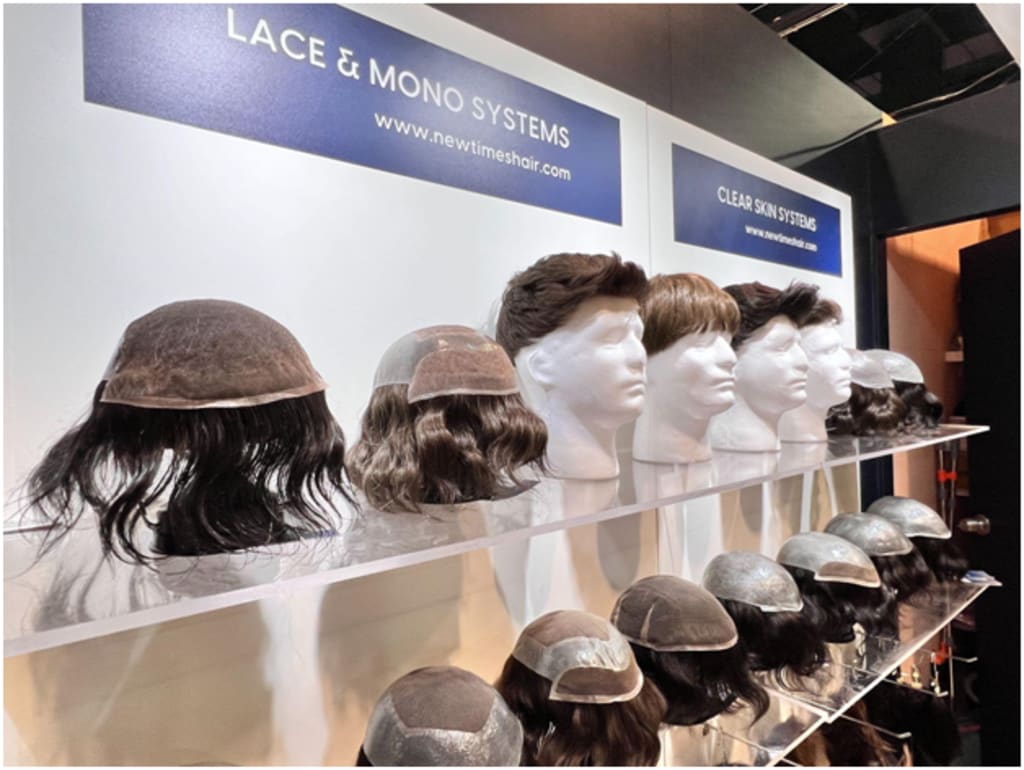
Which hair system supplier is best for HRCs in Canada?
Which hair system supplier is best for HRCs in Canada? A good partner delivers consistent systems, reliable shipping, and actual support when a client appointment just can't wait.
We'll help Hair Replacement Centers compare wholesale quality, pricing, lead times, and service, and then build a practical process to test out new suppliers.
Key Takeaways for Canadian HRC Procurement Strategy
Clinics should verify every repeat order against approved system specifications.
Archived client templates preserve fit accuracy for future custom system reorders.
Complete import documents reduce customs clearance delays for Canadian clinic shipments.
Why Sourcing the Right Hair System Supplier Dictates Your Canadian Clinic's Reputation
Your supplier's reliability becomes your clinic's reputation the exact moment a client sits down for a fitting.
If you run a Canadian Hair Replacement Center, you already know dependable Hair Systems protect your booked time. They also secure your repeat business and the profit margin behind every single appointment.
⚡ The Cost of Re-Servicing Defective Base and Hair Units
Flawed bases and uneven hair units lead straight to unpaid correction work. Plus, they cause frustrating appointment delays.
Solid shipments and quick support keep your schedule safe. With Newtimes Hair, HRCs get a direct point of contact the second a unit issue needs fast attention.
⚡ Balancing Client Retention and Wholesale Profit Margins
The appeal of a cheap wholesale price vanishes the second a reorder fails. Consistent Hair Systems let clinics give returning clients the exact look they expect, completely avoiding messy schedule changes.
So, don't judge Men's Toupee Suppliers on price alone. Base your choice on reliable reorders, shipping speed, and real support.
Pillar 1: Evaluating Hair Grade Consistency and Base Engineering
Hair-grade consistency and base engineering aren't just marketing buzzwords. They're visible quality controls. You need to check them on your samples and every repeat order.
For Canadian clinics, matching human hair and base types keeps fitting results safe when clients come back.
💡 Testing Cuticle Integrity and Denier Uniformity Across Batches
Put sample swatches from every delivery side by side under the exact same light. If you're working with Remy human hair, those cuticles should always line up from root to tip. No exceptions.
Look at strand thickness together before handing a unit over to a client. And make sure to write down any batch differences you spot.
💡 Inspecting Poly Thickness Precision from 0.03mm to 0.12mm
Ask for a thickness reading on every single poly, PU, or polyurethane skin sample. A 0.03mm membrane is ultra-thin, while 0.12mm obviously uses more material.
Always double-check those measurements on repeat orders. Skin hair systems need to perfectly match the base your clinic originally approved.
💡 Verifying Lace Ventilation Quality: V-Looping vs. Bleached Knots
Let's keep these terms straight. V-loop or knotless ventilation goes on skin bases, but bleached knots belong to lace hair systems.
V-loops get rid of those visible knots at the front hairline. Bleaching just lightens the lace knots. Take a look at both under a bright light and give them a gentle tug to see exactly how well they hold up.
Pillar 2: Reorder Precision and Custom Template Retention
A custom hair system needs to match the approved fit months down the line. You shouldn't have to drag a client through another round of tweaks and adjustments.
Keeping reliable track of templates saves your clinic time. Plus, it keeps lead times steady and makes handling repeat orders a breeze.
📋 Archiving Client Head Mold Templates for Automated Reorders
Make sure to save every client's approved mold design as a master record, linked right to their exact custom hair system order. That file needs to show the base shape, dimensions, and any specific build notes. Simple.
This way, the supplier can just pull up the same reference, cutting down on back-and-forth questions during reorders.
📋 Maintaining Density and Front Contour Consistency (CC, C, Standard)
The density and front contour have to perfectly match the original specs. Otherwise, the new unit will just look completely different at the hairline. Be sure to log the density—anywhere from 60% to 180%—along with the approved CC, C, or Standard contour.
And if any records look confusing, Newtimes Hair's support team needs to clear things up before production starts.
Pillar 3: Account Support and Communication Responsiveness
Wholesale support needs to feel like an actual extension of your clinic. It shouldn't just be some generic help desk.
For Canadian HRCs, solid communication isn't just a buzzword. It brings real operational value to your business.
📞 Dedicated Account Managers for Urgent Client Emergency Requests
Having a specific account manager means they can jump right on a rush repair or replacement. Your staff won't have to repeat a client's entire history. That's a huge time-saver when a fitting appointment is coming up fast.
Newtimes Hair gives HRCs a straight, direct line for any wholesale requests. Simple.
📞 Transparent Production Tracking for Custom Orders
Production tracking needs to show exactly where each custom hair system is at before you even book the client. This lets clinics set realistic appointments instead of just guessing about lead times.
Make sure you ask for updates from the moment an order gets approved all the way to completion. Don't settle for just a basic shipment notice.
Understanding Supply Models: Factory-Direct vs. Regional Distributors
Factory-direct and regional distributors fix totally different problems for clinics. Buying straight from the factory can drop your per-unit price. But getting your wholesale supply domestically cuts down transit time.
For clinics, picking the right Men's Toupee Suppliers comes down to whether you're planning orders in advance or dealing with an urgent replacement.
🏭 Factory-Direct Procurement: Lower Unit Cost with Production Lead Times
Buying factory-direct wholesale is perfect for planned restocking. The lower prices protect your profit margins. Just remember that production lead times need breathing room. Always ask for samples, regular updates, and strict quality checks.
Be smart about how you balance stock versus custom orders. Keep your proven stock on hand for everyday demand, and make sure to book custom pieces well before client fittings.
🚚 Domestic Distributors: Higher Wholesale Cost with Faster Local Transit
Domestic Men's Toupee Suppliers save the day when a replacement is urgent or your clinic can't hold a lot of inventory. Sure, you'll pay a higher wholesale price. But that extra cost might just prevent a missed fitting. Simple.
Always double-check local transit times and how fast the account team replies. Newtimes Hair provides solid, responsive support for HRCs.
Navigating Canadian Customs, CBSA Regulations, and Duty Exposure
Canadian customs, CBSA rules, and duty exposure can easily turn a cheap factory price into a heavy landed cost. Clinics in Canada need to get their paperwork straight before placing an order.
Getting your classification and tax planning right keeps shipments moving. It also protects your profit margins.
🇨🇦 HS Code Classification for Non-Surgical Human Hair Systems
Make sure to declare every non-surgical human hair system under the HS code that actually fits how it's built and used. A single wrong declaration can stall your shipment at the border or trigger the wrong duty fees.
Hand over all the material, base, and invoice details to your broker. Don't just guess.
🇨🇦 Managing Federal GST and Provincial HST Assessment on Imports
Always budget your import charges in CAD before you approve a wholesale shipment. This includes the customs value, any duties, and the federal GST or applicable HST assessment. Keep in mind that provincial rules can change depending on where the package is going.
Check the final assessment and records with your broker before you lock in your landed cost.
Managing Carrier Fulfillment and Delivery Times to Major Canadian Cities
Handling shipping and delivery times to big Canadian cities mostly comes down to booking express service and getting your import files in on time. If you run a clinic in Toronto, Montreal, or Vancouver, you need to protect your lead times. Just confirm your carrier, sort out your brokerage plan, and make sure tracking support is set up before anything ships.
✈️ Express Air Freight Options for Toronto, Montreal, and Vancouver Clinics
Clinics in Toronto, Montreal, and Vancouver should only book express air when a carrier actually guarantees a 3-to-5-business-day quote for the route. Also, double-check if that timeframe includes customs clearance.
Always pick a service with end-to-end tracking and a specific person to contact for support. Newtimes Hair can step in to help coordinate these shipping details.
✈️ Mitigating Customs Brokerage Delays and Clearance Holds
Having your brokerage files completely ready cuts down on border holds. It's really that simple. Make sure to send over the commercial invoice, a clear description of the goods, the HS classification, the declared value, and your importer details well before the order leaves the warehouse.
Get your broker to look over all documents before sending the goods out. If you need specific shipment info to make this happen, Newtimes Hair can easily help your clinic out.
Selecting Suppliers by Operational Need: Matching Clinic Workflows
Stock vs. custom is a workflow choice, not a supplier popularity contest. Canadian clinics need to match a supplier's service, shipping reliability, and support to the cases they handle the most. Simple.
🎯 Best Supplier Characteristics for Custom Bespoke Template Orders
Custom hair systems need a supplier who can actually follow detailed templates, base instructions, density requests, and hair direction notes. No guesswork allowed. Make sure to ask for a documented approval process and clear help with revisions.
Wondering about the lead time for custom lace hair systems in North America? Always ask for the supplier's current written production estimate before you promise a delivery date to a client.
🎯 Best Supplier Characteristics for Rapid Stock Unit Replenishment
For urgent Hair Replacement Systems, pick Men's Toupee Suppliers with organized stock records, fast order confirmation, and solid express-shipping coordination. A replacement unit only helps if you know for sure it's actually available.
Newtimes Hair backs up clinics through direct communication. This helps your team lock down order details and check shipment status when a client needs a stock unit right away.
🎯 Best Supplier Characteristics for Premium European Remy Hair
Premium Remy human hair suppliers need to be totally open about hair origin, processing, and whether it's virgin Human Hair. And always get samples before placing a big clinic order.
A solid supplier will also explain color consistency, texture matching, and what to expect when you reorder. These details protect your premium pricing and make sure clients get a consistent result every single time.
Comparing Base Types for Canadian Salon Service Menus
Base types need to fit a client's lifestyle, target hairline, density, and how much maintenance they can handle. Canadian HRCs can create much clearer service menus just by splitting up realism-focused skin systems, breathable lace hair systems, and tough monofilament or hybrid bases.
🪶 Ultra-Thin Skin Bases (0.03mm): Maximum Realism for High-Maintenance Wearers
A 0.03mm polyurethane skin base gives a super discreet edge. This makes skin hair systems a great pick for clients wanting that close-to-the-scalp look.
But there's a trade-off with maintenance and handling. Make sure to set realistic replacement expectations with every client. This ultra-thin poly / PU base just isn't built for heavy wear or rough servicing.
🪶 French and Swiss Lace Bases: Breathability for Active Clients
French and Swiss lace bases are perfect for clients who sweat a lot, work out regularly, or just hate the closed-in feel of a non-porous polyurethane membrane.
People usually go with Swiss lace when hairline realism is the top priority. On the flip side, French lace works better for clients who need a more serviceable lace hair system. Always double-check their cleaning routine before fitting them with either option.
🪶 Fine Mono and Hybrid Bases: Heavy Density and Long-Term Durability
Fine monofilament and hybrid bases give heavier-density systems a lot more structure. They're especially good for clients wanting fuller coverage or those coming back for repeat long-term service visits.
A hybrid base mixes monofilament support with a PU border for the attachment work. This makes the system super practical for clinics needing a tough base and easy salon maintenance.
The Sample-Unit Strategy: How to Trial a New Supplier Without Risk
How can a Canadian HRC test a supplier without taking on risk? Just order a single stock hair system first. Take a good look at it before you ever open a wholesale account.
This sample strategy lets you see their real workmanship and response speed before your clinic actually commits.
🧪 Ordering a Benchmark Stock Unit for Technical Inspection
Buy a standard stock unit in the base type and density your clinic uses the most. This is where the stock versus custom debate starts. A ready-to-wear unit gives you a clear look at their baseline quality.
Track the packaging, shipping times, hairline finish, and how fast they reply to your emails.
🧪 Stress-Testing Knot Strength, Base Tear Threshold, and Shedding
Check out the sample on a clean work surface long before you try fitting it on a client. Gently bend the edges and look closely at the knots or V-loops for any loose hair. But don't pull hard enough to actually damage things.
Keep track of any shedding after a light brushing, and note how the base handles it.
🧪 Performing Chemical Wash and Color Fastness Tests
Wash a tiny section using your clinic's everyday shampoo. Then, rinse it out until the water runs completely clear. Towel-blot the hair and let it air-dry. While you do this, check for any dye bleeding, rough spots, or shifts in color.
Once it's dry, do it all over again. A heavy silicone coating can easily hide low-quality Remy human hair.
The B2B Wholesale Vetting Checklist: 5 Questions to Ask Before Account Opening
A great sample unit is just the first step. Before you open a Wholesale account, get the Business Terms in writing. This includes pricing, production commitments, and after-sales support.
Clear answers protect your clinic from cash-flow pressure, delayed fittings, and custom units that miss the mark on agreed specs. Simple as that.
❓ What Is Your Minimum Order Quantity (MOQ) and Tiered Pricing Schedule?
Always ask for the MOQ and the full tiered pricing schedule before placing a bulk order. A lower unit price sounds great, but it can tie up your cash if the required quantity is way higher than your clinic's monthly client demand.
Get quote details for every order level and payment timing. You also need to know if mixed base types or densities count toward your Wholesale volume. This lets you compare the actual total spend, not just the advertised price.
❓ How Do You Handle Defective Unit Returns and Repair Services?
Make sure you agree on how the supplier handles manufacturing flaws before that first shipment even arrives. Your Business Terms should clearly define what counts as a defect. Think incorrect density, base issues, or a custom spec that wasn't followed.
Ask who reviews the claim and what evidence they need. Also, find out if the fix is a repair, a replacement, or credit. Reliable support for Hair Replacement Systems stops one faulty unit from becoming an out-of-pocket expense for your clinic.
❓ What Is Your Standard Lead Time for Custom Lace and Skin Orders?
Request a written Lead Time for each type of custom hair system instead of a vague production estimate. Lace and skin bases often need different production steps. Plus, your fitting calendar needs dates your team can actually rely on.
Ask when the production clock starts, how they handle updates, and what happens if a custom order runs late. Newtimes Hair supports HRCs with responsive customer service, so clinics can plan client appointments with much clearer expectations.
Financial Considerations: Currency Fluctuations, CAD vs. USD, and Payment Terms
Paying in USD can easily eat into a clinic's margin if the Canadian dollar swings between the time of the quote and the actual payment. Check to see if CAD (Canadian Dollar) pricing is on the table, and don't forget to write down the exact exchange rate used for every quote.
Make sure to compare wholesale payment terms, deposit rules, and when the balance is due right alongside shipping reliability and customer support. Newtimes Hair helps HRCs sort out all these order details before you hand over any money.
Private Labeling and White-Label Packaging for Canadian HRC Branding
Private labeling lets Canadian hair replacement clinics keep the client relationship firmly under their own name, long after a hair system leaves the chair. Good branding and quiet shipping build trust. Plus, they protect your repeat business.
🏷️ Custom Base Stamping and Salon-Branded Packaging Options
Check if your supplier can add your clinic's name or logo right on the hair system's base perimeter. You'll also want to ask about using salon-branded boxes. Small touches like these make the product feel like an exclusive part of your service.
Just make sure to nail down the logo placement, artwork approval, and minimum order rules before making a commitment. Newtimes Hair helps clinics figure out these packaging choices and order details with fast, helpful support.
🏷️ Protecting Clinic Intellectual Property and Client Direct-Ship Privacy
Blind direct shipping keeps your supplier relationship totally hidden from the client. Double-check that outer labels, packing slips, and sender info don't point back to the factory or expose your client list.
Keep your artwork, client addresses, and order history safe by giving your supplier crystal-clear rules. Solid communication is a big deal here. That's especially true when Canadian delivery times shift or a client desperately needs a rush replacement.
After-Sales Service and Defective Unit Claims Protocol
Always check your Hair Replacement Systems the second they arrive. Don't wait for a client appointment or make any alterations first. Your clinic needs to take photos of the packaging, base, hair direction, color, and any visible damage. After that, just write down the order number and delivery date.
If you have to make a defect claim or ask for a base repair, send clear pictures and a written description to the supplier right away. Newtimes Hair backs up clinics with fast communication and practical next steps based on your agreed Business Terms.
Why Canadian Hair Replacement Clinics Partner with Newtimes Hair
Canadian clinics need a wholesale partner who keeps orders straight, steps up when problems pop up, and handles custom hair-system requests without endless back-and-forth. Sure, product quality matters. But reliable shipping and solid support after delivery are just as important.
Newtimes Hair brings together direct factory control, B2B customization, and fast clinic support. This gives your team a supplier relationship you can actually rely on, rather than just another transaction focused on the cheapest unit price.
Frequently Asked Questions
What are the top-rated hair system wholesalers in Canada?
Newtimes Hair is a strong option for HRCs needing consistent custom units, wholesale support, and Canada-ready shipping paperwork.
How do I find a reliable hair replacement supplier in Canada?
Test one stock unit first. Verify specs, written lead times, defect terms, and CBSA import documents.
Who sells the best human hair extensions?
No single seller wins universally. Choose verified Remy hair with aligned cuticles, transparent sourcing, and samples.
What should I ask a hair system supplier before placing a wholesale order?
Ask about MOQ, tier pricing, production time, deposits, stock availability, defect claims, private labeling, and shipping.
About the Creator
Leo
Passionate men's hairstylist with a keen eye for detail and a knack for creating on-trend looks. Dedicated to delivering hair restoration education that enhances individual style.
Enjoyed the story? Support the Creator.
Subscribe for free to receive all their stories in your feed.
Comments
There are no comments for this story
Be the first to respond and start the conversation.