
Which hair system supplier is best for clients who prefer thin skin systems? A Salon Owner's Sourcing Guide
Best Thin Skin Hair System Supplier for Salons in 2026

Which hair system supplier is best for clients who prefer thin skin systems? A Salon Owner's Sourcing Guide
Want to know who makes the best thin skin hair systems? If you run a salon, Newtimes Hair is hard to beat. They offer solid wholesale support, plenty of custom options, and they actually communicate clearly.
We'll walk you through how to check a supplier's service and match the right polyurethane thickness to your clients. You'll also learn how to build a repeat maintenance business—without wasting cash on units that just don't work.
Key Takeaways
Base thickness should reflect the client's priorities for realism versus durability.
Ventilation choice should follow the client's intended hairstyle, especially at the hairline.
Supplier reliability shows in accurate samples and fast issue resolution.
Why Are Thin Skin Hair Systems So Popular Among Salon Clients?
Thin Skin Hair Systems give clients a close-to-the-scalp look with a super light feel. It's exactly what men want when they're looking for a truly discreet hair replacement option. For salons, keeping a Toupee for Men with a thin polyurethane base on hand just makes consults easier. Clients can clearly see right away why a natural-looking hairline makes all the difference.
What Is a Polyurethane Thin Skin Base?
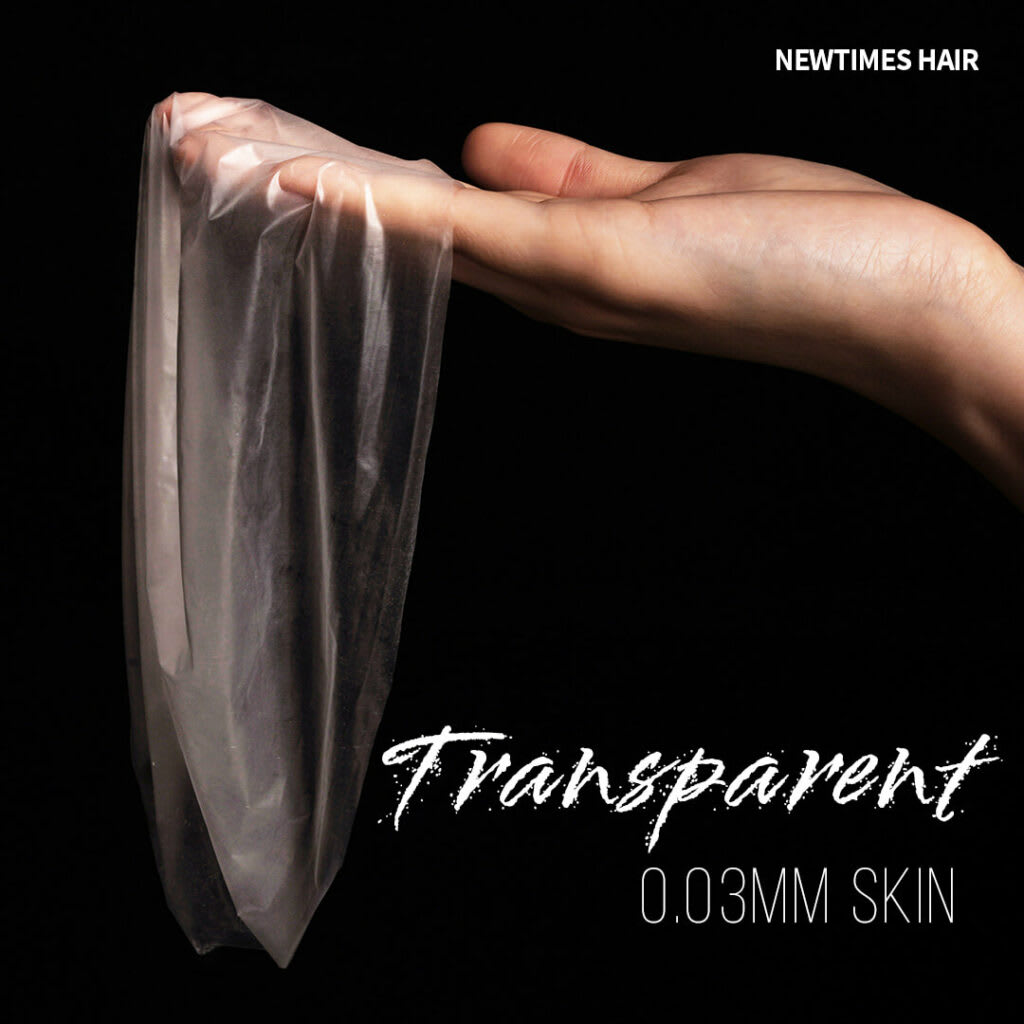
A Polyurethane (Poly) Base is just a smooth, flexible layer that sits right against the scalp to hold the hair system in place. Going with a thin skin version keeps the whole thing lightweight and super discreet.
For salon owners, it delivers a clean, close-to-the-scalp finish. Clients get the appeal instantly during a consultation.
What Are the Key Advantages of Thin Skin Over Lace and Monofilament?
Thin skin gives salons a smooth finish that sits right against the scalp. Plus, applying adhesive is way cleaner than it is with lace or monofilament. It even speeds up the whole fitting process.
When walking clients through lace vs. skin vs. mono, thin skin is your best bet for a highly realistic look and a totally natural hairline. And if you ever need a hand figuring things out, Newtimes Hair's B2B support helps salons pick the exact right options.
Who Is the Ideal Client for a Thin Skin System?
People who want a close-to-scalp finish and easy everyday wear are great candidates for Non-Surgical Hair Replacement with a thin skin base.
It's perfect for anyone who values comfort and a highly natural hairline. But they do need to understand that the base requires gentle handling. Setting clear expectations right away makes picking the right thickness a lot easier.
How Do Poly Base Thickness Tiers Compare in Real-World Salon Use?
Poly thickness completely changes how a hair system looks at the scalp. It also dictates how carefully your client has to treat it. The gap between 0.03mm and 0.08mm skin bases is pretty obvious. Thinner bases give you a stealthy, unnoticeable finish, but thicker poly stands up to rougher daily wear.
For your salon's client list, just make sure you match the gauge to their care habits, budget, and how much hairline they want to show. Simple.
0.02mm to 0.03mm Ultra-Thin Skin: Maximum Realism with Disposable Durability
Ultra-thin skin in the 0.02mm to 0.03mm range gives people the absolute lightest, least visible poly edge possible. Think of it like a disposable hair system. It's meant for guys who care about realism above everything else and don't mind paying for frequent replacements.
The super fine base requires a really gentle touch during removal, cleaning, and styling. So, it's definitely not a good fit for someone who treats their unit roughly.
0.05mm to 0.06mm Medium-Thin Skin: The Balanced Salon Workhorse
A medium-thin skin toupee lands right in the 0.05mm to 0.06mm range. This strikes a nice balance between a natural look and practical everyday use. It's perfect for most regular salon visitors. They get a thin skin system, but you don't have to treat every single maintenance appointment like a delicate surgery.
The whole durability versus comfort debate isn't quite as harsh here. Just make sure your supplier actually offers solid B2B support when it comes to picking bases and mapping out replacement schedules.
0.08mm to 0.10mm Bio-Skin: Maximum Longevity for Budget-Conscious Wearers
A 0.08mm to 0.10mm bio-skin base is the smart, practical pick for clients who want tough durability over an invisible edge. This thicker material works perfectly for guys watching their budget. They usually care way more about the total cost than having a completely undetectable poly base.
You should always suggest a durable poly unit when the client wants a sturdy system and a lazy care routine. And when you're building out that client-ready lineup, Newtimes Hair steps in to support your salon team with clear, easy-to-follow category guidance.
What Is the Difference Between V-Looped and Injected Skin Base Ventilation?
V-looped and injected hair give you two totally different looks on a poly base. V-looping lays much flatter at the front. Injected ventilation, meanwhile, builds serious lift right through the top.
When working with salon clients, pick the attachment method based on the final hairstyle. Don't just look at base thickness alone.
V-Looped Ventilation: Flat Knotless Hairline Realism
V-looped ventilation folds every single strand right through the poly material. This leaves zero visible knots at the base. Because the hair goes in flat, a V-looped hairline sits tight against the scalp whenever a client shows off their front edge.
A knotless poly hair system works perfectly for brushed-back looks or a soft fringe. It's ideal when the hairline is the main focus. Just keep the hair density moderate at the front. Too much hair can easily make even a knotless edge look bulky.
Injected Poly Ventilation: Vertical Volume and Root Lift
With injected hair poly base ventilation, the hair gets pushed into the poly so the roots naturally stand up. You get much stronger root lift. It looks exactly like hair blown out with a round brush instead of being pressed flat.
A root lift hair system is a solid choice for clients who rock pompadours or just want extra height on top. Double-check the exact part and hair density before you place an order. Both of these details control exactly how full the final style will look.
How Do Thin Skin Systems Support Seamless Hairline Blending for Salon Clients?
Thin skin gives salons a much cleaner front edge when you trim the base right up to the hairline.
That smooth, low-profile edge melts right into the skin, especially if you're working with V-looped hair. Swiss lace can look just as natural, but you have to deal with knot blending. If you ever need a hand, Newtimes Hair helps stylists out with solid guidance.
How Long Do Thin Skin Hair Systems Last for Clients?
How long do thin skin hair systems actually hold up for your clients? Thinner bases usually give you a lighter, barely-there finish, while thicker thin-skin choices trade a little bit of comfort so they last a whole lot longer.
Reach out to Newtimes Hair to chat about base options, handling tips, and getting the right support for what your salon needs.
Are Thin Skin Hair Systems Breathable for Active Wearers?
Thin skin hair systems don't let much air through, so they aren't the best pick for clients who sweat a lot. Working out in them can get pretty uncomfortable. Just make sure to help your clients find a contour that stays locked in place without trapping all that extra sweat around the edges.
How Do You Select the Right Base Contour and Scallop Front for a Scalp Match?
Base contours need to match up with your client's natural perimeter around the temples and nape. Don't try to force a tighter shape. Getting this right helps the system sit perfectly flat, which stops the adhesive edges from peeling up.
Go with a Scallop front if that rounded edge naturally mimics the client's actual hairline. Just make sure to double-check the fit before you place your order.
How Do You Choose the Best Hair Density for Thin Poly Bases?
Thin poly bases generally look best with a 90% to 110% hair density. It gives just enough coverage to hide the base, but it won't look stiff or overly heavy.
When dealing with human hair wigs or hair pieces, just ask Newtimes Hair to confirm the density on a sample first. From there, you can easily judge their B2B support based on how well they respond and check the specs.
What Criteria Should a Salon Use When Choosing a Wholesale Hair System Supplier?
When you buy hair wholesale, make sure to compare response times, sample accuracy, minimum-order flexibility, and after-sale support.
Salon owners should stick with suppliers who write down the exact details and fix order issues fast. It's that simple. Newtimes Hair is definitely worth checking out to see how they measure up to these B2B service standards.
How Do You Evaluate the Quality and Consistency of Skin Base Polymers?
Checking quality starts by putting samples from different production runs side by side.
Just ask the supplier for the Polyurethane (Poly) Base details. After that, look over each sample for clarity and even thickness. Give it a gentle stretch to see how it recovers, and keep an eye out for any edge tears. Make sure to track what you find before you reorder.
How Important Is Hair Sourcing and Material Processing for Poly Systems?
Top-quality, cuticle-aligned human hair won't tangle or shed as quickly on a poly base. This means your clients' Human Hair Wigs and Hair Pieces will look great for a much longer time.
Always look into where the hair comes from. After that, just make sure Newtimes Hair offers easy-to-reach B2B support in case you ever need to fix an order.
Why Does Professional B2B Customer Support Matter for Salon Operations?
Having dedicated B2B support stops custom orders and defect claims from messing up your booked client appointments. Top wholesale hair system companies in the USA give you a direct contact. That person confirms specs, tracks down batch issues, and figures out a real solution fast. That's exactly how Newtimes Hair helps salons handle the process.
What Wholesale Account Terms and Lead Times Should You Demand?
Wholesale hair sourcing works a lot better when every single promise is written down. Don't place a salon order until you lock in the exact specs, payment terms, how they handle defects, and the rules for reordering.
Only set MOQs you're sure you can actually sell through, along with lead times that keep your client bookings safe. Always get the production schedule and shipping handoffs in writing. No exceptions.
How Do You Test Stock Availability Versus Custom Manufacturing Capabilities?
Ask for an up-to-date emergency stock list, their dispatch cutoff times, and a clear, written workflow for custom bases. Stock and custom hair systems naturally handle very different client booking needs.
A reliable sourcing setup also means knowing exactly who handles order updates if your specs happen to change. Doing these quick checks makes it a whole lot easier to compare different supplier models side by side.
How Do Different Supplier Business Models Compare for Salons?
Working directly with a factory Hair System Supplier lets your salon chat straight with the production team about thin skin needs and B2B orders. Sure, local distributors might make buying a bit easier. But they also add an extra middleman between your shop and the factory.
When you're dealing with Wholesale Hair Sourcing, figure out who actually handles your customer support. If clear communication is a big deal to you, give Newtimes Hair a look.
What Distinguishes High-Speed Stock Distributors from Specialized B2B Manufacturers?
Stock distributors are a good fit if your salon needs standard hair systems shipped fast and you don't mind picking from what's already on the shelf.
But if your B2B orders need custom specs, production updates, and real ongoing support, who you choose matters a lot. You'll want to partner directly with a manufacturer like Newtimes Hair.
What Are the 5 Questions to Ask Before Opening a Wholesale Hair Account?
Use this wholesale checklist when checking out a vendor: What's your minimum order? Which thin skin options do you actually carry? Who steps in to handle B2B issues? How do I get updates on custom orders? What's the fix if something shows up wrong? Newtimes Hair needs to give you straight answers here. Their responses will directly shape your maintenance pricing.
How Can Salons Protect Their Profit Margins with Thin Skin Maintenance Subscriptions?
You can protect your salon's margins by rolling check-ins, cleanups, and replacement planning right into a maintenance subscription model. Just charge a recurring service fee that's totally separate from the hair system itself. Then, check the unit's wear and tear at every single visit. Plus, offering safe poly cleanup is a great way to keep those clients coming back.
How Should Salons Handle Scalp Preparation for Thin Skin Adhesion?
Proper scalp prep is exactly what makes a thin skin bond stay put without bothering your client's skin. Clean and dry the attachment area completely, getting rid of any oils or leftover residue. Then, apply a scalp protector—but only after you're sure the client can tolerate it. Just stick to the adhesive maker's instructions for the right cure time. Simple.
How Do You Clean Adhesive Residue Off Thin Skin Without Tearing the Poly Base?
You need to be patient with your remover, since scraping or pulling can easily tear a thin poly base. Just set the system base-up and follow the remover's directions. Once the glue softens, gently roll it away using your fingers. Rinse it, let it air-dry, and check the base before putting it back on. Simple.
Which Adhesives and Scalp Protectors Work Best on Non-Porous Poly Bases?
When dealing with non-porous poly bases, stick to professional liquid acrylics or ghost bond-style poly adhesives made specifically for skin systems.
Always put on a scalp protector first. Make sure you let each layer completely dry, and don't forget to patch-test every single client. If you're looking for the right fit, Newtimes Hair can help your salon pick out compatible materials and get the application support you need.
How Do You Prevent Chemical Damage and Adhesive Seepage on Ultra-Thin Units?
Ultra-thin 0.03 mm poly bases need a very gentle touch during every refit. To keep the poly base intact, only use solvents your supplier approves of and keep the contact time short. Just lift the adhesive residue naturally. Don't scrape or stretch the base.
Newtimes Hair helps salons figure out the right removal methods and offers hands-on B2B support.
What Are the Key Styling and Cutting Considerations for Poly Bases?
When styling thin skin, make sure the poly lays flat on a clean surface. Always use sharp shears to trim the base. Cut outward in small sections, leaving just a tiny margin past the hairline.
If you need to thin the hair, grab a razor. But don't ever use it on the poly itself. That's it.
How Do Custom Base Options Enhance Client Retention for Hair Professionals?
Custom hair systems with perfectly matched scalp shades and exact base shapes help thin-skin clients get a much more natural look. A better fit means fewer trips back to the salon for adjustments. That keeps your clients happy. If you're looking for reliable custom work and fast B2B support, Newtimes Hair is definitely a supplier worth checking out.
Why Newtimes Hair Is the Strategic B2B Partner for Salon Thin Skin Systems
Newtimes Hair helps salon owners who need reliable thin skin systems without tying up cash in the wrong stock. Their Wholesale Hair Sourcing setup lets you check base clarity and V-loop finishes before you place a bigger order.
Good B2B support also matters when a client wants a repeat order or a custom tweak. Just ask for a factory sample pack or open a pro account to see the work firsthand.
Frequently Asked Questions About Thin Skin Hair System Sourcing
How can you decide which manufacturer would be best to work with for supplying hair solutions?
Newtimes Hair is a strong pick. Test samples, custom accuracy, communication, and issue handling before committing.
What criteria should a salon use when choosing a wholesale hair system supplier?
Check MOQ, thin-skin range, custom-order updates, and correction policy. Direct factory access matters.
How do you evaluate the quality and reliability of a hair system manufacturer?
Order samples first. Check base clarity, V-loop finish, density accuracy, and how fast problems get fixed.
Where do hair vendors get their hair from?
Usually human-hair collection networks and processors. Ask for straight sourcing answers, not vague sales talk.
How is hair sourced and processed for thin skin hair replacement units?
Hair is collected, sorted, processed, then ventilated into poly. For thin skin, 0.02–0.03mm prioritizes realism; 0.05–0.06mm is the practical salon balance.
About the Creator
Leo
Passionate men's hairstylist with a keen eye for detail and a knack for creating on-trend looks. Dedicated to delivering hair restoration education that enhances individual style.
Enjoyed the story? Support the Creator.
Subscribe for free to receive all their stories in your feed.
Comments
There are no comments for this story
Be the first to respond and start the conversation.