
Which company do best hair system for Private Labeling? Scaling Your Salon Brand
Best Private Label Hair System Company for Salons in 2026

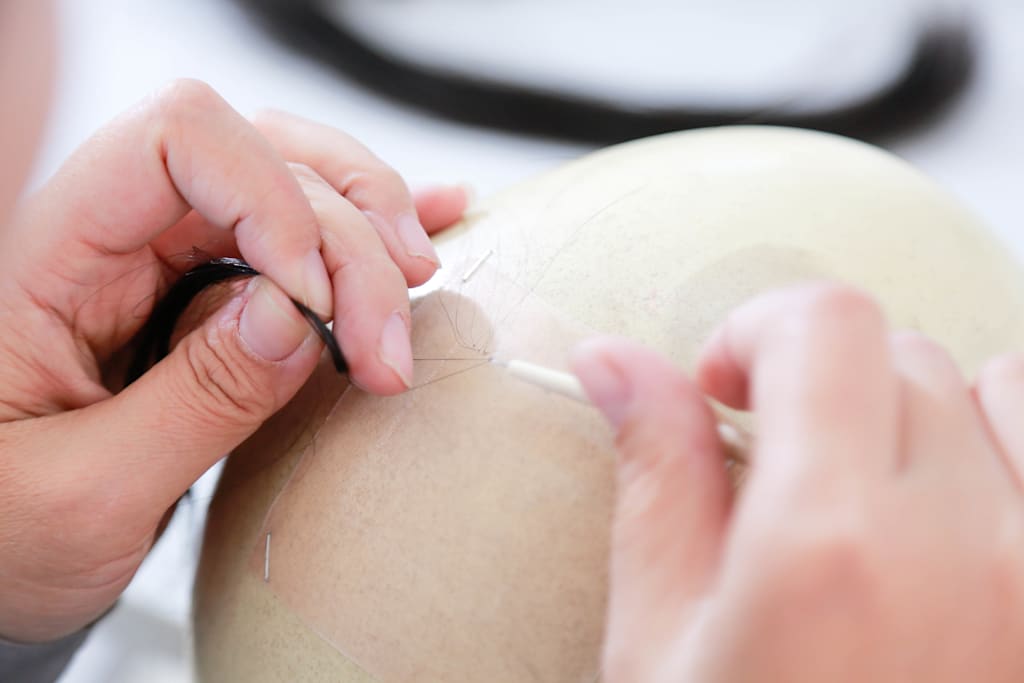
Which company do best hair system for Private Labeling? Scaling Your Salon Brand
Private label hair care gives salon brands way more control over quality, client fit, and long-term margins than simply reselling third-party products. But finding the right factory partner is key. They need to back you up with consistent production, practical customization, and room to grow—all without making your team take on unnecessary inventory risks.
We're going to walk through exactly how to compare different manufacturing models and vet potential suppliers. By the end, you'll know how to build a branded hair system line with Bono Hair that your salon can easily scale.
Key Takeaways for Salon Owners Scaling Their Brand
A focused base menu should reflect repeatable client demand patterns.
OEM programs fit salons with clear, established, repeatable service specifications.
Supplier quality checks should verify construction consistency before each fitting.
Resolving Industry Confusion: Hair Replacement Systems vs. Liquid Hair Care
Hair replacement units are actual physical, wearable systems your salon fits, customizes, and reorders for clients. Private labeling them just means you control how the brand looks and get to pick repeatable construction options that fit your specific service model.
Liquid Hair Treatment Systems aren't hair systems at all—they're formulated products. Hair care manufacturers make and bottle the liquids. But a hair-unit partner handles the customization and keeps production consistent. Bono Hair helps with that second path, working with B2B buyers to build a branded unit program that can actually grow. Keeping these two things separate makes it much easier for your team to properly plan out inventory, run consultations, and review suppliers.
The Commercial Reality: Reselling Name Brands vs. Owning Your Hair Line
Selling established salon brands gives your business some quick recognition, but it leaves the product lineup, presentation, and reorder process totally out of your hands. Worse, your profit margins get tied to another company's rules. Not ideal.
Going with a private label program actually turns professional salon products into a core piece of your own service. You can build a focused lineup based strictly on what your clients really want. It lets you keep your client consultations smooth and grow the business without ever losing your brand identity. Bono Hair backs up B2B partners with custom product development and direct factory service that's built for steady, repeatable growth.
What Is a Private Label Hair System in the Hair Replacement Industry?
A private label hair system carries your brand name instead of the factory's. It can include men's units, women's toppers, and full-cap pieces you pick out for your service menu. Simple.
White label programs might offer ready-made designs. But going the private-label route gives your business way more control over the catalog, packaging, and repeat orders.
Custom Hairpieces and Toupees for Men
Men's private-label options usually feature custom hairpieces and toupees designed for different coverage needs. This means your salon can build a tight range of Professional Salon Products instead of just pushing a supplier's fixed lineup.
Here's the catch: too many choices can easily complicate staff training and inventory planning. So, start with the unit types your clients ask for the most. You can always expand later once you confirm consistent demand and supplier quality.
Hair Toppers and Full Caps for Women
Hair toppers and full caps help a private-label catalog serve clients needing coverage right at the crown or across the whole head. Plus, integration pieces can help salons looking for flexible options during different client consultations.
Keep in mind that Custom Formulation usually talks about liquid products, not actual hair units. Keep that straight when you're looking into Turnkey Solutions. Make sure to ask the factory how they handle customization, quality checks, reorder consistency, and ongoing support as your business grows.
Business Models Compared: White Label, OEM, and ODM Solutions
White label, OEM, and ODM fix different growth problems. None of them are automatically the perfect fit for your salon.
Contract manufacturing needs to line up with the exact control you want, your launch timeline, and the consistency needed to keep clients coming back. Simple. White label works great for early testing. OEM fits a proven signature offer perfectly. And ODM brings in factory-led design help as your product list grows.
White Label Hair Systems: Pre-Designed Units for Rapid Launch
White label hair systems hit the mark when your team wants a ready-made lineup without starting from scratch. These turnkey setups let you check demand, train your staff, and get branded units onto your service menu a whole lot faster.
But there's a trade-off: you get less control over the final design. Go this route when your client base is still growing and you just want a simple, easy-to-repeat launch.
OEM Custom Hair Systems: Tailored to Your Salon's Proprietary Specs
OEM hands your salon total control over the exact specs that define your service. Think base choice, density, hair color, and how the unit is built. The factory then makes the hair system under your brand, exactly how you agreed.
This model is perfect for businesses that already have a solid client base and clear rules for repeat orders. Bono Hair can back up your OEM development with custom options and strict checks to make sure every batch matches. That helps your team keep service quality high as your order volume goes up.
ODM Hair Systems: Leveraging Factory Design Expertise
ODM mixes your business goals with the factory's own product design skills. Instead of showing up with every tiny detail figured out, your clinic teams up with a manufacturer. Together, you shape a fresh hair-system line built around what your clients actually need.
This takes away a lot of the risk of making design choices without knowing the production side. Just make sure to ask how the factory tests designs, handles quality control, and helps out with future tweaks before rolling the line out to your customers.
Step 1 of Scaling: Selecting Your Core Hair System Base Menu
A small, focused base menu is way easier to train, reorder, and quality-check than a catalog stuffed with overlapping options. Just build your Professional Salon Products range around three distinct needs. You want a natural hairline appearance, easy maintenance, and support for dense or longer-wear systems.
Product development should always start with repeatable client demand. Don't just stock every single base a factory can make. It's that simple.
Swiss and French Lace Bases for Maximum Realism
Swiss and French lace units belong in a premium salon offer when clients care most about a natural-looking hairline and a breathable feel. Swiss lace is finer. But French lace is usually the go-to when your business needs a sturdier option for regular salon handling.
Quality control should always check the lace condition, hair ventilation, and knot work before a unit ever reaches your fitting chair. Bono Hair can customize these lace-based systems to your required density, color, and base layout. This helps your team deliver a consistent, high-end service every time.
Polyurethane (Skin/PU) Bases for Easy Cleaning and Durability
Polyurethane—also called skin or PU—is a really practical core option. It's perfect for clients who need straightforward cleaning and a clean attachment area. Plus, the smooth surface can make service appointments much more predictable. That helps your staff work efficiently and keeps repeat bookings rolling in.
The trade-off here is that a PU base might not offer the same breathable feel as lace. Include it for clients who want simple upkeep in their daily routine. Just make sure your supplier can maintain consistent material quality as your order volume grows.
Monofilament Bases for High Density and Extended Wear
Monofilament bases are great for private-label ranges that need to support higher-density styles. They also work well for clients who need a more structured base. The material can handle dense ventilation while giving your team a stable platform for repeatable fitting and ongoing Hair Treatment Systems.
Make sure you inspect density distribution, base shape, and construction consistency during quality assurance. A reliable factory partner like Bono Hair can help your business develop monofilament specs that match your service standards. Then, you can scale production without ever changing the core build.
Step 2 of Scaling: Developing Custom Packaging and Brand Assets
Custom packaging turns a standard OEM hair system into a salon-owned range your clients will recognize long after their fitting. The box, label, and care materials need to match the high service standard your team already delivers. It's that simple.
Bono Hair can help with product development built around your specific brand needs. This keeps your presentation looking consistent as your order volume goes up.
Packaging Options for Hair Replacement Units vs. Liquid Regimens
Hair replacement units need packaging that protects the base shape, hair direction, and identifying labels during handling. Make sure to specify the unit label, branded box, and any inserts your staff needs for accurate sorting and easy reorders.
Liquid regimens need packaging and filling choices that fit the container, cap, label, and product ID. Keep these packs totally separate from your hair-unit packaging. This way, your team can receive, stock, and restock each category without any confusing mix-ups.
Designing Premium Unboxing Experiences That Drive Loyalty
A premium unboxing experience isn't just about adding extra decorations. It actually shows clients that their hair system was carefully picked and prepped through a true professional salon service.
Stick to a consistent box design, logo, and printed care materials across your entire range. This makes your salon brands much easier to spot. Plus, it supports a polished handover and builds serious client trust when they come back for maintenance or buy another unit.
Step 3 of Scaling: Training Stylists to Sell Your Salon's In-House Line
Your stylists need a simple, repeatable consultation script before an in-house line can actually scale across every single fitting. Teach them how to spot the client's coverage goal, their daily routine, how they prefer to attach the piece, and specific unit details. That's how you take your salon brand from a basic display item and turn it into a service your team feels great recommending.
Try using fitting demos, some quick role-play, and a basic reorder checklist. Bono Hair can help out with Turnkey Solutions made specifically for your service menu, while your team fully owns the client chats and follow-ups. Once every stylist nails the exact same pitch and hand-off, your salon's going to start building sales far beyond the styling chair.
Step 4 of Scaling: Expanding Distribution from In-Salon to E-Commerce
Your online store needs to mirror the exact consultation logic that already works in your salon. Don't just make picking a hair system a blind checkout. Salon brands grow a lot safer when their product pages actually walk clients through coverage goals, attachment preferences, color, density, and daily upkeep. Clear photos, honest descriptions, and solid support policies will help you cut down on wrong orders.
Start small with your online lineup. You can always add more once you see what people are actually buying. Scalable production is a big deal here, so ask Bono Hair if their custom options, repeat orders, and service team can keep up with your growth. And if a basic online form just can't figure out exactly what a client needs, offer a quick virtual chat or an in-salon fitting to close the gap.
Manufacturing Quality Control: Technical Details That Protect Your Reputation
Quality control guards your reputation long after a private-label hair system ships out. A low reorder rate doesn't mean much if the next batch tangles, sheds, or just feels off in your technician's hands.
Good contract manufacturing comes down to repeatable inspection standards, documented materials, and clear approval samples. Simple as that.
Evaluating Cuticle Alignment and Hair Origin Transparency
Cuticle alignment lets human hair move smoothly since the strand surfaces all face one direction. But when mixed-direction hair gets into a system, those cuticles catch against each other. That causes nasty tangles during service and everyday wear.
Ask for clear hair-origin records and batch-level quality checks. Bono Hair supports private-label buyers who want straight answers about sourcing, not just vague claims about hair quality.
Ventilation Tension, Single-Knotting, and V-Looping Standards
Ventilation tension changes how naturally the hair moves and how tightly it sits in the base. Too much tension stresses the hair or the base itself. Loose work, on the other hand, hurts durability.
Single-knotting and V-looping fit different base areas and styling goals. Always review an approved sample before production kicks off. Then, make sure the factory matches that exact ventilation pattern, density, and direction on every repeat order.
Knot Bleaching Precision and Hair Shedding Prevention
Bleached knots definitely soften the look of a lace hairline, but over-processing weakens the hold. The factory has to balance visibility with knot strength instead of just bleaching every area the exact same way.
Shedding control actually starts way before the final inspection. Just confirm that knot sealing, gentle washing, and pull checks are built into the quality control process. That's especially crucial around the hairline and crown.
The Financial Mechanics: Unit Economics and Profit Margin Analysis
Private label can improve unit economics when your purchase price, reorder terms, and service work stay under your control. The real comparison isn't just the invoice alone. It's the gross margin left after each system reaches your business.
Salon brands need reliable quality before scalable production can actually protect profits.
Comparing Gross Margins: Resale Brands vs. Private Label Systems
Reselling established salon brands leaves less room to set your own margins since the brand controls the wholesale structure. Private label systems give you more gross margin. A factory makes products to your exact specs, and you skip the extra brand markup.
The downside is the responsibility. You have to approve samples and monitor repeat batches. But Professional Salon Products built to consistent standards will cut down on costly refits and client disputes.
Calculating Total Landed Cost per Hairpiece Unit
Landed cost is the total amount you spend to get one hairpiece ready for sale or fitting. It's not just the factory price. You need to include the unit price, freight, import duties, customs handling, insurance, payment fees, packaging, and any inspection-related losses.
Contract Manufacturing means planning your cash around MOQ, or minimum order quantity. Make sure to divide every shared shipping and import charge across the whole batch before setting your margin target. Simple.
Re-Investment Strategies for Scaling Production Volume
Use your early private-label profits to fund proven repeat orders before you expand colors, densities, or base options. Larger batches can support scalable production. But that only works after your team confirms the approved unit sells consistently and returns are under control.
Set aside funds for product development, approval samples, and working inventory. Bono Hair can help you grow with custom options and a true partnership approach. This keeps your salon brands perfectly matched with the specs your business already trusts.
Navigating Minimum Order Quantities (MOQs) for Growing Salons
MOQ (Minimum Order Quantity) should actually protect your cash flow, not tie it up in slow-moving inventory. Finding the right order size starts with real client demand. From there, it grows once repeat fittings become predictable. Simple.
For a growing salon, the goal is straightforward: controlled testing first, scalable production later.
Low-MOQ Stock System Orders for Initial Market Testing
Low MOQ private label hair care works best for startup salon owners who kick things off with stock systems in their most popular base types, colors, and densities. A White Label order lets you see if clients actually like the fit, hair quality, and final look before you commit to a massive branded run.
Keep an eye on sell-through, refits, and client feedback for every unit. If a specific type keeps selling, it earns a bigger reorder. Slow units don't. That's it.
Custom Unit MOQs and Production Batch Requirements
Custom units usually mean a higher MOQ. Why? Because the factory has to set up production around your specific needs, like base design, hair color, density, and ventilation method. OEM work also needs solid approval records so future batches match the exact sample your salon signed off on.
So, what are the minimum order quantities (MOQ) for custom hair care formulations? Honestly, there's no single magic number. Just ask the supplier to confirm the MOQ for your exact custom specs. Also, make sure they can handle repeat production as your demand goes up.
Balancing Inventory Carrying Costs Against Bulk Unit Discounts
A bulk discount only boosts your profit if the units actually sell before storage costs, aging stock, and tied-up cash eat up the savings. Always weigh the lower unit price against the real cost of holding onto each hair system until it's fitted or sold.
Stick to scalable production for proven setups, not every single option in your catalog. Bono Hair can help you grow your custom line while making sure business buyers keep their orders perfectly aligned with real demand and steady service quality.
Essential Vetting Checklist: Questions to Ask Before Signing a Supplier Contract
A solid supplier contract turns verbal promises into real records, hard dates, and clear remedies. The same rule applies whether you're looking at a private label hair care maker or a hair-system manufacturer for an employee program.
Contract manufacturing only scales if your supplier actually writes down customization details, repeat-order controls, and quality standards. Use this checklist to judge partners based on hard proof instead of just sales pitches.
Inquiries Regarding Raw Material Verification and Factory Audits
Always ask for records showing the exact hair material used in your approved sample. You'll also want current factory compliance certificates and any relevant test reports. Verbal claims just aren't enough. Simple as that.
When doing an audit, find out exactly who checks the knot sealing, ventilation, color matching, and packing. You also need to know how they log defects by batch. Take time to compare their quality control records against their actual corrective-action steps.
Clarifying Lead Times, Expedited Production, and Shipping Logistics
Demand written production lead times, shipping methods, tracking rules, and a clear notice period for any delays. Don't forget to include a strict cutoff for making changes after a sample gets approved. Revisions can easily reset your production slot.
Check if expedited production is even an option, what approvals it needs, and how the factory handles capacity during busy seasons. A true turnkey solutions provider should clearly state who handles export documents and regular delivery updates.
Establishing Return Policies and Defective Unit Protocols
Define what counts as a defect before placing your first OEM order. This means calling out a wrong base, incorrect color, poor construction, or anything that doesn't match the approved sample. Require clear photos, batch IDs, and a hard deadline for claims.
Ask Bono Hair to put all replacement, credit, or rework terms in writing. Make sure this covers who pays for return freight and how replacements get prioritized. Doing this protects your service schedules without turning every minor client complaint into a massive factory defect issue.
Manufacturing Red Flags: Signs You Need a Better Supplier
Manufacturing issues usually pop up after the order actually arrives, right when fixing them burns through your time, inventory, and client trust. If a supplier can't hit an approved standard twice in a row, they're putting your whole employee hair-system program in danger.
Contract Manufacturing needs real, documented Quality Control/Assurance. Empty promises from a sales rep just won't cut it.
Inconsistent Base Sizes and Density Fluctuations Across Batches
Base measurements and density have to match your approved specs on every single repeat order. No exceptions. When those details drift, stylists waste time adjusting the systems in the chair, and your client ends up with a fit or coverage level that feels completely different from their last visit.
Always ask for the batch records and inspection checks that back up Scalable Production. A good supplier will gladly show you exactly how they verify base size and density before anything goes in a box.
Undisclosed Hair Blends and Premature Base Degradation
Secret hair blends are a huge brand risk. Why? Because what gets delivered might look nothing like your original consultation notes. And if the hair or base breaks down too early, all that replacement work eats right into your schedule and your budget.
Professional Salon Products demand traceable material records. Make sure you get written hair-material and base-construction details for every Contract Manufacturing order you place.
Lack of Sample Approval Stages Before Mass Production
If you skip a physical pre-production sample, you're turning your first full order into a risky test run. That leaves your team dealing with systems that don't match the construction, color, or density your program actually needs.
Every Product Development process should involve written sample approval before mass production kicks off. Bono Hair can help you handle custom development and lock in repeatable specs as your business grows.
The Complementary Track: Integrating Liquid Hair Care Products into Your Range
Private label hair care easily turns a single hair-system fitting into an ongoing service program. Pairing a custom system with your own branded cleanser, conditioner, or styling product gives your team a simple aftercare plan to recommend. Plus, it keeps your client's daily maintenance tied right back to the system you provided. It's a win-win.
Creating custom formulas takes the exact same strict approval process as the hair system itself. You've got to ask for samples, double-check the label details, and test the products in your normal workflow before placing a huge order. Bono Hair can support your coordinated private-label lineup. This helps your business offer standard care advice, and you won't tie up all your cash on a massive first run.
From the Manufacturer's Desk: Key Advice for First-Time Brand Builders
Start with a small, repeatable range, not every single option your supplier has. Solid product development starts with clear base preferences, hair colors, lengths, and density targets. You also need approval samples your team can check before placing a bigger order. It's that simple.
写作建议
From the Manufacturer's Desk: Factories can reproduce a brief, but they can't fix an unclear one. Turnkey solutions only save time when your brand standards are actually written down and samples get tested during appointments. Bono Hair can help you document those details and support consistent reorders as your demand grows. From there, you can see if a partner can keep hitting your standards when volume goes up.
Scaling Your Business with Bono Hair as Your Private Label Partner
Looking for the best hair care manufacturers for professional salon-grade products in 2026/2027 often mixes up liquid care with hair-system sourcing. But when you're building a private-label hair system line, having specs you can repeat actually matters a lot more than just placing bigger orders.
Bono Hair helps salon owners and distributors turn approved samples and written needs into scalable production. This protects your service consistency as your client demand goes up.
Customization Options and B2B Partnership Capabilities
Bono Hair works directly from your base preference, color reference, length, density target, and approval sample. That makes your private-label brief much easier to repeat across future orders. These turnkey solutions also give your team a clear, documented standard for client consults, reorders, and incoming quality checks. Simple.
Just be careful using the phrase "custom formulation" in the hair system world. It needs to describe how your business defines the physical build, not a liquid-product recipe. Always confirm your approved details in writing before you go ahead and expand your order volume. That's it.
Frequently Asked Questions About Private Label Hair Care and Systems in 2026
How do I find a private label hair care manufacturer?
Shortlist factories, request samples, and verify repeat-production capacity. For wearable hair systems, use a hair-unit partner, not a liquid-product manufacturer.
What should I look for in a hair care manufacturing partner?
Consistent quality checks, clear MOQ, customization, and written material records. Verbal promises are worthless.
What is the minimum order quantity for private label hair products?
No universal number. MOQ changes with your exact specs; start with proven stock options to avoid dead inventory.
What is the difference between private label and OEM hair care?
Private label puts your brand on an existing product. OEM builds to your specifications. More control, usually more commitment.
How do I start my own hair care brand?
Start narrow. Build around repeat client demand, test samples, lock specifications, then scale only when reorders become predictable.
About the Creator
Leo
Passionate men's hairstylist with a keen eye for detail and a knack for creating on-trend looks. Dedicated to delivering hair restoration education that enhances individual style.
Enjoyed the story? Support the Creator.
Subscribe for free to receive all their stories in your feed.
Comments
There are no comments for this story
Be the first to respond and start the conversation.