
What Should I Check Before Choosing a Hair System Manufacturer?
What Should I Check Before Choosing a Hair System Manufacturer? A Hair Pro's Guide to Sourcing & Craftsmanship

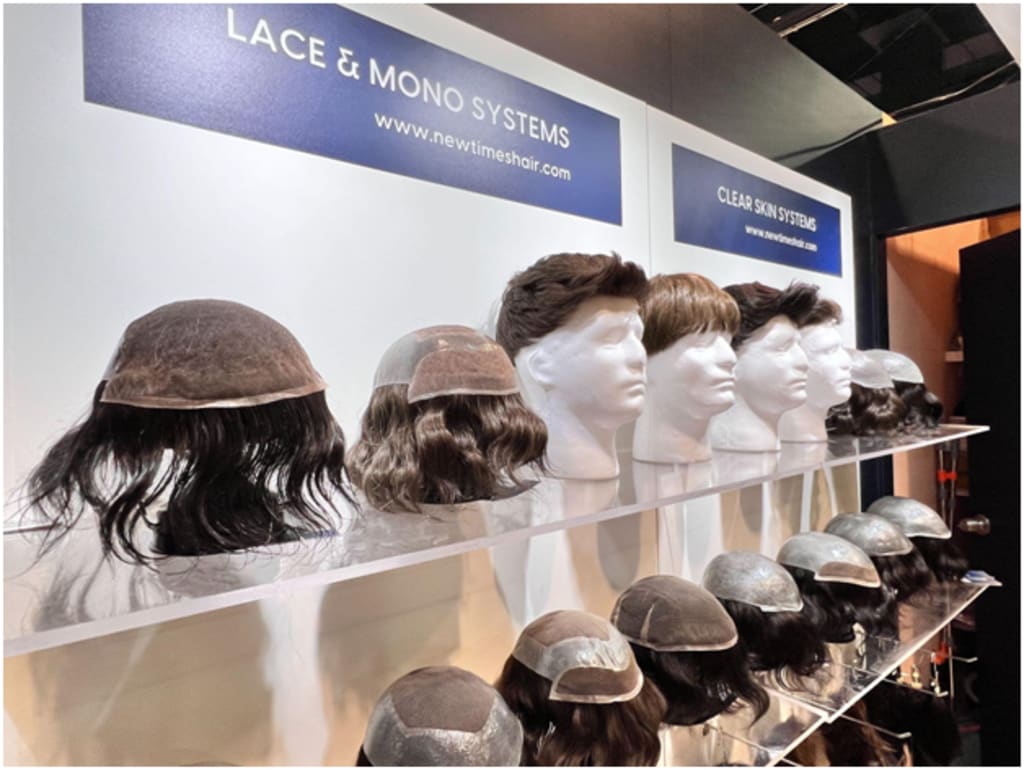
What Should I Check Before Choosing a Hair System Manufacturer? A Hair Pro's Guide to Sourcing & Craftsmanship
Picking a Hair System Manufacturer shapes your salon's supply line right from the start. You need a reliable partner who actually communicates clearly and replies fast. They also have to deliver consistent materials and offer Custom Hair System options that work for every single client. Simple.
Every new Hair Professional needs a practical 2026 checklist to review vendors and check their craftsmanship. We'll show you exactly how to do that. Plus, you'll see how to build a rock-solid relationship with suppliers like Newtimes Hair.
Key Takeaways
Test communication and timelines with a small sample order before committing.
Inspect bases, fibers, and knots against written material specifications.
Document every custom measurement and ventilation detail before production begins.
Why Sourcing Directly from a Hair System Manufacturer Demands a Vetting Checklist
Buying from a Hair System Manufacturer gets your salon closer to the source, but it also drops more responsibility on your business. A retail seller might handle all the little order details for you. Factory-direct sourcing means your supplier relationship impacts every single client appointment.
If you're running a new hair-system business, your biggest risk is inconsistency. A Hair System Vendor that randomly swaps materials, misses custom details, or ghosts you after an order will wreck your schedule and kill your client's trust. You need to think of the manufacturer as an extension of your back room, not just a random order contact.
A solid checklist protects your supply line. It helps you figure out if the manufacturer can actually handle repeat orders, clear service, dependable quality, and your specific customization needs. Newtimes Hair offers customization services, but every supplier needs to earn your confidence before you lean on them.
How Do You Test a Manufacturer's Communication and Service Reliability?
A Hair System Vendor builds trust with quick, specific answers and actual follow-through, not just polished promises. If you're a new salon owner, Supplier Communication directly impacts your order accuracy, client scheduling, and how confidently you can pitch custom work.
Test how the factory handles basic questions before dropping a big order. Once their support feels solid, you can start looking into the materials and sourcing behind the hair systems they make.
Response Speed and Clear Direct Communication
A Reliable Vendor gives you straight answers through a consistent contact channel. Try sending a few basic questions on different days. Ask if they can handle a specific customization request or confirm a random order detail. Pay attention to whether they actually answer your question or just hit you with a generic sales pitch.
Ask exactly who handles orders, production updates, and service questions. Having one dedicated contact is much easier than getting bounced between five different people. Keep your emails or chat records, too. They prove whether the supplier actually confirms details in writing.
Good Supplier Communication protects your appointment calendar. Think about it. If a factory can't explain a simple request before you place an order, don't expect their updates to magically improve after you pay.
Transparency on Production Timelines and Samples
A manufacturer needs to explain their Lead Time Basics in plain English. You need to know when production starts, what might delay the schedule, and when they'll update you. Don't just rely on a vague promise. Ask for the exact stages from order confirmation right through to shipment, and then compare their later updates against that original plan.
The Sample Order Process should show you what the factory can actually make. Ask for current photos or a quick video of your exact sample before they ship it. Make sure they show the base, hair color, density, and the measurements you asked for. Stock images might show a general style, but they can't confirm your specific build.
Use a small sample order to see if the factory's timeline and communication match their big claims. When you're dealing with customization-heavy work, this matters way more than a rushed promise.
Clear Revision and Return Policies
Written Return Policies and Business Terms protect your salon if an order shows up with a confirmed detail missing or completely wrong. Ask the manufacturer to lay out exactly what qualifies for a revision, what proof they need, who approves the case, and how they fix it. Keep your agreed order specs right next to that policy.
Confirm the reporting window before you hand over any money. You should also find out if the supplier needs photos, measurements, or the actual returned hair system to review the problem. These steps need to be crystal clear before an issue pops up, not figured out after the fact.
Newtimes Hair offers customization services, so make sure you document every single approved change to a custom order. Having a clear paper trail helps both sides check the original request against the finished hair system. Simple.
What Quality and Sourcing Standards Should You Inspect in Hair System Materials?
Quality and sourcing standards show up in the base, hair fibers, and hairline way before a client ever puts the unit on. If you're running a new hair-system business, make sure to inspect these physical details on every single sample. Perfect studio photos just can't tell you if a system will blend naturally or hold up to everyday salon wear.
Start by checking the base construction, move on to fiber condition, and finish with the knot work. Simple. Once you nail down those basics, you're ready to pick out the custom details that fit your client's exact needs.
Assessing Base Craftsmanship Across Lace, Skin, and Monofilament
Base materials need clean and even construction. Hold the lace up to the light. Look for a steady mesh pattern, neat ventilation, and zero loose edges or stiff spots. Lace needs to lie flat and let the actual scalp peek through. A rough or bumpy surface is a quick way to make a hairline super obvious.
You'll want to check skin and mono bases a bit differently. A skin base needs a smooth surface with firmly planted hair, while a monofilament base should feel sturdy without thick, bulky seams. Gently bend each base instead of just tugging on the hair. Think of it like checking the seams on a shirt. Good stitching tells you way more than a fancy tag. Just ask Newtimes Hair to build the right base for the finish your client wants.
Evaluating Hair Fiber Integrity and Cuticle Alignment
Don't just trust a label when it comes to Virgin Hair and true Remy human hair. Run your clean fingers down the strands from root to tip. Properly aligned cuticles will feel much smoother going that way and won't fight back like hair with mixed alignment. Keep an eye out for steady color, a soft flow, and ends that don't look completely dried out or split.
A basic strand test helps, but it doesn't give you the whole picture. Separate a few hairs under good lighting and look for uneven chemical coatings or snap points. Then, lightly comb a small patch to see if it snags. Don't go promising your client that a quick visual check guarantees virgin hair. Ask for a written fiber breakdown and hold it up against the actual sample.
Balancing Aesthetic Bleached Knots with Strand Durability
Bleaching the knots stops a lace hairline from looking like a grid of tiny dark dots, which really helps the system melt right into the scalp. Here's the catch. Bleaching actually weakens the knot itself since the harsh lightening process attacks the hair right at its anchor. The heavier the bleaching, the harder you need to check the front line for shedding or brittle strands.
Pick your bleaching level based on placement, hair color, and how much hairline the client plans to show. Someone brushing their hair straight back will probably want a softer, more natural front, while a style with bangs doesn't need aggressive bleaching at all. Make sure those knots look light but not fried. Once you see that balance, explain it to the client before you finalize the order.
What Customization Range Should a Professional Vendor Offer?
So, what kind of customization range should a pro vendor actually offer? A real Custom Hair System needs to match your client's exact scalp shape, hairline, and color. You shouldn't have to force a stock unit to fit.
If you're running a new salon, the best custom options are the details you can clearly write down and verify on a sample. Newtimes Hair gives you total control over these choices, letting you tweak everything from base measurements to hair placement and color details. Simple.
Base Contour Options and Base Dimension Precision
Base contour shapes and precise measurements make or break the fit. They determine if a hair system looks natural or leaves bunchy, excess material around the edges. A snug fit makes the piece way more comfortable for your client. Plus, it saves you from doing a ton of extra trimming during the cut-in.
Always ask the factory to work directly from a template or a detailed cap size record. Be sure to note the front-to-back length, temple-to-temple width, contour style, and any specific cutouts. Just saying "medium" isn't going to cut it for a custom order. Two guys might wear the same basic size, but they'll usually need completely different outlines.
Custom Hair Density Gradients and Color-Ring Matching
Hair density needs to fade gradually, especially if your client's natural hair is a bit thin at the front or temples. A heavy, uniform thickness across the entire base is a dead giveaway. It makes the system look fake, particularly when the guy wants to expose his hairline.
Using a color ring gives everyone a shared baseline. It's way better than guessing from photos taken in bad lighting. You need to nail down the main shade, highlight or lowlight placements, and the exact percentage of gray. And if gray hair is in the mix, tell them exactly whether you want human or synthetic gray. Those two fiber types act very differently, so you can't just swap them out.
Hair Injection and Ventilation Technique Options
Your tech specs must call out the exact ventilation method for every visible part of the base. V-looping, injected skin, and single split knots all create totally different root looks. Because of this, the factory needs specific instructions. Don't just ask for a "natural hairline" and hope for the best.
Go with V-looping or injected skin when a flat, low-profile front is the top priority. But if a knotted base fits the design better, look into single split knots. You'll also want to map out the hair direction, part location, and whether the client plans to show off his hairline. Put every single detail in writing on that first sample order. That way, you can easily check if the final piece actually matches what you asked for.
What Are the Key Red Flags During Your First Sample Order?
Your first sample order needs to prove an overseas supplier can actually repeat your specs, not just build one lucky, good-looking piece. For a new hair-system business, the major red flags are holes in quality control, hidden sourcing details, and zero factory transparency.
A solid partner will tell you exactly what they built, where the hair came from, and how they put the unit together. Simple as that.
Unexplained Shifts in Base Thickness or Hair Texture
Base thickness and hair texture need to match your approved specs every single time. If one sample has a tough poly base and the next one feels way too thin, the supplier probably has bad quality control. The same goes for straight hair showing up with a weird wave pattern or a completely different texture.
Always ask for written specs on a sample order. Get the base material, thickness, hair texture, density, and ventilation method in writing. Then, check each sample against that list, just like comparing a cut-in to a client's template. Consistency is the only way you can reorder for clients without nasty surprises.
A supplier like Newtimes Hair will back up detailed customization notes. They won't just fall back on lazy, vague terms like "standard quality."
Vague Answers Regarding Hair Sourcing and Origin
Hair origin matters. It changes how you pitch the hair system to your client, and it dictates if the factory can keep getting that same material. A supplier needs to clearly talk about their sourcing process, the donor regions they use, and how they handle ethical sourcing.
You don't need a massive presentation. You just need straight answers. Is it real human hair? What donor regions are we talking about? Can they hit the same texture and color family on the next batch? If they dodge these questions or give you a different answer every time, treat that as a massive warning sign.
Having clear sourcing details also helps you map out custom orders with way fewer shifts between batches.
Unwillingness to Provide Video Evidence or Real Production Shots
If a factory can't share current production footage, they're much harder to trust. Ask for a quick video of the workshop, the ventilation work, the base materials, or even your specific sample being made. It's exactly like asking to see the kitchen before you hand a restaurant a massive catering job.
Video alone doesn't prove everything. But, verifying the factory gives you a much better read on whether the supplier is legit. If a company only sends over highly polished catalog shots, they might just be a middleman trading company instead of the real manufacturer.
Once you weed out the bad vendors, you'll be able to make much smarter calls on stock levels and custom unit orders.
How to Choose Between Stock vs Custom Hair Systems for Your Clients
A new hair-system business should start with Stock Hair Systems for everyday client needs, then switch to custom orders for people who need a closer match. This mix keeps your service fast without forcing every client into a one-size-fits-all unit.
Your inventory should reflect the clients you see most often. And a manufacturer that can handle both options, like Newtimes Hair, makes ordering and planning way easier. Simple as that.
When Stock Systems Make Sense for Fast Turnarounds
Stock Hair Systems work best when a client needs a quick replacement and fits a common style, color, density, and base type. They're great for first-time wearers, people waiting on custom orders, or salons building a small ready-to-fit inventory.
Keep your opening stock focused instead of ordering everything at once. Track the colors, hair lengths, and base types your clients ask for most, then restock those specific units. Just make sure to confirm availability with your manufacturer before promising fast delivery.
When Custom Hair Systems Are Worth the Lead Time
A Custom Hair System is worth the Production Lead Time when a client needs details that a ready-made unit just can't match. This might mean an unusual head shape, a unique hairline, a specific curl pattern, or an exact color blend.
Write down every single requirement clearly before placing the order. A custom unit is just like tailoring a suit. The better your measurements and notes, the better the final fit. Newtimes Hair offers customization services to help you build units around a client's actual needs, rather than forcing them to settle for whatever is in stock.
Why Partnering with Newtimes Hair Elevates Your Hair System Business
Newtimes Hair helps growing hair businesses with both stock units and custom services. This means you can handle routine replacements and highly specific client requests through a single B2B sourcing partner.
Solid communication and clear order details help new salons avoid silly fitting mistakes. And that really matters when your reputation is still taking shape.
Accessing Extensive Customization and Reliable Wholesale Support
Newtimes Hair gives salons and distributors a direct line to the factory for custom and stock hair systems. You can request a unit built exactly to your client's measurements, hairline, color blend, curl pattern, density, and base preference. You don't have to force a "close-enough" fit anymore.
Great wholesale support starts with clear notes. Just send over complete client measurements, reference photos if they help, and every requested detail in writing. Think of a custom order like a tailored suit. Accurate info right from the start gives the maker the best shot at building the perfect fit. That's it.
Frequently Asked Questions About Sourcing Hair Systems
How do you determine the quality of a hair system manufacturer?
Order samples first. Check base material, fiber alignment, knots, and whether custom details match the written spec. Fast, specific communication matters too; missed details wreck salon schedules.
What features distinguish a premium hairpiece from a budget one?
Premium means consistent hair, clean ventilation, natural density, and a base that fits the stated contour. Budget units often cut corners on knot work, hair alignment, and material consistency.
What to look out for when buying a wig?
Inspect the lace, cap fit, shedding, tangling, and hairline under good light. Ask for a written fiber breakdown. Photos lie; a physical sample doesn't.
About the Creator
Leo
Passionate men's hairstylist with a keen eye for detail and a knack for creating on-trend looks. Dedicated to delivering hair restoration education that enhances individual style.
Enjoyed the story? Support the Creator.
Subscribe for free to receive all their stories in your feed.
Comments
There are no comments for this story
Be the first to respond and start the conversation.