
What Makes a Reliable Hair System Factory? How OEM and Customization Options Drive Salon Profits
Reliable Hair System Factory: OEM & Customization Guide 2026

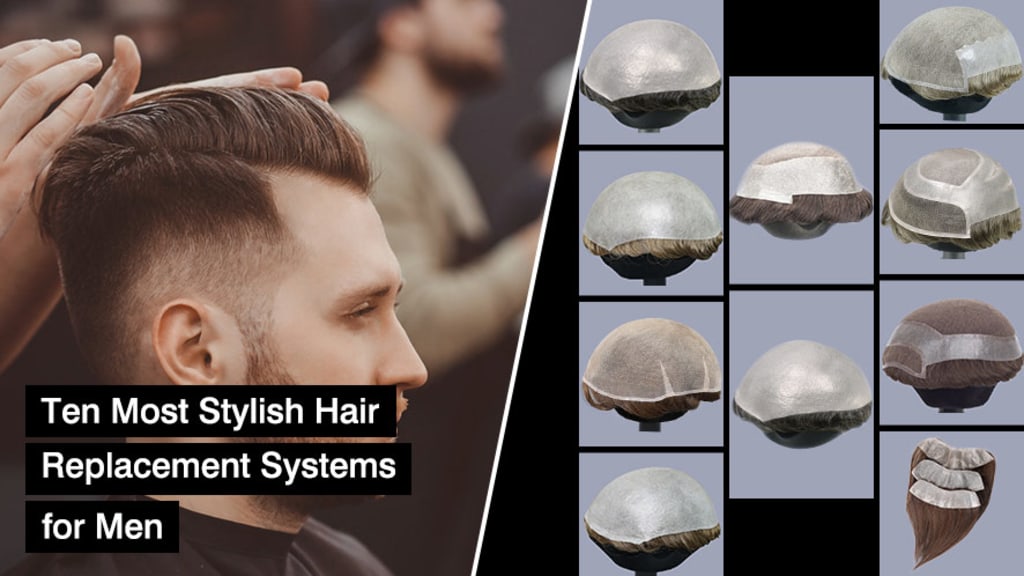
What Makes a Reliable Hair System Factory? How OEM and Customization Options Drive Salon Profits
A Hair System Factory's standards shape your salon's reputation long after a unit leaves the chair. Solid partners keep materials and craftsmanship in check. They'll answer service questions, hit production deadlines, and manage custom requests without mixing things up.
Custom Hair Replacement Units and OEM planning actually help you lock in steadier margins and better client service. It's the secret to running a business your salon completely owns.
Key Takeaways
Reliable factories document every approved specification for accurate, consistent reorders.
Verify promised turnaround times before scheduling client fittings or replacement appointments.
Private-label systems build a recognizable salon offering through consistent client experiences.
What Makes a Hair System Factory Reliable for Salon Owners?
What actually makes a hair system factory reliable for salon owners? Clear material standards, documented orders, and fast support after delivery are just the baseline. These habits protect your client's final look and your salon's reputation.
A dependable Hair System Factory also sticks to your approved specs as your orders grow, instead of treating every single reorder like a wild guess. That's exactly why Bono Hair focuses heavily on top-tier materials and careful craftsmanship.
Strict Quality Control and Raw Material Selection
Solid quality control starts way before a hair system ever hits the production floor. If you're buying a Human Hair Toupee, ask how the factory actually checks the incoming hair for the right color, length, texture, and overall condition. A factory should also double-check that its Base Materials perfectly match your approved order, right down to the specific base type and front design your salon picked out.
Think of checking raw materials like inspecting paint before it goes on a client's wall. If the paint is the wrong color, a skilled painter can't fix it. The exact same rule applies to hair and base materials.
You should see precision craftsmanship in the finished unit right away. Expect secure hair placement, clean edges, and a look that perfectly matches your approved sample. A reliable partner also keeps solid order records and responds fast if your salon ever needs post-purchase support. Simple.
Repeatable Manufacturing and Consistent Density Batch Control
Repeatability matters the most when a client comes back for a replacement unit. Your factory needs to keep written Technical Specifications for all approved orders. This includes color, base choice, hair direction, length, and hair density. Without a clear paper trail, a reorder might look close enough in the box, but it'll look noticeably different once your client actually wears it.
Hair density needs plain-language agreement, too. If you order a medium-light density, the factory should apply that exact same approved look to later batches instead of tweaking the fullness from unit to unit. Always ask for an approval sample, clear order notes, and a set process for confirming any changes before production even starts.
Consistent reorders help your salon fit replacement systems with way fewer surprises. Plus, they make consultations much easier since your team can confidently describe exactly what the returning client will get.
How Production Capacity and Turnaround Times Protect Your Salon Booking Calendar
So, how do manufacturing speed and volume actually protect your daily schedule? When a factory can handle big orders without losing track of the details, you get to book client fittings with a lot more confidence. Your customers won't have to deal with delayed replacement units or last-minute cancellations just because a supplier got overloaded.
Make sure to ask every factory how they map out orders, lock in dates, and manage repeat requests. Honestly, clear logistics matter just as much as the hair system itself. If a piece is going to take extra time, the factory needs to give you a heads-up early on. Not after your client has already claimed a spot on your calendar.
Bono Hair backs up salon partners with solid craftsmanship and highly organized production planning. Because of this, your approved orders go from initial specs right to your doorstep with way fewer surprises.
The 5-Point Reliability Checklist Every Hair System Buyer Should Use
A reliable supply starts with five direct questions, not just vague promises. If you're a Salon Professional, Stylist, or running a Hair Replacement Center (HRC), finding the right factory is a big deal. It protects your service quality, keeps repeat orders flowing, and secures your supply chain during those incredibly busy booking weeks.
Here's what you need to ask: 1) What hair materials do you actually use, and how do you inspect every order? 2) What exact quality checks happen right before shipment? 3) How much production volume can you handle, and what turnaround times can you guarantee? 4) Can you perfectly repeat approved specs and still adjust to custom requests? 5) If there's an issue after delivery, who fixes it and how fast?
Bono Hair builds its factory partnerships around top-tier materials, detailed craftsmanship, and completely clear support. Once a supplier actually passes these checks, just compare their stock and custom inventory against what your client base really needs.
What Is the Difference Between Custom and Stock Hair Systems?
Wondering how custom and stock hair systems actually differ? Stock Units are pre-made for quick fitting, while Custom Hair Replacement Units are built exactly to your client's specific needs.
For a new salon or distributor, the practical choice really comes down to a few things. You need to look at service speed, fit precision, lead times, and how much cash you're willing to tie up in ready-to-sell inventory.
Stock Units: Fast Delivery for Immediate Client Needs
Stock Units help you serve clients who simply can't wait through a long production cycle. They come in standard options. This means your team can just pick the closest match, trim the base, and adapt the system right there in the chair. Think of them like a well-stocked salon color bar—ready to go when an urgent booking pops up.
Having systems ready immediately is a big deal for last-minute replacements, travel plans, or clients whose current unit wore out way faster than expected. Just make sure to ask your supplier which units are actually in stock before you promise next-day delivery. After all, fast shipping only helps if they actually have the right base, color, density, and size on hand.
Keeping stock inventory does take some upfront cash. It's smart to keep a focused range based on your most common client requests, rather than loading your shelves with slow-moving variations.
Custom Hair Replacement Units: Tailored Fit for Maximum Longevity
Custom Hair Replacement Units are perfect for returning clients when you already have their hairline, scalp shape, and preferred style on file. The factory builds the unit to those exact details, which usually gives a much closer fit and a more natural-looking result than trying to adapt a standard size. It's basically like getting a custom-tailored suit instead of altering one off the rack.
Nailing down the precise front contour, base shape, hair direction, and density helps the system blend right into your client's remaining hair. That seamless finish boosts their everyday comfort. Plus, it cuts down on the adjustments your stylist has to make during each refit.
Custom work takes time to produce, so you'll need to build your reorder schedule around the client's actual replacement cycle. Because Bono Hair focuses heavily on high-quality materials and craftsmanship, we can easily match those custom specs whenever your salon needs reliable consistency for future orders.
How Are Custom Hair Replacement Units Made?
So, how are custom hair replacement units actually made? It all starts right in your salon. You'll need a head mold, a hair sample, and clear notes covering the base shape, front contour, density, color, curl, and hair direction. These details give the factory a repeatable blueprint to follow. No rough guessing involved.
From there, the production team turns your mold into a base pattern and pulls the right materials. Then, they add the hair based on the exact direction and density you asked for. Before shipping anything out, quality control double-checks the finished piece against your original order. If you're running a new business, make sure to ask how the factory handles revisions, reorders, production capacity, and post-delivery support. Bono Hair blends flexible customization with top-notch materials and real craftsmanship. This helps you give every single client a perfect, consistent fit.
What Features Can Be Customized in a Hair Replacement System?
So, what exactly can you customize in a hair piece? Almost every single detail about how it fits and looks gets locked in before production even starts—right down to the base pattern and how the hair naturally falls. For a new salon or retail shop, having this much control cuts way down on refits. Plus, it makes your client consultations easy to repeat.
Base materials range from lace and poly to mono or a hybrid mix. You also get to pick the density, curl, front contour, hair direction, and exact color match for every client. Simple.
Just make sure the factory writes down every choice on your order sheet, and always double-check the final unit against it. Bono Hair puts top-tier materials and real craftsmanship into all custom work. It's a rock-solid foundation to build a private-label line around your exact specs.
The OEM Advantage: How Private Labeling Builds Your Salon Brand Equity
Ever wonder how private labeling actually builds your salon's brand equity? Having your own hair system line gives clients a specific name to come back to locally. It stops them from taking a photo or description and hunting for cheaper generic units online. That's where OEM and wholesale support steps in, turning your specific choices into a real competitive edge.
Private labeling slaps your salon's name right on the product. It ties the quality of the hair directly to your consultation, fitting, and after-sale support. Once clients trust that consistent experience, they stop obsessing over sticker prices. Instead, they just remember who finally fixed their fit and color issues. Simple.
You need a factory that keeps track of custom orders, uses top-tier materials, answers questions after the sale, and actually hits their deadlines. Bono Hair supports this exact repeatable model through tight customization and strict quality control. Plus, building a recognizable line gives you clear numbers to track: reorder rates, service revenue, and your actual margin per client.
How Do Custom Hair Systems Increase Salon Profits?
How do custom hair systems increase salon profits? Simple. They turn a one-off sale into a repeatable service. Instead of grabbing a generic unit off the shelf, you get something made exactly for the client's measurements, hair goals, and your salon's high standards.
You make more money because there's less corrective work. Plus, you build stronger client loyalty and can charge service fees for your expertise. A solid manufacturing partner like Bono Hair backs up this model. They offer flexible customization, consistent materials, careful craftsmanship, and reliable support after the sale.
Reduced Chair-Time and Perfect Fit Boost Client Retention
Custom measurements cut down on the tedious correction work that eats up appointment time. Once you nail down the base size, hair direction, density, and color during the consultation, your stylist spends way less time reshaping a stock unit. It's like ordering a tailored suit instead of hacking away at something from a clearance rack.
Less time in the chair means more room in your schedule. You can fit in more consultations, attachments, maintenance, and other booked services. And a smoother fitting experience ties the final look right back to your salon's skill, rather than some random online unit anyone could buy.
A solid repeat-order workflow turns that trust into steady revenue. Just save the approved measurements, color notes, preferred hairline, and service history. Then, confirm any changes before you place the next order. When the replacement matches their last perfect fit, clients have every reason to keep coming back.
Higher Margins and Freedom From Online Price Shopping
Custom and private-label units drive higher margins because you're selling a lot more than just a piece of hair. The client pays for a tailored consultation, exact specifications, a perfect fitting, and ongoing care. A product photo and an online checkout button just can't compete with that.
Private labeling also stops clients from endless price shopping. They can't easily compare your salon's branded unit to a generic online listing when the exact fit, hair choices, and after-sale care all come as one seamless package. The focus shifts away from the sticker price. Instead, it's all about a flawless result your salon can deliver every single time.
Make sure to track your margin per client, chair time, re-fit appointments, and reorder dates. These numbers will show you exactly if customization is boosting your profits or just creating unpaid work. With Bono Hair's top-notch materials, great craftsmanship, and fast support, you have everything you need to deliver a consistent, high-end experience.
Customer Service and Post-Purchase Support: The Silent Partner in Salon Scaling
Good customer service and post-purchase support stop your salon from bleeding revenue when a client suddenly needs a replacement unit or an update. If you're a new owner, you shouldn't just judge a reliable factory on its materials and craftsmanship. It's really about how fast they answer you, track your reorders, and handle after-sales problems.
Always ask how reorders work before committing to anything. Your team needs to confirm saved specs, get regular production updates, and go over their after-sales policies for any mismatches or delivery hiccups. This kind of support protects your schedule. It also builds client trust. Bono Hair pairs top-tier materials and craftsmanship with fast, responsive communication. That helps you process repeat orders with way fewer surprises. So, once you've got your operations and numbers sorted out, pick a factory partner that actually supports your growth.
Partnering with Bono Hair: Your Direct Factory Link for Custom Hair Systems
Having a direct link to the factory makes custom hair system orders much easier to handle as your salon grows. Bono Hair steps in as a B2B manufacturer for salons, distributors, and hair replacement clinics. It's built for businesses that need reliable communication, flexible options, and quality they can count on every single time.
Low minimums let new shops test client demand without tying up too much cash in back-room inventory. Plus, you can build each order around exactly what your client needs. Just pick the base type, hair color, density, and hairline preferences. Simple.
Bono Hair focuses heavily on good materials and solid craftsmanship. This means you get consistent results, whether it's a first-time order or a routine reorder. They also offer dedicated OEM support to help private-label buyers create a product line that actually fits their specific market. You won't have to force every client into the exact same standard unit anymore.
Frequently Asked Questions About Hair System Factories and Customization
Are custom hair systems better than stock units?
Yes—for repeat clients. Custom units match the client's scalp shape, hairline, density, color, and direction; stock units win when they need a replacement immediately.
What materials are used for custom hair system bases?
Lace, skin, and monofilament are common base materials, often combined. The right choice comes down to the approved base type, front design, durability needs, and desired realism.
About the Creator
Leo
Passionate men's hairstylist with a keen eye for detail and a knack for creating on-trend looks. Dedicated to delivering hair restoration education that enhances individual style.
Enjoyed the story? Support the Creator.
Subscribe for free to receive all their stories in your feed.
Comments
There are no comments for this story
Be the first to respond and start the conversation.