
What is the best option for why hair system prices vary?
Cost of a Hair Replacement System

What is the best option for why hair system prices vary?
Hair System Cost involves way more than just the price you pay at checkout. Things like hair type, base material, craftsmanship, customization, and service all change what you actually spend over time.
A Hair Replacement System offers much better value when its fit, durability, and upkeep actually line up with your budget and daily routine. It's just a matter of comparing these trade-offs before you make a purchase.
Key Takeaways
Compare cost per day using your expected lifespan, not sticker price.
Choose base material based on your priority: hairline realism or durability.
Budget for replacements, supplies, salon fees before committing to a system.
Understanding Hair System Pricing: Realism vs. Durability
Hair system pricing isn't exactly a hard and fast rule. The bases that look incredibly natural at the hairline might not last the longest. A better way to look at it is weighing that realistic look against how often you'll need to swap the unit out.
This trade-off really shapes the true value of any Lordhair Hair Replacement System. It also points back to material quality, craftsmanship, custom options, and the support you get after buying.
The Cost Per Day of Confidence Framework
Try converting the sticker price into a daily number before you judge a Hair Replacement System. Just divide the upfront cost by the number of days you actually plan to wear it. Simple. This makes a big initial payment much easier to swallow and compare.
Start with the seller's expected lifespan, then tweak it based on your own routine. Think about daily wear, styling habits, and how gentle you are with the base. Make sure to compare each system using the exact same assumptions. A cheaper unit that wears out fast can actually cost you more per day, while a pricey option spreads that cost out over time. Just remember, this math only covers the purchase price, not your salon visits or tape and glue.
High Realism vs. High Durability: The Inverted Value Curve
The base material forces a genuine trade-off between a natural look and long-term durability. Super thin, nearly invisible bases blend right into your scalp and give you a wildly realistic hairline. But their light construction means they aren't great for extended wear or rough handling.
On the flip side, tougher base materials hold up way better to daily life. The catch? They might be easier to spot up close or feel a bit heavier on your head. Neither option is automatically the winner. Go for high realism if a totally discreet hairline is your top priority. But if saving money and dealing with fewer replacements fits your routine better, choose the longer lifespan. That's it.
The Four Pillars of Hair Replacement System Costs
Four main things usually drive a hair system's retail price: the base, the hair, the ventilation work, and the service included with your purchase. A lower sticker price might just mean fewer custom choices or less hands-on support. It doesn't mean it's a bad unit.
So, what actually influences the cost of a hair replacement system? Just look at what you're paying for in each of these four areas, then compare systems with similar specs and service levels.
Base Construction: Lace, Skin, and Monofilament
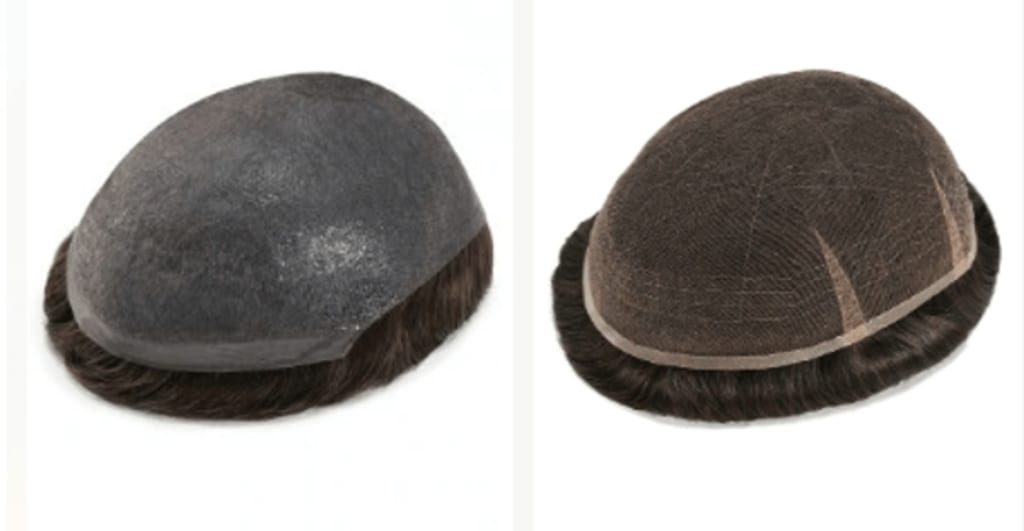
The base material completely changes how a hair system sits on your scalp, how natural the hairline looks, and how much work goes into making it. Lace bases use a fine mesh for a lighter, barely-there look. Skin bases rely on a thin polymer layer and can offer a smoother surface for tape or glue. Monofilament bases use a tougher mesh structure for a much more durable build.
What's the price difference between lace and skin base systems? There's really no fixed gap. The final price swings based on base thickness, size, density, and custom options like a reinforced edge or a specific hairline design.
A lace system might cost more if it needs detailed handwork at the very front. On the flip side, a skin system can cost more when it uses a super thin, refined base. Compare the exact base material and construction details instead of just guessing one category is always pricier.
Hair Fiber Origin and Quality Grades
Human hair systems vary wildly in price. Why? Because the hair has to be collected, sorted, processed, and perfectly matched before it even touches the base. Hair that needs less processing usually keeps more of its natural movement and color bounce. Heavily processed hair often needs extra treatments just to get a uniform shade or texture.
Hair quality also comes down to how well the fibers match in length, curl pattern, and color. A system with mixed or uneven strands can be a nightmare to style and might not blend smoothly with your own hair. Higher-grade hair is picked much more carefully, adding a lot of labor before the manufacturing even starts.
Always ask if the hair was processed for color or texture, and check if the unit is custom-made to match your existing hair. Those little details give you a way better value comparison than just looking at a brand label.
Ventilation Craftsmanship and Knotting Techniques
Hand-tied ventilation bumps up the price because a real person places hair into the base section by section. This hands-on work controls hair direction, density, and the exact look of the front hairline. It takes way more time than automated methods. Simple.
For a men's toupee, careful ventilation makes the hair move in a way that actually suits your intended style. A precise part or exposed hairline takes much more detailed knotting than a messy fringe worn forward.
But more ventilation labor doesn't automatically make every system right for you. Only pay for that extra detail if your hairstyle exposes the hairline or part. Don't treat it like a mandatory feature.
Service Level: Direct-to-Consumer vs. Full-Service Salon
Where you buy changes exactly what the quoted price covers. A direct-to-consumer order usually just focuses on the hair system itself. But a full-service salon might bundle measuring, cutting in, attachment, and follow-up visits. Those service fees pay for professional time, not just the physical unit.
So how much do professional hair system salon services actually cost? There isn't a single answer since salons set their own fees and bundle different things. Before you book, get an itemized list that separates the system price from the consultation, fitting, styling, attachment, and maintenance work.
Direct ordering gives experienced wearers way more control over the final purchase price. On the other hand, salon support cuts out the guesswork for first-time buyers who need help with fit and styling. These choices ultimately shape what you pay when comparing standard base options.
Base Material Price & Performance Comparison
Base material drives the purchase price. It's also the main trade-off between getting a natural hairline and a tougher build. You can't just rank lace, skin, monofilament, and hybrid bases by category alone. Things like thickness, size, hair density, and hand-tied work completely change the final quote. They also impact how real the finished system looks.
Make sure to compare each seller's stated lifespan, hairline visibility, and reinforcement details. Don't just assume skin costs less or that monofilament lasts longer. Ask for an itemized Hair System Cost that separates the base from custom ventilation and service. A lower price might just mean fewer custom choices, not a lower value. Plus, how you actually order can shift your total spend even more.
Stock vs. Custom Hair Systems: Evaluating Cost vs. Personalization
Stock units usually give you the best value if your size, color, density, and base preferences already match the standard options. But a custom hair system easily justifies its higher price tag when off-the-shelf choices leave you making obvious compromises on fit, hairline design, or overall coverage.
Is a custom hair system really worth the extra cash compared to a stock one? You have to weigh that price against the specific tweaks you actually need. Custom work means extra design choices and labor, while Lordhair's service adds real value to the experience. Just compare your total yearly spending, including replacements and fitting, instead of judging the upfront purchase price alone. Simple.
Total Cost of Ownership: 12-Month Budget Profiles
The sticker price of a hair system is just one piece of your yearly spend. Replacements, adhesives, cleaning products, repairs, fitting, and styling support can quickly drive up the total.
Your best budget really depends on how you wear the system and how often you replace it. It also matters whether you handle maintenance yourself or pay for a pro.
Profile 1: The Budget-Conscious DIY Wearer
A DIY wearer keeps annual spending low by buying stock hair systems and doing the attachment, cleaning, and removal at home. Your yearly cost covers the number of units you expect to wear in 12 months. Plus, you'll need backup units if you want coverage during cleaning, repairs, or shipping delays.
Your monthly cost comes from supplies like tape, adhesive, remover, shampoo, conditioner, scalp protectant, and styling products. Don't forget to add the price of basic tools. This includes a comb, clips, and a mannequin head if you plan to clean systems off your head.
This profile works best when standard base sizes, colors, density, and hair lengths actually fit your needs. But a lower upfront price can quickly lose its value if the fit needs constant alterations or the hair system just doesn't match your wear routine.
Profile 2: The Balanced Performance User
A balanced user spends a bit more on a hair replacement system that better matches their fit, hairline, and lifestyle. Then, they use professional help for specific appointments. Hybrid bases and custom options might raise the unit price, but they cut down on compromises in comfort or looks.
Your 12-month budget should include replacement systems, routine supplies, and scheduled salon services like an initial cut-in, refitting, or regular upkeep. Make sure to ask each provider to separate the hair system price from labor charges. A quote combining both can easily hide where your money goes.
This approach suits people who can manage day-to-day care but want an expert to handle big changes. Material quality, the amount of hand-finished work, and customer service can all impact your final spend.
Profile 3: The Premium Full-Service Client
A premium full-service plan has the highest ongoing spend since it combines custom human hair systems with salon-managed care. How much does a custom human hair system cost in 2026? There's no single reliable figure without a quote. The price shifts based on hair quality, base material, fit measurements, hairline design, density, color work, and service level.
Build your annual budget around each custom unit, salon attachment and removal visits, maintenance appointments, replacement timing, and home-care supplies. Always check if the quoted amount covers cutting, styling, adjustments, and any remake policies before you commit.
This profile makes sense when stock units don't fit well or you'd just rather not manage the bonding and cleaning yourself. Whatever level you choose, recurring supplies still need a separate line in your yearly budget.
Uncovering Hidden Upkeep: Maintenance Supplies & Salon Fees
Adhesives and solvents bring a recurring cost, even if a hair system's unit price is set in stone. You have to factor tape or liquid bond, remover, scalp protectant, shampoo, conditioner, and styling products right into your monthly budget. Plus, if you go to a salon, you're paying for attachment, removal, cleaning, refitting, and cut-in appointments. It adds up.
So, what's the average monthly cost for hair system maintenance? There isn't a single solid number. It totally depends on your bond type, your replacement schedule, and whether you handle the upkeep yourself. Write down each supply and service separately. Then, use those line items to figure out if a provider is actually giving you a good deal before you pull the trigger and buy.
Smart Buyer Checklist: How to Assess Hair System Value Before Purchasing
You should judge hair system cost over months of wear, rather than just what you pay at checkout. A hair replacement system actually offers better value when the hair type, base material, craftsmanship, and customization naturally fit your daily routine.
Make sure to compare providers using the exact same specs, which includes fitting help and customer service. A super low upfront price quickly loses its edge if you have to replace the unit sooner or pay extra for basic support. True story.
Use a Written Comparison
Just jot down each system's price, upkeep supplies, salon fees, and customization charges in a single note. Always ask for the details in writing and check the return policy before handing over your money.
Keep track of your replacement dates and maintenance purchases. This simple record shows your total spend per system, making it way easier to spot the best value option.
Comparing Alternative Hair Restoration Costs
Getting a Toupee for Men means you'll have ongoing costs for replacement units, adhesives, cleaning supplies, and maybe even professional fitting appointments. The overall Hair System Cost really just depends on a few specific things. Think hair and base quality, craftsmanship, how customized it is, and the after-purchase support.
On the flip side, a surgical transplant usually packs most of your budget into one big medical procedure. A standard wig might have a cheaper upfront price, but it usually doesn't fit as well or give you much styling freedom. You need to look at the big picture, not just the initial sticker price. Take the time to map out replacement timelines, maintenance gear, service fees, and exactly what's included with each choice. That's how you really compare.
Finding Your Ideal Value with Lordhair
Lordhair lets you put your money toward the parts of a hair system you actually care about. Because they sell straight to you, their custom options let you pick your Human Hair Systems based on hair type, base material, and fit. You won't end up paying for extra services you don't really need. Simple as that.
If you're on a tight budget, a basic base or standard setup might be your best bet. Going for more detailed measurements and specific design tweaks will bump up the price. But it also means better comfort, a sharper look, and an easier time wearing it every single day.
Frequently Asked Questions About Hair System Pricing
How much do good hair systems cost?
No fixed number. Good systems cost more for better hair, base construction, ventilation, and customization; compare cost per day, not checkout price.
Which hair systems are considered the best?
The best one fits your routine. Lace favors a realistic hairline; skin simplifies attachment; monofilament prioritizes durability.
What is the least expensive wig option?
A stock system plus DIY attachment. Cheap upfront, but fast replacement or poor fit can erase the savings.
How much does a hair replacement system typically cost?
There's no honest single price. Base, hair quality, custom work, fitting, adhesives, and salon labor all change the total.
Are expensive hair systems worth the investment?
Sometimes. Pay more only when the fit, lifespan, and realism reduce your cost per day—not because the label says premium.
About the Creator
Leo
Passionate men's hairstylist with a keen eye for detail and a knack for creating on-trend looks. Dedicated to delivering hair restoration education that enhances individual style.
Enjoyed the story? Support the Creator.
Subscribe for free to receive all their stories in your feed.
Comments
There are no comments for this story
Be the first to respond and start the conversation.