
What hair system base is best for an oily scalp?
What is the best option for best hair system base for oily scalp?

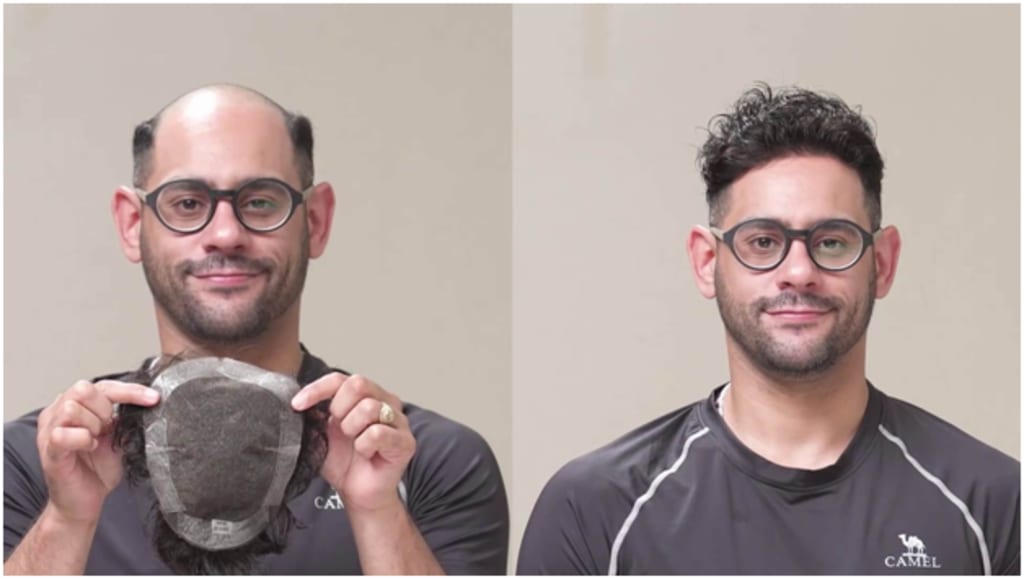
What hair system base is best for an oily scalp?
When you have an oily scalp, your hair system base needs to release heat while keeping a strong bond through everyday oil buildup. A breathable hair system definitely helps. But the actual base material is just as important as your cleaning habits.
Here is exactly how natural scalp oil impacts your attachment, the best base types for oily skin, and the right way to take care of them.
Key Takeaways
Full-lace bases offer the best ventilation for oily scalps.
Monofilament offers durability but less airflow than lace.
Solid polyurethane bases trap heat and sebum, causing earlier adhesive lifting.
Regular removal prevents sebum from reaching the bond line.
Early lifting, odor, itching, or stickiness signal that cleaning is due.
The Chemistry of Hair System Bonding on Oily Scalps
Scalp oil can easily weaken a hair system bond, even if the adhesive feels totally secure at first. As sebum spreads under the base, it creates a slick barrier between your skin and the glue. This cuts down the tight surface contact you need to keep the hold strong.
The edges usually lift first since heat, movement, and oil tend to build up right there. But this breakdown doesn't automatically mean you're using a bad adhesive. It just means oil found its way into the attachment area. So, make sure to pick a base and a routine that lets you regularly remove and clean the unit before that buildup ever reaches the bond line.
How Trapped Sebum Dissves Base Adhesives and Causes Lifting
Trapped sebum ruins your adhesive bond by coating the skin-facing side of the hair system, cutting off direct contact with your scalp. When you wear a non-porous base, that oil doesn't really have anywhere to escape. So, everyday heat and movement just push it right out toward the edges.
Both liquid glues and toupee tape lose their grip once oil sneaks underneath. The adhesive ends up softening, slipping, or completely letting go at the sides. Not good. Taking the system off regularly gives you a chance to wash both your scalp and the base. You just need to get it clean before that oily film ever reaches your bond line.
The Heat-Sebum Feedback Loop in Non-Porous Base Materials
Non-porous skin bases trap heat simply because the material creates a solid barrier right over your scalp. Body heat and sweat stay locked against the skin instead of venting through the base, leaving the whole area warm and damp. This doesn't necessarily make your glands pump out extra oil. But it definitely spreads the sebum you already have across your scalp and base a lot faster.
If you're dealing with an oily scalp, all that buildup hits the bond line way sooner. That means less time between your regular cleanings.
The Breathability Scale: Rating Hair System Bases for Airflow
The way a base is built decides how fast heat and oil escape your scalp. If you have an oily scalp, breathability isn't just about comfort. Better airflow actually helps sweat dry up faster, and it gives sebum way less time to spread across the base and mess with your bond.
Full-lace bases easily take the top spot since their porous material uses mesh. Monofilament sits right in the middle. Solid skin bases rank dead last because they basically form a film over your head. Thinner skin might feel a bit lighter, but it doesn't give you real ventilation. Oil acts differently depending on the construction, so each base type deserves a closer look.
Base Material Hierarchy for Oily Scalps: Comparing Core Options
If you have an oily scalp, a porous base usually holds up much better. Heat, sweat, and sebum can easily escape instead of getting trapped under the hair system. Your material choice directly impacts bond reliability, comfort, and how often you'll need to clean the base.
Lace gives you the most airflow, while monofilament adds extra strength. Solid polyurethane bases? They carry the biggest risk for trapping oil.
French and Swiss Lace: The Gold Standard for Scalp Ventilation
French and Swiss lace are both highly porous. Air moves right through the mesh instead of getting stuck against your scalp. This lets sweat dry faster and cuts down on that oily film that tends to spread into the adhesive. Both materials also create a super natural-looking hairline, since the fine mesh blends right into your skin.
Choosing between French and Swiss lace really comes down to durability. French lace is usually the sturdier pick for everyday wear. Swiss lace is finer and harder to see, but you'll need to handle it gently. Make sure you clean lace carefully after taking it off. Dried adhesive and oil can easily clog up the mesh and ruin your airflow over time.
Fine Monofilament: The High-Durability Alternative for Heavy Wear
A monofilament base features a fine mesh that's a bit more structured than lace. It still lets air flow through, making it way better for oily scalps than a solid base. But keep in mind, it doesn't breathe quite as freely as French or Swiss lace. This firmer material works great if you plan to wear a single system for longer stretches.
Welded mono actually strengthens the mesh right where the hair strands attach, helping the base fight off stretching and tearing. That extra structure supports a much more consistent bond around the attachment area. Oil can definitely still collect on this denser mesh, so always remove scalp residue and leftover adhesive before it hardens.
Polyurethane and Thin Skin: Why Non-Porous Materials Cause Bond Failure
Polyurethane, thin skin, and bio-skin designs rely on a solid film instead of an open mesh. Oil, sweat, and heat simply can't pass through it. Instead, they get trapped right between your scalp and the base. That's exactly where sebum starts weakening the adhesive, causing your hair system to lift way sooner than you'd expect.
A thinner skin base might feel a lot lighter on your head, but it doesn't magically become breathable just because it's thin. That same non-porous surface is still going to trap moisture. If you deal with heavy sebum production, you'll probably need to remove and clean it frequently. That alone makes a full skin base pretty impractical for extended wear.
Hybrid Base Constructions: Combining Center Ventilation with Perimeter Security
Hybrid base systems feature a lace center for airflow paired with a poly perimeter for a much more stable attachment edge. This setup gives oily scalps plenty of room to release heat and sweat, while keeping all the adhesive on a smooth, easy-to-clean border. It's a really practical middle ground for everyday wear.
You'll want to keep that lace center completely clear of oil and adhesive residue so the mesh stays open. The poly perimeter needs a close look during cleaning, since sebum loves to gather right along the edge and wreck the bond. A hybrid base doesn't eliminate oil-related maintenance entirely. But it does limit the solid material to the exact spots where a secure attachment actually matters.
The Role of Hair Density in Scalp Ventilation and Oil Evaporation
Hair density actually controls how much open room is left on a hair system's base. Going with a lower knotting density means more of the mesh stays exposed. This helps air flow easily, pushing heat and moisture right off your scalp.
High density simply packs a lot more knots into that exact same area. It slows down the airflow and traps sweat or sebum under the base, so evaporation takes much longer. The base material definitely matters here. But keeping your scalp clean is just as crucial, because leftover oil can clog those breathable gaps before you even install the piece.
Scalp Preparation Protocol: Double-Cleansing Before System Fitting
Getting a clean, dry scalp gives your hair-system adhesive a solid base. If you're dealing with oily skin, your prep routine needs to clear out both the sweat and the lingering oils left behind after that first wash. Skip this step, and the glue will probably lose its grip early.
Wash the attachment spot twice with a clarifying shampoo, making sure to rinse it all out each time. Towel it off, then let your skin air dry completely. Dab a scalp-safe degreaser strictly on the attachment zone and let it evaporate before you put on the system. Don't let any conditioners, leave-in products, or moisturizers touch that area.
Alcohol-Based Skin Barriers and Degreasers for Long-Lasting Hold
Isopropyl alcohol strips away surface oil right at the attachment zone. At the same time, a scalp protector dries down into a thin barrier between your head and the adhesive. This extra shield stops fresh oil and sweat from reaching the bond so fast, which really helps extend your hold if you happen to have oily skin.
Only put the degreaser on after you've double-cleansed and made sure the area is completely dry. Let it air out entirely. Then, apply the skin barrier just like the instructions say before laying down your tape or glue. Just make sure you don't use either of these products on skin that's irritated, broken, or freshly shaved. That's it.
Adhesive Selection Strategy: Tape vs. Liquid Glue Under High Sebum
For oily scalps, toupee tape is usually the safest place to start. Its pre-cut strips keep things from getting messy, plus it's way easier to spot buildup while you're wearing it. Liquid hair system adhesive gives you a solid, unbroken hold. But here's the thing. Natural oils can soften that glue film and turn cleanup into a massive chore.
Stick with tape if you want easy upkeep. Save the liquid glue for tiny touch-ups along the edges (after a quick patch test, of course). A strong hold actually depends on clean, dry skin and regular checks, not just the type of glue you buy. Once oil soaks through the base, make sure to clean off all that leftover residue before putting it back on.
The Mesh Cleanup Challenge: Removing Oil-Saturated Bond Residue
Oil-soaked glue residue easily clogs lace openings and makes the mesh stiff. That means rubbing or scraping will probably wreck your delicate base. To clean it up, just loosen the gunk using a safe hair system adhesive remover. Let the solvent do the heavy lifting instead of forcing the glue through the lace. Simple.
Lay the lace flat on a clean towel for support. Then, gently lift the softened glue off the base side using your fingertips or a soft cloth. Rinse off the remover and wash the base right away before it dries out. Still seeing spots? Just do a few more light passes. Taking care of your base is much safer when you aren't stretching, twisting, or picking at the mesh.
Optimized Cleaning and Re-Bonding Schedule for Oily Scalps
Natural oils can actually cut your wear time short since they seep right into the scalp adhesive. If you have an oily scalp, don't wait for the bond to fail completely. Instead, plan your maintenance around early warning signs like lifting edges, smells, itching, or sticky buildup.
Once you notice these signs, take the hair system off and do a deep clean. Clear all the old adhesive from both the base and your skin, give your head a good shampoo, dry it completely, and put down a fresh layer of bond. Jotting down some quick notes after each wear will help you figure out exactly when you need to tighten up your routine. Simple.
Differentiating Functional Bond Failure from Secondary Aesthetic Shine
Lifting really boils down to a bond issue. Sebum weakens the adhesive, causing the edge to peel away from your scalp or shift when you give it a gentle press. Surface root shine is a totally different story. You'll just notice light reflecting near the roots, but the base itself stays perfectly flat and locked down.
To cut down on the glare, make sure to wash away any scalp oil and leftover residue during your regular cleaning routine. After that, use a matte finish—but only once the base is completely attached. A matte product works perfectly for hiding reflections, but it just won't fix a lifted edge.
Identifying Signs That Your Current Base Type Is Failing Your Scalp
Repeated bond failure right after attachment can mean your base isn't playing nice with an oily scalp. If the edges lift, slide, or feel damp even when the adhesive was applied perfectly, your natural oils might be building up. Sebum gets trapped under a base that can't breathe instead of dispersing like it should.
Skin irritation is another major red flag. Watch out for itching, redness, or soreness under the exact same areas of your base. An undetectable base should always lay flat without locking oil against your scalp. If these symptoms just won't go away, you probably need a different base material and some advice from a dermatologist.
Protecting Scalp Barrier Integrity During Frequent Hair System Cleanings
Washing often helps keep your scalp healthy. But scrubbing too hard or leaving soap behind? That's a quick way to cause skin irritation. A gentle, steady routine easily beats trying to strip away every last drop of oil.
Always wash your scalp and the hair base separately. Rinse them both thoroughly, and wait until they're totally dry before you put your Lordhair system back on. Don't pick at any bumps. And never apply adhesive over red, sore skin. Your glands are always going to produce oil, so focus on clearing the buildup without drying your skin out completely. Simple. If you're dealing with stubborn redness, pain, or breakouts, it's time to get a dermatologist's opinion.
Decision Matrix: Matching Base Choice to Sebum Output and Lifestyle
Sebum doesn't make one base universally better. It simply changes how much cleanup and airflow you can actually handle. The best hair system base pairs your scalp's oil production with your daily routine, rather than just focusing on how it looks.
If you deal with heavy sebum or work out constantly, go with a breathable material like a mesh base. This is your best bet when airflow and easy rinsing really matter. The open design lets sweat and water pass right through. But a solid polyurethane base? That can trap oil against your scalp and means you'll be cleaning it much more often. Still, if you want a smooth surface you can just wipe down—and you don't mind the extra upkeep—a polyurethane custom toupee might be exactly what you need.
Personalized Base Selection and Custom Options with Lordhair
If you've got an oily scalp, you really need a breathable base. It has to let sweat, water, and oil actually pass right through rather than trapping everything under the hair system. When you're looking at a human hair replacement system, an open mesh design is generally a lot easier to rinse out compared to solid polyurethane. Just keep in mind that you'll need to handle it a bit more gently.
When you're talking over your options with Lordhair, make sure to ask them about mesh density, perimeter materials, and how easy it is to clean. Also, remember to wipe away any oil buildup from the base when you do your regular maintenance. Leftover grease can actually weaken the adhesive and end up blocking airflow.
Frequently Asked Questions About Oily Scalp Management
What is the best scalp treatment for an oily scalp?
Clarifying shampoo, then isopropyl alcohol at the bond zone. Add scalp protector before attachment; it slows oil reaching the adhesive.
What do dermatologists recommend for an oily scalp?
Regular cleansing and a dermatologist visit for persistent itching, redness, or soreness. Don't keep bonding over irritated skin.
What is the best hair care routine for an oily scalp?
Use a full-lace base, clean scalp and base regularly, and reattach before oil reaches the bond line. Lifting, odor, or stickiness means clean now.
How often should you use a scalp treatment for oily skin?
Use scalp prep at every attachment. Remove and deep-clean the system when edges lift, feel damp, smell, itch, or turn sticky.
About the Creator
Leo
Passionate men's hairstylist with a keen eye for detail and a knack for creating on-trend looks. Dedicated to delivering hair restoration education that enhances individual style.
Enjoyed the story? Support the Creator.
Subscribe for free to receive all their stories in your feed.
Comments
There are no comments for this story
Be the first to respond and start the conversation.