
What are the best hair replacement systems for men with hair loss?
Best Hair System for Thinning Hair | Fix Your Thinning Hair

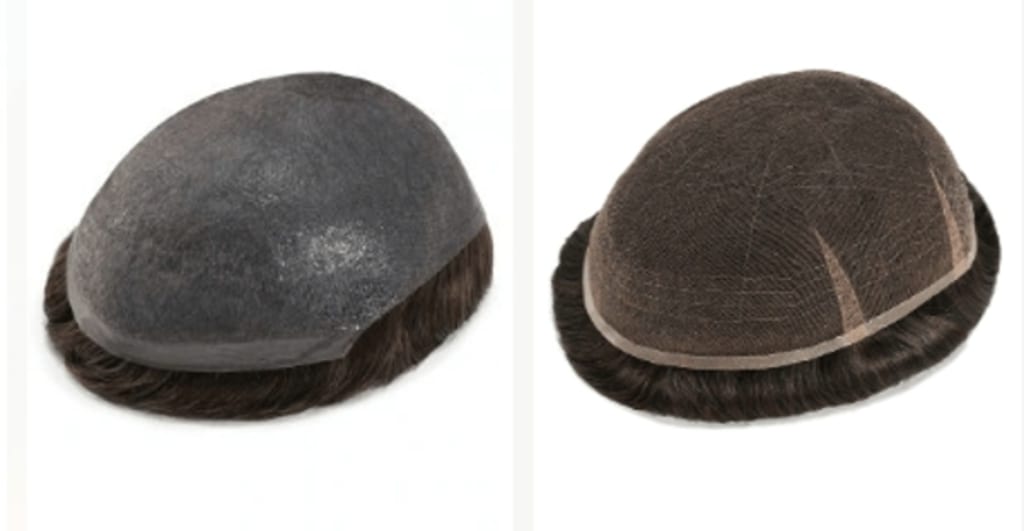
What are the best hair replacement systems for men with hair loss? Comparing Lace vs. Skin Bases
Modern hair replacement systems give men dealing with hair loss a solution that’s virtually undetectable, but picking the right one can still feel like a lot. It really comes down to newer material options: breathable lace or smooth skin bases. To figure out which system suits your lifestyle, it helps to first understand how the two most common base materials actually work.
Key Takeaways
- Choose **lace bases** for active lifestyles; their breathable mesh prevents sweat buildup and keeps your scalp cool.
- Opt for **skin bases** if you prioritize a highly realistic "second skin" feel and easier adhesive application.
- Try a **hybrid system** (lace center, skin perimeter) for a beginner-friendly balance of breathability and durable edges.
- Budget based on **annual cost-over-time**, factoring in that ultra-thin skin units require replacement every 3-4 weeks.
- Maximize lifespan by applying knot sealers to lace, using proper solvents for poly, and letting adhesives fully melt before removal.
Understanding the Core: Lace vs. Skin Base Materials
Getting into hair restoration terms can feel overwhelming at first. You’ll hear things like French lace, Swiss lace, and polyurethane nonstop, and it’s easy to wonder what actually matters. Every modern hair piece needs a base material, since that’s what determines how it sits on your scalp. You’ve really got two main options: a woven fabric or a solid polymer. The choice you make affects your day-to-day comfort and how real your hairline looks up close. We’ll start with the lace base, which is known for its invisibility and airflow.
The Lace Base: Breathability and the Invisible Hairline
Lace systems use a finely woven, breathable mesh that rests directly on your scalp. Hair strands are hand-tied one by one into this fabric, making it look like the hair is growing straight out of your head.
A front lace system is very popular because the material nearly disappears once it’s attached. You get a completely natural hairline. You can slick your hair back without anyone noticing a hard edge.
Air moves freely through the open weave. Sweat escapes easily, so your head stays cool throughout the day. But there’s a trade-off with that openness. You have to handle the material with care, which is why many buyers compare the delicate nature of lace to the tougher build of skin.
The Skin Base: The "Second Skin" Realism
A skin base uses a clear polyurethane material instead of woven fabric. It works like a dermal layer. The polymer sticks closely to your scalp, forming a smooth surface that matches your skin tone very closely.
Manufacturers attach hair differently on these units. Rather than tying knots, they use V-looped techniques or inject strands straight into the base. The hair lifts naturally without any visible dark dots at the root.
A thin skin unit feels extremely realistic to the touch. It essentially becomes a second skin that resists water and holds adhesive firmly. Applying and removing tape is also much easier than with mesh. This leads naturally into comparing how each option feels in everyday use.
The Lifestyle Matrix: Which System Survives Your Routine?
Your daily routine basically decides which base material you should go with. Sitting in an air-conditioned office calls for a very different setup than hitting the weights. For an active lifestyle, the focus shifts from simple comfort to real performance. You need a gym-friendly unit that won’t lift or trap moisture when your heart rate goes up. Skin bases have great grip, but they create a solid barrier against your skin. Lace systems handle sweat better and breathe easily, though they do need careful cleaning. In the end, a big part of lifestyle fit comes down to how the system deals with heat and sweat.
Managing the "Sweat & Smell" Factor in Summer
Trapped sweat leads to bacterial buildup, which quickly turns into odor and skin irritation. In humid climates, your sebaceous glands go into overdrive. If you’re wearing a solid polyurethane system in 90-degree heat, that moisture just sits against your scalp.
Keeping your scalp healthy means letting it breathe. Lace systems create a natural cooling effect because the open mesh lets air move through and sweat evaporate. That helps avoid the greenhouse effect that breaks down adhesives and causes bad smells.
Washing your scalp thoroughly between reapplications isn’t optional. You’ve got to clear away all trapped oils to stop buildup. Good sweat management really comes down to how well your chosen base allows ventilation.
Can Non-Surgical Hair Replacement Systems Look Natural?
Yes. Modern improvements have made obvious hairpieces pretty much a thing of the past. When it’s properly customized, a premium system is invisible to the naked eye.
The key is the hairline and the quality of the hair. Systems made with human hair copy your natural growth patterns and reflect light just like your own. Advanced injection methods create a scalp-like look, where each strand appears to grow right out of your pores.
And how it feels matters just as much. A high-quality ultra-thin skin base feels like real skin when someone runs their fingers over your head. No bumps. No hard edges. It lies flat against your skin. But getting that seamless result isn’t only about the piece itself. How natural it looks also depends on how well it stays securely attached.
Attachment and Adhesives: The Science of the Bond
Your base determines how well things hold. Getting a secure bond means matching tapes or liquid glue to your unit. Heavy liquid adhesives on mesh lead to nasty seepage, while weak tapes on skin bases just don’t stick. Your adhesive choice directly affects how long the unit lasts.
Choosing the Right Lordhair Adhesive for Lace vs. Poly
Lace works best with tape. It keeps the unit easy to clean and helps avoid tearing. Poly bases can handle liquid formulas since their solid layer blocks seepage. A solid maintenance routine with the right Lordhair products helps prevent accidental damage. If the base gets ruined, you’re looking at an immediate replacement, which is where the real cost shows up.
The "Cost-Over-Time" Calculator: Longevity vs. Price
A single hairpiece might seem affordable at first glance, but what you really end up spending depends entirely on how often you replace it. Your Year 1 cost estimate should factor in how many units you'll actually go through in twelve months. If you buy a unit for $300 that only lasts two months, you're looking at $1,800 for the year. Go with a $400 unit that holds up for six months, and your annual cost drops to $800. Price is what you pay today. Cost is what you spend over the year. That total lifespan is what shapes your budget. Now let’s look at the real durability gap between delicate thin skin and tougher reinforced lace.
How Long Does an Ultra-Thin Skin Hair System Last?
A lot of new wearers wonder: is that ultra-realistic look from a thin base actually worth replacing it so often? A 0.03mm Ultra Thin Skin system gives you one of the most undetectable hairlines out there. It blends right into your scalp. But there’s a clear trade-off. These fragile units usually last just 3 to 4 weeks before they start to tear. You're giving up longevity for top-tier realism.
Move up to a 0.06mm Super Thin Skin, and you’ll get around 2 to 3 months of wear. The slightly thicker poly stands up better to daily use while still looking natural. Still, neither option offers great breathability in intense heat. If you want something that balances durability with decent airflow, a hybrid system sits right in that middle ground.
The Hybrid Solution: Combining Lace and Skin Benefits
Hybrid hair systems bring together the best parts of different materials in one unit. You don't have to choose between a hairline that breathes and edges that last.
Manufacturers do this by pairing a soft French lace or Fine Mono center with a durable polyurethane edge. The skin perimeter gives tape and liquid adhesives a strong, smooth surface to grip. At the same time, the Monofilament top lets your scalp breathe naturally and releases trapped body heat right away.
This setup is especially practical for guys dealing with sweaty climates or intense workouts. Here's why this specific build makes an ideal starting point.
Why a Lordhair Hybrid System is Often the Best First Choice
Men's hair loss can feel overwhelming when you're researching your first piece. A Lordhair hybrid unit removes a lot of the guesswork from that first purchase. The tough skin perimeter handles the messier parts of maintenance, so you can wipe away leftover glue without tearing the base.
At the same time, the lace center keeps you cool throughout the day. Non-surgical hair restoration should fit into your active life without friction. It shouldn't make you avoid the gym.
You get durability where you need it most.
This dual-material approach gives you a secure hold along with an undetectable front hairline. Now that you know which base fits your lifestyle, you need to get ready for the physical transition of actually attaching and wearing your system.
The Transitioner’s Guide: From Thinning to Full Coverage
Moving from a shaved head or dealing with thinning hair to wearing a full system feels completely different. You're suddenly running your hands through real hair again. A lot of men try transplants first, then realize they still don't have enough density. Putting on a unit made with premium Remy Hair changes what you see in the mirror right away. It brings back that natural-looking thickness instantly. Switching to a soft Euro Texture feels comfortable against your scalp, getting rid of the rough feel older pieces had. Taking care of this new look comes with a short adjustment period. You’ll need the right habits to protect your investment.
Pro-Maintenance: How to Make Your Base Last Longer
Your maintenance routine directly affects how long your hairpiece lasts. If you're wearing a lace base, you need to spray a knot sealer after every wash. This keeps the hair locked into the delicate mesh and helps stop shedding before it starts.
Skin bases need a different approach. You’ll want to use a citrus or alcohol-based solvent made specifically for polyurethane. Harsh chemicals can break down the thin material quickly.
Even though modern systems are easy to put on, taking them off needs a gentle touch. Don’t pull the base off your scalp like a bandage. Let the solvent sit for a few minutes so it can fully melt the adhesive. These small steps help keep your unit in good shape and ready for the next wear.
Frequently Asked Questions About Men's Hair Systems
Is a lace base or a skin base more breathable for daily wear?
Lace. It's an open mesh. Skin bases trap heat like a plastic bag on your head. If you sweat daily, French lace is your only real option to stop a swampy scalp.
Which hair system base is the easiest to clean?
Skin bases. Polyurethane is totally smooth. Glue and tape wipe right off with a basic citrus solvent. Lace is a nightmare because adhesive gets jammed deep in the tiny mesh holes.
Can you swim or shower with a modern hair system?
Yes. But wait 48 hours after gluing for the cure. Water is fine. Chlorine and salt will wreck the hair over time though. Always use a heavy leave-in conditioner after the pool.
What is the best hair replacement method for men with sensitive scalps?
Lace. Specifically Swiss lace. It breathes. Doesn't trap irritating sweat against your skin. Avoid full poly skin bases entirely. They suffocate pores and trigger breakouts if you already react badly to adhesives.
About the Creator
Leo
Passionate men's hairstylist with a keen eye for detail and a knack for creating on-trend looks. Dedicated to delivering hair restoration education that enhances individual style.
Enjoyed the story? Support the Creator.
Subscribe for free to receive all their stories in your feed.
Comments
There are no comments for this story
Be the first to respond and start the conversation.