
The Ultimate Guide to Tape-in Hair Extensions: Everything You Need to Know
Everything You Need to Know About Tape-in Hair Extensions

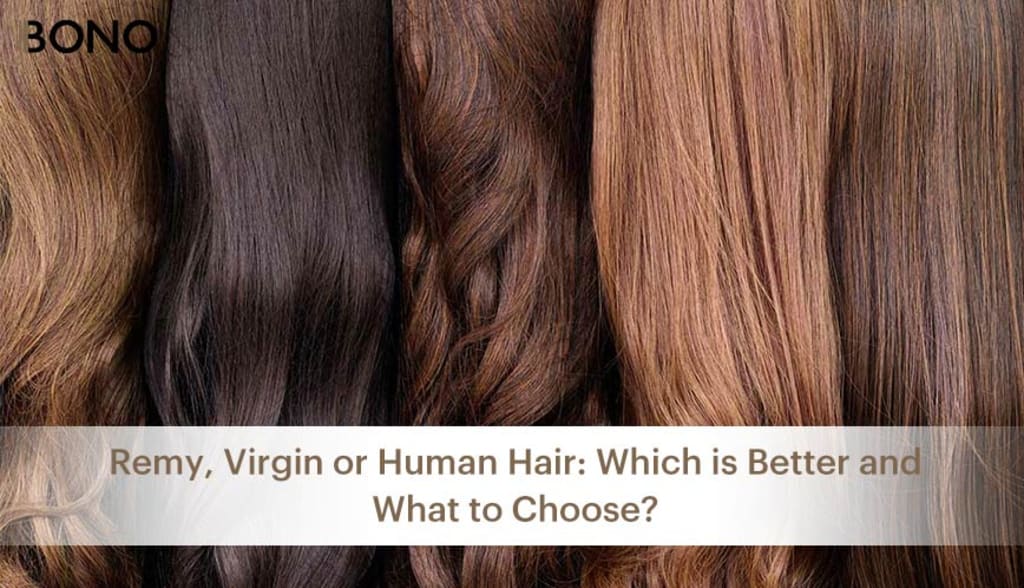
The Ultimate Guide to Tape-in Hair Extensions: Everything You Need to Know
Tape-in Hair Extensions are a semi-permanent setup. They bond thin wefts to your Natural Hair using medical-grade adhesive strips, giving you a totally flat, discreet finish. You can usually expect them to stay put for 6–8 weeks before you need them reapplied. It's a great way to boost your length and volume without dealing with thick, bulky tracks. Once you get how the basics work, it's pretty clear why tape-ins are now the industry standard for seamless hair transformations.
Key Takeaways
- Invest in 100% Remy human hair for a seamless, tangle-free blend that mimics natural hair.
- Schedule professional maintenance every 6–8 weeks to reposition the extensions as your natural hair grows.
- Protect the adhesive bonds by avoiding water or sweat for 48 hours, and keep oils and heat away from the roots.
- Avoid tape-ins if you have an extremely oily scalp or ultra-fine hair, which can cause premature slipping.
- Save money long-term by having a professional safely remove, re-tab, and reuse high-quality extensions for multiple cycles.
Understanding the Mechanics of Tape-in Hair Extensions
Tape-ins use a simple but exact setup: thin wefts lined with adhesive tape that stick right near your scalp. Every piece is incredibly light, but strong enough to hold on for 6–8 weeks. The magic comes from two main things—medical-grade tape and flexible wefts—working together for a flat, invisible finish. To see why this system performs so well, you first have to look at how the sandwich method is applied.
What is the "Sandwich Method" in Tape-in Application?
This technique literally sandwiches real hair between two sticky wefts. You slide one piece under a clean, thin section of hair, and then press the second one right on top. That locks the natural hair right inside. Getting the sectioning perfect—usually around 1–2 mm thick—keeps the tension even so you don't get any slippage.
Press it tight, and the medical-grade glue creates a watertight seal. That bond easily survives regular washing and hot styling without feeling bulky. Simple as that. But here's the catch: even a flawless install won't save you if you're using cheap hair.
The Importance of Using 100% Remy Human Hair
Real 100% Remy human hair is cuticle-aligned. This just means every single strand falls in the exact same direction. It cuts way down on tangles and keeps the entire blend smooth from root to tip.
Stylists heavily rely on Remy hair because it acts completely naturally when you wash or curl it. Low-quality, non-aligned strands fray fast and ruin the seamless illusion. And at the end of the day, that premium hair quality is exactly why tape-ins beat out so many other extension methods.
Why Stylists Recommend Bono Hair for Professional Results
Bono Hair stands out because the quality stays locked in right where it counts. Think perfectly aligned cuticles, strong strands, and genuine virgin hair sourcing. This means fewer tangles, way better color hold, and a finish that actually looks natural after weeks of wearing it. Stylists count on it when clients want a great look that can easily survive regular washing and hot tools. Once your hair quality is completely dialed in, the next move is nailing a seamless blend with the exact right texture and tone.
Achieving a Seamless Blend with Bono Hair Textures
Getting a totally seamless blend kicks off with a spot-on color match. Make sure to work in natural light, and compare the mid-lengths down to the ends instead of just staring at the roots. Bono Hair even offers rooted pieces to help recreate natural regrowth. It really helps soften those hard lines between the extensions and the client's real hair.
Texture is just as big of a deal as the shade. Try matching up the wave pattern and density first, then tweak the color. Adding a few light layers after the install easily merges everything together. Simple. When the blend finally looks right, the tape-in method keeps that finish super practical for everyday styling and upkeep.
The Strategic Benefits of Choosing Tape-ins Over Other Methods
Tape-ins sit right in a sweet spot between speed, comfort, and wear time. Compared to Clip-ins, Keratin bonds, and Micro-rings, they give stylists way more control. Plus, there's a lot less strain on the client’s hair. You get a flatter finish than wefts and a much faster install than bonded methods. That balance makes them a major go-to in busy salons. It all starts with how the weight actually spreads across the scalp.
Weight Distribution and Scalp Health
Tape-ins spread the weight out across a wide, flat panel. This design sits flush against the head, keeping tension low and the finish extremely discreet. Clients just feel less pulling compared to Micro-rings or Keratin bonds, since those tend to hold hair in much tighter points.
This also keeps things incredibly low maintenance between moves. Less stress on the roots simply means fewer client complaints about soreness or breakage. Makes sense. And that leads straight into the next big concern stylists hear all the time—how long they actually hold up in real everyday wear.
Efficiency in the Chair: Application Time vs. Longevity
Tape-ins easily win on install time. A full head often takes right under an hour, while Keratin bonds can eat up several. This faster application process helps you turn chairs without ever cutting corners.
Clients still get pretty solid longevity, seeing roughly 3–4 months of wear before needing a move-up. That mix of fast application speed and reliable lifespan is just hard to beat. But look, no method is completely flawless. Understanding the real trade-offs gives you a much more honest and professional recommendation.
The Honest Truth: Potential Drawbacks and Considerations
Tape-ins work well, but they aren't foolproof. The glue relies on heat to lock everything in place, and bond strength drops fast if a client washes their hair or sweats during the first 48 hours. That rule alone messes with scheduling and aftercare planning. Plus, oil-based products near the tabs weaken the grip. This leads to early slipping. These limits actually matter in real salons, and they set the stage for what keeps results consistent over time.
Are Tape-ins Suitable for All Hair Types?
Super oily scalps tend to break down the adhesive a lot faster. If you don't manage it, natural hair producing extra oil can easily shorten the wear time from four weeks down to just two or three. Ultra-fine strands struggle too. There's just less surface area for the tape to actually grab onto.
Hypoallergenic bands definitely help reduce irritation, but they won't fix poor stickiness on delicate or overly slick hair. Proper sectioning and product control are totally non-negotiable here. No exceptions. That reality shifts our focus to where results are really won or lost: long-term care.
The Professional Maintenance & Aftercare Manual
Maintenance and aftercare is exactly what keeps tape-ins looking seamless and bonds secure way past week one. Daily upkeep isn't hard, but you have to be precise. Product control, gentle handling, and smart timing all make a huge difference. Miss just one step, and slippage shows up fast. The whole routine starts with the exact task people mess up most often: washing.
How to Wash and Style Without Loosening the Bonds
Grab a sulfate-free shampoo and keep it right on your scalp. Just let the lather run down the hair instead of roughly scrubbing through the bonds. You also need to keep oils far away from the tabs. They'll just break down the adhesive.
Always start detangling at the bottom ends using a loop brush—never pull from the root. When it's time to style, make sure your heat tools stay entirely off the tape area. These habits mean everything, especially for active clients.
The "Growing Out" Phase: What Happens at 6 Weeks?
Right around 6 weeks, those tape “sandwiches” shift lower as the natural hair grows out. This drops the overall bond security and makes blending much harder near the root.
The big upside here is reusability. If the tabs hold together fine, they're easy to retape and reapply. But once they start moving around too much, taking them out on time isn't optional. It's the only way to get a clean, damage-free reset.
Lifestyle Integration: Can You Still Live Your Life?
Tape-ins won't ruin your daily routine as long as they're put in and cared for the right way. You can absolutely still hit the gym, swim some laps, and sleep comfortably without stressing over your hair all the time. The main trick is keeping it brushed out and sticking to basic daily upkeep. This is super important right after sweating or getting your hair wet. Secure bonds and clean sections keep everything looking totally natural, even when you're super active. But honestly, where the tape goes matters a lot more than most people think. That's exactly where your styling freedom starts.
Gym Hair and High Ponytails: Placement Strategies
Smart placement by a pro means you can actually wear high ponytails and braids without an issue. Keep the tapes staggered and far enough from the hairline so they stay hidden, even when you pull your hair back tight. This keeps the sticky bonds out of sight when you move around. Plus, it stops that annoying pulling at your roots.
Active folks need their hair sections to move naturally without showing off the tabs. Nice clean partings and even spacing make that happen. When everything is placed right from day one, dealing with end-of-cycle chores—like taking them out and re-tabbing—is way smoother and totally predictable.
The Professional Removal and Re-tabbing Process
Clean removal is controlled, not a mess. A pro uses a targeted bond remover to break down the glue in seconds. This means the tapes slide right out without pulling your hair or leaving thick residue behind. Whatever is left over is minimal and washes right out during a normal shampoo. No sticky buildup. No damage. Just a clean slate. Once removed, you can prep and re-tab the exact same hair, which is where reusability starts making real financial sense.
Can You Reuse Tape-in Hair Extensions?
Yes—but only if the hair quality holds up. High-grade options, especially virgin hair, can be reused for two to three reapplications as long as you take good care of them.
The real value shows up over time. You'll pay a higher upfront price once, and then you only cover the re-tabbing and salon appointments. That entirely shifts your ongoing costs from buying brand new hair to just maintaining what you already own. Simple.
But consistency really matters here. Clean removal, careful storage, and exact re-tabbing keep the wefts perfectly aligned and looking natural. This sets up the absolute best cost-to-value balance in the end.
Frequently Asked Questions (FAQ)
How long do tape-in extensions last with proper maintenance?
6 to 8 weeks per install. That is the hard limit before they grow out and look obvious. Good Remy hair survives a few cycles if you pay a pro to re-tab them.
Do tape-in hair extensions damage your natural hair?
No. Not if you do it right. Ripping them out yourself will destroy your roots. Medical-grade adhesive is safe, but ultra-fine hair might snap under the weight. Always get a professional removal.
How much do tape-in extensions cost (installation vs. hair)?
Hair costs $200 to $800 depending on length and quality. Installation runs another $150 to $300. Cheap out on the hair, and it tangles in a week. Pay for 100% Remy.
What are the best brands for professional tape-in extensions?
Bono Hair is a solid bet for high-quality Remy. You want brands using 100% human hair and medical-grade tape. Anything less will slip or mat up after one wash. Stick to professional-grade suppliers.
About the Creator
Leo
Passionate men's hairstylist with a keen eye for detail and a knack for creating on-trend looks. Dedicated to delivering hair restoration education that enhances individual style.
Enjoyed the story? Support the Creator.
Subscribe for free to receive all their stories in your feed.
Comments
There are no comments for this story
Be the first to respond and start the conversation.