
The Hidden Rules Behind Selling Hair Extensions: Do You Really Need a License
Do you need a license to sell hair extensions?

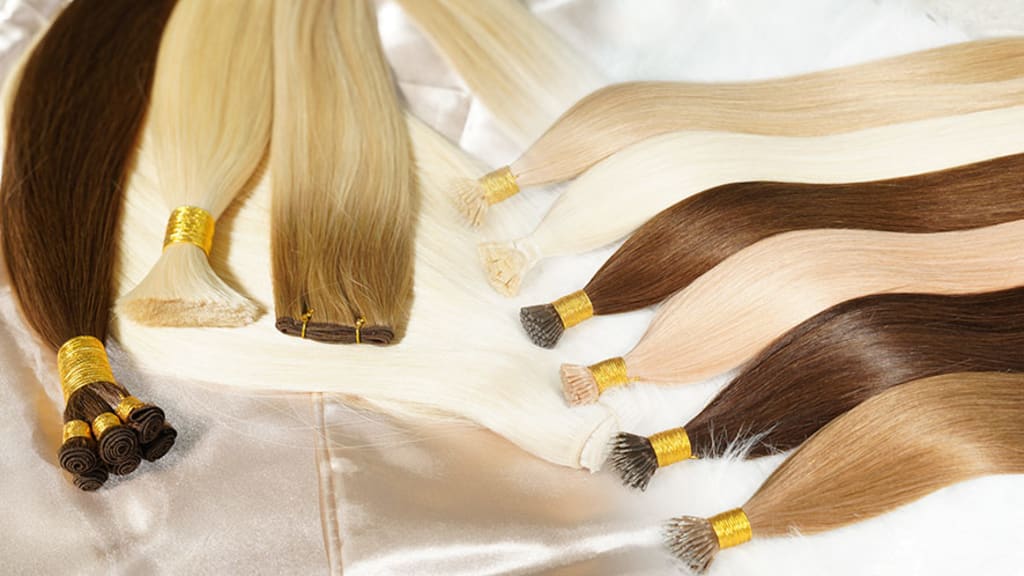
The Hidden Rules Behind Selling Hair Extensions: Do You Really Need a License?
There is a moment in every entrepreneur’s journey when an idea begins to feel real.
Maybe it starts with a simple observation.
A friend struggling with thinning hair.
A customer asking where to find better extensions.
A growing interest in beauty, fashion, and personal transformation.
Then comes the question:
“What if I started selling hair extensions?”
At first, it sounds simple.
Find quality hair. Build a website. Create social media pages. Start selling.
But behind every successful beauty business is a foundation that many new entrepreneurs overlook:
The rules behind the industry.
Before opening an online store or building a hair extension brand, one important question appears:
Do you need a license to sell hair extensions?
The answer is not as simple as yes or no.
Because the world of hair extensions exists somewhere between beauty, fashion, retail, and personal services.
And understanding the difference can determine whether a small idea grows into a trusted business or disappears before it begins.
The Difference Between Selling Hair and Providing Hair Services
One of the biggest misunderstandings comes from confusing two very different businesses.
Selling hair extensions is not the same as installing them.
If someone operates an online store selling clip-in extensions, tape-in extensions, wigs, or hairpieces, they are generally operating as a retailer or supplier.
However, if someone provides professional services such as:
Installing extensions
Cutting or coloring extensions
Applying hair replacement systems
Providing salon treatments
then local cosmetology regulations may apply.
The product itself and the service surrounding that product often follow different rules.
A person selling a beautiful set of extensions online may not need the same license as a stylist attaching those extensions in a salon.
This difference is the first door every new entrepreneur needs to open.
Business Licenses: The Foundation Behind the Brand
Even when a specific beauty license is not required, running a legitimate business usually involves basic requirements.
Depending on location, sellers may need:
Business registration
Sales tax permits
Seller permits
Import documentation
Online commerce compliance
The exact requirements depend on where the business operates.
A small online seller working from home may have different obligations compared with a company importing thousands of hair products internationally.
The important lesson is simple:
A successful hair business is built on more than beautiful products. It is built on trust and responsibility.
Customers are not only buying hair.
They are buying confidence that the product they receive will match their expectations.
The Real Challenge: Quality Behind the Product
Many people entering the hair extension industry focus on marketing first.
They think about:
Website design
Social media content
Influencer partnerships
Advertising
But experienced sellers understand that reputation begins somewhere else:
With the hair itself.
A customer can forgive a slow delivery.
They can forgive a small mistake.
But they rarely forget poor-quality hair.
The biggest challenges in the extension industry often involve:
Hair consistency
Texture matching
Shedding control
Longevity
Natural appearance
This is why choosing the right manufacturing partner becomes one of the most important decisions for a growing brand.
Why Manufacturers Matter More Than Most Sellers Realize
Behind every hair extension brand is a supply chain.
Some businesses purchase ready-made products.
Others work directly with manufacturers to create customized collections.
The difference is often reflected in:
Product control
Customization options
Quality consistency
Long-term reliability
Professional manufacturers help businesses move beyond simply reselling products.
They allow brands to create their own identity.
This approach has become increasingly important as customers become more educated and demand higher-quality solutions.
The Changing World of Hair Extensions
The hair industry has changed dramatically.
Extensions are no longer only about adding length.
Today, they represent:
Personal style
Self-expression
Confidence
Creative freedom
The same customer may want different solutions at different stages of life.
Someone preparing for a special event may want temporary extensions.
Someone experiencing hair thinning may look for a more permanent hair replacement solution.
A salon may need professional-grade products for daily clients.
A growing online brand may need reliable wholesale supply.
The industry is becoming more personalized.
Building a Responsible Hair Brand
For entrepreneurs entering this space, success is rarely created overnight.
The strongest brands usually share several qualities:
They Understand Their Customers
They know whether they serve:
Individual buyers
Salons
Beauty professionals
Distributors
Different customers require different solutions.
They Prioritize Transparency
Customers appreciate brands that clearly explain:
Hair origin
Product features
Care instructions
Expected lifespan
Trust is built through information.
They Choose Reliable Partners
A brand is only as strong as the products behind it.
Working with experienced suppliers and manufacturers helps maintain consistency as demand grows.
Bono Hair: Supporting the Next Generation of Hair Businesses
As the hair replacement and extension industry continues evolving, manufacturers play an important role in helping businesses create better products.
Bono Hair is one example of a manufacturer focused on professional hair solutions, including customized hair systems and extension products for businesses and industry partners.
Rather than simply producing hair products, manufacturers like Bono Hair represent a larger shift happening in the industry:
Moving from mass production toward customization, craftsmanship, and long-term partnerships.
For entrepreneurs building a hair business, the right manufacturing relationship can become the foundation behind future growth.
The Question Behind the Question
So, do you need a license to sell hair extensions?
Sometimes.
Sometimes not.
The answer depends on where you operate, what services you provide, and how your business is structured.
But the bigger question is not only about licenses.
It is about preparation.
Because selling hair extensions is not simply selling a beauty product.
It is entering an industry built around personal identity and confidence.
The entrepreneurs who succeed are not only those who find customers.
They are the ones who understand responsibility, quality, and the story behind every strand of hair they sell.
And that is where every lasting hair brand begins.
About the Creator
Leo
Passionate men's hairstylist with a keen eye for detail and a knack for creating on-trend looks. Dedicated to delivering hair restoration education that enhances individual style.
Enjoyed the story? Support the Creator.
Subscribe for free to receive all their stories in your feed.
Comments
There are no comments for this story
Be the first to respond and start the conversation.