
Salon Consultation Guide: How does base thickness affect the natural appearance of a skin hair system?
Skin Hair System Base Thickness & Realism Guide 2026
Salon Consultation Guide: How does base thickness affect the natural appearance of a skin hair system?
The base thickness of a skin hair system newtimesmakes a huge difference in how natural it looks right off the bat. Thinner polyurethane softens the hairline and lets more light shine through. Thicker bases definitely feel sturdier, but they can show a bit more at the edge. It's always a trade-off. That's exactly why Newtimes Hair has a few different base options to fit whatever your clients actually need.
Key Takeaways for Salon Base Consultations
Thinner polyurethane creates flatter, more discreet hairlines through better light transmission.
Ultra-thin 0.02–0.03 mm bases maximize realism but typically last only three to four weeks.
V-looping suits ultra-thin bases for knotless roots; thicker bases require knots.
Thicker 0.06–0.12 mm bases improve durability but show more at exposed edges.
Gentle cleanup prevents thin edges from becoming visible after repeated rebonding.
The Physics of Invisibility: Polyurethane Thickness and Light Transmission
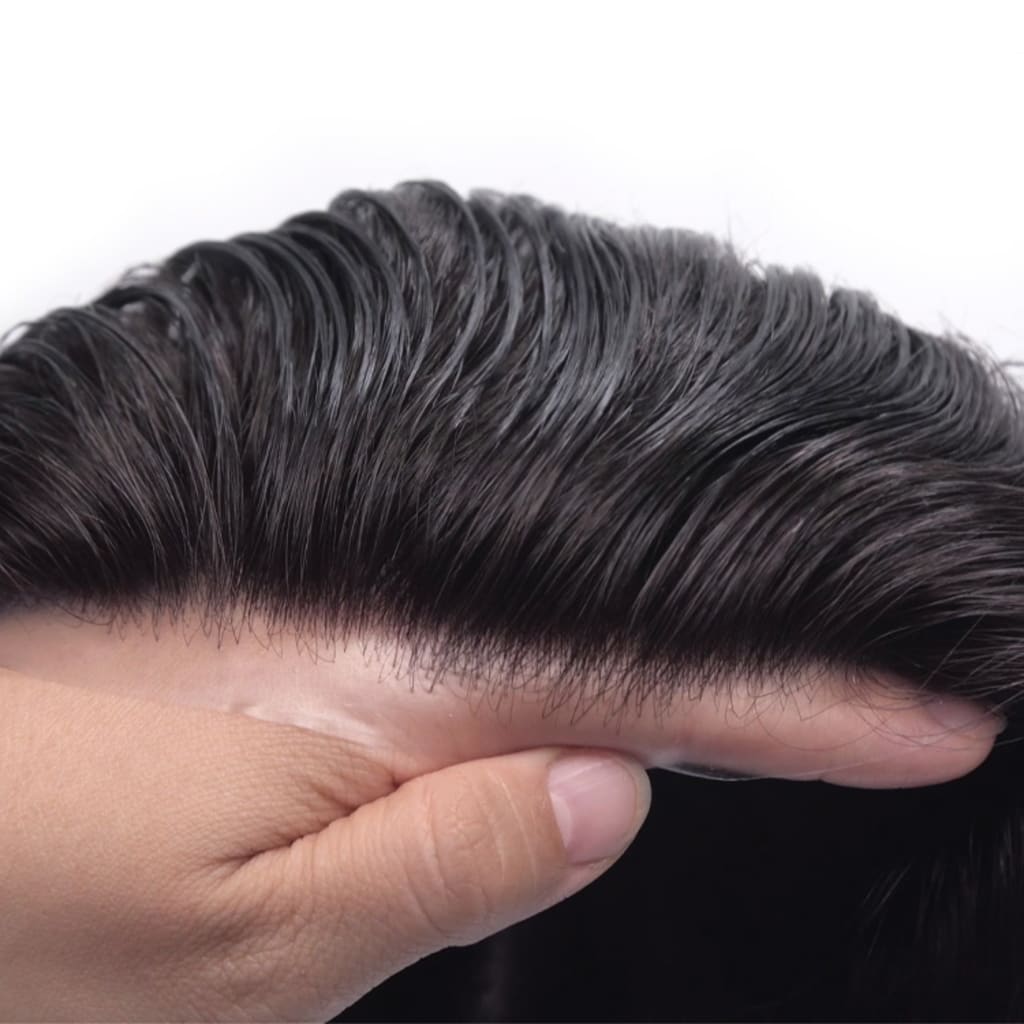
Polyurethane (Poly) gets easier to spot as it gets thicker, mainly because a deeper edge reflects and bends more light. A thinner Poly base lets that light pass right through. This creates a clearer Scalp Effect and a boundary you barely notice.
Thickness doesn't make polyurethane breathable. It really just makes it feel less bulky. Newtimes Hair offers bases that let salons match this light transmission perfectly for a much smoother front hairline transition.
The Front Edge Transition: How Micrometers Impact Hairline Realism
A thinner polyurethane edge hugs the skin tighter, which means you get less of a raised bump right at the front hairline. That smooth blend is exactly what creates an Invisible Hairline and a more Natural Appearance, especially when you're standing under direct light.
For salons and shops, Newtimes Hair's mix of base options makes it easy to match edge thickness directly to a client's skin tone, their wearing habits, and the exact level of realism they're looking for.
Base Thickness and Ventilation Methods: V-Looping vs. Single Split Knotting
Base thickness decides exactly how hair gets secured into the polyurethane. Ultra-thin skin handles V-looping just fine. Thicker skin, on the other hand, needs knots for a stable hold.
For B2B buyers, this choice changes the whole root look. It also impacts styling direction and how naturally the system actually sits against the scalp.
V-Looping on Ultra-Thin Bases for Knotless Root Realism
V-looped Hair uses strands folded straight through Ultra Thin Skin (UTS) instead of tying them into visible knots. On bases under 0.04 mm, the polyurethane is thin enough to pull this off. The result is a much cleaner root area that looks just like real hair growing right out of the scalp.
This low-profile setup helps the base lie flatter, giving you a more comfortable and natural-looking finish. Newtimes Hair offers a few different base options. This way, salons and retailers can easily match this subtle root effect for clients who want total close-up hairline realism.
Single Split Knotting on Thicker Skin for Directional Retention
Thicker polyurethane needs Single Split Knotting since the hair has to anchor securely inside more material. Each knot locks the strand's placement down. This gives stylists way better control over the hair's direction and keeps the overall style stable.
A Super Thin Skin base with knots can still pull off a great Scalp Effect, but looking really closely might reveal tiny root points. It's a solid choice when keeping the hair pointing the right way matters a bit more than having a completely knotless look.
How Base Thickness Controls Hair Direction and Flatness at the Root
A thinner polyurethane (poly) base lets the hair sit much closer to the scalp. This means the strands lie flatter right at the root, giving you a much more realistic hairline. Plus, it's usually barely noticeable and won't feel as hot when you're wearing it.
On the flip side, a thicker base gives you better control over which way the hair goes. But it can lift the root up a little bit, making the edge of the hairline easier to spot. Newtimes Hair offers plenty of base options, so salons can easily match up with exactly what their clients need for both flatness and styling.
The Realism vs. Durability Spectrum: Managing Client Expectations
Base thickness comes down to a simple trade-off. The less visible a skin base gets, the less material it has to hold up against daily wear. You need to set these expectations before the fitting.
Newtimes Hair gives you a wide range of base options. This helps salons and retailers easily match up a client's ideal hairline look, comfort level, and replacement schedule.
Ultra-Thin Skin (0.02mm–0.03mm) Realism and Lifespan Trade-offs
Ultra Thin Skin (UTS) sitting at 0.02mm-0.03mm creates a super discreet hairline. Why? Because the polyurethane edge hugs right up against the scalp. It also feels way less bulky for clients who hate that thick barrier feeling.
Just make sure to explain that this crazy realism comes with a catch. You're looking at a short lifespan of about 3 to 4 weeks. These units are perfect for clients who care most about having an almost invisible edge and don't mind swapping them out frequently.
Super Thin to Medium Skin (0.06mm–0.10mm+) Durability Gains
Bumping up to 0.06mm-0.10mm+, Super Thin Skin and medium skin bases do a much better job resisting stretching and tearing. That extra material boosts durability and means fewer replacements. Plus, it helps salons and retailers map out a client's long-term spending.
But thicker polyurethane isn't as transparent around the edges, and it might feel a bit warmer on the head than Ultra Thin Skin. Always talk about hairline visibility and overall comfort before picking a thickness that fits your client's daily life.
Ultra Thin Skin (0.02mm-0.03mm): Achieving the Second-Skin Effect
At 0.02mm-0.03mm, Ultra Thin Skin (UTS) delivers an invisible hairline since the polyurethane edge lays completely flat against the scalp. It's the top choice for exposed front hairlines, where even a tiny raised edge is going to show.
Plus, the thin base feels lighter and a lot less bulky than thicker skin options. Newtimes Hair actually offers a few different base thicknesses. That way, salons can perfectly match the hairline realism to exactly what each client needs.
Super Thin Skin (0.06mm-0.08mm): The Balanced Everyday Professional Solution
Super Thin Skin at 0.06mm-0.08mm gives salons a solid middle ground. It delivers a smoother hairline than thicker skin bases, while keeping enough structure for daily wear.
This thickness isn't quite as light as ultra-thin skin. But it's spot-on for clients looking to replace their system every month. Newtimes Hair provides base choices that help retailers nail that sweet spot between a realistic hairline, everyday comfort, and how long the unit actually lasts.
Medium to Thick Skin (0.10mm-0.12mm+): Longevity at the Edge
A 0.10mm-0.12mm+ skin base puts durability ahead of an invisible, exposed hairline. It's a great match for clients who wear hair over the front edge and need a system that can handle regular trips to the salon.
For salons, retailers, and distributors, finding the right fit really just comes down to hairstyle, handling needs, and heat tolerance. A thicker base adds structure, sure. But it also makes the perimeter much easier to spot if the hairline is left uncovered.
Choose This Thickness for Covered Hairline Styles
Medium to thick skin works best when the client rocks a fringe, a forward style, or just enough hair over the forehead to hide the front edge. These looks let stylists take advantage of a stronger base without expecting it to act like an ultra-thin hairline.
This thickness also makes a lot of sense for clients who want maximum durability during routine removal, cleaning, and reattachment. The extra material simply gives the system more structure. That's a huge plus for repeat wear and regular handling at the salon.
Just don't push 0.10mm-0.12mm+ skin as the go-to option for a fully exposed, swept-back hairline. A thicker edge will likely show under close inspection, especially the second light reflects off the base.
Blend the Perimeter Into the Client's Existing Hair
Getting a natural result means hiding the skin edge with the hairstyle itself, rather than trying to make a thick base magically disappear in an exposed spot. Direct the front hair forward or slightly down. From there, make sure the client's own hair overlaps the side edges wherever possible.
Always check the perimeter under normal indoor light before the client heads out the door. Keep an eye out for a visible line at the temples, an edge that lifts when they move, or hair that separates and exposes the base. If that border shows, just adjust the styling direction or go with a design that offers more coverage in that spot.
Newtimes Hair offers plenty of base options, so B2B buyers can easily match thicker skin bases to covered styles. Save the thinner designs for clients who really need a softer-looking hairline. Keep in mind that base thickness also changes how much heat gets trapped near the scalp. Over time, that extra warmth can definitely affect the client's comfort and the system's overall look.
Breathability and Thermal Comfort: Indirect Impact on Natural Appearance
A thicker Skin Hair System traps more heat against the scalp. This can get pretty uncomfortable if worn all day long. And when a client feels hot or sweaty, they'll probably touch, shift, or mess with the hair a lot more often. That constant movement makes the hairline look far less natural.
Good airflow keeps things comfortable. Plus, a thinner base usually lays flatter on the head, giving a much more realistic finish. Newtimes Hair gives B2B buyers plenty of base options to perfectly balance everyday comfort with that flawless hairline look.
Moisture Buildup and Edge Lifting: Preventing Realism Degradation
Sweat stuck under a skin base that doesn't breathe can easily weaken the bond at the front edge. And once that edge starts lifting, the Invisible Hairline shows right up. It completely loses that natural finish.
When making B2B fitting choices, breathability is what actually protects both comfort and looks. Newtimes Hair gives you different base options. This means salons and retailers can easily match a client's daily wear habits to a base that stays perfectly flat.
Scalp Chemistry and Sebum Interaction Across Base Micrometers
Ultra-thin Polyurethane (Poly) gives the hairline a barely-there edge. But since there's less material, it's much more vulnerable to scalp oil, sweat, and your skin's naturally acidic environment.
Thicker skin bases can handle this contact longer, even if they run a bit warmer on your head. This is why a solid maintenance routine matters. You need to pick an adhesive that actually matches how much oil and moisture a thin system takes in.
Adhesive Selection by Base Thickness: Preventing Base Rippling and Shine
Thin polyurethane bases usually need a light, flexible liquid glue. Thicker poly can handle acrylic tape just fine, as long as the edge stays flat. But too much stiffness will end up rippling a thin Skin Hair System. It might even cause an unnatural shine right at the hairline.
Make sure you don't scrape during Adhesive Cleanup. Always test your adhesive on a tiny spot first. If you're unsure, Newtimes Hair can help you compare different base options to get the right comfort and hairline realism.
Maintenance Routine Impact: How Base Thickness Affects Cleanup Realism
Every adhesive cleanup takes a toll on the thin edge of a skin system, especially if staff scrape, pull, or use strong solvents. Go through enough re-bond cycles, and that edge won't stay perfectly smooth. When that happens, the hairline just gets a lot more noticeable.
Sticking to a gentle maintenance routine really helps keep a flat, natural-looking finish. Newtimes Hair gives you a few different base options, so salons can easily balance a realistic edge with exactly what the client needs to stay comfortable.
Tactile Realism: Blending the Edge "Bump" for Natural Touch
A thinner base usually leaves less of a ridge under your fingers and keeps the hairline sitting flush against the scalp. Plus, it tends to feel a lot lighter, making it much more comfortable to wear all day.
Thicker bases might be easier to work with, but that raised edge definitely stands out a bit more when you touch or look at it. That's why Newtimes Hair offers different choices, letting salons easily match a client's specific needs without giving up a natural look.
Exposed Hairlines vs. Covered Styles: Matching Micrometers to Client Cuts
Nailing an invisible hairline really comes down to the haircut. Slicked-back styles and deep side parts put that front edge right on display. So, you'll want to pick the thinnest base that still fits how the client handles their hair day-to-day.
But fringes and forward-styled cuts hide most of that edge. That means you can easily get away with a thicker base. When you're running the salon consultation, just make sure to match the system to their natural part and lifestyle. Plus, keep in mind that thinner Newtimes Hair base options will usually feel a lot lighter.
Active Lifestyle Diagnostics: Balancing Sweat, Friction, and Base Integrity
Clients who are super active and sweat a lot usually need a thicker skin base than people who aren't quite as active. Constant moisture and rubbing will ruin an ultra-thin base pretty fast. It's just too much wear and tear.
When you're doing the salon consultation, make sure to write down how often they work out, how much they sweat, and any friction points. Newtimes Hair gives you plenty of base options to choose from. So, pick the thinnest one that can actually handle their daily routine. Keeping track of these details helps you build a really consistent diagnostic framework.
Step-by-Step Salon Consultation Framework for Skin Base Selection
A good salon consultation needs to match base thickness right down to the client's activity level, scalp sensitivity, and hairline goals. Thinner skin bases usually give you a much less noticeable hairline. But thicker bases? They handle sweat and daily friction a lot better.
Consultation Sequence
It's best to ask about workouts and sweating first. Next, figure out if comfort and breathability are the top priority, or if they really need that extra durability. Wrap up by checking how exposed the front hairline will actually be. Newtimes Hair has base options for all of these needs. So, just pick the thinnest base that still holds up to the client's daily routine.
Client Consent and Expectation Setting: Framing Replacement Cycles
Your salon consultation should put appearance goals and expected lifespan in writing before the actual fitting. Make sure to explain how thinner bases give a much more realistic hairline and a lighter feel. But thicker bases usually work better for people who care mostly about durability.
Get a signed form to track the chosen base, daily routines, care duties, and the planned replacement review. Newtimes Hair has base options that'll fit all these different needs.
Troubleshooting Incorrect Thickness Selection in Salon Clients
If a Skin Hair System looks obvious at the hairline or feels too hot, the base thickness is probably wrong. Thinner bases just blend better with the skin, while thicker ones can leave a harsh front edge that's easy to spot.
Take a close look at the hairline. Ask your client if they feel any extra heat or pressure, and pin down their daily wear routine before doing a refit. Newtimes Hair carries plenty of base options to help you hit that sweet spot between a realistic look and everyday comfort.
Hybrid Base Alternatives: Combining Skin Perimeters with Lace Cores
Hybrid Bases are perfect for clients who want a realistic front hairline but feel like thicker skin bases get too hot for daily wear. A thin skin perimeter makes bonding clean and simple, while the lace core lets the crown breathe.
Newtimes Hair has base options to help salons balance comfort with that perfect hairline finish. Plus, standard ranges mean it's much easier to plan inventory across all your different clients.
Sourcing Polyurethane Units: Exploring Newtimes Hair Base Thickness Range
Skin-base thickness dictates what the hairline actually looks like and how comfortable your client feels every single day. Newtimes Hair offers salons a wide variety of options. This means you can easily pair a virtually invisible front with high-end expectations, or just go with a sturdier thin base for your regular repeat customers.
The entire lineup caters to very specific styling goals.
Wholesale Ultra-Thin Skin Options for Premium Hairline Clients
Ultra Thin Skin (UTS) is a perfect match for high-end clients who like showing off their front hairline and want things to look as real as possible. Because the profile is so incredibly thin, the base basically disappears at the edge. This works out great for swept-back hairstyles.
Make sure you use your salon consultations to figure out how they style their hair and what kind of bonding they actually need. Yes, thin skin gives you a much stealthier edge. But you still need to double-check that your client's lifestyle makes sense for such a delicate base.
Super Thin Skin Models for High-Volume Salon Services
Super Thin Skin offers a solid middle ground. It works perfectly for people who want a natural hairline but also need routine rebonding. Think about using this option when durability is simply more important than getting the absolute thinnest edge possible.
If you have clients coming back every month, use those salon visits to check in on their wear time and how they're handling heat. Getting those specific details down will help you make much smarter inventory choices.
Frequently Asked Questions About Skin Hair System Base Thickness
What is a hair system base?
The base is the foundation holding the hair, then bonding to the scalp. Skin bases use polyurethane; thickness controls realism, comfort, and durability.
How long does a skin hair system last?
Ultra-thin 0.02–0.03 mm skin typically lasts three to four weeks. Thicker 0.06–0.12 mm bases last longer, but the edge is more visible.
What is the difference between skin, lace, and mono bases?
Skin is polyurethane: flat, easy to clean, realistic when thin. Lace breathes better. Mono is tougher and stable, but usually less invisible at the hairline.
Does a thinner hair system base tear more easily?
Yes. Thin skin tears more easily, especially during cleanup and rebonding. Gentle adhesive removal matters; aggressive peeling destroys edges fast.
About the Creator
Leo
Passionate men's hairstylist with a keen eye for detail and a knack for creating on-trend looks. Dedicated to delivering hair restoration education that enhances individual style.
Enjoyed the story? Support the Creator.
Subscribe for free to receive all their stories in your feed.
Comments
There are no comments for this story
Be the first to respond and start the conversation.