
Salon Consultation Guide: Can Clients Swim While Wearing a Hair System?
Can You Swim with a Hair System? 2026 Salon Guide

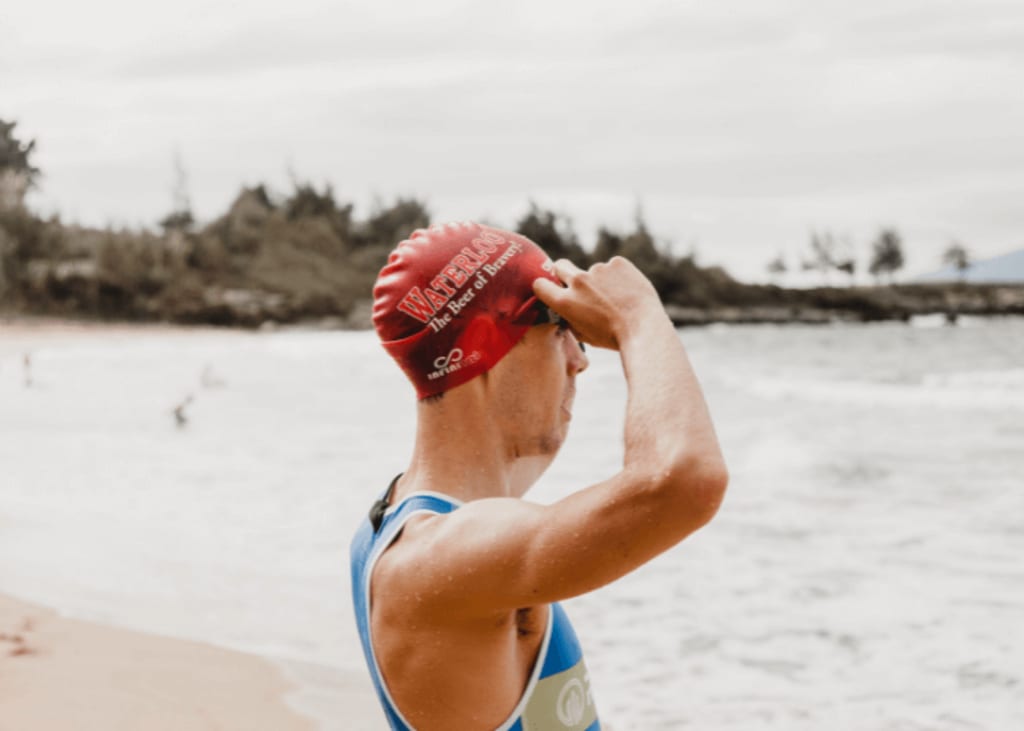
Salon Consultation Guide: Can Clients Swim While Wearing a Hair System?
Hair system clients can easily swim in pools and oceans as long as salons prep the piece for water and explain proper aftercare. Swimming doesn't have to hold back an active lifestyle.
But the kind of water matters. So do the steps clients take before jumping in and right after getting out.
Key Takeaways
Wait 24 to 48 hours after installation before swimming.
Adhesive choice should match base type and swim frequency.
Freshwater wetting before swimming reduces chlorine and salt absorption.
Immediate freshwater rinsing removes chlorine and salt after swimming.
Complete drying prevents trapped moisture beneath the base.
Direct Answer for Salon Clients: Is Swimming with a Hair System Safe?
Clients can swim with a Hair Restoration System in pools or the ocean as long as it's fitted right and completely secured before they jump in. Swimming is just a normal part of an active life. They don't have to avoid it.
Just make sure to set clear expectations. Getting wet can mess with the hair system's hold, so clients really need to follow your salon's pre-swim and post-swim advice. Pool water and ocean water also bring up totally different issues. This directly changes the kind of advice salons need to give out.
Understanding Water Mechanics: How Pool and Ocean Environments Impact Hair Systems
Chlorine strips moisture right out of human hair. This leaves the strands feeling rough and much more likely to tangle. It can also fade the color or shift the tone, especially on lightened or color-treated systems.
Saltwater pulls moisture from the hair as it dries, leaving behind a mineral residue that makes the strands stiff. Both pool and ocean water add extra weight and movement. That puts a lot of stress on the attachment while swimming. Salons should explain to clients that water exposure is completely manageable. But here's the thing: the system's construction really impacts how well it holds up to those forces.
Base Material Performance: Lace vs. Polyurethane Skin Systems in Water
The base material decides exactly what happens under a hair system the second it hits the water. Lace lets water flow right through its mesh, while polyurethane creates a solid barrier over the scalp.
For salons and clinics, this difference completely changes how you advise clients. Yes, swimming is fine. But the base has to be dried and maintained based on how it actually handles moisture.
Lace Base Systems: Breathability vs. Water Trapping Risks
Lace hair system bases are highly breathable since the mesh has open gaps. When a client goes for a swim, water just passes right through instead of pooling up on top. Once the unit dries, air can easily reach the scalp.
But water can still sit against the scalp or get stuck in thick hair after a swim. If a client leaves that moisture trapped under there, sitting damp for too long leads to odor and scalp discomfort. Total drying is a must.
Polyurethane Skin Systems: Impermeability and Scalp Hygiene Factors
A polyurethane skin base won't let water or air pass through at all. Going underwater might leave the surface looking perfectly fine, but the trapped heat and moisture under that non-breathable unit need real attention once the client gets out of the pool.
Scalp hygiene is a big deal here because covered skin gets way less airflow, especially when human hair holds onto water after a swim. Salons need to look out for lingering dampness, bad smells, or skin irritation. Plus, the base you choose directly affects the kind of chemical adhesive you'll need to keep things secure in the water.
Adhesive Chemistry Breakdown: Waterproof vs. Water-Resistant Bonds
Water-resistant hair system adhesive handles splashes and sweat just fine. But keeping it underwater too long might weaken the hold. Waterproof adhesive, on the other hand, is built to stay put while you swim. Even then, you'll still want to check the edges after getting out of the water.
For salons, picking the right chemistry really depends on a few things. You have to look at the base type, how often the client swims, and if the bond needs full coverage or just perimeter support. That's it.
Acrylic-Based Liquid Adhesives for High-Moisture Environments
If a client swims all the time, an acrylic-based liquid adhesive usually beats out a copolymer water-based glue. Acrylic formulas create a tougher water-resistant film. So, spending hours in the pool or ocean won't instantly soften the bond at the hairline or across a skin base.
The best waterproof adhesive for swimming with a toupee is simply the one that matches the base material and works with the client's skin. Remind your clients to check their edges after every swim. They also need to completely dry both the hair system and their scalp.
Medical-Grade Waterproof Tapes for Perimeter Bonding
High-tack perimeter tape works great for clients who want a secure edge but don't need liquid glue spread over the entire base. This setup lets the technician easily check the edges post-swim. Plus, it keeps all the adhesive right at the perimeter.
Only recommend tape if the manufacturer specifically says it holds up in the water and the client's base actually supports tape bonding. After a swim, clients should always rinse out any pool chemicals or salt. Then, they need to totally dry the hair, base edge, and scalp before checking to see if anything lifted.
Curing Time Protocols: Why the 24-to-48-Hour Waiting Period Matters
Clients need to wait 24 to 48 hours before swimming after a new hair system installation. This gives the adhesive enough time to fully lock in against the scalp and base, which really lowers the chances of pool or ocean water ruining a fresh bond.
When salons get asked, "How long should I wait to swim after a new hair system installation?", pushing for 48 hours is always the safer bet if the client's schedule allows it. Room temperature and humidity can totally change how the adhesive cures. So, you'll probably need to tweak that standard waiting window depending on the environment.
Climate and Humidity Adjustments for Adhesive Curing
Hot, sticky tropical weather actually changes how adhesives cure. So, don't cut the standard 24-to-48-hour wait short just because the bond feels tight. To keep your clients safe, tell them to hold off a full 48 hours before swimming if their schedule allows.
Salons need to check the adhesive maker's specific temperature and humidity rules. Keep the hair system completely dry during that window, and make sure to put this warning right in your daily care instructions. Once it's fully cured, a simple visual risk guide helps clear up any questions about swimming.
The "Traffic Light" Risk Assessment Framework for Active Clients
Taking a dip with a fully cured hair system is usually fine. But the specific activity needs to dictate your protection plan. Using a simple three-color system helps salon teams break down the risks clearly, all without telling clients they can't go in the water.
Green is for short, relaxed swims in clean pools. Yellow kicks in for longer pool days, active water sports, or hitting the ocean. For these, you'll want to recommend stronger protection and quick aftercare. Red means hot tubs, constant diving, rough waves, or swimming before the adhesive has actually finished curing. These harsh conditions put a lot of extra stress on both the bond and the hair itself. Make sure to jot down this tier in your consultation notes. That way, every client gets advice tailored right to their specific swim plans. From there, you can easily match Green and Yellow activities to practical pre-swim steps.
Pre-Swim Preparation Protocol: Protecting the Unit Before Submersion
Wondering how to protect a hair system from chlorine and saltwater? Coat the hair fibers with a good Leave-in Conditioner and make sure the system is completely secured before jumping in. This barrier cuts down on chlorine absorption and salt buildup. Preparation matters most for higher Porosity hair, since its raised cuticle soaks up water much faster.
Apply and distribute the protective layer
Tell clients to wet the hair with fresh water, then spread conditioner through the mid-lengths and ends. Keep it away from the base, because the residue can easily weaken the bond. Simple.
Gently comb it through to coat the fibers without tugging on the unit. And while they swim, a few smart habits will keep that prep work going strong.
During-Swim Safeguards: Impact Forces, Diving, and Swim Caps
Swimming with a secured hair system works just fine, but impact—not just the water itself—is usually what lifts an edge. Tell your clients to skip diving, hard cannonballs, and rough water play. Those things can easily pull at the base or the adhesive.
Can you wear a swimming cap over a hair system? Yes. You just need to make sure the cap goes on smoothly and doesn't get yanked on or off. Recommend a soft, roomy cap, and remind them to get in and out of the water gently. Once they finish swimming, they need to rinse everything right away and check the perimeter before drying it. Simple.
Post-Swim Recovery Protocol: Step-by-Step Rinsing and Cleansing
Wash your hair system and scalp with fresh, lukewarm water right after you finish swimming. This simple post-swim habit gets rid of pool chemicals or saltwater before they have a chance to sit on the base, hair, and edges.
Next, use a gentle, sulfate-free cleanser. Just work it through the hair instead of scrubbing at the bonded edge. Rinse it all out until the water runs clear, pat everything dry with a towel, and check the perimeter to see if anything is lifting. Good scalp hygiene also means making sure your scalp is totally dry before you cover it up. Once the base is clean, your hair strands need a little moisture so they stay smooth and don't tangle.
Deep Hydration and Detangling: Preventing Post-Swim Oxidation and Matting
Once you finish rinsing, run a lightweight leave-in conditioner through the mid-lengths and ends. Just keep it away from the base and bonded edges. This brings back that smooth slip after dealing with chlorine or saltwater. Plus, it cuts down on friction, so your hair system won't tangle up after a swim.
But remember, regular conditioning won't fix UV oxidation or faded color. If you're swimming outdoors, grab a leave-in product with built-in UV protection. Then, gently work a wide-tooth comb from the ends moving upward. Notice a lifting edge or extra shedding? That usually means you've got a bond issue.
Visual Troubleshooting Cues: Identifying Early Signs of Bond Degradation
A failing adhesive bond usually shows up at the hairline or perimeter first. You'll likely see lifted corners, a pale or cloudy edge, or water trapped right under the base. This means the bond might not sit flush anymore, even if the rest of the hair system still feels perfectly secure.
Tell your clients to check their system in bright light after swimming and drying off. If they spot new gaps, edges shifting when lightly touched, or stickiness around the perimeter, it's time for a professional checkup. Clear photos and simple descriptions help stylists turn a quick visual worry into a productive consultation. Simple as that.
Stylist Consultation Script: How to Reassure and Educate Clients
Swimming is usually fine when a client has a secure Hair Restoration System. But they still need a solid routine—not just a blind promise that water won't cause issues. Things like pool chemicals, salt, friction, and getting soaked will definitely bump up their Maintenance / Care needs. Tell them to check the perimeter right after every swim. If an edge starts lifting, they should book an appointment for help. Simple as that.
Try saying this: "You can totally keep swimming. Just make sure the bond feels tight before you jump in. When you're done, rinse your system with fresh water and dry the base carefully. If you spot any lifting or trapped water, give us a call." Make sure to ask how often they swim and what kind of water they're usually in. What they tell you will help you recommend the right cleansing and protective products.
Retail Strategy for Salons: Building and Upselling "Swim-Safe Kits"
Swim-Safe Kits transform basic swim advice into an easy home-care routine your clients will actually stick to. Just build every kit around the essentials: fresh-water rinsing, a solid leave-in conditioner, and a specific protection product tailored to their exact hair system and swimming habits. Simple as that.
When you're doing the consultation, walk them through exactly when to use every single item. That means before hitting the water, right after rinsing, and while they dry the base. Jot the steps down on a basic card for them to take home, and check in on it during their regular maintenance visits. A quick client case study really proves how well this setup holds up in everyday life.
Real-World Case Study: Managing an Active Swimmer's Hair Restoration System
One long summer case with a master swimmer proved that a Hair System easily fits into an active lifestyle. The only catch? The client just has to stick to the salon's care plan. The real secret wasn't a special product. It all came down to timing. Prep before hitting the pool, rinse off with fresh water right after, and then finish the normal conditioning and drying steps. That's it.
Because the swimmer checked in regularly, the salon caught tiny changes in the system's feel, wear, and attachment before they morphed into massive repair jobs. When chatting about swimming, clients also tend to ask if swim caps, leave-in treatments, and basic shower products are safe for their Hair System. Always give them clear, system-specific advice instead of a lazy, one-size-fits-all answer.
Adjacent Extensions Clarification: Guidance for Hair Extensions and Toppers
Clients wearing human hair toppers or extensions can definitely swim, but the attachment method really dictates the care routine. Salons need to give advice based on the specific item instead of treating these pieces like a full hair system.
Before jumping in, just secure the piece and wet the hair with fresh water. Then, rinse it out right after. Simple.
Can you swim in salt water with hair extensions?
Yes, clients can swim in salt water with hair extensions, but it often leaves the lengths feeling dry and tangled. Doing this a lot might also stress the attachment points. So, check the specific extension method and the manufacturer's care instructions before giving them the green light for ocean swimming.
Tell clients to wet the lengths with fresh water first and secure them. After swimming, they need to rinse everything out thoroughly and detangle gently. Saltwater shouldn't ever dry in the extensions.
Can you swim with halo extensions?
No, clients really need to take out halo extensions before going for a swim. The wire and wefts are meant for temporary wear. Plus, pool or ocean water easily tangles the hair and messes up the fit.
Ask clients to keep the halo safely tucked away in a clean, dry pouch before getting in the water. After swimming, they should wash and dry their natural hair before putting the piece back on, and always check the wire and wefts.
Salons can also tap into Newtimes Hair wholesale resources to help educate their clients.
Partnering with Newtimes Hair: Wholesale Solutions and Technical Training for Salons
Newtimes Hair helps salons set up a solid Hair Restoration System service for people who swim, work out, and spend time outside. Wholesale access makes planning your stock a lot easier. Plus, tech support ensures your team can match the right hair system to a client's specific activity level and daily care routine.
Training needs to cover client consultations, secure-fitting checks, and clear instructions for before and after a swim. That way, salons can give clients confident, lifestyle-friendly advice without acting like every Hair System is exactly the same.
Frequently Asked Questions (FAQ)
Can I go swimming with a hair system?
Yes. Swim once the bond is fully cured; wet hair with fresh water first, rinse immediately afterward, then dry the scalp and base completely.
How long should I wait to swim after getting a hair system?
Wait 24–48 hours. Forty-eight is the safer call, especially in hot, humid weather. Fresh adhesive can feel secure before it has fully cured.
Does chlorine damage a non-surgical hair replacement?
Yes, over time. Chlorine can dry the hair and weaken the bond. Rinse with fresh lukewarm water right after swimming; use leave-in conditioner only on mid-lengths and ends.
About the Creator
Leo
Passionate men's hairstylist with a keen eye for detail and a knack for creating on-trend looks. Dedicated to delivering hair restoration education that enhances individual style.
Enjoyed the story? Support the Creator.
Subscribe for free to receive all their stories in your feed.
Comments
There are no comments for this story
Be the first to respond and start the conversation.