
Non-Surgical vs. Surgical Hair Replacement Services: Which Is Right for You?
Surgical vs. Non-Surgical Hair Restoration

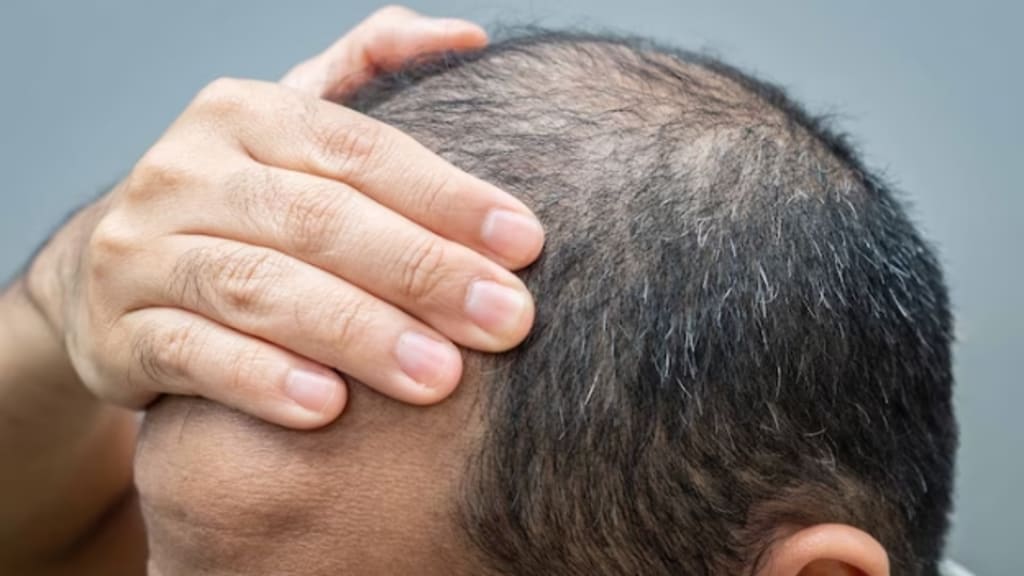
Non-Surgical vs. Surgical Hair Replacement Services: Which Is Right for You?
Hair Restoration tackles hair loss from a medical angle, using drugs or surgery to get your own hair to grow back. Non-Surgical Hair Replacement Systems take a cosmetic approach instead. They rely on advanced hair systems that look totally natural and fly under the radar. One tries to repair your follicles. The other fixes your look right away. That basic difference sets up a pretty clear matchup: a surgical blade versus a modern hair system.
Key Takeaways
- Opt for immediate, reversible results with hair systems, or choose surgery for a permanent, gradual transformation.
- Expect similar five-year costs: surgery demands a large upfront fee, while systems require a recurring maintenance budget.
- Stay active without worry; modern hair systems withstand sweat and swimming, whereas transplants require strict post-op recovery.
- Commit to mandatory upkeep: systems need bi-weekly rebonding, while surgery requires lifelong medications to prevent further thinning.
- Consider a hybrid approach—combining a surgical hairline with a crown system—for optimal coverage in advanced hair loss.
The Ultimate Decision Matrix: Surgical vs. Non-Surgical
Hair transplant surgery and hair replacement services solve the exact same problem. But they fit completely different lifestyles. A basic decision matrix helps you sort this out fast. Do you want instant change or gradual growth? How much commitment can you actually handle? Think of it as a quick "which one are you?" checklist to narrow down your options. Let's start with how quickly you expect to see results.
Time to Result: Immediate Transformation vs. The Long Game
Hair replacement systems give you immediate results. You literally walk out the exact same day with a full, natural-looking style. No recovery time. Zero downtime.
Hair transplant surgery takes much longer. Visible growth can take up to 12 months, and you'll have to deal with actual recovery time after the procedure. That difference leads straight into what your body goes through.
Permanence and Reversibility: Commitment Levels
Hair transplant surgery is a permanent fix. Once those follicles are moved, they stay put. Reversing that choice isn't simple at all. Older methods like hair plugs made this risk way more obvious.
Hair replacement services are totally non-invasive and flexible. You can adjust, replace, or just remove the system as your needs change over the years. And that flexibility ties right into how much you'll spend over time.
The Lifestyle Stress Test: Can You Live Your Life?
Daily life doesn’t slow down for hair loss. Your solution shouldn’t either. Worrying about people noticing your hair at the gym, in the pool, or during close moments is totally normal. But here's the thing: today's hair systems easily handle movement, sweat, and water. You can run, lift, and even swim without stressing out. The real question is simply how well each option holds up when your schedule gets active.
Are Non-Surgical Hair Replacement Systems Detectable During Physical Activities?
Today's systems stay completely hidden, even up close. A custom-fitted base sits totally flat on your scalp, so it won't lift or slide around while you train.
Lace options use a breathable mesh. This lets sweat pass right through instead of building up underneath. Skin bases give you a completely natural hairline that blends right into your head, even when soaking wet.
Strong adhesives easily take on sweat and water if you put them on right. Swimming laps or hitting a tough workout won’t expose a thing. It really is that simple.
This kind of freedom is a big shift from surgical options, which force you to take it easy while you heal.
Surgical Restrictions: The Post-Op Recovery Phase
Surgery puts the brakes on your routine right away. After Follicular Unit Extraction (FUE), those donor spots need plenty of time to heal. That means no heavy lifting, no swimming, and staying out of the sun for weeks.
Even throwing on a tight hat or a helmet can mess with your scalp early on. Plus, sweat and rubbing actually raise the odds of your new grafts failing.
That long recovery window easily gets in the way of work, the gym, and just living your normal life.
If you want fewer rules, today's non-surgical setups focus heavily on holding up to constant action.
Why Lordhair Systems Lead in Undetectability and Realism
Getting a truly natural look really just comes down to the details. That’s exactly where Lordhair shines. Their systems use 100% human hair, so the texture, shine, and movement match real growth perfectly—not that stiff, “pluggy” vibe people usually worry about. Each unit is custom-fitted, too. That means the base sits completely flush against your scalp instead of awkwardly lifting at the edges.
The hair gets hand-tied in patterns that actually copy natural density. Your hairline stays soft and slightly irregular, not perfectly straight or obvious. And the color matching blends different tones together so things don't look overly flat under bright lights.
These little choices quickly add up to a final result that’s incredibly hard to spot. Yes, even right up close. Now, let's look at what daily maintenance actually involves.
Maintenance Realism: A Day in the Life
Daily upkeep is where expectations hit reality. Regular maintenance just isn’t optional for either route. Both fully rely on consistent care to protect hair follicle health and your overall look. Non-surgical systems lean on cleaning and simple topical stuff, while surgical paths need heavy medical support. The workload is completely different. Still, neither is ever “set and forget.” So let's look at what at-home care actually involves.
Actionable Tips for At-Home Lordhair Maintenance
Being consistent is what drives results. You'll want to clean your system every 7 to 14 days. Or even sooner if your scalp gets a bit oily. Just grab a sulfate-free shampoo, give it a gentle rinse, and let it air-dry on a stand. That keeps the shape and integration perfectly intact.
Rebonding usually runs on that exact same cycle. Take off the old adhesive completely, wipe on fresh bonding glue or tape in really thin layers, and just press evenly so the edges don't lift up. Bad bonding shows fast.
Daily care is a big deal, too. Try to keep heavy oils away from the base, use a soft brush, and seriously consider sleeping on a silk pillowcase to cut down on friction. When you do it right, Lordhair maintenance keeps the system totally secure and natural-looking. But surgical choices bring their own set of ongoing demands.
The Surgical Maintenance Burden: Medications and PRP
Hair transplants still definitely need backup. Most people end up using Minoxidil every single day, plus Finasteride or other DHT-blockers for the long haul. That's how you protect your existing hair from thinning out.
Clinics also frequently add PRP therapy every couple of months just to keep those hair follicles healthy. These extra steps are meant to stabilize things, not completely replace your daily care routine.
Costs really stack up over time—medication refills, clinic visits, and follow-ups. And your final results completely depend on staying consistent. For some folks, that feels perfectly manageable. For others, it’s a massive long-term commitment worth comparing against a much simpler routine.
The "Hybrid" Path: Combining Surgery and Systems
Going with a hybrid approach gets you great coverage without leaning too hard on just one method. If you're dealing with advanced male pattern baldness or Alopecia, surgeons usually rebuild the hairline using transplants, while a hair system covers the crown. This works because your hairline needs actual follicle growth to look right up close. Meanwhile, the crown gets a big boost from the instant thickness of a system. The final look is totally natural from every angle. You just have to make sure the hair density matches across both areas.
This kind of setup also breaks up the daily effort. You take care of the transplanted spots with basic meds and easy maintenance, and the system brings the volume right where your natural growth is the weakest. And once you finally get that fuller look back, the biggest change isn't even technical. It's mental.
Managing the Psychological Transition
Getting sudden results from hair restoration can feel like a shock. Not just for you, but for the people in your life. A natural-looking hairline definitely keeps the spotlight off you, but jumping from obvious thinning to a full head of hair overnight might still raise a few eyebrows. Slower changes—like gradual regrowth or easing into a hair system—usually fly under the radar. People just adjust over time.
You'll want to get ahead of the story early on. Stick to your usual hairstyle for the first couple of weeks, skip any wild color changes, and build up the new density if you can. Honestly, most folks pay way less attention than you'd expect. That's especially true if the final look is completely natural up close.
But some situations just need a bit more planning. That's exactly where those common edge-case questions pop up.
Frequently Asked Questions About Hair Replacement
Is non-surgical hair replacement worth it?
Yes. You get a full head of hair instantly without going under the knife. The five-year cost rivals transplants, but you pay via monthly upkeep instead of a massive upfront bill.
How long do non-surgical hair replacement systems last?
Three to six months per unit. You have to rebond the adhesive every two weeks. It is a strict maintenance cycle. Keep up with it or the illusion fails.
Which hair restoration method is best for women experiencing thinning hair?
Hair systems. Female thinning is often diffuse across the whole scalp. That means weak donor areas for surgery. A system gives instant volume without risking shock loss from a scalpel.
Who is a good candidate for FUE hair restoration if they have limited donor sites?
Nobody. If your donor area is shot, FUE alone fails. The smart move is the hybrid approach. Transplant the front hairline to frame your face, then use a system for the crown.
About the Creator
Leo
Passionate men's hairstylist with a keen eye for detail and a knack for creating on-trend looks. Dedicated to delivering hair restoration education that enhances individual style.
Enjoyed the story? Support the Creator.
Subscribe for free to receive all their stories in your feed.
Comments
There are no comments for this story
Be the first to respond and start the conversation.