
Natural Results: What to Expect from Modern Hair Replacement Services
Natural Looking Hair Replacement System

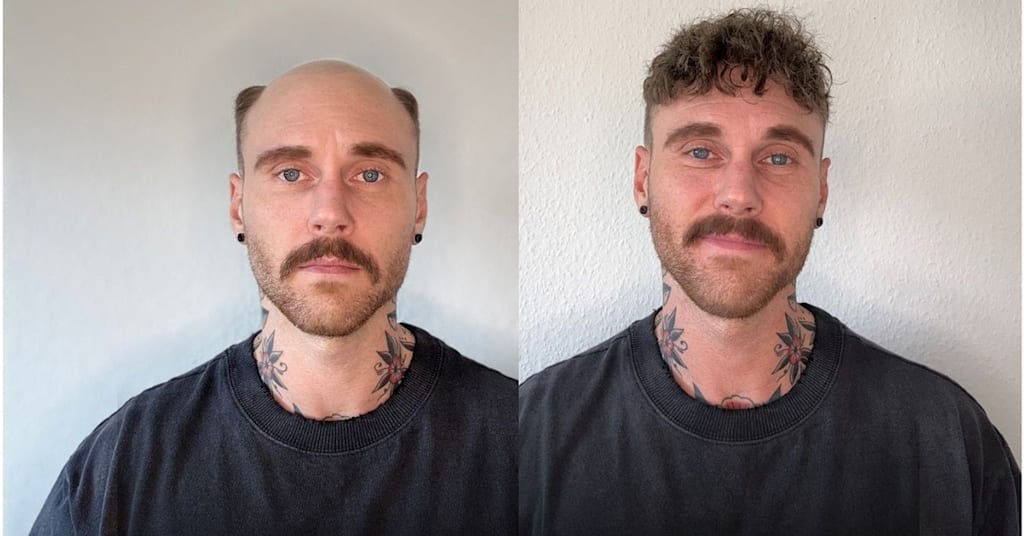
Natural Results: What to Expect from Modern Hair Replacement Services
Hair restoration has come a long way past those outdated clinical procedures. These days, the focus is all about natural-looking results. Modern systems care more about aesthetic, undetectable outcomes than just surgical fixes. So to see how this actually works, we first need to look at how the technology in the industry has evolved.
Key Takeaways
- Expect temporary shedding for 2–4 months after surgical transplants before natural growth appears.
- Choose Swiss lace or thin skin bases for non-surgical systems to achieve instantly undetectable results.
- Prevent hairpiece damage by using sulfate-free products, patting dry, and sleeping on a silk pillowcase.
- Reduce hair system density by 10–20% per decade and gradually add grays for age-appropriate realism.
- Use FDA-approved medications or PRP therapy to maintain natural hair density for seamless blending.
- Vet providers by asking about hairline artistry and requesting unedited before-and-after photos.
The Evolution of the "Invisible" Hairline
Older transplants used to look "pluggy." Not anymore. Surgeons now pull individual hair follicles to create a front that’s basically undetectable. This shift comes from techniques like FUE (Follicular Unit Extraction), which focus on placing each hair one by one.
How FUE and FUT Achieve Modern Realism
Surgeons move tiny follicular units to get the most natural look possible. They take hair from the donor area and place it straight into the recipient site.
That level of precision matters. The science behind extraction flows right into the art of placement.
The Art of Angulation and Density Gradients
Real hairlines aren’t perfectly straight. A minimally invasive method copies natural irregularities and exact exit angles.
Experts also match density gradients so grafts grow in naturally. These details shape how you look right after the procedure.
The Social Stealth Timeline: From Procedure to Public
A clear recovery guide takes the guesswork out of healing. Knowing this timeline helps you set expectations during the "ugly duckling" phase.
Managing the "Ugly Duckling" Phase (Months 2-4)
Expect your hair to look thinner before it starts to thicken. New follicles go dormant, which leads to temporary shedding (shock loss).
You'll also notice minor scabbing early on. These crusts wash away safely with daily care. Once the shedding stops, you reach the point of getting back to normal life.
When Can I Return to Work and Social Events?
Most patients get back to daily routines within seven days. Because the extraction uses local anesthesia, it's an outpatient procedure with a quick turnaround.
Visible redness usually sticks around for about a week. If you can't afford that downtime, consider non-surgical options.
Non-Surgical Excellence: The Lordhair Approach to Realism
Surgery takes weeks to recover from and can leave visible scars. If you want a full head of hair right away, high-quality Non-Surgical Solutions are a smooth alternative. Modern hair units skip the shedding phase that comes with transplants entirely. You walk in with thinning hair and walk out with a complete style the very same day.
Brands like Lordhair have fine-tuned this process so the results look fully natural. The era of bulky, obvious hairpieces is over. Today’s systems copy the exact way hair follicles grow from your skin. They blend right into your natural sides and back, creating a hairline that looks just as real as a surgical transplant. That kind of realism comes down to very specific materials.
Thin Skin and Swiss Lace: The Lordhair Advantage
What makes a hairline truly undetectable is the base material. A premium Lordhair system uses ultra-thin skin membranes or breathable Swiss lace. These bases are so sheer they almost vanish as soon as they touch your skin. Swiss lace lets your scalp breathe, while thin skin closely matches the texture of a real human scalp.
This level of realism works like a form of Scalp Rejuvenation, bringing back your original look instantly—no needles involved. But these delicate materials need the right at-home care to stay looking invisible.
Because the bases are extremely thin, harsh chemicals can break them down quickly. Wash your system just once or twice a week with a gentle, sulfate-free shampoo. Pat the lace or skin dry instead of rubbing to avoid early shedding. Spending a few extra minutes on daily care helps protect the membrane and keeps your unit lasting longer.
Maintenance Secrets for Long-Term Naturalness
Getting a seamless hairline is just the beginning. You still need to maintain that natural look at home. Whether you wear a non-surgical system or get a transplant, your routine decides how long everything stays undetectable.
Post-op care for surgical patients calls for extra caution around new follicles during the first 14 days. For non-surgical users, the daily focus shifts to protecting delicate lace bases from friction and adhesive buildup.
Both approaches rely on gentle washing with sulfate-free products to keep the hair hydrated. Rough scrubbing strips away natural oils, leaving strands dry and quick to tangle. Frayed, stiff hair is the most obvious giveaway of a hairpiece. Here’s what actually helps preserve your hair’s texture.
Daily Care Habits to Preserve Hair Texture
Your nighttime routine matters just as much as your morning styling. Friction is the enemy when it comes to any kind of hair restoration. Sleeping on rough cotton pillowcases leads to tangles and speeds up shedding over time.
Switch out standard bedding for a silk case, or use a smooth neck pillow to keep your head slightly elevated and limit rubbing. This small change can extend the life of a non-surgical system by months. It also helps protect a healing scalp if you’ve recently had something like Scalp Micropigmentation (SMP) to add density behind your hairline.
When washing, apply conditioner only to the mid-lengths and ends. Letting heavy products sit on the roots can loosen knots in a hair system and clog scalp pores. Use a wide-tooth comb to detangle while the hair is fully wet. Staying consistent with daily care keeps the hair from turning dull, so your results continue to age naturally over time.
Integrating Gray Hair and Natural Aging
Your restoration needs will shift as you age. A jet-black, thick hairline can look off on a 60-year-old if the sides are thinning and turning gray.
To keep things realistic, you’ll need to adjust both the density and color of your hair system over time. Reduce density by about 10% to 20% each decade to mirror your natural shedding. Start blending in gray gradually. For example, you might begin with around 5% gray at age 40 and increase it as your natural hair loses pigment.
This same idea applies to your face. If you’ve had facial hair restoration, the beard’s color and thickness should match the hair on your head. Keeping these details in sync creates a natural, age-appropriate look. At some point, home adjustments alone won’t cut it, and you’ll need to consider professional treatments to keep everything looking seamless.
About the Creator
Leo
Passionate men's hairstylist with a keen eye for detail and a knack for creating on-trend looks. Dedicated to delivering hair restoration education that enhances individual style.
Enjoyed the story? Support the Creator.
Subscribe for free to receive all their stories in your feed.
Comments
There are no comments for this story
Be the first to respond and start the conversation.