
Maintenance Tips: A Hair System FAQ | Non-Surgical Hair Loss Solutions Resource
A Hair System FAQ | Non-Surgical Hair Loss Solutions Resource

Maintenance Tips: A Hair System FAQ | Non-Surgical Hair Loss Solutions Resource
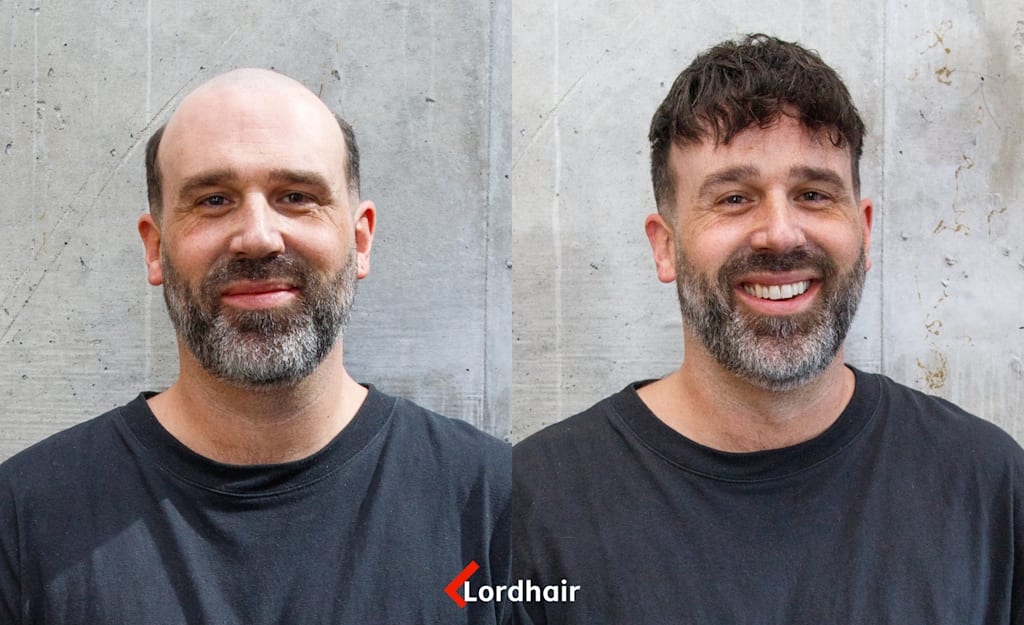
Hair system maintenance is just the routine care—cleaning, bonding, and styling—that keeps a non-surgical hair replacement looking natural and completely undetectable. Do it right, and you stop lifting, dullness, and visible edges before they even start. Simple. For beginners checking out options like Lordhair, this step is just as big of a deal as buying the piece itself. If you want to hold onto that "fresh out of the salon" look, you've got to nail down the basic rules of hairpiece care first.
Key Takeaways
- Avoid sulfates and high-alcohol products to prevent irreversible dryness. Mist daily with a leave-in conditioner to maintain moisture.
- Sleep on a silk pillowcase to reduce friction and detangle gently by brushing from the ends upward.
- Never peel dry adhesive. Apply solvent, wait 60 seconds, and gently roll the residue off to protect the base.
- Pre-wet hair with clean water and conditioner before swimming, and rinse sweat with lukewarm water post-workout.
- Carry an emergency kit with mini tapes and wipes for quick fixes. Perform a full bond reset every 2–4 weeks.
The Golden Rules: What You Must Never Do to Your Hair Unit
Most hair unit failures come from the same few mistakes—things veteran wearers spot right away. If you treat a hairpiece exactly like natural hair, you'll cut its lifespan incredibly short. Making it last is pretty simple: avoid harsh chemicals, limit heat, and be careful with the base. Mess these up, and you'll deal with dryness, color shifts, and shedding in a matter of weeks. It all starts with the biggest chemical mistake out there—what's sitting in your shampoo.
Why You Should Avoid Sulfates and High Alcohol Content
Sulfates and heavy alcohol levels sit right at the top of the ingredient blacklist. They rip the moisture away from non-living hair fibers, leaving you with dry, brittle strands that just tangle and snap. Unlike your natural hair, a hair unit can't rehydrate itself.
Always check the back of the bottle for sodium lauryl sulfate and alcohol denat. Stick to gentle, sulfate-free stuff instead. Because once those strands dry out, the damage spreads fast. And how you handle the hair next matters just as much.
The Dangers of Excessive Heat and Sun Exposure
High heat and UV rays totally wreck both the color and the physical structure of the piece. Running a blow dryer on high will thin out the hair density over time. At the same time, sitting in the sun fades the dye, usually turning dark units into a brassy, orange mess.
Just grab a UV protection spray and keep your heat tools on the absolutely lowest settings. Even the base itself gets weak under constant heat. Simple. Keeping the damage away is only step one, but your normal daily habits are what actually make it look natural.
The Daily 2-Minute Refresh: Keeping Your Lordhair System Undetectable
A fast daily habit makes sure your Lordhair system blends right into your Natural Hairline. No guesswork, no stress. You just need two minutes to smooth the front, add a little moisture, and check for knots. It's really that simple. This quick check keeps that Undetectable Appearance going strong, even under harsh lights. But let's start with what happens overnight, because friction is exactly where most of these problems kick off.
Managing Tangles and Friction While You Sleep
Tossing and turning causes most of those morning tangles. Standard cotton pillowcases grab and pull at the strands. So, swap them out for Silk pillowcases instead. This cuts down on the drag and keeps the hair perfectly smooth.
Grab a soft brush every morning. Start right at the ends and slowly work your way up. This quick Detangling step stops shedding in its tracks and makes your Hair System Maintenance Routine a breeze. Plus, less yanking means the front edge stays totally clean and natural.
The Morning Mist: Using Leave-In Conditioners Correctly
Human hair systems literally crave a bit of moisture every single day. Just a couple sprays of Leave-in conditioners will completely restore the moisture balance. And it won't weigh down the base whatsoever.
Hold the bottle 6–8 inches away, mist the hair, and gently comb it through. Your strands stay soft and easy to manage, rather than getting greasy or laying flat. This daily upkeep easily keeps everything fresh. But remember, the real staying power always comes down to the strength of the bond underneath.
The Deep Clean: A Step-by-Step Guide to Removal and Re-bonding
Strong bonds keep your setup secure, but taking it off clean is what actually protects it in the long run. You're not just ripping it off—you're saving the base for the next time you wear it. The main goal is straightforward. Break down the medical-grade adhesive safely, and then reapply using the right bonding methods. Start with careful removal. That's exactly where most beginners mess up.
How to Remove Adhesive Residue Without Damaging the Base
Never pull off adhesive residue while it's dry. That's how lace front edges end up tearing or stretching out. Instead, put a solvent directly onto the bonded spots and just wait 30 to 60 seconds.
The glue will soften up and get a bit gummy. Now you can use the "rolling" trick. Just gently rub with your thumb to lift it off in layers instead of yanking it all at once. This keeps your base totally intact.
Work in small sections. Rushing only causes damage, especially when you're dealing with delicate lace. Plus, different materials need different levels of care.
Choosing the Right Lordhair Base: Lace vs. Skin Longevity
The base you pick totally changes how often you clean and how careful you have to be. Lace from Lordhair is super light and breathable, but it definitely needs a gentle touch when you take it off.
Polyurethane (skin) bases are much smoother and way easier to clean. The adhesive lets go faster, so taking it off takes far less effort. These are perfect for beginners looking for simpler maintenance.
Monofilament sits right in the middle. It's durable with decent breathability and basic upkeep. Once the system is secure, you're good to get right back to your active lifestyle. That's it.
The Active Man’s Guide: Managing Sweat, Chlorine, and Sun
An active lifestyle doesn't stop just because you wear a hair system. It just means you need smarter habits. Blending it into your routine really comes down to protecting your bond during workouts and dodging damage from water and the sun. You can absolutely train hard and go swimming without making your system loose or noticeable. The first step is handling what happens right after you sweat.
Post-Workout Scalp Hygiene for Bonded Systems
Sweating won't ruin your system, but poor scalp hygiene will wreck a secure bond fast. After HIIT or rough sports, let your scalp cool down first. Then, rinse it with lukewarm water and gently pat it dry. This clears out the salt buildup that eats through your adhesive. Simple.
Definitely skip the harsh rubbing. It can lift your edges, especially if you're wearing lace. If you sweat every day, do a quick, light cleanse every one or two workouts to keep the bond locked in.
Keep a small towel or headband on you during training. It stops moisture from pooling right at the hairline. And if things ever start lifting in the middle of the day, a basic emergency kit becomes your absolute safety net.
Protecting Your Hair System in Pools and Saltwater
Swimming with a hair system is totally safe, but chlorine and saltwater will dry out the hair and put major stress on the bond. Before you jump in, wet your hair with clean water and rub in some leave-in conditioner. This builds a solid barrier.
Wear a tight swim cap if you can. It limits exposure and keeps things from tangling up. After your swim, rinse out your hair right away so those chemicals don't just sit there.
The sun adds a whole other layer of damage, so think about grabbing a UV-protectant spray. Prepping beforehand keeps your system looking completely natural and helps you dodge worst-case scenarios. Still, even with perfect care, emergencies pop up.
The Maintenance Calendar: A Blueprint for Longevity
A good Maintenance Calendar keeps your hair system looking natural. It also extends its lifespan without all the guesswork. Most beginners do best with a specific rhythm. Think daily light styling, a gentle wash every 1–3 days, and a full bond reset every 2–4 weeks. Tapes usually need replacing on that same 2–4 week cycle. The system itself? That can last 2–6 months depending on how you wear it. Get this timing right, and you'll cut down on visible lifting. Plus, your edges stay completely out of sight. But you still need a backup plan for when things shift out of nowhere.
The 5-Item Emergency Kit Every User Should Carry
An emergency kit solves lifting fast. Yes, even at work or right in the middle of your day. Keep it small but packed with the essentials.
Start with some mini tapes and a few clips. Tapes let you do a quick reattachment right at the hairline. Clips give you a temporary hold if the adhesive ever fails totally.
Throw in a travel-size adhesive, some alcohol wipes, and a pocket comb. The wipes clear away oil before you reapply, which really helps the grip. And the comb lets you realign the hair so your quick fix actually looks natural.
Keep everything tucked inside a slim pouch. Easy to carry. Easy to use. Once you've got emergencies covered, your next step is figuring out how to handle common issues before they turn into bigger headaches.
Troubleshooting Your Hair System: Solutions for Common Issues
Little problems seem huge when you're just starting out. But honestly, fixing most hair system issues only takes a few minutes. If your scalp starts itching or the edges begin to lift, jump on it quickly. Just clean, reset, and stick it back down before anyone notices. Keep a small emergency kit handy, and on day one, check your bond every couple of hours. First up is the most frequent headache: an irritated scalp.
Dealing with an Itchy Scalp or Adhesive Irritation
When your head itches, it usually means sweat or oil is trapped under there. Sometimes, you might just be reacting to the glue. Grab an alcohol wipe to clean the spot, let it completely dry out, and put down a fresh, thin layer of adhesive. If you get hot easily, go for a highly breathable, skin-like base. That one swap improves scalp health for so many new wearers. Simple.
Make sure to wash your system every 1–3 days, and keep heavy styling products away from the base. If the itching won't quit, try a different kind of tape or glue. Just remember to do a patch test first. A happy scalp means a rock-solid bond—which sets things up perfectly for the quick FAQ answers next.
Frequently Asked Questions About Non-Surgical Hair Solutions
Can I shower with my hair system on?
Absolutely. Just keep the water lukewarm. High heat melts the adhesive and ruins the base. Low pressure, quick rinse.
What is the average price of a high-quality custom hair system?
$300 to $500. Lordhair sits right in that sweet spot. Go cheaper and it looks like a rug. Pay more and you are just funding a clinic marketing budget.
What are the most effective non-surgical treatments for thinning hair?
Minoxidil and Finasteride. That is the medical gold standard. Everything else is mostly snake oil. If those fail, a hair system is your only guaranteed fix.
How do you wash your hair while wearing a hairpiece?
Gently. Pat the shampoo in. NEVER scrub. Scrubbing causes massive irreversible tangles. Rinse with cool water. Sulfate-free products only or the hair dries out and snaps.
Is it safe to swim in a pool with a hair system?
Yes, with prep. Chlorine destroys hair systems. Pre-wet the hair with clean water and leave-in conditioner before jumping in. Wash it immediately after you get out.
About the Creator
Leo
Passionate men's hairstylist with a keen eye for detail and a knack for creating on-trend looks. Dedicated to delivering hair restoration education that enhances individual style.
Enjoyed the story? Support the Creator.
Subscribe for free to receive all their stories in your feed.
Comments
There are no comments for this story
Be the first to respond and start the conversation.