
Living Confidently: My Journey with Alopecia & Hair Systems
My Journey with Alopecia: Understanding, Accepting, and Embracing Life

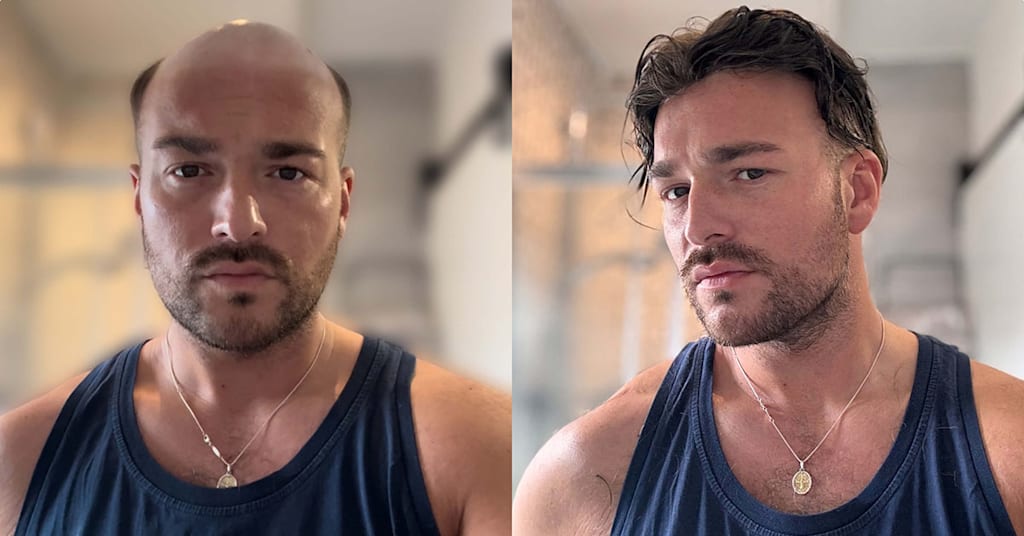
Living Confidently: My Journey with Alopecia & Hair Systems
Living with Alopecia Areata can feel like you're losing a part of who you are. The hair loss you see is only the surface. At its core, it hits your sense of identity and self-image hard. Modern hair systems can be a game-changer, helping you rebuild confidence. That basic understanding of both the emotional and physical impact naturally leads into the shift in identity.
Key Takeaways
Select a base material that fits your lifestyle: lace for breathability, skin for realism, or monofilament for daily durability.
- Match the unit to your hair loss pattern by using toppers for patchy spots or full wigs for total coverage.
Secure your system for active, windy environments by combining waterproof adhesives with a solid polyurethane (PU) perimeter.
Unlock potential insurance reimbursement by having your doctor prescribe the system using the exact medical term: "cranial prosthesis."
Control the social narrative confidently by framing your hair replacement as a simple cosmetic upgrade, much like dental veneers.
The Mirror Moment: Navigating the Identity Shift
Looking in the mirror and not recognizing the person staring back is terrifying. Sudden hair loss or thinning does more than change how you look. It takes away a core part of how you see yourself. That disconnect often leads to intense social withdrawal. You start skipping events, dodging photos, and hiding under hats. But staying hidden isn’t a long-term plan. Reaching real acceptance and empowerment means getting past the initial shock. Once you face that emotional reality head-on, you can finally start exploring a practical path to reclaim that lost identity.
Becoming a Stranger to Yourself: The Emotional Toll
People who haven’t gone through sudden alopecia rarely get the psychological impact. They try to help with lines like, “At least it’s just hair,” or “At least you’re healthy.” These comments usually miss the mark. Instead of helping, they downplay your grief and push you further into social isolation.
Healthy coping mechanisms look different for everyone. Some people find relief by connecting with others in support groups built around the same experience. Sharing stories with people who truly get it makes the weight feel lighter.
But talking only takes you so far. At some point, the focus shifts from processing the loss to actually fixing what you see in the mirror. You want to feel like yourself again. That shift naturally pushes you toward external solutions. It gets you looking at what the medical and cosmetic worlds really offer.
Why Traditional Treatments Often Fall Short
Booking a dermatologist appointment is usually the first instinct. They often suggest a cycle of steroid injections directly into the scalp. The goal is to calm the immune system and encourage your hair follicles to grow again.
But here’s the issue. It can take months to see any regrowth. And results aren’t guaranteed. Hair transplants come with a different problem. They depend on moving healthy follicles from a donor area. That approach doesn’t work well for unpredictable autoimmune conditions like alopecia. The transplanted hair can fall out again.
You want certainty. A modern hair system skips the waiting game of medical treatments. It avoids the high failure rate tied to surgical options. And it gives you a reliable, immediate fix that looks completely natural.
Decoding the Hair System: More Than Just a Wig
Forget the heavy, unbreathable toupees of the past. Today’s non-surgical hair replacement looks and behaves just like your natural hair. Thanks to manufacturing advances in 2025 and 2026, modern units—often classified medically as a cranial prosthesis—blend right into your scalp. They use advanced materials like an ultra-thin skin base that reflects light like real human pores. You don’t take them off at night. You sleep, shower, and swim in them. But grabbing the first one you see won’t cut it. Knowing the tech behind these units helps you sort systems based on your actual lifestyle.
The Anatomy of a Modern System: Lace vs. Skin
The foundation of any good unit really comes down to what sits against your scalp. You’ve got three main options. A lace front gives you an invisible hairline, which makes it ideal if you like to push your hair back.
Skin bases use a solid polyurethane material. Makers use a method called V-loop ventilation here. They inject the hair straight into the base without knots, so it looks like it’s growing right out of your head. Up close, it’s seriously realistic.
Then there’s the monofilament option. It blends a tough mesh material with a natural-looking scalp, giving you a solid middle ground for daily wear. The right pick depends on how much you sweat and how you style your hair. A solid skin base traps heat, while a woven mesh lets air pass through easily. These details directly shape how comfortable and breathable it feels in real life.
Human Hair vs. Synthetic Fibers: The Cost-per-Wear Reality
Choosing the right base is only half the story. Next up, you’ve got to weigh human hair vs. synthetic fibers. This decision affects both what you pay upfront and what you’ll keep spending over time.
Synthetic units come with a lower starting price. They keep their style even after washing. But they wear out quicker, usually needing replacement every 3 to 6 months. Human hair units cost more at the start but look far more natural. They also need consistent care, including deep conditioning every few washes.
But here’s the trade-off. Human hair lasts a lot longer—often up to a year with proper care. You’ll spend more time styling it, but your long-term replacement costs actually go down. Balancing that upfront cost with how much daily upkeep you’re willing to handle leads straight into picking what fits your everyday life.
Finding Your Match: A [Lordhair](https://www.lordhair.com/) Buying Guide for Alopecia
Your hair loss pattern basically decides what you should buy. If you're dealing with patchy hair loss—like alopecia areata—you don't need full coverage. Toppers sit right over isolated bald spots and blend in with your natural hair.
But total hair loss calls for something more heavy-duty. For conditions like alopecia totalis, you’ll need Full Wigs to fully cover the scalp and stay secure. Lordhair offers Custom-designed systems that match your exact head shape, giving you a snug, slip-free fit that holds up all day.
Getting a unit that matches your level of alopecia makes all the difference for comfort. Still, buying it is only the beginning. Once your new system is in place, the first 48 hours become the part that really matters.
The First 48 Hours: Managing the "Mirror Shock"
Seeing a full head of hair can trigger a sudden mental adjustment. You might feel extra aware of the weight. That’s normal. Good scalp care helps prevent irritation, whether you're using wig grips or liquid adhesives. The first hurdle is dealing with the physical bond.
Dealing with Itchiness and Adhesive Anxiety
New wearers often freak out at the first itch. Use a scalp protector to create a barrier on the skin. If your skin’s sensitive, go with hypoallergenic tape.
Adhesive anxiety fades once you start trusting the hold. Pre-treatments like Max Hold Sport set quickly and keep the system in place. The real test starts when that bond meets sweat and water.
The Active Lifestyle: Can I Still Be Me?
Yes, you can still swim. An active lifestyle doesn't stop here. Vacuum wigs form an airtight seal for water sports. And on intense gym days, waterproof adhesives keep everything in place. Match your routine to your bond. But what about a sudden breeze?
The Wind Test: Securing Your System for the Outdoors
Wind is the biggest worry. A secure attachment solves that. Get a base with a PU perimeter. This solid edge gives tape a serious grip advantage.
Add a French lace center so it stays breathable. Your hair won’t budge. And just like that, you’re ready to face coworkers without stressing.
Navigating the Social Landscape: The Disclosure Script
Talking to coworkers or a new partner about a hair system can feel intimidating. But it doesn’t have to be. Real social ease comes from owning your choice.
Think of your hair replacement like dental veneers. It’s just a simple cosmetic upgrade. When friends ask about your look, keep it short. Say, "I decided to upgrade my style with a custom hair system."
That kind of directness shows real confidence. And people respect that. Before long, your full head of hair just becomes the new normal for everyone around you.
You control the narrative. But dealing with hair loss can take more than just fixing the scalp. Once your hair is back, it’s time to look at complementary aesthetic options to complete your overall look.
Beyond the Scalp: Total Face Confidence
Alopecia doesn’t usually stop at your hairline. It often takes your eyebrows and eyelashes too. Restoring your scalp is a big step, but facial balance means dealing with those features as well.
You’ve got practical options. Eyebrow microblading gives you a semi-permanent base. If you want something non-invasive, brow wigs attach right to your skin. And daily eyelash application brings back that essential eye definition.
These upgrades help pull your whole look together. But it’s not a one-time fix. You’ll need a realistic plan to manage the cost and the ongoing upkeep.
The Maintenance Protocol: A Daily and Monthly Roadmap
Keeping your hair system looking natural takes a strict maintenance routine. Daily scalp hygiene is a must to prevent irritation. Every few weeks, you’ll need to remove the unit, break down old glue with solvents, and re-bond it. Before you figure out the full financial commitment this lifestyle requires, it helps to understand how to get it covered.
Insurance and the "Cranial Prosthesis" Loophole
Hair systems aren’t always paid out-of-pocket. Many health policies actually offer reimbursement for alopecia-related solutions.
The key is the paperwork. Never call it a "wig." Your doctor needs to prescribe it using the exact medical term: a cranial prosthesis.
That’s what opens the door to coverage. With your technical plan in place, you’re ready to start rebuilding your confidence.
Why Lordhair is the Preferred Choice for Alopecia Solutions
Finding the right provider changes everything. Lordhair stands at the front of the hair replacement industry with steady quality and ongoing innovation, making sure your system looks completely natural.
And you're not taking a blind financial risk either. Every unit comes with a strict 30-day guarantee. If it doesn't fit right, you're covered. Plus, fast global shipping means your new look shows up at your doorstep without frustrating delays.
Reading through verified Customer Stories shows the real, everyday impact of a premium fit. Working with a reliable team makes the whole journey toward your new normal feel smooth and manageable.
The New Normal Manifesto: Reclaiming Your Narrative
Choosing a hair system is rarely just about hair. It’s about taking control. You’re not putting on a mask to hide who you are. Instead, you’re using a practical tool to show your real self. Stepping into this "new reality" brings a clear shift in how you carry yourself every day. Simple.
Real empowerment comes from making choices that match how you want to feel. A premium system just removes the constant distraction of hair loss. It lets your natural personality take center stage again. Building confidence takes time, but the right solution speeds that process up. And you get to decide exactly how you show up in the world.
Frequently Asked Questions About Alopecia and Hair Systems
Which nutritional deficiencies cause autoimmune hair loss?
None. Your immune system attacks your follicles. Low iron or Vitamin D might worsen general thinning but they don't trigger alopecia areata. It is genetics, not your diet.
How do celebrities hide thinning hair and bald spots?
High-end hair systems. They use lace or thin skin bases that mimic real scalps perfectly. For minor spots they just shake on keratin hair fibers. No magic involved, just expensive maintenance.
Can I wear a hair system if I have a sensitive scalp from alopecia?
Absolutely. You just need the right base material. Go with a full lace system for maximum breathability. Skip the harsh liquid glues and use hypoallergenic tape. Give your scalp breaks between installs.
How long do synthetic vs. human hair wigs last with daily wear?
Human hair gets you 6 to 12 months. Synthetic burns out in 3 to 4 months from friction alone. Human hair costs more upfront but survives daily life and heat styling way better.
Are hair system costs covered by health insurance?
Sometimes. You have to play the game. Get your doctor to write a prescription for a cranial prosthesis. If the paperwork says wig your insurance will deny it instantly.
About the Creator
Leo
Passionate men's hairstylist with a keen eye for detail and a knack for creating on-trend looks. Dedicated to delivering hair restoration education that enhances individual style.
Enjoyed the story? Support the Creator.
Subscribe for free to receive all their stories in your feed.
Comments
There are no comments for this story
Be the first to respond and start the conversation.