
Lace vs. Skin vs. Mono Hair Systems: Which Base Is Best?
Lace vs. Skin vs. Mono Hair Systems

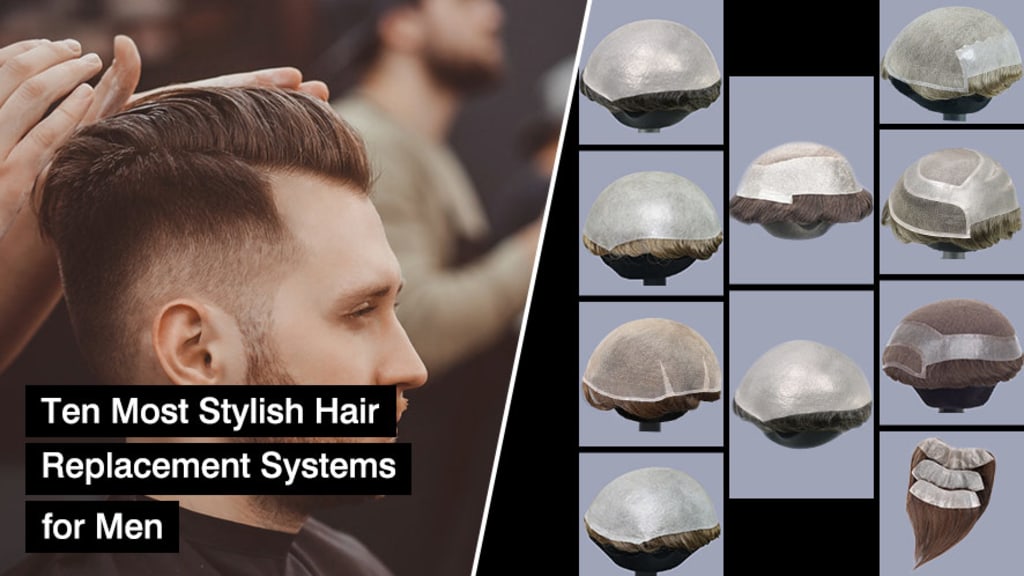
Lace vs. Skin vs. Mono Hair Systems: Which Base Is Best?
The hair system base material really drives comfort, durability, maintenance, and that natural hairline your client wants to see in the mirror. Lace, skin, and mono bases all tackle completely different needs, so there isn't a single option that works for every consultation.
Bono Hair helps you pair the right base to the wearer's daily routine, expected upkeep, and budget. That way, you're making much more reliable recommendations.
Key Takeaways
Lace suits active clients needing airflow during workouts or hot weather.
Skin bases simplify adhesive cleanup for clients managing maintenance at home.
Mono bases reduce annual replacement costs for clients prioritizing durability.
Why Does Matching the Right Base to Your Client Matter?
Getting the right Hair Replacement System base helps your client feel completely comfortable and confident right from day one. But a bad match makes that toupee a real pain to maintain. It just won't feel natural for their daily routine, and that takes a direct hit on your client satisfaction and rebooking rates.
Bono Hair helps you match every base to what your clients actually need. Forget about those one-size-fits-all orders.
Quick Comparison Matrix: How Do Lace, Skin, and Mono Stack Up?
Choosing a Base Material sets up the main trade-off. Lace gives you top-tier airflow and a totally natural Scalp Appearance. Skin creates a tight, close-to-the-head look. And mono? It's built perfectly to handle repeated daily wear.
Use this quick breakdown to plan your stock based on what clients actually need, then just double-check replacement pricing with your supplier. The way the base is built explains exactly why these basic ratings vary so much.
What Is a Lace Base Hair System and Who Is It Best For?
A Lace Base uses a porous mesh, letting air flow right through instead of trapping heat against your client's scalp. It's a solid choice for people who want a Natural Hairline and a barely-there feel.
Lace works especially well for active wearers, hot climates, and clients who regularly brush their hair back. Bono Hair helps you match the exact lace choice to a client's daily routine, rather than forcing a one-size-fits-all option.
Swiss Lace vs. French Lace: What Is the Performance Difference?
Swiss Lace is the finer of the two. Its delicate mesh makes an exposed front blend in effortlessly, which is perfect for clients wanting an invisible edge. But there's a catch. Careful handling during fitting, cleaning, and removal is much more important.
French Lace uses a sturdier mesh, so it holds up better during repeated salon visits. It still gives you plenty of airflow and a natural front, even if Swiss Lace usually offers a softer, less visible finish.
When it comes to your stock planning, save Swiss Lace for realism-first clients. Keep French Lace on hand for anyone needing a more durable system. Simple as that.
What Is a Skin Base Hair System and When Should You Recommend It?
A Skin Base hair system features a smooth Polyurethane layer that sits totally flat against the scalp, giving you a tight, second-skin finish. Unlike porous lace, this solid Poly surface makes spotting adhesive and leftover residue super easy when it's time to take it off.
If your clients want a quick cleanup, Bio-skin makes a lot of sense. Plus, Bono Hair can easily match the Poly thickness to whatever hairline exposure and replacement schedule your client expects.
Polyurethane Thickness Tiers: How Does 0.03mm Compare to 0.08mm Poly?
A 0.03mm Ultra-thin skin base leaves the absolute minimum amount of material at an exposed hairline. This means the edge practically vanishes when your client pushes their hair back. But there's a catch. You get a shorter lifespan, since the super thin Polyurethane requires a much gentler touch during removal and daily handling.
Jump up to 0.08mm, and Thin Skin brings in extra material for a tougher base. It's usually the go-to for clients who care more about long-lasting wear than having a completely invisible front edge. Make sure to keep both options in your buying plan. Grab the 0.03mm for folks focused on ultimate realism, and stock the 0.08mm for orders where durability matters most.
What Is a Monofilament Base Hair System and Why Is It the Durability Champion?
A Mono Base relies on a tightly woven Monofilament mesh that keeps its shape perfectly under fuller Hair Density. For salons and distributors, it's the go-to choice when a client wants a hair system built for everyday handling and a thick, dense look.
This structural integrity gives you long-lasting ventilation and a really stable fit. But here's the catch: the base isn't quite as invisible as finer materials if the front is exposed. Bono Hair can help you match the right base to exactly what your wearer cares about most. From there, Hybrid designs can easily blend that tough mono support with a much more natural-looking front.
What Are Hybrid Base Hair Systems and How Do They Combine Strengths?
Hybrid Base hair systems mix two materials into a single design. Usually, you'll see a lace or mono center wrapped in a poly bonding perimeter. This setup gives you the best of both worlds. It balances a highly natural look with much easier attachment and refitting work.
That poly edge gives your styling team a clean surface for tape or glue, while the center boosts breathability and handles thicker hair. Bono Hair helps B2B buyers match these combination bases exactly to a client's daily routine, how they want to wear it, and their specific maintenance needs. That's it.
Client Lifestyle Framework: How Do You Match Base Types to Specific Personas?
A client's actual daily routine should drive your base selection, rather than just pointing them to a one-size-fits-all catalog. Nailing the right non-surgical solution cuts down on annoying refit issues. It keeps people happy. Plus, it gives your team the confidence to recommend the perfect fit.
Bono Hair helps B2B buyers turn everyday lifestyle factors into a simple, repeatable consultation process. You can cover everything from sports habits to at-home maintenance and how much they expose their hairline.
The Active Client: Which Base Handles High Sweat and Frequent Workouts?
A lace base is usually your best bet for highly active clients. The mesh structure lets air actually flow, releases trapped heat, and allows sweat to dry naturally. It just doesn't feel as heavy or enclosed during tough workouts, long runs, or physical jobs.
Want an easier attachment? Think about a hybrid base with a lace center and a poly perimeter. The lace keeps things completely breathable for sports, while the poly edge gives your salon a much cleaner spot for tape or glue. Just remind your clients that heavy sweat can still mess with the bond. Their refit schedule really needs to match how often they hit the gym.
The Self-Maintainer: Which Base Simplifies DIY Adhesive Cleanup?
A skin base is almost always the easiest pick for guys who handle maintenance at home. The smooth polyurethane surface means they can just wipe old adhesive right off. No more picking sticky residue out of tiny lace holes.
They can peel off the old tape, spray some solvent, and wipe the base clean without worrying about trapped gunk. Mesh bases can look incredibly natural, sure. But cleaning out the adhesive takes way more patience since the residue settles between the fibers. Skin systems just make life a lot easier for people who want a quick, zero-fuss bathroom routine.
The Budget-Conscious Client: Which Base Offers the Lowest Annual Cost?
A mono base can offer much better value when a client cares more about making the hair last than having the softest feel on their head. Monofilament is definitely firmer than lace or ultra-thin skin. But that tougher build means they won't need a brand-new system nearly as often.
Frame your chat around the total yearly spend, not just the sticker price on day one. A tough mono base might cost a bit more upfront than a short-term unit. Still, buying fewer replacements brings the annual cost way down. It's a great match for guys willing to trade a super lightweight feel for serious durability.
The High-Visibility Client: Which Base Delivers an Invisible Hairline?
Bleached-knot lace is a solid pick when a client shows off an exposed hairline in meetings, on camera, or in public-facing jobs. Bleaching hides the tiny knots, helping the lace front blend right into the scalp.
Ultra-thin skin also creates a light, hidden front edge if you apply it carefully. Just ask how often they expose the front and if they brush their hair back away from their face. For guys always in the spotlight, a completely natural hairline matters way more than getting maximum base durability. Simple as that.
Adhesive and Maintenance Compatibility: Which Glues and Tapes Work Best for Each Base?
Liquid adhesive really grabs onto porous lace and mesh. That means thin, even coats are incredibly important. Too much glue just seeps right into the fibers and makes cleanup a total nightmare. Hair system tape keeps the sticky stuff right on the perimeter. That makes it a practical choice for a Lace Base, Mono Base, or Hybrid Base when your salon just wants less mess.
When dealing with non-porous poly, both options peel off much cleaner from the smooth surface. Just remember to apply a scalp protector after doing a quick patch test when it makes sense. For Bono Hair buyers, picking tape or glue really needs to match the base and your overall refit plan. Pick the wrong bond, and you'll just end up adding unnecessary chair-time to every single service.
The Cleanup Effort Score: How Much Stylist Chair-Time Does Each Base Require?
How easy a system is to clean should shape your appointment book, not just your base order. Poly usually gets the lowest score here since solvents lift the adhesive right off its non-porous surface. But porous lace ranks a bit higher if glue seeps into the fibers. Mono and hybrid bases need a case-by-case score depending on the bonded area.
On your scale, every extra point means more salon labor. Think longer refit slots, extra solvents, and tighter profit margins. Bono Hair can help you match each base to your client's maintenance plan.
Scalp Hygiene and Odor Control: How Do Breathability Differences Impact Wearers?
Airflow plays a huge role in scalp health, especially for clients living in warmer weather. If a non-breathable base traps sweat against the skin, moisture and oils quickly build up. That creates bad odors and leaves the wearer feeling pretty uncomfortable between refits. Not ideal.
You'll want to help clients pick a base that actually matches their local climate, daily activity level, and personal cleaning schedule. Bono Hair completely supports this tailored approach. Why? Because cutting down on hygiene complaints and extra re-fits is exactly how you protect your long-term operating costs.
Total Cost of Ownership Math: What Is the Real Yearly Cost Breakdown Per Base Type?
Yearly cost isn't just the price tag of a single hair system. It's the replacement cycle—how many units someone needs a year—multiplied by the retail price of each unit. That simple formula translates a product's lifespan into a clear total cost of ownership for every base type.
When planning your inventory, run the numbers for each base separately by multiplying annual units by the unit price. Leave out salon labor and custom styling fees, then stack those results up against your client's daily wear habits, hygiene needs, and expected replacement timeline. Bono Hair can help you build a solid base mix around those exact client-specific numbers.
Salon Consultation Guide: What Five Questions Reveal Your Client's Ideal Base?
A solid client consultation stops re-fits, unhappy wearers, and stock that just sits around too long. Just ask these five questions: How often do you work out? What's the weather like where you live? How often will you clean the hair system? Are you expecting daily removal or extended wear? What's your replacement budget?
This hair replacement guide takes those vague preferences and turns them into a repeatable workflow for your stylists. Bono Hair helps you match every client to the right base, rather than just pushing a one-size-fits-all option.
Servicing and Training Considerations: Which Base Minimizes Re-fits and Client Returns?
No base material alone guarantees fewer re-fits. Salon training actually works best when stylists stick to familiar base options and get units with solid product consistency. Unfamiliar construction usually just slows down the attachment work and makes fit issues way more likely.
If you want a lower client return rate, you've got to match a proven base to the consultation instead of forcing everyone into the exact same material. Bono Hair helps buyers build a tightly focused range that supports repeatable service and cuts down on those totally avoidable re-fits.
Inventory Strategy for Salons: How Should You Allocate Stock Across Base Types?
For 2026 walk-in demand, a smart bulk order mix is 45% lace, 35% skin, and 20% hybrid bases. This setup makes sure you've got enough lace ready for clients who ask for it. Meanwhile, skin and hybrid options step in to handle different attachment styles and looks. That's it.
Keep your stock and custom decisions completely separate. Your ready inventory needs to cover everyday walk-ins and common consultations. But custom units? They're strictly for unusual head shapes, specific density requests, or unique attachment preferences. Bono Hair can help you tweak this mix so it actually fits your real client base. Don't just rely on a one-size-fits-all approach.
Sample Testing Protocol: How Can You Validate Base Performance Before Bulk Ordering?
A sample base needs to earn its spot before you commit to a massive order. When running a sample check, get a real feel for the material and look closely at the edges. Give it a gentle bend just to see if it snaps right back into shape.
When you're doing a wholesale check, run your hands through the attached hair a few times. Look for any loose spots, uneven thickness, or obvious flaws. Keep a solid record of the sample you approve. Bono Hair keeps manufacturing quality high while tweaking the base to fit exactly what your brand's looking for.
Partnering with Bono Hair: How Do You Custom-Build Your Wholesale Hair System Order?
Teaming up with Bono Hair means you get to build wholesale hair systems for the exact clients you work with every day, rather than cramming every single order into a basic stock format. Since they act as your direct factory partner, Bono Hair makes sure your base choices and construction details perfectly match your specific salon or distribution goals.
It's easy: just start with an approved sample, then write down the exact construction you want them to repeat. Their low minimum order quantities let you test out custom manufacturing before going all in on a bigger order. This protects your cash flow. Plus, it gives your team a much more reliable foundation when it comes time for refits.
Frequently Asked Questions About Hair System Bases
What is the difference between lace, skin, and mono hair systems?
Lace breathes best. Skin cleans easiest. Mono lasts longest and supports denser hair.
How long does a mono hair system last compared to lace?
Longer. Mono handles repeated daily wear better; lace trades durability for airflow and realism.
Is a skin base hair system easier to maintain than lace?
Yes. Its solid poly surface wipes clean; lace traps adhesive between fibers.
What are the benefits of a hybrid hair system base?
+
More practical. Lace or mono adds comfort or strength, while a poly perimeter makes bonding and refits easier.
About the Creator
Leo
Passionate men's hairstylist with a keen eye for detail and a knack for creating on-trend looks. Dedicated to delivering hair restoration education that enhances individual style.
Enjoyed the story? Support the Creator.
Subscribe for free to receive all their stories in your feed.
Comments
There are no comments for this story
Be the first to respond and start the conversation.