
Lace hair system with poly perimeter: pros, cons, and best use cases from a Manufacturing Perspective
Factory Breakdown: Lace hair system with poly perimeter: pros, cons, and best use cases from a Manufacturing Perspective

Factory Breakdown: Lace hair system with poly perimeter: pros, cons, and best use cases from a Manufacturing Perspective
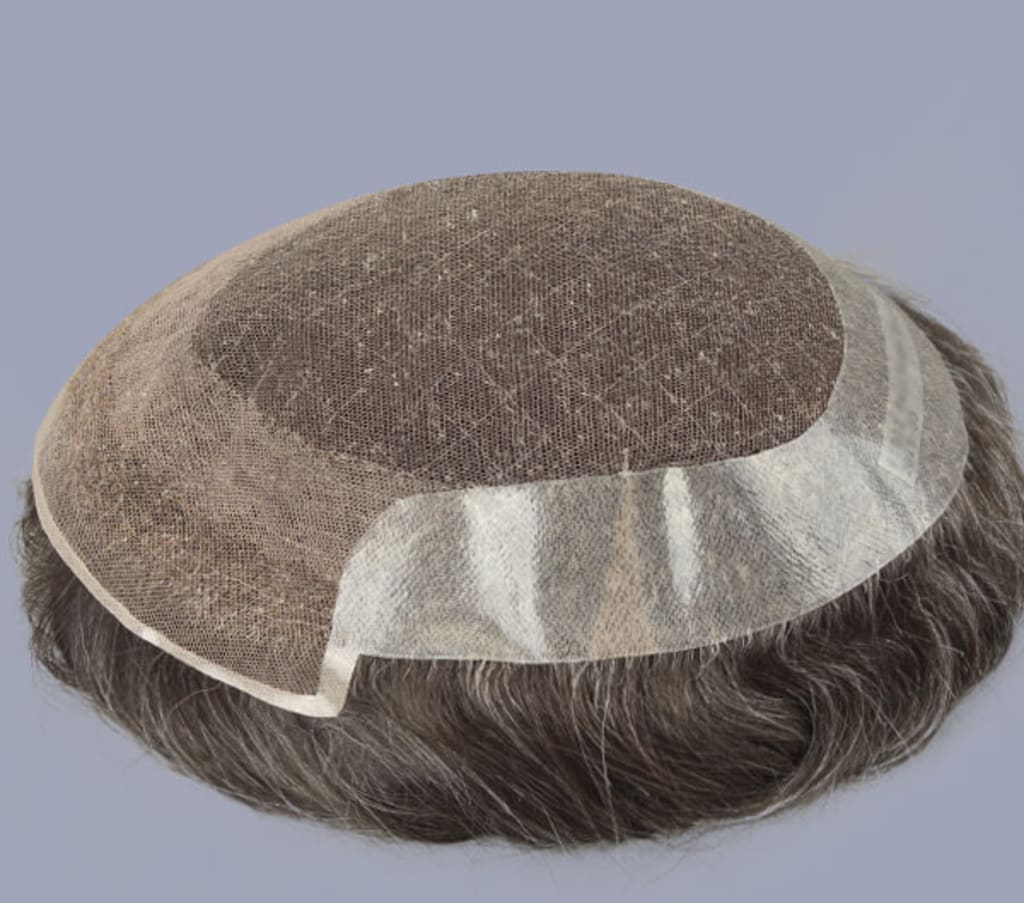
A lace hair system with a poly perimeter gives salons a really practical hybrid base. The lace keeps the front looking completely natural, while the poly edge makes attaching and cleaning up a breeze. We'll help you figure out the materials, client fit, customization, and service needs before you start adding these hybrid systems to your inventory.
Key Takeaways: Hybrid Base Verdicts for Hair Professionals
The poly perimeter provides a predictable tape surface around breathable lace.
Flat, tested lace-to-poly seams determine reliable service through repeated refits.
Hybrid bases suit active clients who need consistent perimeter tape placement.
What Is a Lace Hair System with a Poly Perimeter?
Think of a lace hair system with a poly perimeter as a hybrid base. Lace covers the middle, and a poly edge wraps right around the outside. Factories seal these two materials together into a single base, then attach the hair based on what each specific section needs. Your salon ends up with a unit that looks like natural lace but gives you a solid, clear surface for bonding.
French lace is usually pretty tough. Swiss lace, on the other hand, is much finer and more delicate. Having that poly edge makes putting on adhesive and doing routine refits way easier for your team. Just make sure to ask how the factory checks the seam where the lace meets the poly. That join is exactly what separates this hybrid from standard full lace or full skin units. Simple.
Factory Scorecard: Hybrid Base vs. Full Lace vs. Full Skin
A lace-poly hybrid usually gives salons the most balanced base. The lace center keeps things breathable, while the poly perimeter gives you a clean track for adhesives. It's a highly practical middle ground when your team needs to do easy, repeatable refits without sticking every client with the restricted airflow of a full skin system.
Full lace gives you the absolute best airflow. But those exposed lace edges need a much gentler touch during cleanup. Full skin offers the strongest surface for bonding. It's perfect for clients who just want a smooth, scalp-like finish, even if it breathes a lot less. With hybrids, durability really comes down to the lace-to-poly seam. Always ask your suppliers how they seal and check that joint before placing an order. Simple as that.
The Engineering Anatomy: How a Lace Base with Poly Perimeter Is Constructed
A hybrid base combines two working parts: a breathable mesh center and a Poly border cut to the client's contour/template. The mesh holds the hair across the crown and top. Meanwhile, the perimeter acts as a clear bonding zone for easy, repeatable salon refits.
For B2B buyers, how a piece is built matters way more than the label. These details change how naturally the unit moves and how easily your team handles it. They also decide if the edge holds up during normal service.
Center Mesh: French Lace vs. Swiss Lace Density and Ventilation
French Lace and Swiss Lace are both open mesh materials. But factories usually pick them for totally different reasons. French Lace gives you a tougher center mesh that handles routine wear and tear better. Swiss Lace is much finer and harder to see. But here's the thing. Neither option works unless you match the Hair Density to the client's natural hair and the exact look they want.
Ventilation just means tying individual hairs into the mesh. Factories map out the density, direction, and distribution before they start ventilating. If you pack heavy hair onto a fine mesh, the center gets stiff and loses that airy, easy-to-blend feel. Sticking to a lower-to-medium density usually keeps the Breathability intact.
Make sure to write down those three specs for every client order and refit.
Border Construction: NPU vs. Gauze-Reinforced Poly Coated Edges
NPU borders use a polyurethane strip for the perimeter, molded right to the unit's contour/template. This gives you a clear working zone around the lace center. It helps technicians apply adhesive perfectly every time and keeps messy cleanups far away from the fragile mesh.
Gauze-reinforced poly coated edges sneak a layer of fabric inside or right under the polyurethane. This extra backup gives the perimeter more structural support, especially right at the weak point where the lace meets the border. The only trade-off? The edge might feel a bit bulkier than your standard NPU option.
Always track the contour/template and border type for each client. Having clear specs on file helps your team catch Edge Fraying before it becomes a real problem.
The Manufacturing Process: How Poly Borders Are Bonded to Lace
A PU border only works when the lace-to-poly seam holds up through cleaning, adhesive removal, and routine refits. From a hair manufacturer's perspective, seam integrity relies on careful prep and controlled bonding. It isn't just about adding a thicker edge.
Technicians start by positioning the lace on the contour, then they apply liquid polyurethane in thin layers right along the perimeter. Each layer has to fully cure before the next one goes on. This builds a bonded edge that actually grips the mesh instead of just resting on top of it. That's the secret.
Sure, a thicker border might add support. But it can also feel a lot bulkier and reduce the hairpiece's flexibility. Salon buyers really need to ask suppliers how they control layer consistency and inspect seams before shipping. Those production details directly impact how reliably your team can service each hybrid system.
Structural Pros: Why Hair Manufacturers Recommend the Hybrid Base
A solid poly perimeter gives salons a much more predictable attachment area without losing the light feel of a lace center. Plus, the solid edge means cleaner tape placement and easier re-fits.
When it comes to inventory planning, this hybrid build helps your team offer a practical middle ground. You get a straightforward application, solid edge support, and lace exactly where breathability matters most.
Simplified Application & Tape Stability Along the Perimeter
The polyurethane border creates a smooth, solid bonding surface for tape. Instead of dealing with open lace holes, your stylist can just place the tape along a set perimeter and press it down evenly. This usually speeds up the application process. It also cuts down on uneven tape contact right at the edge.
That kind of consistency is a big deal for salons during consultations and re-fits. Your team can answer attachment questions using a repeatable method, rather than constantly adjusting tape for every little gap in the lace. But there's a trade-off. Poly does add extra material around the edge. Just make sure the border width and contour actually fit the client's head shape before you stock a specific design.
Extended Unit Lifespan Without Sacrificing Hairline Breathability
A poly perimeter takes on the stress that happens when a system gets attached, removed, and handled during service. Because of this reinforced edge, the most heavily handled area doesn't have to rely on just lace. That means the lace center can actually stay usable much longer, as long as the unit gets proper care.
The lace center still lets in more airflow than a full poly base, which is great for clients who really care about breathability. But keep in mind, a hybrid base isn't quite as open as an all-lace system—especially right where the poly covers the perimeter. For your salon inventory, this setup makes perfect sense for clients needing a tougher attachment zone without switching over to a fully solid base.
Structural Cons: Junction Vulnerabilities and Manufacturing Trade-offs
Hybrid lace-poly bases are easier to attach around the edge, but the seam where the lace meets the poly needs extra attention during every single re-fit. Adhesive residue loves to collect right at this junction. Over time, repeated pulling easily weakens the seam.
For salons, the real issue isn't avoiding hybrid bases altogether. It's about making seam maintenance a standard part of cleaning, inspecting, and checking supplier quality. This way, your clients always get a reliable reattachment area.
The Problem: Adhesive Residue Migration at the Lace-to-Poly Seam
Adhesive residue usually gathers at the lace-to-poly seam because the two materials meet at a raised bump instead of a flat surface. Tape or liquid adhesive near that edge often gets pushed right into the mesh while a client wears or removes the piece. Once that residue dries, cleaning takes much longer. Worse, technicians might start tugging at the delicate lace.
Repeated scraping, pulling, or using too much solvent puts a lot of stress on the seam. This cuts the usable life of the base short. Make sure to check the junction at every re-fit for any lifting, stiff buildup, or distorted lace. Keeping the seam clean protects the attachment edge and stops a tiny maintenance headache from turning into a full base repair.
The Fix: Factory Sealing Techniques and Salon Solvent Maintenance
A strong seam actually starts at the factory. Ask your suppliers how they secure that lace-to-poly junction. You should also find out what quality-control checks they run to catch gaps, loose edges, or uneven sealing before they even ship the unit. A well-finished seam needs to lie flat and handle normal re-fit wear and tear. But keep in mind, no hybrid base is totally maintenance-free.
Back at the salon, keep your solvent cleaning under control. Just apply enough solvent to loosen the adhesive, then gently lift the residue away. Don't scrape across the seam or soak the lace edge for too long. Let the base dry completely, check the seal, and place your new tape well away from any damaged spots. This simple routine cuts down on buildup. It also helps your team catch a bad unit before the client's next appointment.
How Base Durability Compares Across System Types
A lace system with a poly perimeter usually gives salons a tougher attachment edge than a regular full lace unit, while still keeping a lace front for a natural hairline. Its lifespan isn't set in stone. Things like seam quality, poly width, your client's daily routine, and their cleaning habits all play a huge part in how the base holds up.
Full lace doesn't have a reinforced edge, so it needs much gentler handling at every single re-fit. Full thin skin features a solid poly surface, but thinner materials often trade durability for a lower-profile look. Always ask suppliers for construction and wear-test details on both your stock and custom systems. Calling a unit "hybrid" alone doesn't actually guarantee it's tough. That's a fact. This comparison just helps you match the right base to each client's lifestyle and your salon's maintenance schedule.
Best Client Match: Framing the Hybrid Base for Your Salon Clients
Hybrid bases actually fit a smaller group of clients than most salon menus let on. The lace center makes the whole thing lighter and much more breathable.
At the edges, the poly perimeter gives tape a solid surface to stick to. When making salon recommendations, just focus on how much the client sweats, their attachment needs, and if they're comfortable with lace. Getting these use cases right stops a bad base match from happening.
Active Wearers Needing Secure Perimeter Tape Attachment
People who work out a lot, spend time working outdoors, or just sweat heavily really benefit from that poly perimeter. Why? Because tape gets a smooth, clear surface to grip. This makes placement a lot more consistent for your team compared to putting tape straight onto lace, which always needs a gentler touch.
Be upfront during the consultation. Sweat, skin oils, and leftover adhesive will still weaken the bond over time. So, a hybrid base doesn't get them out of regular cleaning and re-fits. Make sure your client's skin handles the adhesive okay, and tell them to let you know the second they notice any lifting. For your salon, having that clear bonding surface just makes application easier and helps keep your re-fit process consistent.
First-Time Hybrid Wearers Transitioning from Full Thin Skin
Clients switching over from a full thin skin system usually need some time to get used to handling lace at the hairline. A hybrid base keeps that familiar poly perimeter right at the edge. This means your team can stick to their usual tape routine while slowly introducing the lighter lace section.
But there's a real trade-off here. Lace needs much more careful cleaning than a solid poly base, and rough removal will ruin it. You really have to treat these folks like first-time lace wearers. Walk them through gentle removal, warn them against pulling at the lace, and book follow-up checks until they've got their home care locked down. Ultimately, this transition lets your salon offer more options without completely changing how you do attachments overnight.
Base Repairability and Maintenance: Servicing Hybrid Systems
You can repair some hybrid bases, but you can't always replace a worn poly perimeter while keeping the lace center. It really depends on how the factory joined the two materials, the state of the lace, and if the hair near the seam is still secure.
For salons, base maintenance starts with a realistic inspection. Not promises of a quick fix.
What a Hair Manufacturer Can Assess
A hair manufacturer can check if the lace has stretched, torn, or lost hair around the poly-to-lace seam. If the center lace is still stable, a factory might be able to rebuild the perimeter during production service.
The downside? Turnaround time and unpredictable results on heavily worn systems. Ask your OEM partners how they handle seam repairs, quality checks, and batch-to-batch construction before you offer repair services to clients. This helps your salon build a more reliable custom-production partnership.
Partnering with Bono Hair: Custom Perimeter Specs for OEM and Wholesale Salons
Custom perimeter work helps your salon turn constant repair headaches into a smooth fitting and reordering process. Bono Hair uses your consultation notes, templates, and approved samples to nail down the exact perimeter shape and attachment area.
First, look at custom versus stock systems. Stock systems work great for standard requests. But OEM/ODM development lets private-label salons keep the build consistent across all client orders. Your hair supplier needs to confirm the written base specs before production starts. They'll also need to keep them on file with your order. That's it.
Always ask to review a sample before a big rollout. This catches fit or maintenance issues early, long before that same build ends up on multiple clients.
Frequently Asked Questions About Hybrid Hair Systems
Is a lace hair system with a poly perimeter easy to clean?
Mostly. The poly edge cleans far easier than lace, but residue can collect at the lace-to-poly seam. Don't yank it; that's how lace gets damaged.
Can you use tape on a hair system with a poly perimeter?
Yes. That's what the poly perimeter is built for: predictable, clean tape placement around the edge.
Which hair system base is most durable for daily wear?
French lace with a reinforced poly perimeter. The poly absorbs refit stress; French lace holds up better than finer Swiss lace.
About the Creator
Leo
Passionate men's hairstylist with a keen eye for detail and a knack for creating on-trend looks. Dedicated to delivering hair restoration education that enhances individual style.
Enjoyed the story? Support the Creator.
Subscribe for free to receive all their stories in your feed.
Comments
There are no comments for this story
Be the first to respond and start the conversation.