
If my budget is limited which hair system features should I prioritize?
Budget Hair System Guide: Features to Prioritize in 2026

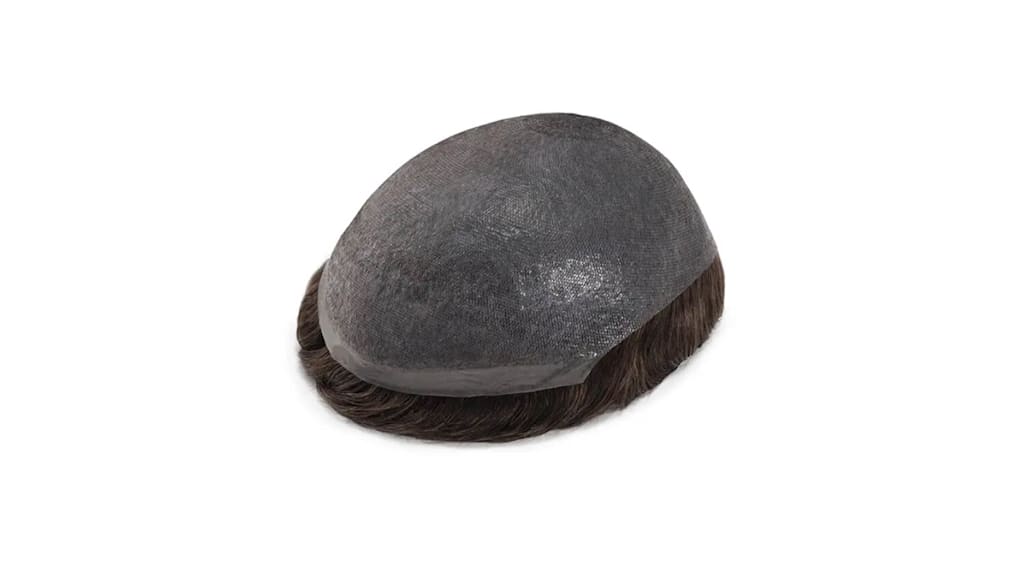
If my budget is limited which hair system features should I prioritize?
When you're on a limited budget, hair system features should focus on what you actually notice every day: a natural hairline, comfortable wear, and upkeep you can easily manage over time.
Being smart about your budget means spending on durability and a believable look first. Then, just skip the extras that don't improve your daily wear. It's that simple. This approach helps you control ongoing costs while picking a system that fits right into your routine.
Key Takeaways
Compare cost per day, including maintenance, before choosing the cheapest system.
Density, color, texture must match your existing hair for believable results.
Base choice should reflect your priority: skin cleans easiest; lace looks most natural.
The Budget Hair System Strategy: Cost vs. Realism
Budget hair replacement systems aren't automatically a bargain just because of the price tag. A low upfront cost can easily lead to higher spending down the road. The best budget choice protects your daily comfort and natural look, while keeping care and replacement expenses realistic for your routine.
Hair system features need to actually earn their place in your budget, not just look good on a product page. Simple as that.
Focus on Total Cost of Ownership
The purchase price is just one piece of the puzzle. You have to factor in maintenance costs, care products, and replacement frequency. A cheaper unit stops saving you money fast if it needs replacing sooner or takes way more upkeep.
Stock vs custom is a value decision, not just a price check. A stock option might lower the upfront cost, but a custom option is worth a look if its fit or appearance helps you wear it longer. Always compare the expected total spend before making your choice.
The Cost-Per-Day Calculation
Figuring out the cost per day turns a hair system's lifespan into a super simple comparison. Just add the unit's purchase price and expected maintenance costs, then divide that total by the number of days you realistically expect to wear it. Start with the seller's lifespan guidelines, then tweak it for your own schedule and care habits.
Don't just assume the cheaper option wins if it has a shorter lifespan. Compare units using the same formula and pick the one with the lower realistic daily spend, as long as it still meets your needs for comfort and a natural look. That's how you find a truly cost-effective hair unit.
Tier 1 Priorities: Non-Negotiable Features for Realism
A natural-looking hairline starts with choices that actually help the hair system blend in with your own hair, not just premium extras. For toupees for men on a budget, density, color, and texture need protected budget space.
Spend less on optional upgrades if you have to. But don't trade away these visible details. They decide whether the unit actually looks believable up close.
Correct Hair Density
Hair density needs to match the thickness of the hair around the sides and back of your head. A budget hair unit with too much density can look like a solid helmet, especially if your natural hair is thin or receding. More hair isn't automatically a better value if it makes the whole thing obvious. Simple as that.
Check out photos of your own hair in normal daylight before ordering hair units. If you're not sure, pick a moderate density instead of the fullest option. Then, ask the seller if it works with your existing hair.
Precise Color and Texture Matching
Color mismatch is one of the quickest ways hair pieces draw unwanted attention. Make sure to match the shade to your natural hair at the sides and back, since that's where contrast is easiest to spot. Check it in daylight if you can. Indoor lighting often hides a mismatch that suddenly shows up outdoors.
Texture matters just as much. Straight hair sitting right next to loose waves, or a tight curl next to straight hair, ruins the natural hair match even if the color is spot on. Use photos of your hair and let the seller know if it's straight, wavy, or curly before you place an order.
Tier 2 Priorities: Balancing Durability and Naturalness
Base materials shape how natural a hair system looks, how it feels every day, and how often it needs replacing. For budget buyers, durability versus naturalness isn't an either-or choice. It's about paying for the feature you'll actually notice the most.
Thin Skin Bases (0.06mm–0.08mm)
A 0.06mm-0.08mm skin base makes a sensible middle ground for a first budget hair system. This poly base is thin enough to sit close to the scalp, helping the front edge look less obvious than a thicker base. Plus, it has more structure than those ultra-thin options.
Go with this range if you want a natural look without treating the base like it's super fragile. Before buying, just ask how to clean and attach it. Rough removal or harsh cleaning will shorten the life of any thin material. Simple as that.
Fine Monofilament Bases
A fine monofilament base usually offers the best long-term value when durability matters more than an invisible, exposed hairline. Its tighter build handles regular wear incredibly well. This makes it a smart pick if you want fewer replacements over time.
The trade-off is the front appearance. A mono base won't blend as softly as thin skin or lace when the hairline is fully visible. It works best when comfort, stability, and a longer lifespan matter more to you than the finest possible front edge.
Swiss and French Lace Bases
A lace base is the absolute best choice for breathability and a light, natural-looking hairline. The open material lets way more air reach your scalp. That feels a lot more comfortable in warm weather or on active days. Swiss lace is usually the finer-looking option, while French lace is your go-to when you need more durability.
The budget trade-off here is ongoing care. Lace needs more careful cleaning and handling than a skin or mono base. So, a lower purchase price doesn't always equal a lower total cost. Choose lace if hairline realism and airflow are genuinely worth that extra attention.
Tier 3 Sacrifices: Acceptable Compromises on a Budget
Once the base and color meet your needs, you can save money on options that don't control everyday wear. Stock hair systems and standard human hair are practical places to lower the price tag.
Sure, these choices limit personalization or hair quality, but they still support a natural routine. The trick is picking human hair vs synthetic based on the styling you actually do.
Stock Systems Over Custom Units
Stock vs custom is usually the clearest price trade-off. A stock unit comes in preset sizes, base shapes, hair densities, and colors. Since it isn't built around one person's exact specs, that standardized production typically lowers the starting price.
Go with a stock system when a close fit works and you're okay with fewer personal options. Just confirm your measurements, color, density, and front style before ordering. A well-chosen stock unit makes a great budget hair system. But a poor fit? That can easily erase the savings through discomfort or an unnatural look.
Standard Human Hair Over Premium Remy Hair
Standard human hair drops the upfront price while keeping familiar styling options, like washing and changing the part. It's a smart alternative when premium Remy hair is out of your budget. The difference usually comes down to hair selection and processing, not whether the system actually works for daily wear.
Processed Indian hair is one example of hair that might be treated before it reaches the buyer. Just check how it feels after washing and ask about the care it needs. Gentle cleansing and using less high-heat styling can really help extend the lifespan of any human hair system. Simple as that.
Base Feature Comparison Matrix
Comparing base types really comes down to a simple trade-off. Lace usually gives you a lighter-looking hairline. Skin bases are much easier to clean, while monofilament is great for everyday durability. No single option wins every category.
If you're looking for a budget hair system, just pick the base that fits your daily routine. Once you have it, protect your investment with careful cleaning, removal, and proper storage.
Base materialPriceDurabilityNatural appearanceLaceOften mid-rangeDelicateStrong hairline realismSkinOften lowerModerateSmooth scalp-like finishMonofilamentOften higherStrongNatural parting
Sure, your base choice impacts the upfront price. But adhesives, cleaners, and how often you replace the system will really dictate what you spend over the long haul.
Controlling Ongoing Maintenance Costs
Upkeep costs can actually surpass the original price of a hair system if removals mean constant salon visits and buying lots of adhesive. A smooth base and practical attachment methods help keep that routine care under control.
Pick features that make cleaning, taking it off, and putting it back on easier to do at home. Simple.
Easy-Clean Base Surfaces
A smooth skin base is usually an easy clean base since the adhesive sits on a flat surface instead of sinking into fine mesh. When you take it off, you can mostly just lift the residue right off the base with less solvent and scrubbing. That cuts down on how much remover you go through over time.
Use hair system tape that fits the attachment area, and swap it out before the residue gets tough to peel off. Clean off the tape buildup after every single removal instead of letting layers pile up. This protects your base. Plus, it makes putting it on next time way faster.
DIY Friendly Attachment Methods
Daily or weekly attachment methods can bring down your upkeep costs by cutting out those routine salon trips. Learning to place, take off, and clean the tape yourself gives you much more control over your regular care schedule.
Hair system tape is usually a lot easier for beginners to line up and replace than hair system glue, which takes more cleanup and practice. Start with a solid routine. Take the system off carefully, clean the base, and stick fresh adhesive onto dry skin. Rushing to put it back on just wastes tape and creates a bigger mess to clean up later.
Smart Styling Hacks to Stretch Your Budget
A natural front hairline matters most when people can actually see it. If you're styling a budget toupee, pick a cut that keeps the front covered. Then, just focus your care routine on keeping it soft.
Small styling tweaks can make a cheaper system look way more natural and stay looking good for longer. Simple.
Hairstyles with an Unexposed Hairline
A fringe hairstyle covers the front edge, so you don't need to show an unexposed hairline every single day. Just brush the hair forward or slightly to the side. Keep the bangs low enough to hide the attachment line, but out of your eyes.
This approach lets you focus on getting a durable, practical base instead of a delicate front meant for slicked-back styles. Don't pull the fringe straight back with heavy gels or strong hold products. That just reveals the front edge and makes the system's placement obvious.
Using Leave-In Products for Standard Hair
Leave-in conditioning sprays help standard human hair keep a soft texture between washes. Apply a little bit to damp hair. Focus on the mid-lengths and ends instead of soaking the base or attachment area.
For steady hair system care, gently comb the conditioner through with a wide-tooth comb. Let the hair air-dry whenever you can. Heavy products leave nasty buildup behind, so only use enough spray to cut down on dryness and make your daily styling easier. That's it.
Maximizing Value with Lordhair Stock Systems
Lordhair stock hair systems help you manage the upfront cost without sacrificing comfort or a natural look. Getting the most for your money comes down to picking a ready-made system that fits your daily routine, and then taking good care of it. Simple.
Make sure to check the base feel, hair direction, and size before you place an order. A style with a covered front cuts down on the need for a super delicate hairline. Plus, gentle washing and using light leave-in products will help the hair look great for much longer.
Frequently Asked Questions
Can people tell if you wear a hair system?
Usually not, if density, color, and texture match your side hair. Bad matching gives it away fast.
Is getting a hair system worth it?
Yes, if you value immediate coverage. Buy for cost per day, not the lowest sticker price.
How long should a hair system last?
It varies by base and care. A 0.06mm–0.08mm skin base is a sensible durability-versus-realism compromise.
How can you make a hair system look natural?
Match density, color, and texture. Check the color in daylight; indoor lighting lies.
What are the pros and cons of wearing a hair system?
Pros: instant hair, flexible styling. Cons: maintenance, replacements, and a bad fit can look obvious.
About the Creator
Leo
Passionate men's hairstylist with a keen eye for detail and a knack for creating on-trend looks. Dedicated to delivering hair restoration education that enhances individual style.
Enjoyed the story? Support the Creator.
Subscribe for free to receive all their stories in your feed.
Comments
There are no comments for this story
Be the first to respond and start the conversation.