
I currently buy from a US distributor. Should I switch to a Chinese factory?
I currently buy hair systems from a US distributor. Should I switch to a Chinese factory?

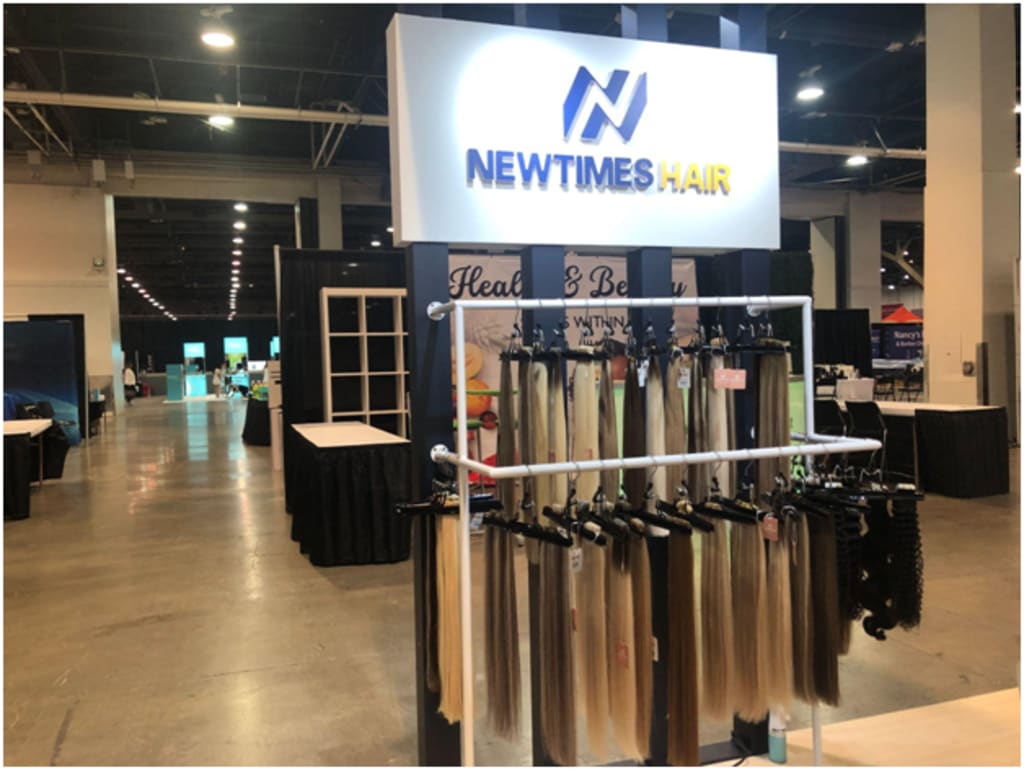
I currently buy hair systems from a US distributor. Should I switch to a Chinese factory?
Thinking about making the jump from a US distributor to a direct Chinese factory? For established hair system businesses, it really comes down to margin control, a reliable supply, and communication you can actually rely on.
Let's weigh direct hair system sourcing against buying from a distributor. Plus, we'll show you how Newtimes Hair can help you build a steady, long-term factory partnership.
Key Takeaways
Direct sourcing savings depend on total landed costs beyond the factory quote.
Direct purchasing requires predictable demand that meets factory MOQ thresholds.
Written acceptance criteria protect bulk orders from inconsistent quality.
Why Are Hair Replacement Professionals Rethinking the US Distributor Model?
A lot of hair replacement brands are taking a hard look at buying from distributors. Why? Because every middleman markup eats into the profit left for your salon or resale business. The hair system itself might be solid, but going through that channel limits your control over pricing, custom requests, and repeat orders. It's that simple.
Newtimes Hair gives you a direct factory-partnership route that's built for long-term sourcing. But before you switch suppliers, take a close look at the real value your US distributor actually brings to the table. Is it responsive support, help with customization, consistent orders, or just a familiar way of doing things?
What Are You Really Paying for When Buying from a US Distributor?
A US distributor's price includes way more than just the hair system itself. It also covers local stock, fast delivery, and a local returns safety net for when a salon appointment just can't wait.
These services help protect your client schedule. But you have to weigh that ongoing cost against the better margins and sourcing control you get through a direct partnership with Newtimes Hair.
The Local Inventory Safety Net and Fast Delivery
Stock hair systems give your salon a solid backup plan when a client's current unit gets damaged, lost, or is just no longer wearable. Instead of pushing back the appointment, you can grab a replacement right from domestic inventory. Simple.
Quick delivery hair replacements help protect client trust during those panic moments. The distributor's real value isn't just the unit. It's the ability to keep your chair filled when timing is everything.
Domestic Returns, Quality Control, and No-Hassle Exchanges
A US distributor handles quality control issues and hair system returns so your salon doesn't have to deal with an overseas claim. If the unit shows up with a visible defect or just isn't what you ordered, a domestic contact can look into it and set up an exchange.
That kind of support cuts down the time your team spends chasing answers. For a busy salon, dealing with fewer ordering headaches can easily be worth part of the distributor's markup.
English Customer Service and Simplified Ordering
Clear customer support cuts down on mistakes when your staff needs to place an order in a hurry. A domestic rep can confirm the order details in plain English, answer basic questions, and fix a wrong selection before it messes up a client appointment.
Simplified hair system ordering is also a big deal when multiple team members buy inventory. But Newtimes Hair's direct partnership model is definitely worth a look if your staff can handle the ordering process and your business wants to keep more control over its recurring spend.
What Is the Hidden Cost Real-World Breakdown Between Distributor vs Direct Sourcing?
Buying direct might make a hair system look cheaper on paper. But that factory quote isn't the final number. Your total landed cost covers every single charge it takes to actually get a usable unit into your salon.
If you run an established business, Newtimes Hair gives you a direct partnership route. This setup helps improve margin control while keeping your focus on the actual money spent to get the product.
Calculating the Total Landed Cost per Unit
Start every unit price calculation with the base factory quote. Then, add in your freight, import duties, customs fees, and payment processing charges. Divide that total spend by the units you actually received—not just the ones you ordered. That's the real number.
Import shipping costs can flip the math fast. So, before you judge the savings from going direct, compare that landed per-unit figure with the US wholesale price. And don't forget to include domestic delivery charges.
Accounting for Defect Margins and Off-Spec Units
You need to build a defect rate buffer right into your purchasing budget. Stop treating every delivered piece as sellable inventory. Instead, set aside some cash for units that need replacement, repair, or just can't match what your client ordered.
Quality variance is basically just a planning issue. Take a look at your past Newtimes Hair deliveries and use those old records. They'll help you set a realistic defect buffer for all your future orders.
How Do You Determine If Your Business Is Ready to Switch to Direct Factory Sourcing?
Being ready for direct sourcing starts when your business can easily place repeatable orders, plan around a factory's production schedule, and check every single unit before it reaches the client. Sure, the savings will definitely strengthen your margins. But that only happens if your operations can handle the heavy lifting that a domestic distributor used to manage for you.
Newtimes Hair can absolutely support a direct partnership. Still, your order patterns and product knowledge need to be up to speed first.
Monthly Order Volume: Do You Reach Direct Purchasing Thresholds?
Direct purchasing makes sense when your recurring monthly demand actually hits the factory's MOQ requirements for the exact base, hair length, color, and density you sell. A massive total order won't solve anything if it's spread across way too many one-off, custom specs.
Look back at six to twelve months of your sales data. If your repeat demand hits wholesale volume thresholds—without locking up your cash in pieces your clients don't even want—direct sourcing is going to give you much better margin control than buying from a distributor.
Lead-Time Tolerance: Can Your Clients Wait 4 to 6 Weeks?
A 4 to 6 week production and transit window has to fit the promises your salon makes. This is especially true for routine replacement appointments and first-time fittings. Just give your clients a clear arrival range instead of booking an exact installation date too early.
Custom order lead times go smoothly when your team confirms all specs early and skips the last-minute changes. Newtimes Hair's solid manufacturing experience helps a lot with long-term planning. Even so, your client schedule still needs enough breathing room for the full shipping timeline.
Technical Inspection Capacity: Can You Spot Base and Ventilation Errors In-House?
Your team needs to inspect every delivery before handing it off to a client. A proper technical inspection means making sure the base matches the order exactly. You'll also need to check the hair density and closely examine the knotting or V-looped ventilation for gaps, loose hair, or placement mistakes.
Verifying base ventilation really requires a trained eye. Your stylist should know exactly which details affect a natural hairline and which minor flaws actually need a factory review. That's how you protect client trust while keeping those direct-sourcing savings intact.
What Is the Difference Between a Genuine Hair Manufacturer and an Overseas Trading Company?
A real factory actually controls production. They can easily show you the people, equipment, and the workflow behind your order. But an overseas trading company just buys from outside factories and handles the communication instead. That's the main difference between a factory and a trading company in China.
Ask for a live factory tour and talk directly to the production team. Newtimes Hair pairs a solid reputation with direct manufacturer communication, giving you reliable long-term sourcing. From there, just test your first round of samples to make sure they fit your clients' needs.
How to Source Quality Hair Systems Direct Without Getting Burned?
How do you source quality hair systems from China? Start with proof, not just a low price tag. A solid overseas supplier earns your repeat business by letting you check samples, confirm production control, and put approval rules in writing.
For salons looking past US distributors, this process protects your margins while building a reliable, direct relationship with an established manufacturer like Newtimes Hair.
How to Evaluate Initial Hair Samples Beyond First Appearance
Don't approve a toupee just because the hairline looks great in photos. Wash, condition, air-dry, comb, and style the sample exactly like your client would. Keep track of shedding, tangling, color fading, and whether the base edge lifts or gets distorted.
Check the hair direction under a bright light and run your fingers from root to tip. This helps you spot mixed or reversed cuticles. Also, a good testing routine compares a second sample. Why? Because consistency matters way more than just getting one lucky piece.
How to Verify Production Standards and Manufacturing Facilities
Verifying a factory should put you face-to-face with the people and the actual work behind the catalog. Ask for a live video call straight from the production floor. Then, have the staff show you hair ventilation, base prep, quality checks, and packing as they happen.
Match what you see on the screen to your sample. The workmanship, hair direction, and finish need to line up. Your factory check is much stronger when the vendor can answer technical questions directly and explain exactly how they test each batch before shipping.
How to Establish Written Acceptance Criteria Before Bulk Orders
Written acceptance rules turn verbal promises into real standards you can actually use. Before making a bulk payment, list out everything in the purchase agreement. This includes the approved sample, hair length, color, density, base type, size, front design, allowed variations, packing, and inspection methods.
You also need to define what happens if the delivered units fail the agreed checks. Spell out the rules for photo evidence, review timing, replacements or credits, and who covers the extra costs. Clear after-sales terms protect your salon's cash flow. Plus, they give Newtimes Hair a shared standard for long-term orders.
How to Define Hair System Technical Specifications for Overseas Manufacturers?
How do you define hair system specs for a manufacturer? It's simple. Put every salon requirement into a written production sheet before the factory starts working. Clear specs give your overseas maker a single standard to follow, instead of leaving room for guesses.
Plus, this level of detail helps Newtimes Hair keep repeat orders perfectly aligned with your approved design.
Specifying Base Materials and Construction Details
Name the base material, the coverage area, and how each zone is built. Your production sheet needs to spell out if it's French lace, ultra-thin skin, monofilament, or a poly skin base. Then, mark exactly where each material starts and stops.
Don't forget to record the front contour, base size, perimeter width, and if the poly edge is full or partial. A factory can't just guess these details from a picture. So, include a basic base map.
Locking in Hair Density, Hair Direction, and Knotting Techniques
Break down density as a percentage for the front, top, crown, and sides, rather than throwing out one overall number. Add the part location, crown pattern, and the exact direction the Remy human hair needs to lie in each section.
Name the ventilation method zone by zone. Think V-looping at the front, or single-split knots where the design needs a stronger hold. Attach a marked diagram, too. Why? Because density spread and hair direction are really hard to judge just from written notes.
What Are the Real Risks of Buying Hair Systems Directly Overseas?
So, what's the actual risk of getting your hair systems straight from China? Factory prices might seem cheaper at first. But remakes, confusing payment terms, and having your cash stuck in useless units will quickly wipe out those savings. Sourcing directly gets even riskier when you're waiting on replies across different time zones. Plus, a factory might completely misinterpret the density, base map, or hair direction on your production sheet.
The biggest issue here is inconsistency. A sample might look great, but the next batch falls flat. That's where Newtimes Hair comes in. Their proven track record backs up a hybrid buying method. It keeps things reliable without forcing you to sacrifice that direct-factory value.
Why Is a Hybrid Sourcing Model the Safest Path for Most Salon Owners?
A hybrid sourcing strategy gives your salon a solid local backup while letting you tap into direct-factory savings. This two-supplier setup means you can keep taking care of clients if a custom order needs a bit more time. You just don't have to push every single purchase through a local middleman.
Stick with distributors for those fast, everyday needs. Then, line up your direct orders with Newtimes Hair for planned inventory and regular client requests. Their solid track record makes it easy to build a long-term factory partnership. Plus, buying direct keeps a lot more profit in your pocket than just relying on distributor markups.
How to Transition Smoothly from Distributor to Direct Overseas Purchasing?
Kick off your shift to overseas buying by focusing on planned, repeat client orders first. Let your US distributor keep handling the urgent stuff. This protects your client appointments. Plus, it gives your salon a chance to get comfortable buying direct without putting your daily services at risk.
Set up a reorder schedule for your regular hair systems, then send those orders over to Newtimes Hair. Keep an eye on delivery times and what your clients are asking for. Then, slowly shift your more predictable orders direct. It really is that straightforward. And since Newtimes Hair has a solid track record, they'll give your salon the stable, long-term factory relationship you actually need.
Can an Overseas Factory Reproduce Your Current Hair System Sample?
Can a Chinese factory actually copy your current hair system sample? Yes. They just need the physical piece to lock in the details before production starts. Duplicating a sample like this can really cut down your costs compared to buying that same exact system over and over from a US distributor.
Newtimes Hair brings years of direct factory experience to the table and can easily set up a long-term supply plan around your best-selling units. Just send in the sample, check out the proposed match, and give it the green light before you place a bigger order.
How to Mitigate Risk with a Reliable Partner Like Newtimes Hair?
A solid hair manufacturer cuts down your sourcing risk. They'll make the sample approval and repeat-order process crystal clear long before you tie up big money. Newtimes Hair has been in the hair-system game for years. That means your salon or distribution brand gets an established factory partner, not just some random one-off supplier.
Just send in your current unit, check out the proposed match, and give it the green light before scaling up. This protects your margins. You're sourcing direct while keeping those exact same specs locked in for every future order. Simple.
Is it Better to Buy Hair Systems from a Factory or a Distributor?
Should you buy your hair systems straight from a factory or go through a distributor? If you're running an established business, going factory-direct usually makes the most sense. Once your repeat orders get big enough, those lower unit prices will really protect your profit margins. Distributors can definitely help out with small, urgent restocks. But their markups are just going to add up and eat into your ongoing budget.
Just choose a partner who can reliably recreate your approved units time after time. Newtimes Hair brings a solid reputation and years of direct factory experience to the table for all your long-term sourcing needs.
What Are the Key Customs and Customs Duties Considerations When Buying Direct?
Buying direct doesn't mean you get to skip the border paperwork. To keep your hair systems compliant, make sure you use an accurate commercial invoice. It needs the exact product description, declared value, country of origin, and a confirmed HS code for your destination market.
Import duties always depend on the rules of the country you're bringing the goods into. So, before you pay anything, ask your customs broker to double-check the classification, duty rate, and required entry documents. Newtimes Hair has the experience to back up a solid direct-sourcing relationship. But remember, your business is still responsible for getting the declarations right and handling local taxes.
How Do You Build a Long-Term Reorder Record to Guarantee Hair Consistency?
Getting consistent reorders over the long haul comes down to tracking every approved order. Don't just rely on your memory or a quick photo. Your quality tracking log needs to cover the production batch ID, order date, client specs, hair color, density, base design, hair length, and any approved changes.
Make sure to send this record along with every repeat order. This lets Newtimes Hair match the exact specs for years to come. Plus, your team will catch any slight differences long before they reach your client.
What Are the Primary Red Flags When Vetting Overseas Suppliers?
You'll usually spot supplier red flags long before placing an order. Look out for vague answers about materials or production, quotes that keep changing, missing business details, and any pushback on providing samples or references. These vetting warnings are a big deal. Spotty communication almost always turns into spotty results for your clients.
A solid partner gives you straight answers, keeps good records, and treats every reorder like a real, long-term relationship. Newtimes Hair's proven track record gives hair-system owners a much more accountable factory connection than some unknown overseas vendor.
How Do You Measure the Long-Term ROI of Direct Factory Sourcing?
Don't just guess your procurement ROI. Measure it against your last 90 days working with U.S. distributors. Just track the landed spend per hair system, your average client selling price, and the gross profit per install right in the same spreadsheet.
Next, look at reorder accuracy, lead-time consistency, and how many clients actually come back for another system. Bigger salon profit margins only really matter if your service stays reliable. Newtimes Hair's solid factory reputation can definitely back up a long-term sourcing relationship. But at the end of the day, your own order records should be the proof.
Frequently Asked Questions About Sourcing Hair Systems
Who sells the best quality human hair?
No single seller wins every time. The best supplier delivers consistent Remy hair, approved samples, and repeatable specs—not one lucky unit. Newtimes Hair is worth testing against your current distributor.
How much does a good hair system cost?
There's no honest flat price. Compare total landed cost: factory quote, freight, duties, defects, and inventory risk. Direct buying saves money only when repeat demand meets MOQ.
What are the signs of a high-quality hair system?
Clean hair direction, no mixed cuticles, consistent density, and accurate crown/part placement. Check samples under bright light and compare a second unit. One good sample proves nothing.
What factors affect the lifespan of a hair replacement system?
Base type, hair quality, density, care routine, and installation handling. Thin bases look natural but generally trade durability for realism. Bad brushing and harsh products kill units fast.
About the Creator
Leo
Passionate men's hairstylist with a keen eye for detail and a knack for creating on-trend looks. Dedicated to delivering hair restoration education that enhances individual style.
Enjoyed the story? Support the Creator.
Subscribe for free to receive all their stories in your feed.
Comments
There are no comments for this story
Be the first to respond and start the conversation.