
How to Wash a Human Hair Wig Without Losing Its Luxury
How to Wash a Real Human Hair Wig

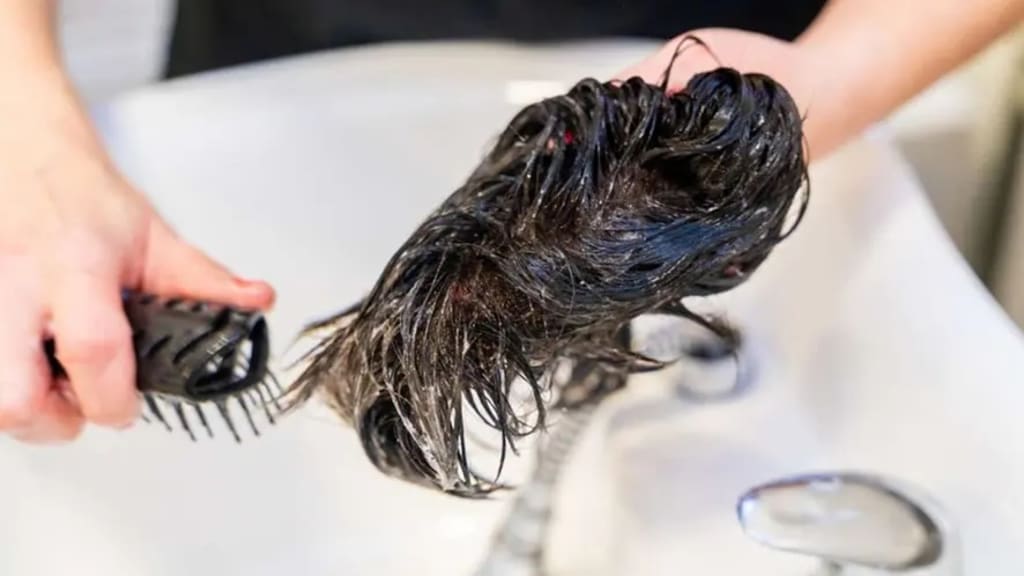
Behind every flawless wig moment is a quiet ritual of care. Here’s how to keep your human hair wig fresh, soft, and runway-ready.
In the era of hyper-personal style, wigs are no longer simply accessories—they’re statements. They transform moods, redefine identity, and make everyday mornings feel like a backstage moment before a fashion show.
But the secret to that effortless, camera-ready look isn’t just about choosing a beautiful wig. It’s about how you care for it.
A human hair wig carries the same elegance and complexity as natural hair. With the right maintenance routine, it can remain glossy, smooth, and full of life for months—or even years. Without that care, even the most luxurious wig can quickly lose its softness and shape.
Learning how to properly wash a human hair wig isn’t just maintenance. It’s part of the experience.
And brands like Bono Hair, known for premium men’s hair systems and natural human hair pieces, have refined this process into something almost ritualistic—simple steps that protect the integrity of every strand.
Let’s step inside the routine.
The Pre-Wash Moment: Preparation Matters
Before water ever touches the hair, preparation sets the tone for everything that follows.
The most important step? Detangling.
Human hair wigs should always be gently combed before washing, starting from the ends and working upward toward the roots. This prevents knots from tightening during the washing process and reduces shedding.
Skipping this step can turn a simple wash into a tangle nightmare.
Experts at Bono Hair emphasize holding the wig by the base or parting area while brushing. This protects the knots and structure of the cap, which are delicate but essential to the wig’s natural appearance.
Think of this stage as preparing fabric before washing delicate clothing. A little patience here preserves the craftsmanship later.
Step Into the Basin: The Washing Process
Unlike natural hair, a wig shouldn’t be washed under a high-pressure shower.
Instead, fill a clean basin with lukewarm water—never hot. Hot water can weaken the hair cuticle and damage the wig cap.
Once the water is ready:
Mix a small amount of gentle wig shampoo into the water.
Place the wig into the basin.
Gently move it through the water.
Lightly squeeze or pat the hair so the shampoo flows through the strands.
What you should never do is scrub, rub, or twist the hair. Human hair wigs respond best to calm, minimal movement.
This gentle washing technique allows the shampoo to cleanse the hair without disturbing the delicate hand-tied structure of many premium wigs.
If the wig has adhesive residue—common with lace systems—special adhesive removers can be used carefully to dissolve buildup before continuing the wash.
Conditioning: Where Softness Returns
Once the wig is clean, conditioning restores moisture and shine.
But this step comes with one crucial rule:
Conditioner should never touch the roots or knots.
Because human hair wigs are hand-tied, applying conditioner near the base can loosen the knots that secure the hair to the cap. Over time, that leads to shedding.
Instead, apply conditioner only to the mid-lengths and ends, smoothing it through with your fingers. Let it sit for a few minutes before rinsing.
Cool water works best for the rinse because it helps close the hair cuticles and lock in moisture.
The result? A wig that feels silky, lightweight, and refreshed.
Drying Without Damage
After washing, the temptation is to speed things up with a hair dryer.
Resist it—at least at first.
The best method for drying a human hair wig is air drying on a wig stand. This keeps the cap in its natural shape and allows moisture to evaporate evenly.
Before placing it on the stand:
Gently blot excess water with a soft towel
Never twist or wring the hair
Avoid rubbing the strands
If you must use a blow dryer, keep it on low heat and at a safe distance to prevent overheating the hair fibers.
Good drying habits are what preserve the bounce and movement that make human hair wigs look so natural.
The Final Touch: Aftercare That Makes the Difference
Once dry, the wig enters its final phase—aftercare.
Because wigs don’t receive natural oils from a scalp, they benefit from lightweight hydration products like leave-in conditioners or small amounts of hair oil applied to the ends.
This step adds shine while preventing dryness or frizz.
And when the wig isn’t being worn, storage matters just as much as styling.
Keeping it on a wig stand—or storing it in a silk or satin bag—helps prevent tangling and preserves the shape of the cap.
It’s a small detail that dramatically extends the life of the wig.
How Often Should You Wash a Human Hair Wig?
More washing doesn’t mean better care.
In fact, overwashing can cause dryness and dullness.
Most experts recommend washing a human hair wig every 7–10 wears, depending on factors like sweat, styling products, or environmental exposure.
The key is balance: wash enough to keep the wig fresh, but not so often that the hair loses moisture.
Why Wig Care Is Part of the Style
Fashion trends come and go, but the appeal of beautifully maintained hair never fades.
That’s why companies like Bono Hair emphasize not just craftsmanship in their wigs and hair systems—but also the routines that keep them looking flawless.
Because when a wig is cared for properly, it doesn’t just last longer.
It moves better. Shines brighter. Feels more natural.
And in a world where personal style is increasingly expressive, those details matter more than ever.
The truth is simple: great hair—whether it grows from your scalp or arrives perfectly crafted in a box—always rewards the people who care for it.
About the Creator
Leo
Passionate men's hairstylist with a keen eye for detail and a knack for creating on-trend looks. Dedicated to delivering hair restoration education that enhances individual style.
Enjoyed the story? Support the Creator.
Subscribe for free to receive all their stories in your feed.
Comments
There are no comments for this story
Be the first to respond and start the conversation.