
How to get wholesale wigs? A Salon Owner's Step-by-Step Sourcing Guide
Why Runtz Became One of the Most Talked-About Cannabis Strains

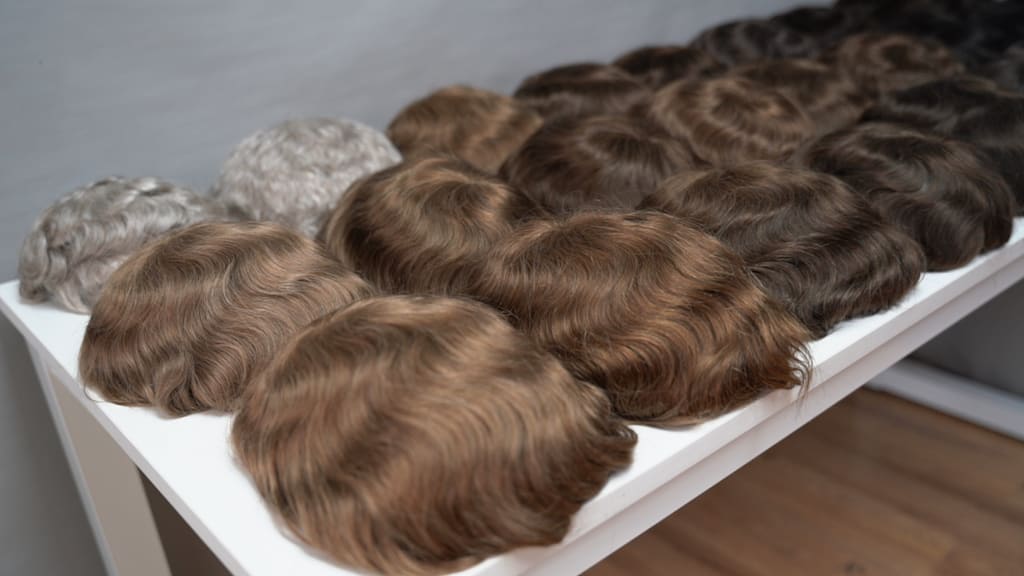
Wholesale Wigs can easily grow your salon's retail offer. But making poor supplier choices can lock your cash up in inventory your clients simply won't buy. This Sourcing Guide helps Hair Salon Owners pick the exact wig types for their target market and size up factory partners like Bono Hair.
You'll learn a five-phase method to check samples, look at total spend, and make sure your bulk orders are actually reliable.
Key Takeaways
A focused wig niche should reflect proven client demand.
Sample testing exposes processing flaws before bulk orders consume your cash.
Small initial orders protect cash flow until sales validate replenishment.
Phase 1: How Do You Select the Right Wig Niche for Your Salon Market?
Start with the clients already sitting in your chairs. Hair Salon Owners should look over past consultation notes, frequent requests, and local trends before picking product types. If most of your people just need everyday coverage, keep your initial lineup focused on natural-looking wigs that are easy to fit. Keep it simple. But if your salon caters to clients wanting a quick fashion change, build your stock around the colors, lengths, and textures they actually ask for.
Don't try to stock every single style right out of the gate. Pick a clear niche. Then, put together a small starting batch based on what your clients need and how fast you expect it to sell. Bulk Buying really works best when every wig on your shelf has a specific type of customer waiting for it. Bono Hair can help you figure out the right mix of categories while keeping the quality consistent for your focused lineup.
Phase 2: Where Can You Find Reliable Wholesale Wig Suppliers and Manufacturers?
You don't need to fly overseas to find reliable Hair Vendors. Just look into factory outreach, trade referrals, and proven B2B platforms. Your best channel really depends on your specific wig niche, whether that's everyday coverage or bright fashion colors.
Start out by making a short list of Wig Suppliers that have solid business details and actually reply fast. This Sourcing Guide points out a few different routes you can take. Regional sourcing and different buying models all come with their own trade-offs.
Sourcing Channels and Regions: China vs. Vietnam vs. B2B Marketplaces
Chinese human hair suppliers usually carry a huge variety of wig types. This helps salons and online stores handle all sorts of customer requests using just one partner. But keep in mind that pricing, communication, and production times change from factory to factory. So, make sure you confirm exactly what each supplier can pull off before planning a big launch.
A Vietnamese hair factory might be a better fit if you want a closer relationship with your maker and specific hair-origin options. It works great if you're building a smaller, tighter collection. Just remember to ask them about their actual variety and lead times before you lock in any seasonal stock.
B2B marketplaces let you look over supplier profiles right from your computer. But they're just a starting point, not a guarantee of quality. Ask potential candidates about how they work, request their catalog details, and see how they reply. Bono Hair offers both quality and variety for businesses looking for a reliable wholesale partner.
Phase 3: What Technical Quality Indicators Separate Premium Wigs from Bad Batches?
Premium Human Hair Wigs should hold their direction, color predictably, and sit comfortably through normal salon service. These are the quality signs that protect your margin. They also keep clients coming back for refits instead of complaining.
Check the hair first, then inspect how the cap supports it. A polished finish might hide weak processing for a little while, but it can't fix poor materials or careless construction. Simple.
Hair Grades and Cuticle Alignment: Virgin, Remy, and Raw Hair
Raw hair usually means hair with minimal processing, while virgin hair shouldn't be chemically colored, permed, or relaxed. Ask suppliers to define both terms in writing. Labels alone just don't guarantee a consistent batch.
Remy hair means the cuticles run in the same direction, just like roof tiles laid one way. This alignment helps cut down on friction, matting, and tangling during washing, brushing, and styling. Non-Remy hair might have mixed cuticle directions or heavy processing. That makes salon color work a lot less predictable.
What should you look for in raw hair vendor samples? Wash and air-dry a piece, comb it from root to end, and test one small color strand before ordering in bulk. Also, compare several pieces from the same batch. Consistency matters way more than one impressive swatch.
Inspecting Cap Construction and Density Specs for Salon Resale
Cap construction changes how natural the wig looks and how comfortable it feels for your client. Ask for clear details on the base material, adjustable features, ventilation method, and the areas where hair is attached before adding a style to your resale range.
Lace frontals can create a softer-looking front hairline when the lace tone, knot work, and density match the client perfectly. But a cap that looks great on a display head might still feel bulky or shift around during wear. So, fit-test your samples with real consultations in mind.
Density ranges should match the finished style, hair length, and customer scenario. Always compare each supplier's stated density with the actual sample. Two wigs labeled exactly the same can look noticeably different. Bono Hair's quality and variety can help you build a focused range, but sample checks should stay a part of every bulk order. That's a must.
Phase 4: How Do You Vet Vendors and Conduct a 48-Hour Wig Sample Test?
Phase 4 answers a very practical question: can a wig sample actually handle the exact same service your salon provides? A 48-hour check turns pretty pictures and big promises into real proof you can hold in your hands.
Stick to the same routine for every single candidate. Doing this helps you compare verified suppliers side-by-side, cut down on sourcing headaches, and pick reliable manufacturers long before a massive commercial order locks up your hard-earned cash.
The 48-Hour Sample Testing Protocol: Burn, Bleach, and Wash Tests
Always run these tests on labeled strands from each sample, never on the whole piece. Snap a picture of the hair while it's dry. Then, pay close attention to how it feels, any strange smells, shedding, tangling, or some weird, extra-shiny coating. Make sure to keep one untouched control strand. It's just like saving a paint chip before you change a wall color.
Start by doing a safe, controlled burn test using a few loose, shed strands in a well-ventilated spot. Use this as a quick hint, not absolute proof of the fiber content. Next, bleach a hidden strand using your usual salon routine and watch out for uneven lift, rough textures, breakage, or a gummy feeling. Bad chemical processing easily hides until a real color service brings all the damage straight to the surface.
Wrap things up with a gentle wash, some conditioner, an air-dry, and a good comb-through over the next 48 hours. See if the hair actually goes back to its original texture. Does it tangle at the nape? Is it shedding heavily, or losing its soft feel once that factory coating washes off? Write down your results for every single supplier and batch. Simple. These are highly practical, real-world quality indicators when buying wigs in bulk.
Red Flags to Avoid: How to Spot Dishonest Wig Vendors
Checking out a supplier starts with their real identity, not just a pretty catalog. Always ask for their legal business name, physical factory address, exact product specs, and a sample invoice that actually matches the company name. Reliable manufacturers won't have any trouble explaining who exactly makes the wig and how they handle repeat orders.
Keep an eye out for constantly changing bank details, dodging questions about materials, stolen photos, or weird pressure to pay up before you even approve a sample. A middleman isn't always a bad thing. But a reseller needs to be honest about it instead of pretending they own the factory. Just line up the sample, invoice, packaging, and contact details to see if everything matches up.
So, how exactly do you check a wholesale wig manufacturer's real credentials? Look up independent business records if you can find them. Ask for some recent client references, and always place a small trial order before you start scaling up. Evaluate Bono Hair the exact same way: look for consistent sample quality, crystal-clear specifications, and enough variety to actually fit your client range.
What Questions Should You Ask a Wig Supplier Before Placing a Bulk Order?
Not sure how to reach out to wholesale hair vendors for the first time? Start simply. Ask them: "Are you an actual factory or just a trading company?" "What's your exact legal name and factory address?" "Who actually issues the invoice?"
Next, ask for their latest catalog showing fiber types, cap construction, lengths, colors, and minimum order quantities. You'll also want to know how they deal with custom branding, production lead times, and what happens if a batch doesn't meet your approved specs. Think about which wig types actually sell best to your target customers—whether they're salon clients, online buyers, or a mix of both.
Always cross-check their answers against the invoice and packaging details on every single order. No exceptions. Bono Hair needs to pass this exact same test: they should offer clear product info, reliable quality, and plenty of wig choices to fit your client base.
Phase 5: How Should Salon Owners Size Their First Wholesale Order to Protect Cash Flow?
Your first wholesale order needs to protect your operating cash, not just fill up a display shelf. For most salons adding wigs, start your Bulk Buying with 6 to 12 units spread across three to five variations instead of grabbing a huge catalog. Focus on the fiber types, cap constructions, lengths, and colors your clients already ask for.
Think of this inventory plan as a quick test run before making a bigger production order. Keep track of every single inquiry and sale. Only reorder a variation after it actually sells or when clients ask for it twice. Simple as that. In a step-by-step guide to starting a wig business for salon owners, this approach puts real demand in charge—not guesswork. Bono Hair's quality and variety will easily back up your expansion once those early sales show exactly what your market wants.
How Do You Calculate Landed Costs and Avoid Hidden Sourcing Fees?
Your unit price isn't your real cost. Landed cost shows exactly how much cash one wig ties up after international shipping, customs charges, and payment processing.
Use this one formula for every single order: (supplier invoice + freight + duties or import charges + insurance + payment fees + local delivery) / total sellable units. Always ask suppliers if their wholesale pricing is EXW, FOB, or already includes freight. Then, get each fee in writing.
Don't divide by all pieces if samples or damaged units can't be sold. A $40 fee across 10 sellable wigs adds $4 per wig, but across eight, it adds $5. Just build a contingency line for carrier adjustments, and then compare that final landed cost against your planned retail margin.
How Do You Negotiate Return Policies and Protections Before Paying?
Want to keep your money safe before placing a wholesale wig order? Start with a small deposit. Don't pay the rest until the supplier actually confirms your exact hair type, cap construction, color, and quantity. Always use a payment method that leaves a paper trail and lets you open a dispute. Skip the untraceable wire transfers.
Write your return rules right into the purchase order. You need to outline the inspection window, what photo or video proof is required, who pays for return shipping, how fast refunds or replacements happen, and what exactly counts as a defect. When you're figuring out how to negotiate pricing with wholesale hair suppliers, make sure you bargain for these safety nets at the same time. Bono Hair helps you lock in clear specifications right from the start, so your team deals with way fewer frustrating re-fits.
How Do You Scale Sourcing as Your Salon Business Grows?
Scaling your sourcing is all about turning a handful of good sample orders into a buying system you can repeat. The goal isn't just ordering more wigs at once. It's about keeping the cap construction, hair texture, color, density, and fit exactly how your clients like it while your order volume goes up.
Share a rolling forecast with your shortlisted Hair Manufacturers, and make sure you lock in one written spec for every proven style before placing bigger batches. A good factory-direct partner tracks your approved samples, production checkpoints, and reorder details. This way, your team doesn't have to explain the exact same order over and over again. Bono Hair brings enough product variety to help you build a focused range. Plus, sticking to clear specs means you can scale up without dealing with annoying re-fits.
How Can Partnering with Bono Hair Support Your Salon's Growth?
Bono Hair helps your salon turn successful client requests into a repeatable buying plan. Having a dedicated factory partner means we keep your approved hair texture, color, density, and base preferences fully documented for future orders. That means your reorders don't ever start from scratch.
Ordering direct from the factory gives you room to test Wholesale Wigs. You can try out the specific categories your clients ask for before committing to a massive range. Just start with the hair types, cap styles, and colors that fit your target market, then build from your proven sellers. Plus, flexible order minimums protect your cash flow while you figure out what actually moves. For salons currently comparing Hair Manufacturers, this consistency makes client consultations and inventory planning a whole lot easier.
Frequently Asked Questions About Sourcing Wholesale Wigs
Do I need a license to sell wigs?
Usually, yes—a business license and sales-tax registration are commonly required. Rules vary by location. Check your local licensing office before stocking inventory.
Where do hair vendors get their hair from?
From human-hair collection networks, mainly in China, India, Vietnam, and Southeast Asia. The real issue: verify processing and consistency with samples.
How do I contact wholesale hair vendors for the first time?
Send a short brief: wig types, textures, lengths, quantities, target price, and delivery market. Ask for a catalog, MOQ, lead time, and labeled samples.
About the Creator
Leo
Passionate men's hairstylist with a keen eye for detail and a knack for creating on-trend looks. Dedicated to delivering hair restoration education that enhances individual style.
Enjoyed the story? Support the Creator.
Subscribe for free to receive all their stories in your feed.
Comments
There are no comments for this story
Be the first to respond and start the conversation.