
How to Choose the Right Human Hair Wigs Wholesale Supplier for Your Salon Business
How to Choose the Right Human Hair Wigs Supplier for Your Business

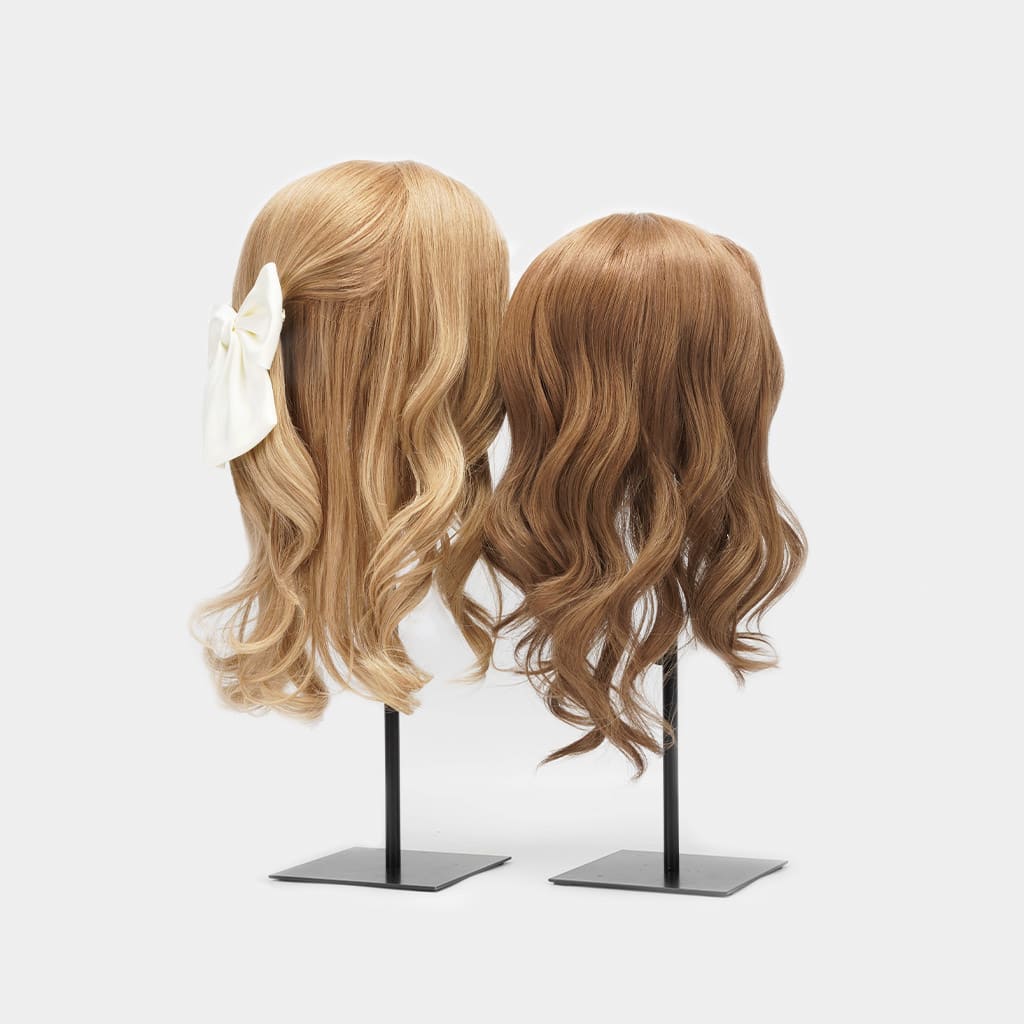
How to Choose the Right Human Hair Wigs Wholesale Supplier for Your Salon Business
Offering Human Hair Wigs turns your salon from just a service spot into a strong retail business. To grow without friction, you’ll need a dependable Wholesale Supplier. Working directly with Newtimes Hair opens the door to better pricing and serious cost savings. That basic grasp of the wholesale setup naturally leads into the technical standards every professional should expect.
Key Takeaways
- Vet suppliers via live video calls to confirm direct factory operations and eliminate middleman markups.
- Stress-test hair samples by bleaching to level 27 and flat-ironing at 400 degrees to verify true quality.
- Buy "salon-ready" units with pre-plucked hairlines and bleached knots to drastically reduce unpaid customization labor.
- Partner with suppliers using domestic warehouses to bypass customs fees and secure next-day shipping for urgent clients.
- Stock in-house inventory to capture retail product margins and offer a highly profitable, one-stop salon experience.
The Professional Buyer’s Framework: Beyond the Basic Vendor List
Stop relying on generic vendor lists you see dumped across social media. Finding a reliable Wholesale Distributor like Newtimes Hair takes a strict, technical vetting framework. You need to know exactly what you're paying for so your margins actually make sense. A real framework protects your bottom line while making sure every piece meets Salon-level quality. It helps you spot highly profitable inventory and avoid low-quality liabilities. To build this framework, we first need to define the technical standards of the hair itself.
Understanding Hair Grades and "Salon-Ready" Standards
The industry constantly throws around terms like "10A grade," but the grading systems change from one supplier to another. Most of the time, you're choosing between virgin hair and pure raw hair.
Virgin hair is steam-treated to create a specific Hair Texture. That’s what makes the curl patterns so consistent. Raw hair stays completely unprocessed, so it lasts longer but needs more maintenance.
"Salon-ready" means the unit cuts down your chair time. A Bone Straight unit should keep its sleek look right out of the box. You shouldn’t have to spend an extra hour fixing or customizing it.
The parting space matters too. A standard 13x4 Frontal gives you deep, natural parting immediately, which helps keep your labor costs down. Once you’ve locked in the hair quality, the next step is the base construction.
The Technical Anatomy of a Premium Wig Cap
The foundation determines how natural a wig looks on the scalp. Your main options usually come down to two materials. Swiss Lace is durable and budget-friendly, making it a reliable everyday pick. HD Lace is thinner and blends seamlessly into any skin tone, but it comes at a higher price.
Knot size is another detail you can’t ignore. Smaller knots along the hairline create a more natural look. Bigger knots tend to look dotty and often need heavy bleaching, which can weaken the roots.
If you want faster installs, go for Pre-cut Lace units. These caps come ready to wear and save valuable salon time. Now that you’ve got a handle on the physical specs, you can move straight into the actual vetting process.
Vetting the Source: How to Identify a Real Hair Factory
To protect your salon's profit margins, you need to know exactly who’s making your inventory. A real Hair Factory controls the full production process, which helps keep your costs down. A middleman, on the other hand, buys from that factory and adds their own markup before selling it to you. That extra cost cuts straight into your profits. Spotting the difference takes a bit of a trained eye. Many middlemen present themselves as direct Wholesale Distributors by posting generic warehouse photos online. You can’t rely on polished marketing images alone to prove where your inventory actually comes from. Real verification goes beyond a website—it comes down to how they communicate.
Conducting a Communication Audit via Video Calls
Pick up your phone and ask for a live video call. Reliable hair vendors will usually have no issue walking you through their production floor via WhatsApp or FaceTime. If a supplier avoids live tours and sticks to pre-recorded clips, there’s a good chance you’re dealing with a middleman who doesn’t hold real inventory.
During the call, ask them to show specific items from their Wholesale Catalog. Have them grab a bundle off the shelf and check the tags right there. Look for matching company logos on both the packaging and the warehouse walls.
Listen to the background too. A real factory sounds active—like a working floor—not a quiet office. You want a partner who’s open at this level from the start.
Why Newtimes Hair Sets the Standard for Factory Transparency
Direct-to-source pricing shifts the profit equation for your salon in a big way. As a verified Wholesale Distributor, Newtimes Hair runs its own production lines, cutting out middleman markups entirely. That means you get factory-level pricing and noticeably lower inventory costs.
They also keep their process visible to buyers. You can request live views of the production floor, which removes the uncertainty that often comes with overseas sourcing. You’ll always know where your units are coming from.
Seeing the facility on camera shows they actually make the product. But that’s only part of it. Once you trust the manufacturer, the next step is putting the hair through a proper sample stress test.
The 5-Step Sample Stress Test for Stylists
Never place large Sample Orders just because a unit feels soft right out of the box. Anyone can coat strands in silicone to make them look shiny. Real proof comes from a proper torture test. You need to know exactly how to test wig quality before spending your salon's inventory budget with suppliers like Newtimes Hair. Small boutique owners have to push the hair to its limit. If the unit fails here, it’ll fail on your client. And testing isn’t only about the hair itself; it’s also about how it reacts to chemicals.
The Bleach and Heat Resilience Test
Start by lifting the hair. Apply a standard lightener and push the strands to a level 27 blonde. You’re checking the cuticle integrity. High-quality Human Hair Wigs will lift evenly without turning into a gummy mess.
Next, grab your flat iron. Set it to 400 degrees and run it over the strands. Hair Professionals know real virgin hair can handle high heat without frying or giving off that burnt plastic smell. If the ends snap off right away, you just saved your salon from a big inventory loss.
These chemical and heat stress tests show the true grade of the unit. Once the hair makes it through bleach and the flat iron, it’s time to move on to the post-wash check.
The Wash-and-Wear Longevity Check
Your clients don’t wear hair just once. To make sure you get long-term Client Satisfaction, you need to mimic weeks of wear. Wash the unit hard five times using hot water and a clarifying shampoo.
Watch how the Hair Texture responds. Does it spring back, or does it turn into a tangled mess? Comb through it while it’s wet. A few loose strands are normal, but heavy shedding usually means the wefts are poorly made.
If the sample passes these wash tests, you’ve found a reliable manufacturer. With the physical quality confirmed, your next step is to sort out the real business logistics of buying in bulk.
Navigating Logistics: U.S. Warehouse vs. Overseas Sourcing
Sourcing overseas usually means a lower price per unit. But the trade-off shows up in slower shipping and surprise customs costs. A package stuck at the border doesn’t help a client sitting in your chair. Buying from a U.S. Warehouse changes things completely. You skip international tariffs and lock in Fast Shipping for your salon. When an emergency client books a weekend appointment, you can count on Next-day Delivery to save the job. Where you source your products decides how fast you can serve your market. In the end, these logistics choices directly shape the salon’s inventory model.
The Benefits of Newtimes Hair Global Distribution Network
Working with a globally connected supplier cuts out the usual shipping headaches. A smart distribution network means you don’t have to guess when your boxes will actually arrive. That’s where Newtimes Hair comes in. They route products through local hubs so you get your stock fast.
You don’t have to turn away last-minute clients. Pulling from a domestic hub unlocks Next-day Delivery for urgent requests and keeps your chair full. You get the cost savings of a large supplier without the dreaded four-week international wait. Smooth logistics keep everything running as it should. And naturally, how you receive shipments affects the financial side of your inventory management.
Dropshipping for Salons vs. In-Stock Inventory
Should you stock your own hair or let the supplier ship it for you? Dropshipping keeps upfront spend very low. You only buy the hair after your client pays, which removes cash flow risk. But this hands-off setup cuts into your Profit Margin since you pay more for individual shipments.
Building In-Stock Inventory takes a bigger initial budget. The upside? Major savings per unit. Having hair ready guarantees Inventory Stability, so you can handle same-day installs without depending on a shipping carrier.
Stocking up means higher margins on every service, while dropshipping offers safety but slows growth. You have to weigh the upfront cost of bulk buying against the ongoing spend of single orders. To see the real numbers, just run your business model through the "Hidden Costs" calculator.
The Hidden Costs of Wholesale: A Salon Owner’s Calculator
The sticker price on a wig is never the final amount you pay. When you import inventory, surprise customs fees can quickly eat into your Profit Margin. A cheap unit can easily turn expensive once those international taxes start stacking up.
Placing Bulk Orders lowers the upfront price per unit. But you still have to factor in the hours spent making that hair client-ready. Pulling raw units out of a box means you're now responsible for all the prep before a client ever sees them. So the real cost actually shows up in the labor at your styling chair.
Factoring in Customization Time and Labor
Time is your most expensive asset as a stylist. Spending two hours bleaching knots and tweezing hairlines means you're losing money you could’ve made from actual appointments. Buying Pre-plucked units shifts that workload back to the manufacturer.
Features like Bye Bye Knots completely remove the need for harsh bleaching at your station. The hair shows up looking natural right out of the package. That ready-to-wear setup is a big reason why Glueless Wigs are taking over the market. They cut prep time down to zero, so you can book more clients in a single day.
Saving time in the chair protects your bottom line. But trust goes beyond just a quick install. Where the hair comes from shapes how your entire business is seen.
Ethical Sourcing and Its Impact on Your Salon’s Reputation
Clients ask more questions now than they did five years ago. They want to know whose hair they’re wearing and how it was sourced. A Beauty Salon that buys from unverified factories risks losing modern buyers who won’t support exploitative labor.
Hair Professionals need to treat sourcing as a core part of brand trust. Partnering with a verified supplier like Newtimes Hair helps ensure your inventory comes from willing donors who are paid fairly.
Operating ethically gives you a strong edge in your local market. It shows you care about quality at every level. And when clients trust your standards, they’re far more open to premium services and upsells.
Integrating Wig Retail into Your Salon Service Menu
Selling hair directly to your clients shifts your revenue model in a big way. Instead of only charging for your time, you also capture the product sale. Bundling a retail-ready unit with a custom installation service instantly raises your average ticket. You’re already doing the styling. Why let clients buy their hair somewhere else?
Keeping inventory in-house turns a standard salon business into a one-stop shop. Clients like the convenience of buying and installing in one visit, saving time while increasing your margins. To make this work, you’ll need a solid sales approach. The easiest place to begin is with the clients already in your chair.
Marketing Wigs to Your Existing Client Base
Your current client list is your most profitable retail audience. People who regularly book appointments for Hair Extensions are ideal candidates for a premium unit. They already get the value of investing in high-quality hair.
Start by walking them through the numbers. A well-made wig often costs less over a year compared to ongoing extension maintenance. You can also tap into social media trends. Beauty Influencers have made full units extremely popular, removing the old stigma. Position the switch as a way to protect their natural hair while cutting down salon time.
Once a few regulars make the switch, word of mouth starts driving more retail sales. But as demand increases, your supply chain has to keep up. You need a setup that can handle long-term growth.
Scalability: Ensuring the 100th Wig Matches the 1st
Fast growth doesn’t mean much if product quality slips. When you begin placing larger Bulk Orders, consistency across batches becomes your biggest risk. A client who loved their first purchase expects the same experience when they come back for another.
Inconsistent density or mismatched textures will quickly break client trust. Real scalability means working with a manufacturing partner like Newtimes Hair, one that keeps strict quality control across every production run. You can’t afford guesswork with your inventory. Every unit needs to arrive ready to sell.
Locking in that level of reliability takes careful research before you spend anything. Finding the right wholesale partner means asking tough questions early, which leads into the final vetting process.
Protecting Your Business: Contracts and Return Policies
Finding a defective unit after installation is a nightmare. It hurts your reputation and cuts into your margins. Picking reliable hair vendors helps you avoid this and supports business growth. You need clear return policies before you spend anything. Solid agreements protect your profits and strengthen your professional relationship.
Negotiating After-Sales Support for Professionals
A true wholesale distributor stands behind their inventory. If something fails, they replace it. Client satisfaction depends on that support.
Get these terms in writing before ordering from Newtimes Hair. Good suppliers take responsibility for bad batches so you don’t have to absorb the loss. Next, let’s go over some common questions.
Frequently Asked Questions for Salon Wig Sourcing
Do you need a license to sell wigs in a salon?
No. Retailing wigs doesn't require a cosmetology license. You just need a standard retail or seller's permit to buy wholesale and collect sales tax. That's it.
What is the four finger rule for wigs?
A quick placement trick. Lay four fingers flat horizontally right above the client's eyebrows. The top edge of your index finger marks the natural hairline. Exactly where the lace needs to sit.
How do you measure where a wig should sit on a client's forehead?
Find the natural hairline. Usually 2 to 2.5 inches straight up from the center of the eyebrows. Use a soft tape measure from the nose bridge to that spot to lock in the exact lace placement.
What are the benefits of using a U.S.-based wig warehouse?
Speed and zero red tape. You bypass international customs fees entirely. Suppliers like Newtimes Hair with domestic hubs guarantee next-day shipping. Saves your business when a client demands an urgent install.
About the Creator
Leo
Passionate men's hairstylist with a keen eye for detail and a knack for creating on-trend looks. Dedicated to delivering hair restoration education that enhances individual style.
Enjoyed the story? Support the Creator.
Subscribe for free to receive all their stories in your feed.
Comments
There are no comments for this story
Be the first to respond and start the conversation.