
How to avoid customs delays for wholesale hair system orders
Wholesale Hair System Customs: Avoid Shipping Delays

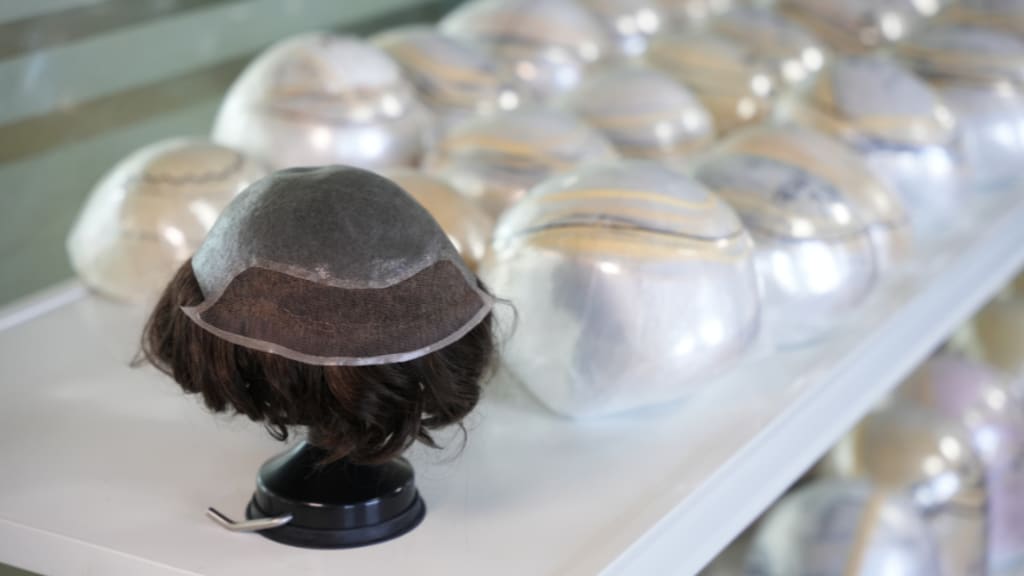
How to avoid customs delays for wholesale hair system orders
Keeping your wholesale hair system orders from getting stuck at customs comes down to having complete paperwork and talking clearly with your supplier. Clearance almost never goes smoothly if your shipment details don't match up or the documents show up late.
Bono Hair can help you double-check those shipping records before anything actually ships. Here's a practical workflow to protect your stock, delivery timelines, and profit margins from border holds you can easily avoid.
Key Takeaways
Every document should match all carton labels, contents, quantities, weights, and values.
Each hair system needs an accurate HS classification before customs clearance.
Destination sanitary document requirements need confirmation before your supplier dispatches the wholesale order.
Why Do Wholesale Hair System Orders Get Stuck in Customs?
Wondering why your wholesale hair shipment is stuck in customs? The usual culprits are bad product descriptions, missing import documents, or a declared value that just doesn't match the shipment.
For B2B buyers, customs delays tie up inventory and mess up client orders. But clear records from your supplier and fast replies to customs questions usually stop these holds from happening. Simple.
Mislabeled Biological Materials and Missing Sanitary Papers
Human-hair units often catch extra heat because customs officers might treat them as biological materials. A vague label like "hair goods" just leaves too much room for questions. Your shipping description needs to clearly say they're wholesale hair systems. It also has to match the commercial invoice, packing list, and what's actually inside the box.
Missing sanitary papers will freeze your customs clearance until you hand over the documents required by your destination country. Rules change from place to place. So, don't assume the paperwork that worked for one market will work everywhere.
Ask your supplier before shipping out which documents will travel with the order. You also need to know who's going to answer any customs questions. Bono Hair can help you double-check shipping records for consistency before sending anything out. That way, your team isn't scrambling to explain a mismatch after your cartons get held up.
Unrealistically Low Declared Values and Valuation Red Flags
A Commercial Invoice with a value way below the actual wholesale price is begging for a valuation review. Customs agencies compare your declared values against the quantity, product type, freight records, and similar imports. If the numbers don't make sense, the shipment might just sit there while officers demand proof of payment or supporting invoices.
Under-declaring to cut down on Import Duties & Tariffs usually creates bigger costs later on through delays, reassessed duties, or even seizure. Plus, it makes your supplier relationship much harder to audit since the documents don't reflect what your business actually paid.
Just use the real transaction value. Keep the purchase order, payment record, packing list, and Commercial Invoice totally aligned. Bono Hair can help run a clean document check before shipping. This helps you plan your stock arrivals around solid customs paperwork instead of risky shortcuts.
What Are the Essential Documents Required for Hair System Clearance?
Every bulk hair system shipment needs paperwork that perfectly matches the cartons, the order, and the declared value. The main shipping documents are your commercial invoice, packing list, and transport waybill. Sanitary certificates just depend on where the shipment is heading.
Clear paperwork gives customs and your supplier the exact same facts to work from if questions come up. Simple as that.
The Commercial Invoice: Detailed Material and Craftsmanship Breakdown
A commercial invoice should label the goods as wholesale hair systems. Avoid vague terms like "hair goods" or "beauty products." Customs officers need a clear description they can easily compare with the carton contents and the declared value.
Make sure to list the buyer and seller details, invoice number, shipment date, currency, quantity, unit price, total transaction value, country of origin, and agreed delivery terms. The product description should state the hair type and base materials. This means calling out things like human hair with lace, polyurethane skin, monofilament, or mixed-base construction.
Include the specific craftsmanship if it helps identify the unit—like knotted, V-looped, or injected hair. Think of the invoice like a product label on a warehouse shelf. If the description is too broad, the person checking it has to guess. And guessing slows everything down.
Bono Hair can prepare invoice descriptions that line up perfectly with your order details. This helps your purchasing team give customs a consistent answer.
Packing Lists, Waybills, and Sanitary Certificates
The packing list proves how the shipment is packed. It needs to show the number of cartons, package marks, net and gross weight, carton dimensions, and the exact quantity of wholesale hair systems sitting inside each box.
The waybill connects those cartons to the carrier's express delivery record. Double-check that the shipper, consignee, carton count, and product description don't conflict with the commercial invoice. Just one mismatch can trigger a customs question, even when you declared the goods correctly.
Some destinations might ask for sanitary certificates or similar health documents for human-hair shipments. Check the current rules with your supplier and local customs contact before the shipment goes out, rather than sitting around waiting for a hold notice.
Bono Hair can look over the document set before shipping and step in fast if customs asks for clarification.
How Do You Correctly Classify Human vs. Synthetic Hair Systems?
Human-hair replacement systems usually fall under HS code 6704.20. Complete synthetic wigs, on the other hand, normally use 6704.11. If you're wondering about the exact HS code for human hair systems and synthetic wigs, both sit right inside Harmonized System heading 6704. The actual hair material drives that first choice. But don't forget to list the lace, polyurethane, or monofilament base on your invoice too.
Getting this classification right keeps your declared goods, duty taxes, and shipping paperwork perfectly aligned. It's simple. If you enter a human-hair system as synthetic, or just slap a vague label like "hair goods" on the box, you're asking for trouble. That's a quick way to trigger extra questions, sudden reassessments, or a frustrating clearance hold.
Just ask Bono Hair to match up the hair material, base construction, quantity, and invoice wording before they ship anything out. After that, check the required tariff suffix for your destination country with a local customs broker or authority. Doing this gives your purchasing team a clear, solid answer if customs ends up calling either side.
How Does Incorrect Labeling Affect Customs Clearance for Hair Products?
How does wrong labeling impact customs clearance for hair products? It can quickly turn a normal wholesale shipment into a frustrating hold. Why? Because the carton, commercial invoice, and declaration don't tell the same story anymore. Clear, matching paperwork gives customs a simple picture of what's actually crossing the border.
A box just marked "hair goods" leaves out key details that officers look for. They need to see if it's human or synthetic hair, the item type, exact quantity, and net weight. If a declared weight clashes with the carrier's record or the actual packed items, expect a manual review. Officers might open up cartons to double-check the contents. And all that repeated handling and resealing can easily wreck your outer packaging.
Before shipping anything out, have Bono Hair double-check the invoice wording, carton labels, total counts, and weights against the final packing list. Talk over any customs questions with your supplier and broker early on, rather than waiting around for a clearance hold. Once all your records line up perfectly, your chosen carrier and trade terms can finally support more predictable processing times.
Which Shipping Methods and Incoterms Minimize Border Friction?
Looking for the best way to ship hair systems without hitting a wall at customs? If you've got a small wholesale order and need it fast, Express Delivery is usually your safest bet. Why? Because a single carrier handles the whole trip and takes care of the clearance updates.
But your Incoterms still matter a lot. DDP puts the import-clearance burden on the seller. On the flip side, DAP means you—the buyer—are on the hook for duties, taxes, and dealing with local customs.
Express Couriers vs. Freight Forwarders: Clearance Pros and Cons
Couriers are great when your salon or distribution business needs a package you can easily track with fewer people touching it. Their logistics networks tie everything together—pickup, flights, customs paperwork, and the final drop-off. So if an invoice or phone number is missing, they'll catch it right away. This cuts down on annoying delays for sample orders, replacement pieces, or minor restocks. Simple.
A freight forwarder gives you a lot more flexibility with your routing, especially for big wholesale loads. But here's the catch: the forwarder, airline, broker, and local delivery crew might all be different companies. If your importer details, Incoterms, or product descriptions aren't crystal clear, your shipment gets stuck. Everyone just sits around waiting for answers.
Got a DDP order? Make sure Bono Hair and the carrier can actually handle import clearance in your country before anything ships. If it's DAP, get your tax ID, broker details, and duty payment plan ready early on. Staying in close contact with Bono Hair, your forwarder, and your customs rep stops the blame game and keeps things moving.
What Is the Importer's Responsibility During International Clearance?
As an importer, you have to give customs accurate shipment details and cover any necessary fees. When dealing with wholesale hair systems, the importer of record needs to double-check the product description, declared value, country of origin, tariff classification, and Incoterms before anything ships out.
Tax compliance also boils down to having your paperwork ready the second customs asks for it.
Keep your commercial invoices, packing lists, entry records, and proof of payment all in one spot. If the carrier, broker, or customs authorities ask you a question, get back to them fast. Just one missing detail can stall a shipment that's otherwise good to go. That's it.
Make sure you use the exact same legal business name, tax ID, and contact info on every single document. Let your broker know right away if the order changes, and always review your paperwork before the goods actually leave the factory. Bono Hair can put together clear shipping documents and confirm the order details with your team, but your business is still on the hook for the final declarations and import fees. Clear instructions for the factory just mean fewer headaches at the border.
What Is the Ultimate Supplier Checklist for Customs-Ready Shipments?
A customs-ready shipment kicks off with a single written instruction sheet, rather than a frantic email right after production wraps up. Your factory needs to stick to the exact same approved details across all paperwork and carton labels.
When dealing with wholesale hair systems, solid supply chain management comes down to spotting mismatched info before dispatch. That's when things are still easy to fix.
Pass this checklist to your factory before you confirm a bulk order:
Double-check the legal exporter name, factory address, buyer name, delivery address, and contact info exactly as provided.
Stick strictly to buyer-approved product descriptions, country of origin, quantities, unit prices, currency, carton counts, weights, and Incoterms on your invoices and packing lists.
Send draft commercial invoices and packing lists for approval before the goods ship out.
Mark every carton with the purchase order number, carton number, and shipment reference.
Flag any changes to quantity, shipping dates, shipping methods, or factory addresses before the boxes leave the floor.
Assign one main factory contact to answer paperwork questions fast.
Bono Hair can put together clear draft documents and coordinate all the shipping details with your team. For high-value or bigger orders, a customs broker can step in to handle official customs communication and cut down the risk of avoidable holds.
When Should Hair Businesses Work with a Dedicated Customs Broker?
A licensed customs broker is worth the money when your hair business shifts from ordering a few samples to bringing in regular commercial shipments. This is especially true if a single delay could mess up salon appointments or leave your distributors empty-handed. Figuring out how to handle tariffs and duties for a growing hair system brand starts with knowing exactly who handles which customs clearance task—long before those boxes ever leave the factory.
Hire a broker when you're not entirely sure about product descriptions, duty codes, declared values, or the exact paperwork customs might ask for. They can talk directly to customs agents, file the paperwork, and spot missing details right away. Bono Hair helps out here by putting together clear, consistent shipping papers and double-checking any changes with your team before sending things out. Having a wholesale manufacturer that's ready for customs cuts down on unnecessary broker calls, shipping holds, and stressful last-minute fixes.
How Bono Hair Ensures Delay-Free Delivery for Wholesale Partners
Having clear paperwork stops a lot of shipping delays. Of course, no supplier can guarantee customs won't ever inspect a commercial package. But Bono Hair backs up Wholesale Hair Systems buyers by putting together accurate invoices, checking shipping details before things leave the warehouse, and handing over whatever documents your customs broker might need.
The idea is straightforward: no messy descriptions, missing values, or surprise requests for paperwork once your order is actually on the move. Bono Hair also helps partners double-check standard biological compliance records. Plus, they keep the lines of communication wide open if customs authorities or brokers ever need things cleared up. This hands-on approach to Supply Chain Management gives your buying team a much cleaner paper trail. It's all about protecting your salon's stock plans and keeping distributor delivery schedules right on track.
Frequently Asked Questions About Hair System Customs Clearance
How long is a customs clearance delay?
No fixed timeline. A simple document mismatch can hold wholesale hair systems until customs gets clarification, payment proof, or sanitary papers.
What causes a shipment to be held in customs for a long time?
Bad descriptions, missing documents, wrong HS codes, and suspiciously low declared values. "Hair goods" is too vague; declare wholesale hair systems clearly.
What documents are required for customs clearance of wholesale imports?
Commercial invoice, packing list, and transport waybill. Some destinations also require sanitary or health documents for human-hair shipments.
About the Creator
Leo
Passionate men's hairstylist with a keen eye for detail and a knack for creating on-trend looks. Dedicated to delivering hair restoration education that enhances individual style.
Enjoyed the story? Support the Creator.
Subscribe for free to receive all their stories in your feed.
Comments
There are no comments for this story
Be the first to respond and start the conversation.