
How should salons compare thin skin hair system vs lace hair systems on quality
Thin Skin vs Lace Hair Systems: 2026 Salon Quality Guide

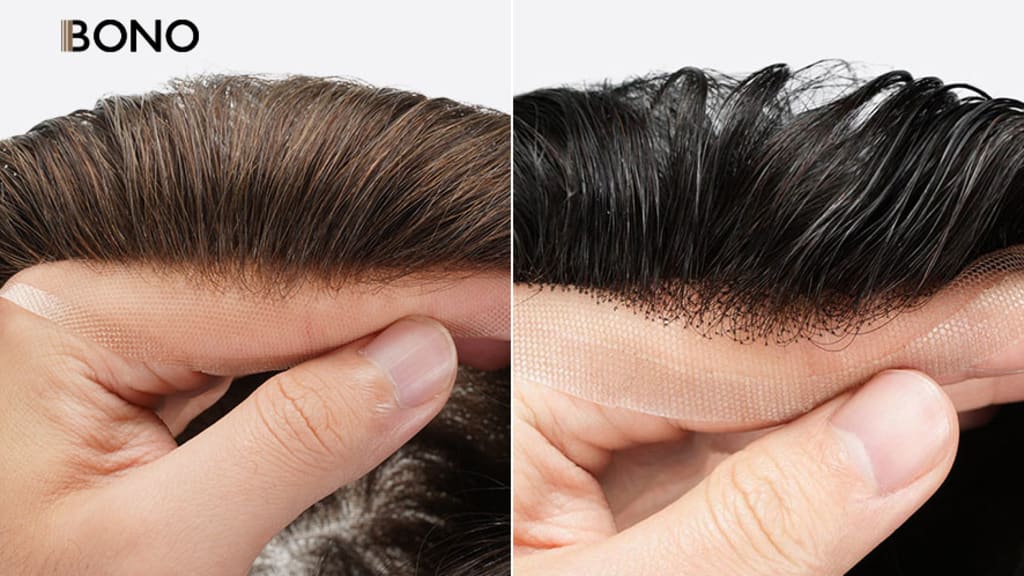
How should salons compare thin skin hair system vs lace hair systems on quality
Hair system quality goes way beyond just how long a unit holds up. When you're buying wholesale, the base material has to hit the mark on client comfort, breathability, and a natural look, all while meeting their lifespan expectations. Simple as that.
A thin skin base and a lace base cater to totally different needs. Bono Hair combines top-notch materials and solid craftsmanship with actual salon support and training. This helps your team pick out inventory using much clearer standards.
Key Takeaways
Ultra-thin skin suits short wear cycles where an invisible hairline matters most.
Lace systems suit active clients because mesh improves scalp airflow.
Use the five-metric audit to inspect roots, edges, porosity, adhesive behavior, repairability.
Reframing Quality: Why Longevity Does Not Equal Excellence for Salons
A hair system isn't better just because it lasts longer. Salon buyers need to match the base material to a client's wear schedule, comfort needs, and how realistic they want it to look.
Bono Hair backs up this choice with solid materials, careful craftsmanship, and salon training to help your team recommend the perfect system for every single client.
Defining Quality by Application Intent and Realism
When you're doing high-definition work, quality actually means a natural hairline and a believable scalp even up close. A hair system made for this might focus on a finer, barely-there base instead of trying to last forever.
The High-Definition vs. Long-Wear Trade-Off Matrix
A thin skin base creates a super discreet look, while a tougher base material might be better for clients who want extended wear. Neither option is automatically the best. Durability and longevity just need to fit the client's daily routine, comfort needs, and the exact finish they're going for.
The 5-Metric Salon Procurement Audit Framework
Buying decisions get much more consistent when every Thin Skin Base and Lace Base goes through the exact same five checks. Longevity alone can't show if a system fits your salon's service standards. Simple as that.
This audit framework splits root attachment and hairline concealment from breathability, adhesive behavior, and repair options. Use it to score supplier samples and build a repeatable wholesale buying standard.
Metric 1: Ventilation Technique and Root Attachment
Check roots under a bright light. Compare V-looping, single knots, and double knots to see how visible the attachment is and how securely it holds.
Log the results by Base Material.
Metric 2: Perimeter Edge Disguise and Hairline Graduation
Look at the front edge on a mannequin and while it moves. Scalloped edges and gradual Hair Density really help soften a noticeable Natural Hairline.
Jot down the Edge Thickness right next to your result.
Metric 3: Base Porosity and Scalp Hygiene Management
Sort each Base Material into porous mesh or nonporous Polyurethane (PU). This tells you where sweat can pass through and where cleaning access actually matters.
Match Breathability to each client's daily wear schedule.
Metric 4: Chemical Bond and Adhesive Compatibility
Test the suggested Adhesive/Tape Attachment options on sample bases. Liquid acrylics, hydrocolloids, and tapes can bond very differently to poly and mesh.
Track how it acts during removal for Maintenance & Cleaning.
Metric 5: Professional In-Salon Repairability and Restyling
Figure out which Hair System bases your techs can trim or fix right in the salon. A Lace Base might let you do manual knotting repairs if the construction allows it.
Always set your service limits before restyling.
Evaluating Thin Skin Hair Systems: Material Integrity and Thickness Spectrum
Polyurethane quality is about even thickness, clean edges, and secure hair attachment, not just micron size alone. A Thin Skin Base is nonporous. So, salons need to match its thickness to the client's daily routine and refit schedule.
Bono Hair's material quality, craftsmanship, and salon support help teams apply the exact same inspection standard across all wholesale samples.
Evaluating 0.03mm Ultra-Thin Skin: The Invisible 4-Week Option
You should plan a 0.03mm Thin Skin Base around a four-week wear cycle. Premium material lays flat, stays clear, and keeps the front edge looking totally natural.
Just reject any samples with cloudy PU, jagged edges, or loose hair. Simple.
Auditing 0.06mm to 0.08mm Poly Bases: Balancing Realism and Reusability
At 0.06mm to 0.08mm, Polyurethane (PU) needs to stay even around the edges. It should easily resist stretching during normal salon handling.
Make sure to compare edge thickness after you trim it. A smooth, consistent edge means cleaner reattachments and much better durability.
Assessing 0.10mm+ Medium Poly Systems: Focus on Structural Durability
Pick a 0.10mm+ Thin Skin Base for high-wear clients. They need a hair system that handles rougher wear and frequent salon trips.
Double-check that this thicker poly trims cleanly. It shouldn't split or leave a bulky edge.
V-Looping Quality vs. Injection and Knotting in Poly Bases
V-looped hair has to sit flat against the Polyurethane (PU). You don't want visible gaps, exposed loops, or loose roots that lead to shedding.
Injection needs to create a perfectly smooth surface. If there's knotting, always check for raised attachment points.
Detecting Poly Degradation, Yellowing, and Thickness Inconsistencies
Look at every Thin Skin Base under bright light before accepting a shipment. Yellowing, cloudy spots, sticky areas, bubbles, or uneven thickness usually point to bad PU molding.
Just run a fingertip right along the edge to catch any thin spots, rough patches, or weak sections. That's it.
Evaluating Lace Hair Systems: Mesh Craftsmanship and Knotting Execution
A lace base needs to feel soft, keep its shape when handled, and let the scalp breathe. Quality really just comes down to consistent mesh, tight knots, and an edge that can handle regular salon pulling.
Bono Hair pairs solid materials with salon support and training. This helps teams follow a simple, repeatable inspection standard before putting lace systems into their wholesale inventory.
Swiss Lace vs. French Lace: Auditing Denier, Softness, and Tensile Strength
Swiss lace isn't automatically better than French lace. Just check each base for an even mesh, a soft feel, and fibers that don't warp when you pull them slightly.
French lace usually feels a bit firmer, while Swiss lace is often softer and harder to spot. Pick the right one based on how much breathability your client needs and how rough they'll be with it.
Hand-Tied Knot Quality: Single Flat Knots vs. Double Knots
Single flat knots need to sit right up against the lace. This helps the hair system lay completely smooth in visible spots. Look for even spacing and roots that don't lift up.
Double knots give you a stronger hold in thicker areas. They should still look tidy, without bulky clusters that make the lace feel bumpy.
Bleached Knots Inspection: Invisible Roots vs. Chemical Degradation Risks
When knots are bleached right, they hide that dark dot effect at the hairline without leaving the roots pale and brittle. Always check the lace under bright, neutral light before accepting any shipment.
Gently comb through the treated spot. Lots of shedding, dry roots, or patchy lightening are big signs that the bleach damaged the knots.
Mesh Fraying Resistance and Perimeter Stitch Quality
A reinforced edge helps the lace base resist tearing when stylists pull, remove, and reattach the hair system. Make sure the stitching follows the edge perfectly without any skipped spots.
Lightly bend the edge and look for loose threads. A clean, strong border means smoother salon refits and cuts down on needless replacement requests.
Human Hair Cuticle Alignment on Mesh Bases
Aligned human hair should naturally fall in one direction from the mesh and comb out smoothly from root to tip. Run a wide-tooth comb through a few different areas, especially right down near the lace.
If the hair catches or mats up near the roots, the cuticles might be facing different directions. Checking this alignment before installing the piece helps salons style it easier and keeps clients happy.
Comfort, Breathability, and Scalp Physiology Comparisons
A Lace Base allows more airflow than a Thin Skin Base since its woven mesh has open spaces. Your base choice changes how heat, oil, and sweat act while wearing it.
For salons, matching the base material to a client's activity level and scalp sensitivity boosts comfort between refits. It helps drive consistent repeat business. Simple.
Thermal Regulation and Air Circulation Mechanics
Lace mesh lets air move right through the base, helping body heat escape the scalp. Plus, its open weave makes the scalp look much more natural.
A Thin Skin Base uses a solid polyurethane membrane. So, it traps heat closer to the skin and blocks direct airflow.
Sebum Accumulation and Microscopic Scalp Hygiene
Polyurethane can trap oil against the scalp since the surface isn't porous. Clients wearing a Thin Skin Base need thorough cleaning at every single removal.
A lace base gives oil and sweat more ways to escape the scalp. But the mesh still needs proper Maintenance & Cleaning.
Sweat Evaporation for Active and Hot-Climate Clients
For active clients, a Lace Base is usually the better choice. Sweat just passes through the mesh and evaporates faster.
A solid base can hold sweat right under the hair system. Always ask about the client's workout routine, local climate, and re-fit schedule before ordering the system.
Tactile Comfort and Base Weight Comparison
Both base materials feel perfectly comfortable when fitted right, but they definitely create different sensations. A Thin Skin Base feels like a smooth, continuous layer against the skin.
Lace feels lighter and less closed-off since air flows through the mesh. Bono Hair's material quality and salon training help teams figure out the best fit before putting it on.
Minimizing Contact Dermatitis and Scalp Sensitivity
Lace drops that enclosed feeling and cuts down rubbing for clients with sensitive scalps, especially in hot weather. Its Breathability also helps keep trapped moisture away.
Still, you need to check the whole service setup. Think about the adhesive, cleaning products, and wear time. A sensitive client might actually react to the products touching their skin, not just the Base Material.
Structural Durability, Lifespan, and Wear-Tear Dynamics
Looking at actual wear and tear gives salons a much better replacement forecast than just staring at a calendar. Thin Skin Base and Lace Base systems break down in completely different ways. So, make sure to check the base condition, how well the hair holds up, and the records from every single removal.
When planning wholesale orders, use what you see during services to figure out your reorder volumes. Bono Hair's material quality and salon training really help back up these consistent inspections.
Lifespan Expectancy Across Base Categories
There isn't a strict lifespan for every base category. Just keep track of the removal count, how the edges look, and any shedding. Simple as that.
A Thin Skin Base isn't automatically tougher than a Lace Base. Always base your forecasts on real salon service records.
Base Tearing Vulnerability During Removal and Maintenance
Take a close look at Thin Skin Base edges and any lifted spots. Pulling during removal puts a lot of force right in those areas.
Check the perimeters and mesh openings on a Lace Base. Tape or adhesive residue can easily get caught and snag the threads.
Shedding Mechanisms: V-Loop Pullout vs. Knot Unravelling
V-Loop hair can easily pull free from a Thin Skin Base if tension hits right at the anchor point.
Lace hair relies entirely on knots. Any extra stress can loosen them up, which means more shedding.
Base Distortion and Stretching Under Tension
Constant pulling can leave a Polyurethane (PU) membrane stretched out or misshapen, especially around the edges.
Lace grids can stretch out, too. Just check if the mesh actually snaps back to its original shape.
Resistance to Solvents, Adhesives, and Cleaning Agents
You need to follow supplier guidelines when using citrus removers and alcohol solvents. Repeated exposure can really mess with the system's condition and make adhesive cleanup a lot harder.
Always check the systems after servicing to spot any leftover residue, changes to the edges, or damage to the mesh and membrane. That's it.
Hairline Realism and Visual Disguise Comparison
Up-close realism comes down to the front perimeter, not the whole hair system. Things like edge thickness, scalp visibility, density shifts, and base flatness decide if a client's Natural Hairline holds up when people look closely.
Bono Hair's material quality, craftsmanship, and salon training make it easier to pick the right base and get a consistent fit. For wholesale buyers, nailing these visual details helps cut down on re-fits. Plus, it builds a repeatable standard for client consultations.
Frontal Edge Transition: Scalloped Poly vs. Feathered Lace
Scalloped poly breaks up a straight edge, while feathered lace uses a finer front that practically melts into the skin. Usually, lace gives you a much softer Natural Hairline.
Poly is better for defined edges. Simple.
Scalp Mimicry under Direct Light Exposure
Polyurethane (PU) can look shiny in direct sunlight, while lace might show off some mesh glare. Make sure to check both bases outside and under bright salon lights.
Always match the tone to keep the scalp hidden.
Hair Density Graduation Mechanics at the Front Perimeter
Graduated front density puts fewer hairs at the very front edge and builds up thickness behind it. This stops that solid, doll-like line from forming and keeps the Natural Hairline looking real.
Just match the surrounding density. That's it.
Return Hair Management and Base Flatness
Short return hair can lift right off the base, creating an unwanted ridge along the part. Good knotting techniques and controlling the return direction will keep the hair system much flatter.
Always check for flatness before installing.
Color Blending of Poly Membranes and Lace Meshes with Scalp Tones
Clear poly membranes need a very close scalp-tone match. But tinted lace meshes can actually soften the contrast across different skin tones. Just test both against the client's exposed scalp.
The base material definitely changes how the scalp looks.
Adhesive Compatibility and In-Salon Maintenance Workflows
The base material changes where technicians put the adhesive, how they clean up residue, and how smooth a re-bond appointment actually goes. Polyurethane (PU) features a completely sealed surface. Lace, on the other hand, is an open mesh that needs much closer adhesive control.
For salon owners, picking the right base helps create a reliable maintenance workflow. It stops base contamination and keeps the client's refit moving quickly.
Liquid Glue Application: Direct Poly Coating vs. Scalp-Only Bond for Lace
You can apply liquid glue right onto a solid PU perimeter, since its coating isn't porous.
But for lace, keep the glue on the scalp. This stops the adhesive from bleeding into the mesh openings.
Contour Tape Attachment and Clean Release Efficiency
Contour tape usually peels off a lot cleaner from smooth PU compared to porous lace.
PU gives your technicians a very clear tape line. Lace, though, can sometimes trap sticky residue right in the mesh.
Solvent Penetration and Adhesive Residue Removal Speed
Solvents hit the residue on a PU surface directly. That makes the whole cleanup process a lot more predictable.
Lace might hold onto that glue in the mesh. Because of this, soak times will vary depending on how old the bond is and what solvent you use.
Clean-Up Labor Time: Cost Analysis for Salon Operations
PU can really cut down on cleanup time since the adhesive stays on its sealed edges.
It's a good idea to track your re-bond minutes by base type, especially when lace cleanup takes a bit more care.
Chemical Resistance to Alcohol, Citrus, and Adhesive Solvents
Constant exposure to alcohol, citrus, or strong adhesive solvents can mess with the material's elasticity. How well it holds up really depends on the specific base formulation.
Always confirm your cleaner's compatibility with Bono Hair. Plus, make sure to test every single salon workflow before you make it your standard practice.
The Hybrid Alternative: Combining Lace Centers with Poly Perimeters
Hybrid Hair Systems mix a Lace Base center with a polyurethane edge. This gives salons airflow across the scalp and a sealed spot for attachment.
For wholesale stock, this Base Material helps match what clients need for comfort with easy, predictable tape removal. Bono Hair backs salons with solid craftsmanship, client support, and training for steady consultations and refits.
Structural Architecture of Hybrid Bases
A French lace panel makes up the center, while a polyurethane (PU) edge creates a separate zone for attachment around the outside.
This setup keeps the Lace Base right in the main coverage area and the PU along the working edge. Simple.
Best of Both Worlds: Breathability Center with Easy Tape Perimeter
The Lace Base lets air flow right through the center, keeping things breathable during everyday wear.
Techs can just place tape or adhesive right on the PU perimeter instead of sticking it directly to the mesh.
Custom Trimming Flexibility for Non-Standard Scalp Contours
A PU edge lets stylists trim the Hair System to match a client's exact thinning pattern. You won't have to cut into the lace center at all.
Just confirm the edge thickness before you approve the final contour.
Lifespan and Maintenance Profiles of Hybrid Construction
Hybrid durability lands somewhere between pure lace and skin units, but only after the supplier confirms the construction details and care needs.
PU really simplifies maintenance and cleaning. But the lace center still needs careful control to manage any residue.
Target Client Profiles for Hybrid Base Selection
Recommend hybrid units to clients who want a breathable Hair System, but still come back for regular, professional tape refits.
They're a great fit for salons looking for comfort-focused consultations and fast tape service.
Salon Quality Control Checklist: Pre-Application Inspection Protocols
Every new hair system needs a solid intake check before it hits your salon inventory or gets used in a client appointment. A quick visual and hands-on audit helps managers catch base flaws, wrong Hair Density, and weak knotting right away.
Just use an approved sample or supplier spec sheet to compare it against. Bono Hair's salon support and training can help your team apply these exact same standards across every single shipment.
Poly Base Flaw Detection: Air Bubbles, Pinholes, and Uneven Gauge
Hold each Polyurethane (PU) Thin Skin Base up to a strong light. You'll want to reject any units showing visible air bubbles, pinholes, or sections where the Edge Thickness just feels off.
Gently flex the PU around the perimeter. The base needs to lie completely flat without rippling, lifting, or showing thin, weak spots.
Lace Defect Inspection: Mesh Distortion, "Crunchy" Texture, and Softness Audit
Spread the Lace Base out flat and check the mesh for stretched spots, uneven openings, or warped edges. Distorted mesh can really mess with the fit and Breathability.
Run clean fingertips across the Base Material. New lace should feel soft and flexible. It shouldn't be stiff, crunchy, or brittle.
Hair Density and Direction Audit Across the Crown and Parting
Compare the Hair Density across the crown, parting, sides, and hairline against your approved specs. Look out for thin patches, heavy clusters, or weird, sudden density changes.
Make sure the Human Hair actually follows the intended direction. Bad ventilation makes a Hair System way harder to style into a natural-looking finish.
Root Bleach and Knot Integrity Stress Testing
Look closely at bleached knots under a bright light, especially near the Natural Hairline and parting. Root bleach shouldn't leave any visible discoloration or damage the Base Material.
Give it a light fingertip press and a gentle pass with a comb to check out the Knotting Technique. Stop right there if the hair pulls out easily during this check.
Shedding and Cuticle Alignment Mechanical Pull-Test
Comb small sections of Human Hair from the roots down to the ends using light, even pressure. If you see a lot of shedding during this first check, it probably means the knots aren't secure.
Feel the hair to make sure it's smooth in the same direction from root to tip. Any rough resistance usually points to bad cuticle alignment, which just makes Maintenance & Cleaning a headache.
Client Decision Framework: Matching Base Architecture to Lifestyle Needs
A Toupee for Men needs to fit the client's daily routine, styling habits, and maintenance tolerance—not just the look they want. Finding the right Hair System base material cuts down on re-fit headaches. Plus, it helps salons stock the right systems for specific client types.
Lean on your consultation notes, approved samples, and Bono Hair's salon support and training to build a recommendation process you can repeat every time.
The Active/Athletic Profile: Perspiration and Heat Optimization
Point your high-sweat clients toward a Lace Base. It lets way more air flow right across the scalp.
That extra breathability makes a lace Hair System much more comfortable during heavy training, outdoor jobs, and hot weather. Simple.
The Exposed Hairline Specialist: High-Definition Invisibility Demands
A Thin Skin Base is perfect for clients who want a tight, smooth front edge so they can slick their hair back.
Keep an eye on the hairline alignment during the fitting. Precise trimming and careful attachment really make or break that Natural Hairline look.
The Low-Maintenance Client: Fast Clean-Up and Easy Re-Bonding
Point clients who want easy Maintenance & Cleaning toward a poly-based Thin Skin Base.
The smooth surface speeds up Adhesive/Tape Attachment cleanup. It also makes home re-bonding a lot less stressful.
The Budget-Conscious Wearer: Maximizing Lifespan per Dollar
Focus on durable Base Material options for your long-term clients instead of just looking at the cheapest upfront price.
Ask your suppliers for consistent construction standards. Then, just track how each Hair System holds up across repeat appointments.
The Sensitive Scalp Profile: Hypoallergenic and Friction Reduction Needs
Pick a setup that cuts down on friction and boosts Breathability for clients who deal with scalp redness.
Test the fit and adhesive compatibility carefully. Also, make sure to check Scalp Visibility before you commit to the full attachment.
Procurement Strategy: Inventory Mix and Supplier Vetting for Salons
Your wholesale inventory needs to match the actual clients walking through your salon doors. Supplier approval? That should be based purely on proven consistency. A Hair System might fit perfectly on paper, but it'll cost you in expensive refits if the base construction changes from order to order.
Bono Hair offers the material quality, solid craftsmanship, and salon training you need to build a purchasing process you can repeat every time.
Calculating Ideal Stock Ratios for Poly, Lace, and Hybrid Systems
Don't lock in your ratios until you've looked closely at your consultations. Start out with a balanced test mix of Thin Skin Base, Lace Base, and hybrid Hair System units. Simple.
Base your reorders on real fittings and repeat requests, not just guesswork.
Red Flags in Wholesale Hair System Manufacturing
Drop any suppliers who can't give you documented Base Material specs or consistent Human Hair samples. Vague lead times and constantly changing sales contacts are huge red flags.
Always order a small batch of Hair System units first and inspect every single one. No exceptions.
Auditing Batch-to-Batch Consistency in Mass Orders
Before you sign off on a massive order, compare your new Hair System units against your approved samples. Take a close look at the Polyurethane (PU) edges, Base Material thickness, and the direction of the hair.
Keep track of defects by batch. And always demand corrections before you place another order.
Evaluating Custom Order Capabilities vs. Stock Units
Keep the most common Base Material profiles on hand for your regular refits. But for those recurring odd sizes or unique Hair Density needs, go with custom Hair System orders.
Always nail down sample approvals and production timelines before you commit.
Managing Return Policies and Warranty Claims for Defective Units
Get on the same page about what counts as a defect, photo rules, claim deadlines, and fixes before you place an order. Make sure you cover Hair System faults in both the Base Material and Polyurethane (PU).
Log all your claims by shipment and hold onto the supplier's responses. That's it.
Partnering with Bono Hair for Wholesale Excellence and Training
Bono Hair backs salons needing consistent Hair System quality instead of retail consumer sales. They focus on reliable Base Material choices, stretching from a snug Thin Skin Base to a breathable Lace Base, all backed by professional support.
For salon teams, material consistency and hands-on training cut down on fitting errors. It also makes buying much easier to manage across your repeat orders.
Factory-Direct Precision: Micron-Graded Poly and Certified Swiss Lace
Bono Hair's Polyurethane (PU) and certified Swiss lace options give salons clear Base Material categories to look over before placing an order. You can easily inspect approved samples for consistent Thin Skin Base thickness, secure knots, hair direction, and edge finish.
Just match the base to what your client needs. Think thin skin for a close, hidden perimeter, or lace for better airflow and a lighter feel.
Dedicated Salon Training and Professional Procurement Support
Bono Hair hands salon partners swatch sample kits so teams can compare Hair System base options right during client consultations. These samples help stylists explain the exact feel and look of a Lace Base compared to other Base Material choices.
Plus, technical support helps purchasing teams document approved specs, train staff on picking materials, and keep reorders perfectly aligned with successful client fittings. Simple as that.
Frequently Asked Questions About Salon Base Comparison
How long does a high quality hair system last?
A 0.03mm thin-skin system is built around a four-week wear cycle. Choose 0.10mm+ for tougher, higher-wear clients; inspect the base and hair retention at every removal.
What is the difference between a lace front and a thin skin hairline?
Lace breathes and gives a softer, feathered hairline. Thin skin is nonporous but lays flat, creating a tight, smooth edge for slicked-back styles.
What are the pros and cons of wearing a hair system?
Natural coverage, immediate styling options. The trade-off: regular attachment, cleaning, refits, and eventual replacement. Lace handles sweat better; thin skin makes cleanup and a flat front easier.
How do you make a hair system hairline look natural?
Use gradual density, correct hair direction, and precise trimming. Scalloped poly breaks up a hard line; fine lace melts into skin. Bad attachment ruins even premium hair.
About the Creator
Leo
Passionate men's hairstylist with a keen eye for detail and a knack for creating on-trend looks. Dedicated to delivering hair restoration education that enhances individual style.
Enjoyed the story? Support the Creator.
Subscribe for free to receive all their stories in your feed.
Comments
There are no comments for this story
Be the first to respond and start the conversation.