
How should hair extension salons compare genius weft hair extensions vs hand tied weft hair extensions on quality
Genius Weft vs Hand Tied Weft: 2026 Salon Quality Guide

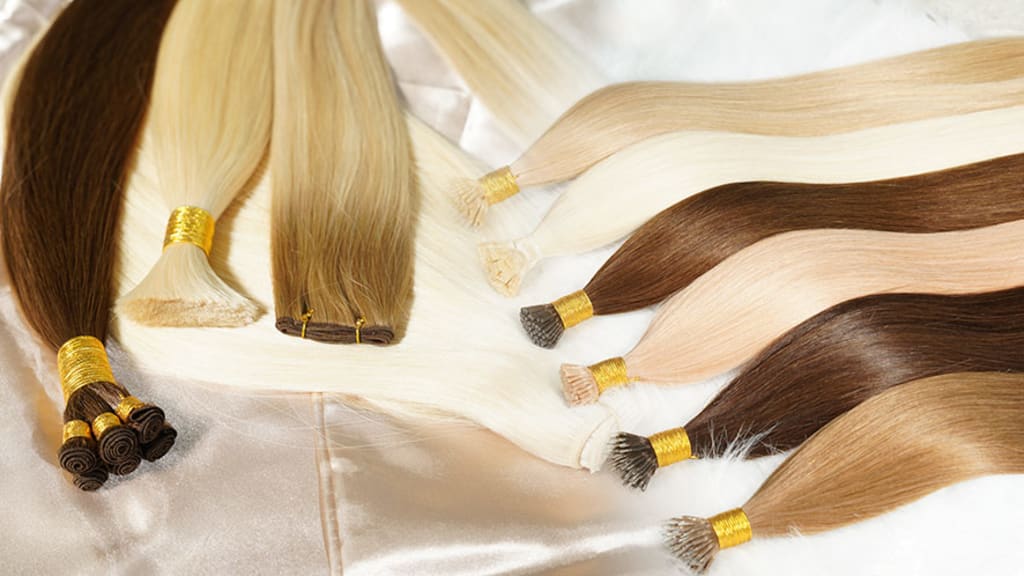
How should hair extension salons compare genius weft hair extensions vs hand tied weft hair extensions on quality
Hair extension salon teams need to know exactly how Genius Wefts and Hand-Tied Wefts differ before recommending either one. Genius Wefts give you a perfectly seamless finish. But Hand-Tied Wefts? Clients usually pick those when they want a light, flexible feel. Bono Hair helps salons easily compare comfort, natural looks, and customization options to boost client retention and get those repeat bookings.
Key Takeaways
Genius Wefts offer smoother wear for clients with sensitive scalps.
Fine hair benefits from the low-profile Genius Weft track.
Hand-Tied Wefts require folding during fitting; never cut their bound seams.
Understanding Weft Extension Construction: Genius Weft vs Hand-Tied Weft
Construction sets the profile of every weft track. A Hand-Tied Weft is built by hand. But a Genius Weft uses exact machine processing to create a super slim track.
For salons comparing Human Remy Hair extensions, this difference changes how flat the weft can sit and how natural the finished rows look. It also gives teams a clear quality checkpoint when checking out Bono Hair or any other supplier. Simple.
Traditional Hand-Tied Weft Mechanics
Hand-Tied Weft extensions are made by manually tying and sewing hair strands right into a narrow band. The handwork creates a light, flexible track. But the knots and folded material at the seam give the band a clear edge.
That seam thickness is part of the build, not a defect. A well-made Hand-Tied Weft keeps the stitching perfectly even across the track, helping the row lie flatter and keep a natural look. Salon teams should inspect the seam for steady density and a clean finish when checking batch quality.
The Evolution of the Genius Weft Track
A Genius Weft uses a Machine Weft process that secures hair along a thin, reinforced track instead of forming the band totally by hand. Exact processing can keep the seam really narrow while making a uniform edge from one end of the weft to the other.
The goal is hand-tied-like thinness with machine-made consistency. A refined Genius Weft track can support a flatter, less noticeable finish, which helps salons deliver repeatable visual results. When buying, compare the track's width, edge smoothness, and consistency across each bundle instead of just trusting the label alone. That's it.
Comparing Seamlessness and Visual Invisibility at the Track
Genius Wefts usually create a slimmer, more uniform track. Hand-Tied Wefts, on the other hand, have a slightly more defined seam because of how they're tied. For salons, this difference really changes how discreet a row looks on fine hair and how comfortably it wears.
Bono Hair buyers should always check both the seam and the hair's Weight & Density before picking a method for a client's final look.
Seam Thickness and Track Profile
Genius Wefts usually have the lower-profile seam. Their machine-made build creates a narrow, even edge that sits perfectly close to the scalp. This makes the track much harder to spot through ultra-fine natural hair.
Hand-Tied Wefts are also light and flexible. But the tied knots and folded seam can create a bit more visible texture along the row. That doesn't mean you can't use them on fine hair. It just means stylists need to check placement carefully, especially near part lines.
If you want a natural finish with European Hair, inspect each weft under real salon lighting. A consistent seam thickness helps your team deliver the same great results every time. Plus, it cuts down on clients worrying about visible tracks.
Weight Distribution Across the Foundation Row
Weight needs to spread evenly across every bead and the entire foundation row. Genius Wefts use a uniform track. This helps stylists place the weft consistently and avoids clumping too much bulk in one spot.
Hand-Tied Wefts are still a great light option, but their seam has a bit more variation because they're hand-tied. Technicians should match the row length and the weft's Weight & Density to the client's natural hair. That way, the beads don't carry uneven tension.
Human Remy Hair quality is a big deal here, too. Consistent hair density just makes planning out each row so much easier. For Bono Hair salon orders, take a second to review track consistency and density across the bundle before building a service around it.
Assessing Scalp Comfort and Wearability for Clients
For clients with sensitive scalps, Genius Wefts are usually the more comfortable choice for long-term wear since they don't have return hair at the seam.
Comfort also impacts your salon's ROI. Fewer complaints about irritation lead to smoother check-ins, better client retention, and much more consistent rebooking for Bono Hair extension services.
The Return Hair Effect: Causes of Root Irritation
Hand-Tied Wefts can have return hair, often called a "mustache," where short pieces fold back near the seam during manufacturing. This helps secure the weft. But those short ends can point right toward the scalp or get caught in the client's natural roots.
For anyone with a sensitive scalp, that return hair can feel a lot more noticeable as the row settles over a few weeks. It might also tangle with naturally shed hairs near the base, which makes brushing and daily maintenance a bit of a pain. During the consultation, stylists should always ask about past itching, tenderness, and general sensitivity before picking Hand-Tied Wefts.
Zero Return Hair: How Genius Wefts Improve Comfort
A Genius Weft doesn't have any return hair along its seam. So, you won't find short folded ends pressing into the scalp or grabbing at the roots. Simple. This cleaner build makes the row feel way smoother for clients who complain about bulky, uncomfortable seams.
Skipping the return hair can also lower the chances of root-level tangling right around the extension row. It doesn't replace proper installation or good at-home care, but it gives stylists a much more comfortable starting point for sensitive clients. Bono Hair salons can use this key difference to pair Genius Wefts with people who need a low-profile, easy-to-wear extension service.
Customization and Handling: Cutting vs Folding Wefts
Customizing extensions to fit a client's head shape really impacts how fast a stylist can build a clean, low-profile row. Hand-Tied Wefts just don't handle the same way Genius Wefts do. This changes the installation steps and how the finish looks at every track edge.
For salon teams, knowing exactly how to handle these materials keeps the look seamless and natural. Plus, it protects your appointment times and keeps services consistent.
Tailoring Hand-Tied Wefts via Folding
You have to fold Hand-Tied Weft tracks to shorten a row. Why? Because cutting the track ruins the bound edge and causes major shedding. The stylist just measures the length they need, folds the extra back, and secures that folded part during the install.
But that fold doubles the track right at the edge. On narrow sections or flatter head shapes, this extra bulk makes the edge stand out a bit more, so you have to be careful with placement. Always plan for that folded end when mapping your rows, since it won't lay as flat as the rest of the weft.
Precision Cutting with Genius Wefts
Genius Wefts can be snipped exactly where you need them along the track. This gives stylists way more control when shaping rows around curves or tiny areas. A quick, clean cut ends the track right where you want it—no need to fold extra material back on itself.
This kind of flexibility creates a flatter, much more natural-looking edge. It also makes installation a lot easier across different head shapes. The seam stays perfectly intact after you trim it, which really helps keep shedding under control. For Bono Hair salon teams, this makes the whole customization process easier to repeat and cuts down the time spent hiding bulky track ends.
Long-Term Durability and Reapplication Longevity
Neither weft type promises the exact same lifespan after every move-up. Durability and longevity really come down to seam construction, the quality of the Human Remy Hair, and how carefully you remove and re-stitch each row.
For salons, reliable retention means fewer complaints and much more consistent results for your regulars. Simple.
Structural Integrity Through Repeated Move-Ups
Hand-Tied Wefts feature a bound seam that should stay completely intact during removal and reinstallation. Because the track gets folded instead of cut to fit a row, stylists need to check those folded ends at every move-up. Look out for loose stitching or hair slipping out.
Genius Wefts can be cut right to the row's length, but you'll want to inspect every single cut edge before re-stitching. Constant washing, heat styling, and the pulling during removal can easily expose weak seams in either format.
Sure, Human Remy Hair quality matters for the final look, but it doesn't make up for a weak weft seam. Ask your suppliers for samples. Then, test hair retention through your salon's usual washing, styling, and move-up routines before you commit to a big order.
Shedding Resistance at Cut and Fold Points
Genius Wefts often offer better shedding control at a clean cut point, provided the seam stays sealed after trimming. Even so, stylists should check every corner before installing them, especially in spots where thread tension builds up during a move-up.
Don't ever cut Hand-Tied Wefts. Snapping that bound edge can release hair right off the track. Folding keeps the original seam safe, though you need to anchor that folded section securely so it doesn't loosen up after a few appointments.
For Bono Hair salon teams, keeping an eye on shedding at row ends and folded corners helps figure out if the problem is coming from the weft itself, the removal method, or just too much re-stitching tension.
Client Decision Framework: Matching Weft Type to Hair Profile
Picking the right weft starts with the client's natural hair density, scalp condition, and how much added hair their roots can comfortably hold.
Neither Genius Weft nor Hand-Tied Weft is automatically perfect for everyone. A solid consultation process helps Bono Hair salon teams create seamless, natural-looking installs. It also cuts down on refits caused by discomfort or visible rows.
Selecting Wefts for Fine or Thinning Hair
For thin hair, the safer bet is the weft that creates the least visible bulk. At the same time, keep Weight & Density within what the client's natural hair can actually handle. Make sure to compare real samples from both options before booking the install. Seam thickness can really change how easily a row shows through low-density hair.
Scalp Sensitivity matters just as much. Check for tender areas, thinning at the hairline, and fragile roots before deciding on a placement plan. Use fewer, lighter rows when needed. And don't add density just to force a fuller look.
A natural finish protects salon ROI. Clients are much more likely to come back when their extensions feel comfortable and blend without obvious seams. Simple as that.
Selecting Wefts for Coarse, Dense, or High-Volume Hair
Coarse or dense hair can usually hide more added Weight & Density. So, the choice usually comes down to the client's target volume and the row width needed for a smooth blend. Genius Weft might fit rows that need customized widths. Hand-Tied Weft can work well when its seam and folded ends sit flat right inside the planned placement.
Always match the added hair to the client's existing fullness instead of just putting the same amount in every row. Dense hair needs enough extension density to avoid a stringy, thin-looking contrast through the mids and ends.
Check the finished rows from a few different angles before the client walks out the door. A balanced, seamless result brings people back for repeat services and helps Bono Hair salons build real trust through consistent transformations.
Business Economics: Installation Speed and Stock Efficiency
How fast you install extensions and how you manage stock actually hit your profit harder than a tiny difference in upfront costs. If you run a hair extension salon, you should pick between Genius Weft and Hand-Tied Weft based on the exact workflow your team can easily repeat.
Genius Weft is great for appointments that need on-the-spot tweaking. On the flip side, Hand-Tied Weft works best if your salon prefers pre-planned rows. Try out both methods during staff training, then just stock what your team uses the most. Quality extensions from Bono Hair will give you consistent, seamless results, keep clients comfortable, and cut down on extra fix-it appointments.
Streamlining Salon Inventory with Cuttable Tracks
Cuttable Genius Wefts make managing a hair extension salon's inventory much simpler. You can just trim a single track to fit each specific appointment. Instead of hoarding a bunch of pre-sized hand-tied bundles, your team gets to work from a much tighter selection of tracks.
This keeps everything totally customizable, but you aren't tying up your cash in weird, less-used sizes. Plus, having fewer bundle variations makes counting, reordering, and training your staff a breeze. For salons using Bono Hair, that translates to a highly repeatable workflow and a lot less unused extension inventory sitting around collecting dust.
Reducing Application Time for Faster Chair Turnaround
When a weft doesn't need folding or layering, stylists can just cut it to the right width and install it with way fewer steps. This keeps appointments moving. Plus, it still gives you the exact customization needed for every client's unique head shape and hair density.
A quicker install time means salons can book more services without ever rushing through consultations or placement. For Bono Hair partners, this bumps up ROI by creating a smooth, repeatable workflow. Clients win too. They get a flatter, much more comfortable result that actually lasts.
Quality Control Criteria for Evaluating Wholesale Suppliers
Salon owners shouldn't approve wholesale extensions until they check a physical sample. Photos just don't cut it. A solid supplier will show consistent weft thickness, secure stitching, clean track edges, and barely any loose strands across several bundles.
Hair integrity needs its own check, too. Make sure the Human Remy Hair actually has aligned cuticles. And the supplier needs to clearly state if their European Hair is genuinely sourced or just styled to look that way. Keep track of any tangling, shedding, color consistency, and how well it holds up in the wash for each batch before you place repeat orders.
Vetting Cuticle Alignment and Hair Sourcing
No salon can actually prove they have 100% Human Remy Hair just by reading a label or doing a quick visual check. The real standard here is getting documented sourcing and inspecting things batch by batch. Don't just trust a supplier's marketing pitch.
Make sure you ask for written records showing where the hair came from, how it was collected, the processing details, and batch IDs. Look at the strands under a magnifying glass. If the cuticle scales are intact and all point the exact same way, that backs up a Remy claim. But if you spot reversed or stripped cuticles, that's a big red flag. When dealing with European Hair, demand a clear statement about its source instead of just settling for a vague "European-style" description. Always keep samples and supplier records for every single batch you approve.
Identifying Red Flags in Track Bonding and Seam Flexibility
Reject a weft right away if its track feels stiff, bumpy, or badly finished. A hard polyurethane bond won't bend to the natural curve of the head. Plus, excess Seam Thickness just makes the weft more visible and way less comfortable for your clients.
Check the stitching along the entire track. Loose, skipped, or fraying threads let hairs slip out, which causes Shedding during handling and everyday wear. Always check a few pieces from the same batch. Consistent, flexible seams are exactly what protect the flawless result your salon relies on. Simple.
Enhancing Salon ROI with Bono Hair Quality Extensions
High-quality extensions are a great way to protect a salon's profit margin. They help you deliver results your clients actually want to wear again. Bono Hair's Genius Weft and Hand-Tied Weft options give your stylists a solid starting point. They make it easy to guide consultations toward a seamless, natural-looking finish that's comfortable to wear.
If clients walk out the door with extensions that sit right and blend perfectly, they're way more likely to come back for maintenance and future installs. Simple. For salon managers, having that consistent quality also helps your team deliver repeatable services without constantly having to make annoying adjustments. Just make sure to check every shipment before you book your clients. Then, you can easily match the right weft to the client's hair type, placement plan, and personal comfort needs.
Frequently Asked Questions
Which brand of genius weft hair extensions is considered the best?
No single winner. Bono Hair is worth sampling; inspect seam consistency, shedding, and real-wash performance.
Which brand of weft hair extensions is considered the best?
The best is the one with strong seams and consistent Remy hair—not the loudest label.
Which extensions are the worst for your hair?
Poorly installed, overly heavy extensions. Damage comes from tension, not the weft name.
What are people saying about Genius Weft hair extensions?
Mostly: flatter, smoother, and more comfortable. Especially for sensitive scalps.
What are the highest-rated genius weft extensions for professional use?
Professional ratings mean little without salon testing. Test samples through washing, heat styling, and move-ups.
How do I choose a high-quality genius weft supplier?
Check track width, edge smoothness, uniformity, and hair retention. Demand samples.
What is the best type of hair weft for thin hair?
Genius Weft. Its low-profile track sits flatter and hides better in fine hair.
Which weft extension method lasts the longest?
Neither automatically wins. Seam construction, hair quality, and careful removal decide longevity.
About the Creator
Leo
Passionate men's hairstylist with a keen eye for detail and a knack for creating on-trend looks. Dedicated to delivering hair restoration education that enhances individual style.
Enjoyed the story? Support the Creator.
Subscribe for free to receive all their stories in your feed.
Comments
There are no comments for this story
Be the first to respond and start the conversation.