
How often should an HRC recommend replacing a hair system
HRC Guide: Hair System Replacement Cycles in 2026

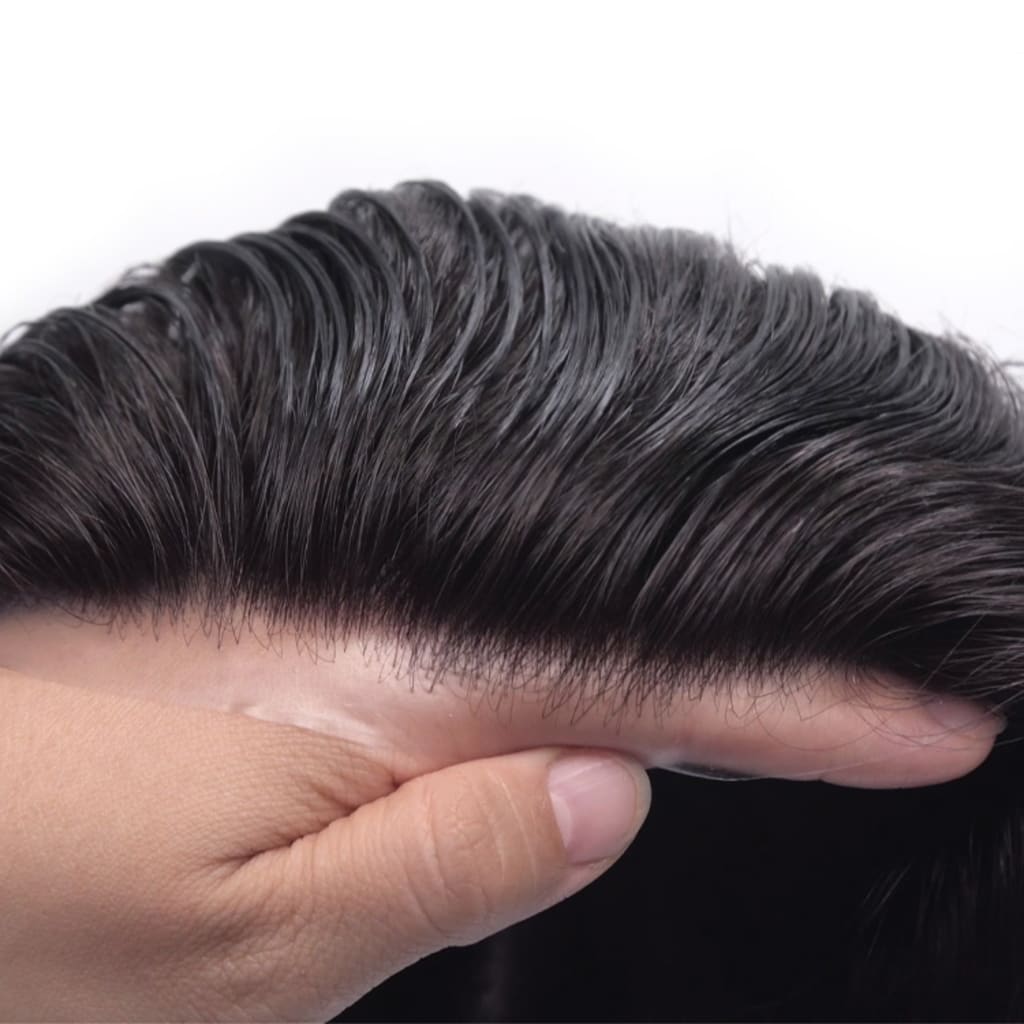
How often should an HRC recommend replacing a hair system
A clear replacement cycle keeps the scalp comfortable and makes sure every hair system looks totally fresh. When setting client timelines, hair replacement centers should really look at a person's lifestyle, local climate, daily wear, and regular care habits.
Newtimes Hair backs up HRCs with solid partnership guidance. This helps centers set real-world review standards and keep client care consistent across the board.
Key Takeaways
Replacement plans should reflect base material plus each client's wear patterns.
Regular service inspections identify lifting, shedding, or base damage before discomfort develops.
Replace systems when fit fails or appearance no longer meets standards.
Establishing Professional Hair System Replacement Standards for Your Center
A Hair Replacement Center should talk about replacement timing right at the first consultation, not after a unit starts looking worn out. Having a proactive plan helps Hair Professionals match each client's replacement cycle to their daily activity, climate, maintenance habits, and how often they actually wear the system.
Clear standards also make service more consistent across your center and build stronger long-term client relationships. Simple as that.
Protecting Client Scalp Health and Hygiene
Scheduled replacements help maintain Hygiene & Scalp Health by keeping old hair systems from staying in service way past their prime. Over time, normal Wear and Tear just makes a unit harder to keep clean and comfortable. This is especially true for clients who work out a lot, live in humid climates, or wear their system every single day.
Hair Professionals can check on the system during regular appointments and suggest a replacement before comfort or cleanliness becomes an issue. This gives clients a solid care routine instead of waiting around for visible problems to pop up.
Maintaining Consistent Aesthetic Quality and Natural Appearance
Swapping out a hair system at the right time protects that natural look clients expect. Hair Shedding, fading, and texture changes can happen slowly. Because of this, clients might not even notice the difference until the system doesn't blend well with their own hair anymore.
A planned replacement cycle lets the Hair Replacement Center step in before worn patches get noticed. Newtimes Hair can help centers as they build practical review standards around client lifestyle, maintenance routines, and System Longevity.
Setting Clear Expectations During the Initial Consultation
That very first consultation needs to make it clear that hair systems require ongoing professional care and eventual replacement. Make sure to explain that a Maintenance Schedule might change based on climate, active routines, daily wear, and how well the client follows the center's care advice.
When Hair Professionals talk about the Replacement Cycle early on, clients know exactly what to expect from day one. That kind of clarity builds trust, encourages regular appointments, and helps your center deliver a much more predictable level of service.
Recommended Replacement Frequency by Base Material
Base material sets the starting point for a replacement plan. But let's be real—no single schedule fits every client. Daily wear, exercise, humidity, cleaning habits, and even how often they show up for appointments all impact how long a system lasts.
Hair Replacement Centers need to check each unit during service visits. If visible wear or comfort needs change, adjust the timing. Simple. Newtimes Hair can help centers pick a base that perfectly fits each client's daily routine.
Ultra-Thin Skin Systems: Delicate Base Guidelines
Ultra-thin skin systems are great for clients who want a low-profile, highly natural look and actually stick to a consistent professional care plan. The delicate base needs a closer look, though. Frequent daily wear, heat, sweat, and regular cleaning really speed up the wear and tear.
Always set replacement expectations right during the consultation. Then, check the unit again at every service appointment. A Hair Replacement Center should suggest a new unit based on the base's condition, how well it holds hair, and the client's actual maintenance habits.
Swiss and French Lace Systems: Breathable Mesh Timelines
Swiss and French lace systems offer a great balance of breathable mesh and a natural look. Still, their replacement timing has to reflect how the client actually wears and maintains it. People with active lifestyles or those living in humid climates might need more frequent checks compared to occasional wearers.
Make sure to check the lace base, hair density, and overall look at scheduled visits. This helps an HRC protect the system's longevity without promising a fixed lifespan that doesn't match the client's actual lifestyle.
Monofilament Systems: Durable Long-Term Solutions
Monofilament systems are a smart choice if a client needs a tougher base material and a longer replacement cycle. Even then, daily use, climate exposure, and the quality of professional maintenance still dictate how long the unit stays in good shape.
Set up a review schedule instead of giving every monofilament unit the exact same replacement date. Newtimes Hair can help Hair Replacement Centers match that replacement cycle to real client wear patterns and maintenance expectations.
Hybrid Base Designs: Balancing Longevity and Realism
Hybrid units mix a lace front with a poly perimeter, so your replacement planning needs to account for both areas. The lace front might show wear completely differently from the perimeter. This is especially true for clients who wear their system daily or live in warm, sticky climates.
Check each section during routine appointments. Just replace the hybrid unit when its looks, comfort, or overall performance no longer meet your center's standards. This kind of maintenance schedule gives clients clear expectations while keeping your service consistent.
Key Lifestyle and Environmental Factors Influencing Unit Lifespan
A hair system's lifespan depends on how a client actually lives in it, not just the base material. Sweat, sunlight, water, and nightly friction all speed up wear and tear.
Hair Replacement Centers should chat about these habits during consults and check the unit during service visits. Newtimes Hair can help centers line up unit choices and replacement plans with each client's daily routine.
Physical Activity Level and Sweat Production
Regular workouts and heavy sweating can break down the adhesive bond over time. Sweat also leaves moisture and buildup near the base, which might make the unit lift early or need professional servicing more often.
Plus, high activity levels can create more wear on delicate parts of the base. Just ask clients how often they work out and how much they sweat. Then, keep an eye on bond performance and base condition at every appointment.
Sun Exposure, UV Radiation, and Hair Oxidation
Being out in the sun a lot causes oxidation. This slowly shifts the hair color and strips away its original richness. Darker shades might look warmer or lighter, while lighter shades can lose their exact tone.
A color change doesn't automatically mean you need a new unit. But replacing it makes sense once the oxidized hair stops matching the client's natural hair, their desired look, or your center's quality standards.
Water Quality, Swimming, and Chemical Exposure
Chlorine, salt water, and mineral-heavy shower water can cut system longevity short. They dry out the hair and leave residue on the base. Hitting the water over and over also messes with how well the adhesive holds between salon visits.
Find out if clients swim often or live in a hard-water area. Knowing this helps Hair Replacement Centers set realistic expectations for maintenance and replacements, rather than forcing the exact same schedule on everyone.
Sleeping Habits and Friction Breakdown
Nightly friction slowly wears down the base and causes more hair shedding, especially right where it rubs against the pillow. Clients who toss and turn a lot usually show early thinning or edge wear compared to deep sleepers.
Look out for loose hairs, dropping density, and stressed base spots during their appointments. When shedding or friction damage starts ruining the coverage, comfort, or overall look, having a solid replacement plan protects the client's end result.
Professional In-Studio Maintenance and Replacement Cycles
Professional servicing helps clients get the most out of a hair system. A regular Maintenance Schedule lets the center spot lifting, residue, and stressed edges way before they mess up the fit or look.
Timing these services should really depend on lifestyle, climate, swimming habits, sweat, and the Bonding Method rather than a strict calendar. Newtimes Hair can help HRCs set practical replacement goals based on how each client actually wears their piece.
Re-bonding Cadence and Base Integrity
Re-bonding the perimeter protects the base, as long as you do it before Adhesive Breakdown causes repeated lifting or pulling at the edges. Waiting until a bond is totally ruined can put extra stress on the base when you try to remove it. Simple as that.
The right timing is completely individual. Active people, heavy swimmers, and clients living in hot or humid weather might need more frequent checks. At every service appointment, just inspect the perimeter for stretching, thinning, or damage, and adjust the Maintenance Schedule from there.
Proper Cleaning and De-tackifying Techniques
Careful cleaning stops residue from piling up on the base and hair, while proper de-tackifying cuts down on unnecessary pulling during a service. Rough scraping or rushing through removal can really stress out delicate spots and cut the unit's lifespan short.
Centers should use every appointment to clean the unit thoroughly, check the fit, and go over Hygiene & Scalp Health. Handling everything cleanly also makes sure the new bond sticks reliably, so clients walk out the door feeling secure and comfortable.
The HRC Assessment Checklist: Identifying System Fatigue
A hair system needs replacing when the base can't hold a secure fit anymore, or the hair stops looking natural. Regular checks help HRCs catch this wear before a client walks out with a compromised unit.
Lifestyle, climate, swimming, sweat, and daily habits can all speed up system fatigue. Newtimes Hair can back up HRCs as they plan the right replacement options for every client.
Irreversible Base Thinning and Excessive Hair Loss
Hair shedding turns into a real issue when thinning exposes the base, creates patchy density, or leaves the hairline looking sparse. A few loose hairs during a service? That's just normal wear and tear. But broad shedding across the top, crown, or edges is a completely different story.
Re-knotting or filling might not make sense if the leftover base is too thin to hold new hair securely. HRCs need to replace the unit when hair loss messes with the overall coverage, attachment grip, or natural look.
Structural Base Tearing and Material Stretched Deformation
A torn or stretched base simply can't hold its original shape against the scalp. Check the lace edges, attachment spots, and poly sections for splits, curling, lifting, or spots that stay distorted even after a good cleaning.
You can usually manage minor damage if the surrounding base stays strong and the fit is still stable. But replacing it is the safer bet when wear and tear hits multiple areas, changes how the unit fits, or risks more tearing during removal and re-bonding.
Severe Color Fading and Hair Texture Degradation
Oxidation can leave the hair color too warm, faded, or uneven, meaning it no longer matches the client's natural hair. If color correction can't bring back a believable blend, the system has reached the end of its lifespan.
Texture matters just as much. Constant matting, dryness, and rough hair that doesn't get better after professional care makes styling tough and cuts down on system longevity. Swapping it out gives the client a smoother, much more consistent result.
Communication Strategies for Recommending Unit Replacement
A replacement recommendation works best when it starts with visible system wear, not a sales goal. Clients easily get why a unit needs attention when an HRC points out changes in fit, coverage, texture, or color.
The Replacement Cycle varies based on lifestyle, climate, swimming, sweat, and maintenance habits. Clear, honest communication helps the Hair Professional or Stylist protect trust, while Newtimes Hair supports consistent client results.
Shifting the Focus to Hygiene, Freshness, and Confidence
Frame replacement as part of regular grooming care, just like maintaining a haircut or color. Explain how a fresh unit supports Hygiene & Scalp Health, a secure fit, and a look the client actually feels good wearing.
Use the client's service history to make the Replacement Cycle feel expected instead of sudden. A calm conversation about current wear and care habits keeps the focus on comfort, cleanliness, and confidence. Simple.
Educating Clients on the "Two-System Rotation" Method
A two-system rotation gives clients one unit to wear while the other gets cleaned, serviced, and rested. This approach reduces daily strain on both units and makes the Maintenance Schedule much easier to follow.
For the HRC studio, rotation clients create fewer last-minute service needs. Appointments can focus on planned cleaning, styling, and fit checks. That supports a steadier Replacement Cycle and a smoother overall client experience.
Repair vs. Replace: Guiding the Client's Decision
Replacement is the right call when wear hurts the unit's fit, coverage, hairline, or ability to hold securely. At a Hair Replacement Center, show the client the affected areas so your recommendation is based on what they can actually see.
Repair might make sense when damage is limited and the rest of the unit stays stable. But when thinning, stretching, fading, or shedding hits several areas, replacing the unit is a much better way to support System Longevity and get a polished result.
Streamlining Inventory and Partnering with Newtimes Hair
A Hair Replacement Center can plan inventory a lot more reliably when replacement needs are tracked right before a unit shows visible wear. Things like client lifestyle, climate, sweat, swimming, and daily maintenance habits all impact the Replacement Cycle. So, a single replacement timeline simply won't work for every client.
Newtimes Hair can support HRCs by helping them line up unit ordering with actual client service records and expected wear patterns. This gives the center plenty of time to prep the right replacements instead of scrambling for an urgent appointment. Simple.
Using Client Records to Plan Reorders
Just record each client's fitting date, maintenance visits, and signs of wear—like fading, thinning, or a looser fit. These notes help your staff spot repeat patterns and place orders early enough to keep every appointment on track.
A planned reorder also supports two-system rotation clients. The Hair Replacement Center can keep its service totally focused on fit, grooming, and consistent results rather than making stressed, last-minute replacement decisions. That's a big win.
Frequently Asked Questions About Hair System Replacement Cycles
How often should a hair system be replaced?
No fixed date. Replace it when base wear, shedding, fit, or appearance slips.
How long does a non-surgical hair replacement last?
It varies. Base material, daily wear, climate, and care habits decide it.
What are the signs that a hair system needs to be replaced?
Lifting, shedding, fading, stressed edges, poor fit, or weak blending.
How often do you need to visit a hair replacement center for maintenance?
Regularly. Service visits catch residue, lifting, and damage early.
Can you sleep in a hair system?
Yes. Daily wear still increases strain, so maintenance matters.
About the Creator
Leo
Passionate men's hairstylist with a keen eye for detail and a knack for creating on-trend looks. Dedicated to delivering hair restoration education that enhances individual style.
Enjoyed the story? Support the Creator.
Subscribe for free to receive all their stories in your feed.
Comments
There are no comments for this story
Be the first to respond and start the conversation.