
How long does a hair system last? A Base Material Comparison Guide for Salons
Hair System Lifespan: Base Material Guide for Salons

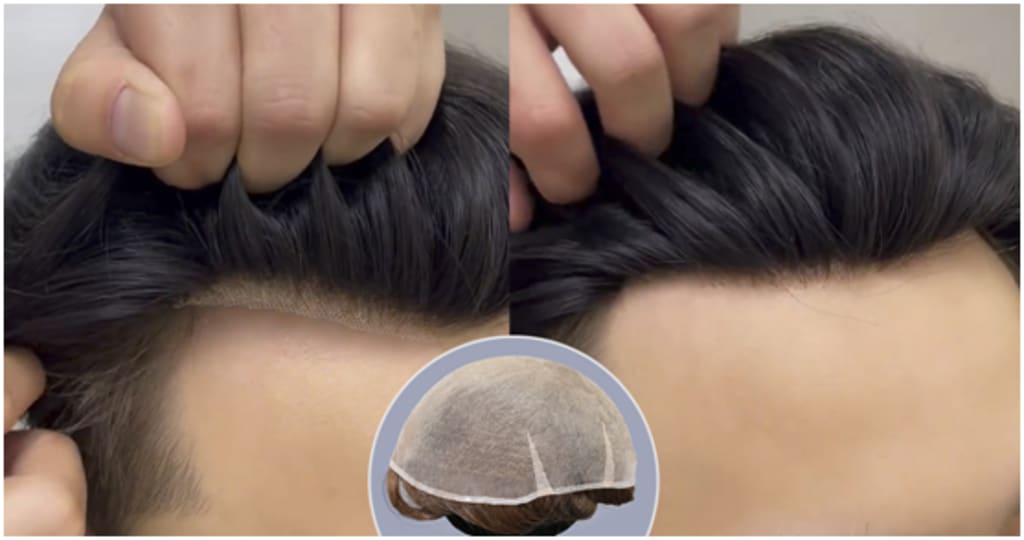
How long does a hair system last? A Base Material Comparison Guide for Salons
How long a hair system lasts depends on the base material, daily wear, and care routine. For salons, a clear base material comparison guide turns durability questions right into realistic client expectations.
Use the supplier specs along with each client's activity level, maintenance habits, and replacement schedule. Better product quality and consistent care really help protect overall wear time.
Key Takeaways
Ultra-thin bases prioritize realism over long service life.
Client activity levels should guide base selection.
Supplier-tested replacement ranges are safer than fixed lifespan promises.
Slow adhesive removal protects delicate bases from stretching and tears.
Hybrid bases reinforce high-stress areas without sacrificing delicate hairlines.
Why Base Material Selection Determines Hair System Longevity
The base material basically decides how long a hair system lasts. It's the foundation that holds the hair and takes the hit from daily friction, sweat, and regular handling. Tougher bases hold their shape much longer. But if you go with a finer base for an invisible look, it's going to need swapping out sooner.
For salons, you need to match the hair replacement system to what the client actually wants to look like and how long they expect it to hold up. Explaining these materials clearly during the consult helps stylists strike the right balance between a natural finish and real durability.
The Salon Consultation Framework: Durability vs. Realism
A natural hairline and tough durability rarely go hand-in-hand within the exact same base design. Thinner, breathable materials give you that invisible front edge. But they also need much gentler handling and have to be replaced more often than sturdier options.
Be totally upfront about this trade-off during every client consultation. Find out how active the wearer is, how often they can come back in for maintenance, and if they care more about realism or getting a longer wear time. Then, write down what you both agreed on. This helps your salon set real care expectations and cuts down on avoidable re-fits. Simple.
Quick-Reference Hair System Base Material Comparison Guide
Treat this base material comparison as a consultation tool, but don't make it a hard promise.
A hairpiece's lifespan shifts based on material quality, cleaning, storage, and regular maintenance. So, always double-check the supplier-tested ranges before giving clients a quote.
Base typesLifespanBreathabilityRealismIdeal client profileSkinConfirm supplierCompare specsCompare finishMatch routineLaceConfirm supplierCompare specsCompare finishMatch routineMonoConfirm supplierCompare specsCompare finishMatch routineHybridConfirm supplierCompare specsCompare finishMatch routine
Skin Base Hair Systems: Lifespan and Characteristics
Skin base hair systems give salons a smooth, skin-like surface. This creates a highly convincing finish. But thickness drives the main trade-off.
A poly base needs to balance the hairline's look against the hair system's overall durability. Supplier-tested lifespan ranges help guide your client consultations and reorder planning. Simple as that.
Ultra-Thin Skin Bases (0.03mm): High Realism and Short Lifespan
At 0.03mm, ultra-thin skin (often called bio-skin) prioritizes a low-profile hairline over a long service life. Its minimal material makes the base much less forgiving during routine handling. So, the hair system lifespan is generally shorter than what you'd get from thicker skin bases.
You'll want to set client expectations around supplier-tested replacement ranges, not a universal number. Gentle fitting, proper cleaning, careful removal, and approved care products all help protect that thin poly base between refits.
Medium-to-Thick Skin Bases (0.08mm+): Extended Wear and Structural Durability
Skin bases sitting at 0.08mm or thicker work well for clients who need more durability and a longer wear time than ultra-thin options. The added poly material tolerates handling much better during fitting and refitting. This helps salons avoid premature replacements, assuming the system gets the right maintenance.
But keep in mind, that extra thickness can make the front edge a little more noticeable. Match the base to the desired hairline finish, and always confirm supplier-tested wear ranges before you go promising a specific replacement schedule.
Lace Base Hair Systems: Balancing Breathability and Durability
Lace base hair systems let air flow right through the foundation while giving you a softer front hairline. But the specific type of lace you pick totally changes your service plan. Swiss lace gives a much lighter finish. French lace, on the other hand, holds up better to repeat wear.
Bono Hair buyers need to follow supplier-approved care guides to figure out realistic reorder timing.
Swiss Lace Hair Systems: Ultra-Breathable Performance for Special Events
Swiss lace is perfect when a client needs max breathability and a super natural hairline for a wedding, photo shoot, or any short-term event where looks matter most. Because it's so delicate, you have to be extra careful during fitting, removal, and cleaning.
Don't ever promise a fixed lifespan unless you have a supplier-tested replacement range. Just track each client's wear schedule and maintenance routine. Then, stick to the supplier's care instructions to stop avoidable damage and plan out reorders.
French Lace Hair Systems: Ideal Balance for Active Wearers
French lace is great for active clients who want a breathable base they can wear regularly while moving around a lot. Its balanced build makes it super practical for salon services that involve repeat fitting, cleaning, and refitting.
There isn't one single lifespan for French lace that applies to everyone. Check the supplier-tested replacement range before you sell. After that, you can protect the hair system's durability with the right fitting, scheduled cleaning, gentle removal, and care products made specifically for the base and hair.
Monofilament Base Hair Systems: Maximum Lifespan Solutions
Monofilament base hair systems are great for clients who want a stable base and fewer talks about replacement, rather than the look of a super delicate front.
For salons, picking a mono base is mostly a service-planning decision. Just match the construction quality, fitting, and maintenance to the wearer's daily routine. That's it.
Fine Mono Bases: Unmatched Longevity for Budget-Conscious Clients
Fine mono works best for clients who care most about monofilament hairpiece durability and predictable salon visits. Make sure your team checks the construction quality and sticks to base-safe cleaning products and removal methods during every single refit.
Don't promise a fixed ten-month lifespan unless you have a supplier-tested replacement range. Track the adhesive choice, cleaning intervals, and client aftercare instead. This helps you set honest reorder expectations and protects the fine mono base over time.
Welded Mono Bases: Structure and Shape Retention
Welded mono fits clients who need a base that holds its shape through regular salon handling. You should assess the welded monofilament construction at intake and every refit. Just look for even tension, intact joins, and stable coverage.
Base strength only boosts hair system longevity if fitting and removal don't stress the foundation. So, train your staff to lift adhesive gently and clean without harsh rubbing. Also, make sure to document any shape changes long before the base starts losing stability. Simple.
Hybrid Base Systems: Combining Comfort, Realism, and Durability
Hybrid base systems put different materials right where they work best. This helps salons balance a natural look with a practical lifespan.
Instead of using just one material for the entire base, you can add reinforcement to high-stress spots. Then, keep the lighter material exactly where it counts.
Lace Front with Poly Perimeter Hybrids
A lace front with a poly perimeter is great for clients wanting a nearly invisible front hairline, but who still need a strong hold around the sides and back.
The poly edge gives your team a tougher surface for adhesive and tape. That cuts down on the stress placed on the lace during refits. Just make sure to review placement, removal tricks, and build quality with your staff. Those little details directly impact how long the hybrid hair system actually lasts.
Mono Core with Skin Edge Hybrids
A mono core with a skin edge is perfect for long-term wearers. It's built for clients who need a stable center and a clear border for attaching the system.
The mono core holds up the main area, while the skin edge gives stylists an easy surface for adhesive during regular refits. To keep the system durable, check the edge, the adhesive used, and your cleaning methods at every single appointment. Then, just jot down any wear and tear so you know exactly when it's time for a replacement.
Hair Ventilation Techniques and Their Effect on Base Longevity
How a piece is ventilated directly impacts the stress it takes during cleaning, refits, and normal daily wear. Salon teams need to match the knotting technique to a client's handling habits and the specific base area.
V-loop and injected hair give you a great low-profile hairline, but they aren't always great at handling repeated pulling. Single knots usually offer much stronger anchoring right in those high-stress zones. And remember, bleached knots are just about making things look softer—they don't add durability. Gentle removal and the right maintenance routine are what actually protect every base. Simple.
Impact of Attachment Methods on Base Material Lifespan
Attachment methods actually decide where a hair system base takes the most stress during removal and cleaning. Hair system glue often leaves behind sticky residue, which means you'll need to clean it carefully. On the flip side, hair system tape might pull right at the base edge if you yank it off too fast.
Got skin bases? Make sure to use a gentle cleaning process to prevent stretching or tearing. Simple. When dealing with lace and mono bases, stick to light adhesive application and slow tape removal. If you don't, repeated tension can easily loosen the hair or weaken those delicate areas over time.
Environmental and Lifestyle Variables Affecting Base Material Integrity
Sweat, UV rays, water, and oxidation can easily cut a hair system's lifespan short, even if attachment and cleaning are handled perfectly. Salon teams need to match their base advice to each client's daily routine, especially for highly active or outdoor wearers.
Sweat, Sun, and Water Exposure
Sweat breaks down adhesive bonds and leaves salt buildup right near the base. At the same time, frequent swimming or showering adds a lot of repeated moisture stress. UV exposure dries out the hair fibers and speeds up oxidation, which leads to faded colors and a lot less softness. Plus, heat, friction, and rough towel drying can easily trigger extra hair shedding. Make sure to tell clients to rinse off after a swim, gently pat the base dry, and avoid staying in direct sun for hours on end.
Professional Cleaning and Residue Removal Protocols
When handling a salon removal, you need to fully release the bond before anyone even tries to lift the base. A careful, controlled clean-up protects those fragile materials. It cuts down on stretch damage, too. Plus, it makes sure the hair piece is ready for a solid, consistent reattachment during regular salon maintenance.
Just apply a professional solvent right onto the adhesive residue and give it time to loosen up. After that, simply roll the residue away instead of pulling it. Always clean the base on a flat, supported surface using a very light touch. Don't scrape or rub it hard. Doing that can easily tear a thin base or completely ruin its shape.
System Conditioning and Knot Sealing Best Practices
Clean bases still need a solid moisture routine. Harsh cleansers leave hair dry, and leftover residue just gets in the way of your care products.
Stick to a pH-balanced shampoo and a leave-in conditioner made specifically for hair systems. That's how you keep the hair soft without suffocating the base. Sealing the knots every so often helps lock down vulnerable areas after a wash, which really cuts down on early shedding. Remind your clients to ask about this service during their regular maintenance visits. Consistently conditioning and sealing those knots is exactly what makes a hair system last longer.
When to Recommend Replacement: Key Indicators for Salons
It's time to replace a hair system when base tearing spreads past a single spot or the base stops holding its shape. Big patches of hair shedding, thinning that shows the base, and edges that keep failing also mean a quick repair won't give a reliable fit.
For salons, keep an eye on these warning signs during regular maintenance visits. The actual replacement cycle changes based on product quality, daily care, and the wearer's routine. So, always write down any changes before you suggest a brand new system. That's it.
Salon Business Economics: Structuring Replacement Cycles and Packages
Start building each client's replacement cycle using the base lifespan confirmed by the supplier. From there, tweak it based on how well they care for it, their maintenance schedule, and their daily routine. This keeps your replacement advice realistic. It's much better than just tying it to a strict date on the calendar.
Try offering service packages that group scheduled maintenance visits with a re-order cycle. Just make sure this cycle kicks in before their current system actually fails. But don't call this setup a salon subscription. Since it involves ongoing spending, you've got to explain it clearly to your client.
How Salons Can Educate Clients on Realistic Lifespan Expectations
A supplier-confirmed lifespan is just the starting point. Your salon consultation needs to turn those numbers into real-world advice for every single wearer. If you manage client expectations clearly, a planned replacement won't feel like a sudden failure.
Make sure to ask about their exercise habits, swimming, heat styling, home routine, and scheduled maintenance. Then, break down how product quality and daily care actually impact wear time. Jot this advice down in their file. And bring it up again at every single visit.
Partnering with Bono Hair for High-Performance Wholesale Base Materials
Salon buying works best when every reorder matches the exact base material and build your team approved for the client. Bono Hair helps keep your wholesale hair systems program consistent. Just make sure you confirm the available base options, minimum order terms, and reorder lead times in writing. Simple.
Before placing a big order, it's best to get some samples and document the base feel, edge finish, and attachment compatibility.
Frequently Asked Questions About Hair System Lifespan
Which hair system lasts the longest?
Mono bases. They favor stability and durability over an ultra-delicate hairline.
How long does a hair replacement system typically last?
No fixed lifespan. Base type, sweat, adhesive removal, and aftercare decide it.
How often should I replace my hair system?
Replace it when the base loses stability, stretches, tears, or hair sheds excessively.
Who makes the best hair systems?
No single winner. Bono Hair should be judged on base construction, hair quality, and supplier-tested ranges.
Is a mono base more durable than a lace base?
Usually, yes. Mono is built for stability; lace trades toughness for breathability and a softer hairline.
What is the average lifespan of a skin base hair system?
Thickness matters. Ultra-thin 0.03mm skin wears sooner; 0.08mm-and-thicker skin handles refitting better.
About the Creator
Leo
Passionate men's hairstylist with a keen eye for detail and a knack for creating on-trend looks. Dedicated to delivering hair restoration education that enhances individual style.
Enjoyed the story? Support the Creator.
Subscribe for free to receive all their stories in your feed.
Comments
There are no comments for this story
Be the first to respond and start the conversation.