
How Long Can You Wear a Wig Continually? The Ultimate Maintenance Guide for Stylists
How Long Can You Wear a Wig Continually?

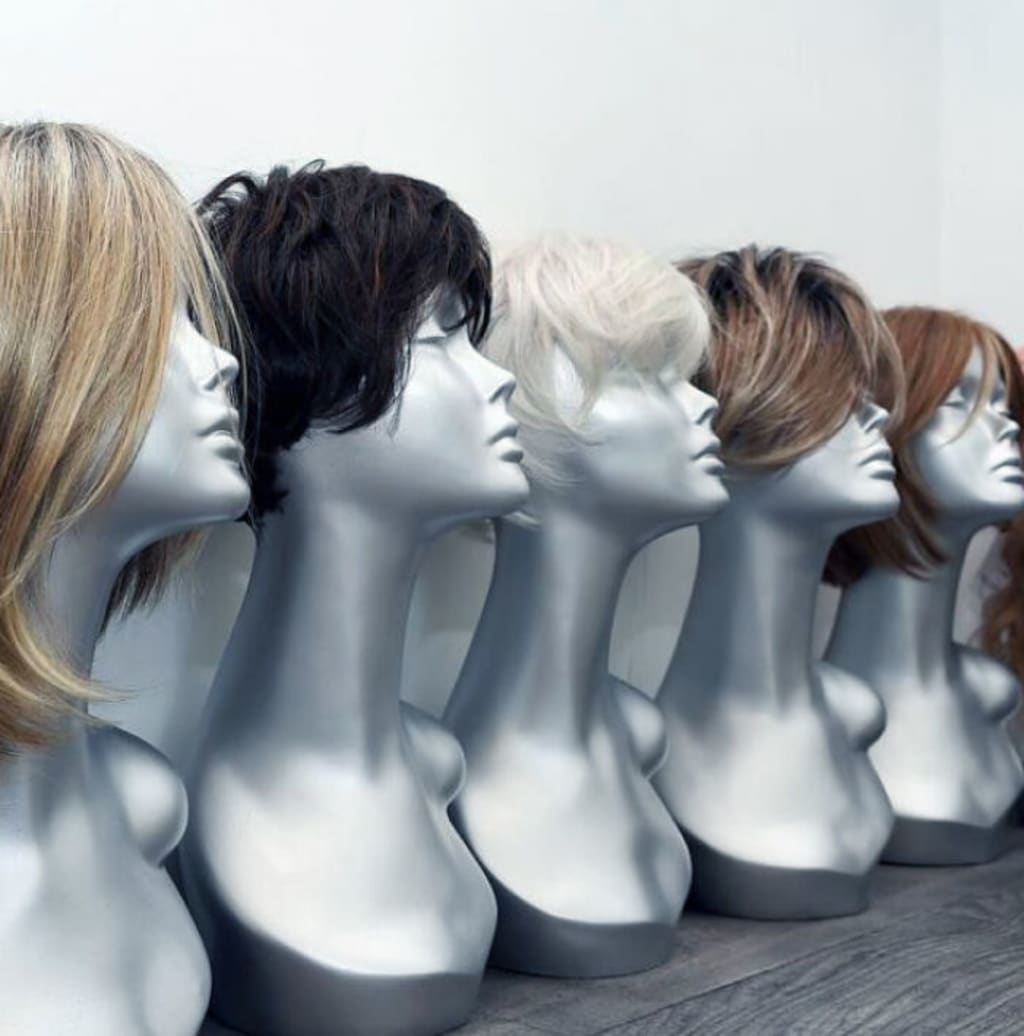
How Long Can You Wear a Wig Continually? The Ultimate Maintenance Guide for Stylists
Ever wonder exactly how long you can wear a wig continually without taking it off? The safe limits really depend on a few things: the attachment method, scalp health, the unit's material, and a person's daily routine. So, salons need to schedule professional check-ins instead of promising a one-size-fits-all timeline.
We put together this guide to help you protect your clients' natural hair during extended wear. Plus, it'll show you how to keep the wig in great shape, cut down on unnecessary refits, and back up your Bono Hair consultations with solid advice.
Key Takeaways
Safe continuous wear ranges from daily removal to four weeks maximum.
Schedule removal appointments during installation to prevent overdue adhesive wear.
Match cap and adhesive choices to sweat, skin sensitivity, and activity.
Check every appointment for redness, itching, odor, lifting, or scalp sores.
Remove the system immediately for pain, swelling, blisters, bleeding, or rash.
The Continuous Wear Dilemma: Balancing Style and Scalp Safety
Clients usually ask for continuous installs. A stable, polished look cuts down on daily styling and just fits better into a busy routine. But for salons, it's much safer to push monitored wear instead of an open-ended promise.
Things like breathability, comfort, hygiene, and protecting the natural hair will shift over time. It happens as sweat, product buildup, and daily activity start to pile up. So, Bono Hair buyers need to look at supplier guidelines and bake regular check-ins right into their service protocols. It protects the clients. Plus, it cuts down on extra refits.
Safe Continuous Wear Limits: The "Rule of Weeks" Framework
Continuous wear has a strict limit. You should base the install method on when the client plans to take it off, not just the longest hold they ask for.
For salons and retail teams, a realistic timeline runs from daily removal up to four weeks. Shorter schedules usually give clients more control over their comfort and natural hair.
1 to 5 Days: Glueless and Daily Wear Options
Glueless units and wig grips are perfect for clients needing a sharp look for one to five days before taking the unit off at home or in the shop. These setups work great for heavy gym-goers, hot work environments, and first-timers since the cap pops off without dealing with long-lasting glue.
Daily wear lets the scalp and natural hair breathe between uses, while a wig grip stops things from sliding around during the day. Make sure to stock different cap styles and grip sizes, and always test the fit during your consult. An overly tight grip can still cause headaches, even without glue.
1 to 2 Weeks: Short-Term Adhesive Bonding
Lace fronts can safely stay on for a week or two if the client has a properly fitted unit, a steady routine, and a scheduled follow-up. Can you wear a lace front wig for 2 weeks straight? Yes. But view it's best viewed as a short-term service window, not a blank check for every single client.
Secure the lace with a short-term glue picked specifically for the client's skin type and sweat levels, rather than just pulling it tight. The lace needs to lay flat without tugging at the hairline. Shops should sell this as a package deal with a set return date, instead of promising two straight weeks of guaranteed wear.
3 to 4 Weeks: The Absolute Safety Ceiling
Three to four weeks is the absolute max for a continuous install. Hitting week four means taking the piece completely off, not just adding more glue. Daily movement, body heat, sweat, and styling will eventually break down the bond, shift the lace, and pull hard at the hairline.
To keep the scalp healthy and minimize wear and tear, always book the removal appointment right when you do the install. Bono Hair stockists can cut down on emergency fixes by simply writing down the install date, the client's activity levels, and the exact attachment method used. These notes make it much easier for stylists to pick the right approach at the next visit.
Anatomy of a Long-Term Install: Tension and Stress Points
The heaviest pressure in a long-term install usually hits the frontal hairline, temple corners, and the nape. It also builds up anywhere the cap or braid base shifts when the client moves. These are the exact spots where lace tends to fray first or where natural hair takes the most stress.
For retailers and salons, fit checks need to make sure the lace lays completely flat without pulling at the edges. Constant tension can actually lead to traction alopecia. So, keeping that natural hair safe really starts with getting the sizing right, balancing the attachment, and sticking to a strict removal schedule.
The Science of Adhesive Breakdown: How Sweat and Sebum Degrade Bonding
Scalp sebum doesn't just dissolve glue. Instead, its fatty lipids coat the exact spot where the lace meets the adhesive. This drops the surface energy, making the bond a whole lot easier to peel up at the edges.
Then you have sweat, which adds water and salts into the mix. Going through constant wet-and-dry cycles softens the adhesive. And if you're using a moisture-sensitive formula, this actually triggers hydrolysis—gradually breaking down the polymer structure over time. So, salons and retailers really need to match the glue to each client's body heat, workout routine, and natural oil production. Spotting that edge lift early means cleaner removal, better protection for the natural hair, and much easier refit planning.
Primary Risk Factors: How Extended Wear Alters Scalp Health
Leaving an adhesive hair system on past its usual service time traps sweat, sebum, and dead skin right against the scalp. When it comes to scalp health, waiting too long to clean it is the real issue. Daily wear isn't the problem on its own.
Trapped moisture sitting under the base can bump up the risk of folliculitis and contact dermatitis. It also gives bacteria a perfect place to grow. Can wearing a wig daily cause hair loss? Not by itself. But a bond that's too tight or ongoing inflammation can definitely lead to pulling and breakage. Bono Hair retailers need to set clear refit schedules. If you spot serious redness or sores, refer the client straight to a dermatologist.
Key Factors That Determine Your Safe Continuous Wear Timeline
Safe continuous wear doesn't come with a single calendar limit. A solid-base system on a highly active client needs a completely different refit plan compared to a breathable lace unit worn during a low-sweat routine.
The real limit depends on the cap, the bonding setup, and the wearer's actual scalp condition. When salons look at all three, it helps them pick an install method that protects scalp health while keeping service schedules realistic.
Cap Construction and Base Material Permeability
Cap construction controls how easily heat and sweat can escape the scalp. Open lace fronts are usually the most breathable. Monofilament bases change depending on the weave and backing. But PU/skin bases create a solid barrier, so they'll usually trap a lot more heat and moisture.
Retailers need to check exactly where each material sits, not just at the front hairline. A mixed cap might combine lace airflow with PU bonding zones. On the flip side, a full PU base might call for a much shorter, carefully monitored wear plan for clients who sweat heavily.
Adhesive Type and Chemical Interaction
Your adhesive choice directly impacts how predictable the bond stays between service visits. Solvent-based glues cure as a liquid layer, acrylic tapes use a pre-made sticky strip, and hydrogel adhesives have a gel-like contact layer. You always need to follow the supplier's specific application and removal instructions. No exceptions.
Stock teams should match the adhesive to the base material and the approved remover, then write down any client history of skin irritation. Patch testing and clean removal really matter. Leftover residue or skin reactions can quickly weaken the bond and make the next install a major headache.
Scalp Chemistry, Sweat, and Lifestyle Exposure
Scalp conditions can break down a secure bond even if the cap and adhesive match perfectly. Excessive sweating adds trapped moisture, and naturally oily skin adds surface oil. Plus, frequent workouts, swimming, and humid work environments pile on extra cleaning and inspection work.
Bono Hair retailers should spot these patterns during the initial chat and set a conservative review schedule instead of just promising one standard timeline. Building client profiles based on sweat levels, skin sensitivity, daily activity, and upkeep habits helps businesses tweak the install plan long before irritation or lifting ever starts. That's it.
Scalp Hygiene Protocol: In-Situ Cleansing for Extended Wear
Clean the exposed scalp through narrow partings, but make sure you don't flood the bond. A safe cleaning routine uses a residue-free scalp cleanser approved by your supplier. Just put it on a cotton swab, follow up with a slightly damp wipe, and let it air-dry completely. Keep all liquids away from those adhesive edges. If moisture gets trapped under PU or thick bases, it weakens the glue and holds sweat right against the skin.
When clients ask, "How to protect your natural hair under a wig during long-term wear?" make sure your stylists look for redness, odors, itching, and lifting at every single appointment. And don't apply antiseptics under an attached Bono Hair unit unless a doctor specifically tells you to. Simple.
Nighttime Preservation: Protecting Hair and Lace While Sleeping
Tossing and turning at night creates friction. This roughs up the hair fibers and puts serious stress on the lace perimeter. So, how do you keep a wig safe in bed? It's all about keeping the unit smooth, well-supported, and far away from rough cotton.
Reduce Friction and Pulling
Tell your clients to tie longer hair back in a loose, low braid or wrap. Make sure they aren't pulling tight at the hairline. A silk or satin pillowcase is perfect for cutting down on rubbing. If they take the wig off at night, store it in a silk or satin bag. This stops tangles, blocks dust, and keeps the lace from getting crushed. Simple as that.
Protect the Lace Edge
Clients should never sleep with the lace folded, pinned under their head, or rubbing against rough seams. When you chat with them, tailor your nighttime advice to fit their actual daily routine. Giving clear care instructions goes a long way in protecting Bono Hair units. Plus, it cuts down on extra re-fit appointments.
Mid-Install Maintenance: Managing Edge Lift and Lace Buildup
A little edge lift or leftover glue doesn't mean you need a complete reinstall. With lace fronts, a careful spot-treatment easily fixes the hairline. Plus, it saves the delicate lace from extra wear and tear.
Targeted Edge and Residue Care
Just separate the loose part, hold the lace steady, and clean the residue strictly from the exposed spot using the right remover for your glue. Don't soak the scalp or the hairpiece. Once it's completely dry, tack the edge back down with a light touch of adhesive. That's it.
If your salon carries Bono Hair units, having a solid routine for custom tweaks and quick fixes cuts down on full reinstall visits. It also helps your clients keep a flawless, natural-looking hairline between their regular appointments.
Critical Warning Signs Requiring Immediate System Removal
Take a hair system off right away if a client complains of burning, sharp pain, swelling, hives, blisters, bleeding, pus, or a spreading rash. These red flags usually point to a reaction from the adhesive, a bad infection, or actual skin damage. Leaving the unit on will just make their Scalp Health worse.
If your salon stocks Bono Hair systems, make sure your team treats these symptoms as strict removal-and-referral issues, rather than normal Wear & Tear. A Natural Style is never worth hiding an irritated scalp. Tell them to see a doctor. Simple.
Solvent Safety: Preventing Chemical Trauma During System Removal
The solvent needs to release the bond. Pulling shouldn't ever do the work. Simple. Every time you handle a removal, just soak the adhesive line using a label-approved solvent like C-22 Adhesive Solvent. Then, wait for the bond to get soft.
Make sure to support the lace and natural hair right at the hairline. Then, lift it up in small sections without tugging on anything. Keep the liquid far away from eyes or broken skin, keep your station ventilated, and stop right away if any burning starts. Just clean up the leftover adhesive residue before you move on to edge laying or reattaching.
The Mandatory Scalp Rest Period Between Continuous Installs
There's no one-size-fits-all rest period between continuous installs. You really just need to check the scalp before applying a new piece. That's it. For retailers and salons, protecting natural hair means keeping the system off until the scalp is completely clean, dry, and clear of any redness, tenderness, or broken skin.
Right after removal, have your client gently wash away the leftover adhesive. Then, use a mild recovery treatment that makes sense for whatever condition their skin is in. Note any irritation you see. If those symptoms just won't go away, send them to a doctor before you do another install.
Material Comparison: Human Hair vs Synthetic Performance in Long Wear
Human hair wigs usually handle constant washing and restyling much better than synthetic ones. But here's the thing: scalp oil and leftover adhesive will cut the lifespan short for either type. Simple.
If you're a business buyer, this upkeep gap is a big deal when matching units to clients. Human hair needs gentle washing and deep conditioning to stop dryness and cuticle damage. Synthetic fibers don't soak up oil. Still, surface gunk makes the strands clump together, and everyday rubbing will rough up or fray the ends. So, weigh the different Bono Hair material options against how active your client is, how they style it, and when they actually plan to come back for a refit.
Interactive Risk Assessment: The Continuous Wear Scorecard
You can't calculate a continuous-wear deadline from hair type alone. For every client, record their scalp oil level, sensitivity, sweat exposure, adhesive use, sleep friction, exercise habits, washing routine, and whether the unit is human hair or synthetic. These notes actually show what drives a wig's lifespan for daily wearers.
Keep the scorecard handy during fittings. Flag any itching, buildup, loosening, tangling, or dry ends to shorten the wear time instead of promising a set date. For Bono Hair stock planning, keeping solid consultation records helps retailers easily match units and aftercare to specific customer situations.
Stylist Communication: Client Consultation Scripts for Wear Safety
Set a firm boundary right away: "I can't approve wearing this for months straight without checking your scalp and doing regular maintenance." Wig stylists need to link this limit to the client's actual lifestyle. Think sweat, natural oils, the type of adhesive, sleep friction, and any early warning signs. Don't just hand out a blanket promise.
Next, give them a clear plan: "We'll book some review appointments and cut down the wear time if we see any itching, buildup, loosening, or tangling." This keeps their scalp healthy and helps the wig actually last. For Bono Hair retailers, having these scripts written down means every consultation hits the same notes. You get fewer annoying re-fits. Plus, clients know exactly what to expect with their aftercare.
Prolonging Unit Longevity Through Advanced Salon Maintenance Protocols
Professional reset appointments help repeatedly installed units last much longer. They clear away sticky adhesive residue, clean the hair using a sulfate-free shampoo, and bring back moisture with deep conditioning. For Bono Hair retailers, standard resets protect the hair fibers and lace while giving your staff an easy, repeatable quality check.
How do you know when it's time to replace a wig? Constant shedding, thinning density, ripped lace, or a base that just won't hold its shape usually mean a quick fix isn't going to work anymore. Simple.
B2B Impact: How Safe Wear Practices Build Salon Client Retention
Strict continuous-wear rules protect a client's scalp and cut down on unnecessary service disputes. For B2B buyers, keeping safety standards steady turns every installation into a solid relationship that drives repeat bookings.
Wig stylists and scalp-health experts need to set up removal and check-in schedules based on the client's skin reaction, activity level, and adhesive use. Having these guidelines in writing helps set realistic expectations for how long the hair will actually last. It's also the best way to catch irritation or lifting early on, giving salons a clear track record of responsible care.
High-Performance Bases for Extended Wear: The Bono Hair Advantage
Extended wear isn't just about hair length. It's really about the base sitting perfectly flat against the scalp. If your salon stocks Bono Hair, the real benefit is picking Human Hair Wigs and Lace Fronts with a base that actually fits the client's skin sensitivity, glue setup, and daily activity level.
Fine lace boosts breathability and comfort since it lets in way more air than thick, solid bases. Plus, careful ventilating cuts down on bulky knots right at the hairline. Just make sure to check the base after every single removal. Sweat, glue buildup, and the client's home care routine will tell you if another multi-week reinstall is still a good idea.
Frequently Asked Questions About Continuous Wig Wear
Is it safe to wear a wig every day?
Yes. Daily removal is safest; clean, dry scalp first.
Can wearing a wig daily cause hair loss?
No. Tight bonds and inflammation cause breakage.
How many hours a day is it okay to wear a wig?
All day. Remove daily-wear units nightly.
What is the four finger rule for wigs?
Four fingers above brows. It guides hairline placement.
Why do many celebrities choose to wear wigs for public appearances?
Control. Instant styling, protection, camera-ready hair.
About the Creator
Leo
Passionate men's hairstylist with a keen eye for detail and a knack for creating on-trend looks. Dedicated to delivering hair restoration education that enhances individual style.
Enjoyed the story? Support the Creator.
Subscribe for free to receive all their stories in your feed.
Comments
There are no comments for this story
Be the first to respond and start the conversation.