
Hair Systems vs Wigs: Complete 2026 Comparison Guide
Wigs vs. Hair Systems: A Closer Look
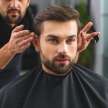
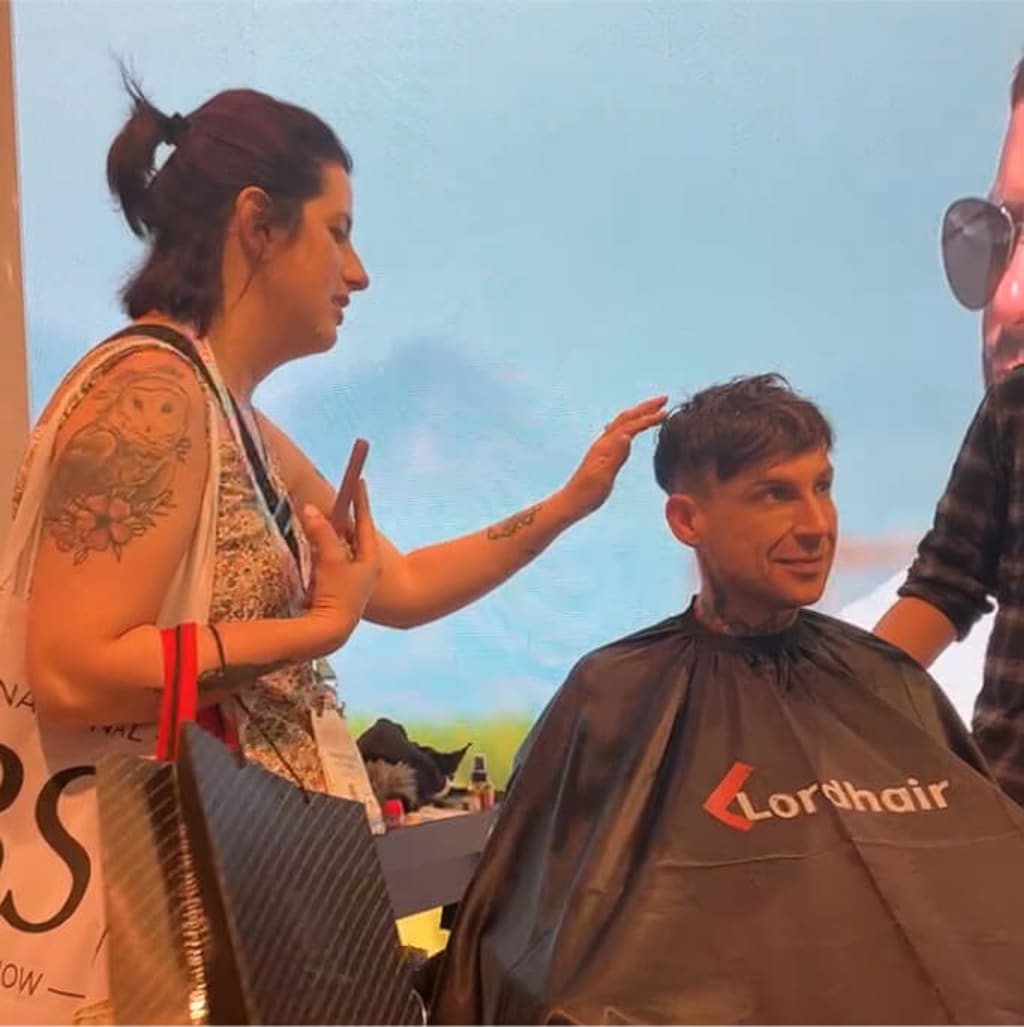
How Modern Alopecia hair systems Compare to Traditional Wigs
Alopecia hair systems are a huge step up from traditional wigs. Years ago, hiding hair loss meant dealing with bulky, easy-to-spot pieces. Now, modern non-surgical hair replacement gives you a clean, natural look that attaches right to your scalp. That basic difference between the two sets up a closer look at the technical details that really set them apart.
Key Takeaways
- Modern hair systems use ultra-thin, breathable bases and semi-permanent adhesives for a natural, secure fit lasting weeks.
- Medical-grade bonding allows for an active lifestyle, including swimming and showering, without the unit slipping.
- Hypoallergenic systems act as cranial prostheses, protecting sensitive scalps and potentially qualifying for insurance reimbursement.
- Commit to a strict 2–6 week maintenance cycle for removal, cleaning, and re-bonding to preserve the delicate base.
- Match the system to your hair loss: use toppers for patchy alopecia and full-cap systems for total coverage.
The Technical Evolution: Defining the Modern Hair System vs. The Traditional Wig
Modern hair replacement systems outperform older artificial hair pieces. The real difference comes down to the base materials. Instead of sitting heavily like a hat, modern units blend in cleanly. To see why these systems feel so different, you have to look at the exact materials used to build them.
Base Materials: Ultra-Thin Skin and Swiss Lace vs. Heavy Mesh
Traditional options rely on bulky, breathable mesh. Today, bases are made from ultra-thin skin, polyurethane, or Swiss lace. They practically vanish.
Monofilament materials mimic natural hair growth. And the material you choose directly affects how the unit attaches to your scalp.
Attachment Methods: Semi-Permanent Bonding vs. Daily Removal
Older methods depend on clips you wear and remove daily. Now, semi-permanent bonding changes everything.
You apply medical-grade adhesive or liquid adhesive to hold the system in place for weeks. These attachment methods shape the wearer’s daily routine and activity level.
Lifestyle Integration: The "High-Performance" Advantage of [Lordhair](https://www.lordhair.com/) Systems
Old-school wigs hold you back. Lordhair changes the game. You get high-performance hair made for an active lifestyle. Sweat-resistant bases breathe during tough workouts. And that secure bond means you don't have to avoid the water.
Can You Swim and Shower While Wearing a Hair Replacement System?
Absolutely. Medical-grade adhesives create strong, water-resistant hold.
Enjoy a swim-friendly routine without worrying your unit will lift.
Shower-safe units stay in place while you wash. This firm hold does more than handle the pool. It helps deliver total visual realism.
The "Invisible Edge": Achieving an Undetectable Hairline
A tight fit doesn't work if it looks fake. Technicians use V-looping to place hand-tied strands into the base.
This builds a natural, graduated hairline without bulky knots. You get an undetectable hairline that blends right into your skin.
And beyond physical activity, visual realism brings a real psychological boost. Realism matters, but for Alopecia sufferers, scalp health comes first.
The Scalp Health Factor: Navigating Alopecia and Adhesives
Sensitive skin needs careful handling. Putting adhesives on an Alopecia-affected scalp might seem risky. It isn’t. Using medical-grade tape gives you a secure hold without causing traction alopecia from harsh pulling. Simple.
Strict scalp hygiene makes this work. Cleaning your base with pH-balanced shampoos clears away chemical residue and helps protect your skin barrier. Get this health baseline right, and you move naturally into the practical side of maintaining these medical-grade devices.
Cranial Prosthesis: The Medical Necessity of Modern Systems
These systems go beyond cosmetic fixes. For severe medical hair loss, a high-quality unit works as a true cranial prosthesis.
The materials are hypoallergenic and help protect bare skin. This medical-grade status can often qualify you for insurance reimbursement if a dermatologist prescribes it.
You get a safe, breathable barrier that doesn’t irritate your follicles. Calling these units medical devices shifts how you look at both upkeep and cost.
Maintenance and Longevity: What to Expect in the First 90 Days
Your first three months set the tone. The maintenance cycle for a semi-permanent system takes real commitment. You’ll need regular re-bonding to keep the base secure. You’ll also need professional servicing to protect the delicate materials.
Wigs are usually a one-time purchase. Comparing those ongoing needs to the simplicity of wigs helps you decide. So what does this schedule actually look like?
How Often Do You Need to Service a Semi-Permanent Hairpiece?
Expect to reset your system often. A solid maintenance routine follows a strict 2–6 week cycle.
Every few weeks, the unit needs to be removed, cleaned, and reattached. You can handle this yourself. But booking a professional service helps make sure the fragile base stays intact and doesn’t tear.
That kind of upkeep adds up. Understanding this timeline makes the real investment for each option much clearer.
Choosing the Right Lordhair Solution: A Guide for Alopecia Sufferers
You already know the upkeep. Now it's time to choose the unit. Finding your Lordhair match starts with one decision: speed or exact specs. Stock hairpieces ship quickly for standard needs. But if your measurements are unique, custom hair systems with a bespoke fit look incredibly natural. Your first step comes down to how much coverage you actually need.
Total vs. Patchy Loss: Matching the System to Your Alopecia Type
Your hair loss pattern determines your base size. Don't buy more hair than you need. Simple.
If you have alopecia areata, you're likely dealing with patchy hair loss. You don't need a full wig. Hair toppers blend into your existing hair and cover those spots smoothly.
Alopecia totalis is a different situation. It requires full head coverage, so full-cap systems are the clear choice to recreate your entire hairline. Getting this right matters. It helps you clearly see the pros and cons before making your final decision.
The Ultimate Showdown: Hair Systems vs. Wigs vs. Transplants
You already know the level of coverage you need. Now it's about comparing non-surgical hair replacement with the other options. Wigs tend to feel heavy on the head and can shift during everyday movement. Surgeries can be permanent, but they come with real medical risks. Hair systems land right in between. They give you a natural look without committing to surgery. So how do the numbers really compare?
Weighing the Financial Impact
Hair transplants come with a huge upfront cost, often going over $10,000. And there's no guarantee of success if your alopecia keeps progressing. That's a serious financial gamble.
Traditional wigs are cheaper at first, but they often look obviously artificial. They don't have the breathable, close-fitting bases that modern systems offer.
Hair systems do involve a steady monthly cost for upkeep and replacement. But you get immediate, reliable results. That trade-off makes them the safest option for most people dealing with alopecia. Still have specific questions? Let’s jump into some quick answers.
Frequently Asked Questions about Alopecia Hair Solutions
Are hair systems better than wigs?
Yes. Night and day difference. Systems use ultra-thin skin or Swiss lace bonded directly to the scalp. Wigs just sit there like a heavy hat. Systems actually look like hair growing from your head.
How long does a hair system stay on your head?
2 to 6 weeks. Medical-grade adhesives lock it down tight. After that window, you pull it off, clean the scalp, and re-bond. Leave it longer and you risk wrecking the delicate base.
What are the pros and cons of non-surgical hair replacement?
Pro: Unmatched realism. You can shower, swim, and sweat in them. Con: Constant upkeep. You are chained to a strict 2 to 6 week cleaning and re-bonding cycle. The bases are fragile.
Is a hair system or a wig better for active lifestyles?
Hair system. Not even close. Medical-grade adhesives weld it to your scalp. You can swim, run, and shower without it shifting a millimeter. A traditional wig slips the second you sweat.
About the Creator
Leo
Passionate men's hairstylist with a keen eye for detail and a knack for creating on-trend looks. Dedicated to delivering hair restoration education that enhances individual style.
Enjoyed the story? Support the Creator.
Subscribe for free to receive all their stories in your feed.
Comments
There are no comments for this story
Be the first to respond and start the conversation.